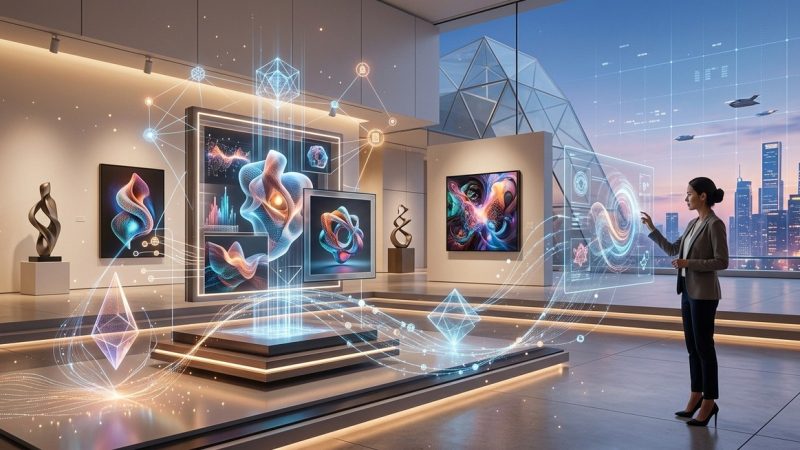
How AI Generative Models Are Reshaping Digital Art Authentication
Forged paintings have fooled experts for centuries. A single misattributed work can cost collectors millions and damage gallery reputations beyond repair. Now artificial intelligence is changing the game, offering authentication tools that analyze brushstrokes, color palettes, and artistic patterns with precision humans simply cannot match.
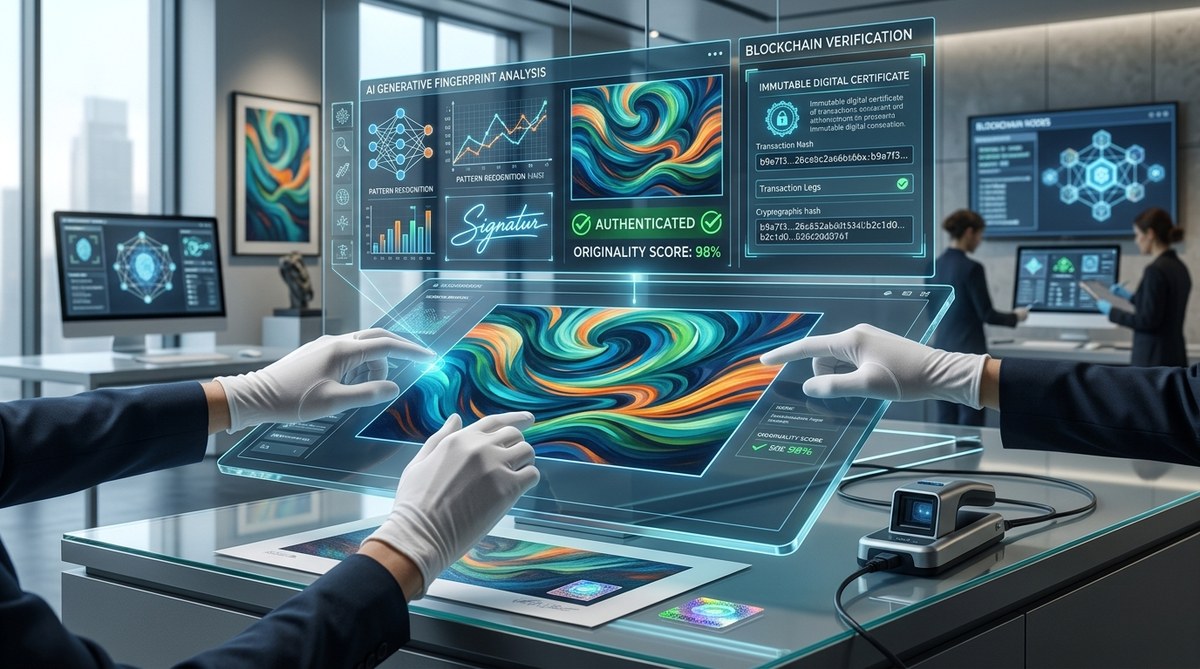
AI art authentication combines machine learning algorithms, computer vision, and neural networks to verify artwork authenticity by analyzing brushstroke patterns, material composition, and stylistic signatures. These systems compare thousands of authenticated works against questioned pieces, detecting forgeries that traditional connoisseurship might miss. The technology works for both physical paintings and digital art, providing collectors and institutions with data-driven authentication reports alongside traditional expert analysis.
How AI Systems Actually Authenticate Artwork
Traditional authentication relies on human experts examining provenance documents, studying brushwork under magnification, and comparing stylistic elements. This process takes weeks or months and depends heavily on individual expertise.
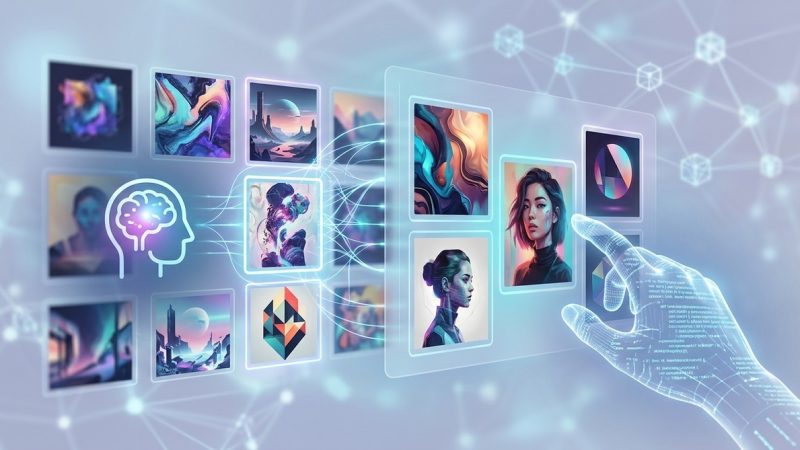
AI authentication works differently. Machine learning models train on thousands of verified artworks by a specific artist. The system learns to recognize unique patterns in brushwork pressure, color mixing techniques, and compositional choices. When presented with a questioned work, the algorithm compares these learned patterns against the new piece.
The technology breaks down into several distinct approaches. Convolutional neural networks analyze visual features at multiple scales, from broad compositional elements down to individual brushstroke characteristics. Generative adversarial networks can detect anomalies by learning what “real” examples of an artist’s work should look like. Spectral imaging combined with machine learning identifies pigment compositions and aging patterns invisible to the naked eye.
Physical artwork authentication benefits from AI analysis of high-resolution scans. The system examines canvas weave patterns, craquelure formations (those tiny cracks in aged paint), and underpainting techniques. Digital art authentication focuses on metadata analysis, creation software fingerprints, and pixel-level pattern recognition.
The Authentication Process Step by Step
Understanding how AI authentication actually works helps you evaluate its reliability for your collection or gallery.
-
Image Acquisition and Preprocessing: High-resolution photography or scanning captures the artwork under controlled lighting. Multiple wavelengths (infrared, ultraviolet, x-ray) reveal hidden layers. The system normalizes these images for consistent analysis.
-
Feature Extraction: AI algorithms identify and measure thousands of specific characteristics. These include brushstroke width variation, paint application pressure, color transition patterns, and compositional geometry. The system creates a numerical “fingerprint” of the work.
-
Comparative Analysis: The extracted features compare against a database of authenticated works. Statistical models calculate similarity scores and flag anomalies. The system identifies which characteristics match expected patterns and which deviate significantly.
-
Report Generation: The AI produces a detailed analysis report with confidence scores, highlighted areas of concern, and comparative visualizations. Human experts review these findings alongside traditional authentication methods.
This process typically takes days rather than months. However, the AI serves as a tool for human experts, not a replacement. Final authentication decisions still require human judgment considering historical context, provenance research, and physical examination.
What AI Can and Cannot Detect
AI authentication excels at pattern recognition tasks that overwhelm human perception. The technology spots subtle inconsistencies across large datasets and maintains perfect consistency in measurement.
Strengths of AI authentication:
- Analyzing thousands of brushstrokes for pressure and direction consistency
- Detecting anachronistic materials through spectral analysis
- Identifying statistical outliers in color palette usage
- Comparing craquelure patterns against authentic aging processes
- Recognizing digital manipulation in photographs of artwork
- Processing multispectral imaging data humans cannot perceive
Current limitations:
- Requires large datasets of authenticated works for training
- Struggles with artists who intentionally varied their style
- Cannot evaluate provenance documentation or ownership history
- May miss context-dependent forgery techniques
- Needs human expertise to interpret results correctly
- Cannot authenticate works by artists with few verified examples
The technology works best when combined with traditional methods. AI provides objective data analysis while human experts contribute historical knowledge, provenance evaluation, and contextual understanding.
For collectors building a valuable digital art collection, AI authentication offers particular advantages. Digital works can be analyzed for creation software signatures, editing history, and algorithmic generation patterns that physical inspection cannot reveal.
Comparing Authentication Techniques
Different AI approaches suit different authentication challenges. Understanding these methods helps you choose appropriate services for your needs.
| Technique | Best For | Accuracy Range | Time Required |
|---|---|---|---|
| Convolutional Neural Networks | Brushstroke analysis, style verification | 85-95% | 2-4 days |
| Spectral Imaging + AI | Material dating, pigment analysis | 90-98% | 3-7 days |
| Generative Adversarial Networks | Detecting sophisticated forgeries | 80-92% | 1-3 days |
| Pattern Recognition Algorithms | Digital art, print authentication | 92-99% | Hours to 2 days |
| Blockchain + AI Verification | Provenance tracking, digital certificates | 95-99% | Minutes to hours |
Accuracy ranges reflect current research findings and vary based on artist, period, and available training data. Combining multiple techniques increases reliability significantly.
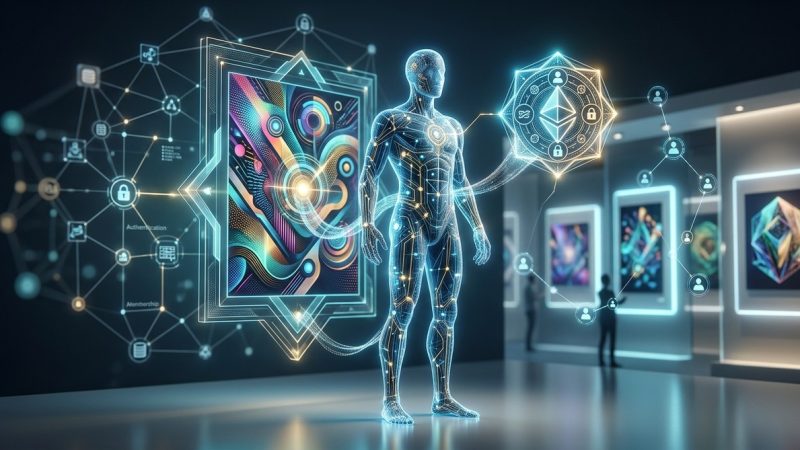
Blockchain technology increasingly complements AI authentication, particularly for digital art. Smart contracts track ownership and provenance while AI verifies the artwork itself matches its digital certificate.
Common Mistakes That Undermine Authentication
Even sophisticated AI systems produce unreliable results when used incorrectly. Avoid these frequent errors.
Relying solely on AI without expert review creates false confidence. The algorithms provide data, but authentication requires human judgment about historical context, artist biography, and market factors. A painting might match an artist’s technical patterns but still be a period copy or student work.
Using insufficient training data produces meaningless results. AI models need hundreds or thousands of verified examples to learn an artist’s unique characteristics. Authentication attempts for obscure artists with few authenticated works often fail.
Ignoring the AI’s confidence scores leads to misinterpretation. A 60% match score means significant uncertainty, not authentication. Understanding statistical significance matters as much as the raw numbers.
Failing to update models with new discoveries creates outdated analysis. As scholars authenticate previously unknown works or identify past misattributions, AI databases need regular updates. Static models become less reliable over time.
Applying digital art algorithms to physical paintings or vice versa produces nonsense results. Each medium requires specialized analysis techniques. The brushstroke patterns in oil painting have nothing to do with pixel-level analysis of digital files.
“AI authentication is a powerful tool, but it’s just that—a tool. The technology analyzes what it can measure, but art authentication requires understanding what the measurements mean within historical and cultural context. We use AI to enhance human expertise, not replace it.”
Real-World Applications Across the Art Market
Galleries now routinely use AI authentication before acquiring significant works. The technology provides due diligence documentation that protects against future disputes. Insurance companies increasingly require AI analysis for high-value policies.
Auction houses employ AI screening to identify potential problems before sales. This protects their reputation and reduces the risk of selling forgeries. Major auction platforms now mention AI authentication in their cataloging process.
Museums use AI to verify donations and evaluate potential acquisitions. The technology helps prioritize conservation resources by identifying which works need immediate attention. Some institutions apply AI analysis to their entire permanent collections, discovering misattributions that stood for decades.
Private collectors benefit from portable authentication services. Companies now offer smartphone apps that provide preliminary AI analysis of artwork photographs. While not definitive, these tools help collectors make informed decisions about potential purchases.
Digital art platforms integrate AI authentication directly into their marketplaces. Buyers receive automated verification reports with each purchase. This transparency builds trust in markets where forgery and unauthorized copying pose constant threats.
Law enforcement agencies apply AI authentication to recovered stolen art and suspected forgeries. The technology helps prosecutors build cases by providing objective technical evidence alongside expert testimony.
Choosing Reliable Authentication Services
Not all AI authentication services offer equal quality. Evaluating providers requires understanding their methodology and limitations.
Ask about training data sources. Reputable services use images from authenticated museum collections, artist foundations, and verified private collections. Vague claims about “proprietary databases” should raise concerns.
Request sample reports before committing to expensive analysis. Quality reports explain methodology, show comparative visualizations, provide confidence scores, and clearly state limitations. Simple pass/fail results without supporting data indicate poor service.
Verify that human experts review AI findings. The best services employ art historians, conservators, or authentication specialists who interpret algorithmic results within broader context. Fully automated authentication lacks necessary nuance.
Check whether the service specializes in relevant periods and artists. AI models trained on Impressionist paintings cannot reliably authenticate contemporary digital art. Specialization matters more than broad claims of universal capability.
Understand pricing structures and turnaround times. Legitimate analysis takes days or weeks depending on complexity. Instant results or suspiciously low prices suggest inadequate methodology.
Look for transparency about accuracy rates and past performance. Honest providers acknowledge their systems’ limitations and discuss cases where AI analysis proved inconclusive or required additional investigation.
Building Trust in AI-Verified Art
Authentication technology only adds value when collectors, institutions, and markets trust the results. Several factors contribute to building this confidence.
Third-party validation strengthens AI authentication claims. When multiple independent systems reach similar conclusions, reliability increases significantly. Some authentication services now offer multi-system verification as standard practice.
Publishing methodology in peer-reviewed journals demonstrates scientific rigor. Authentication companies that contribute to academic research generally provide more reliable services than those operating with proprietary black-box algorithms.
Creating standardized reporting formats helps the market evaluate and compare results. Industry groups now work toward common authentication report structures that clearly communicate findings, limitations, and confidence levels.
Maintaining public databases of authenticated works allows independent verification. When AI authentication companies share their reference datasets (with appropriate permissions), the broader community can assess their foundation.
Tracking long-term accuracy through follow-up studies builds credibility. Authentication services that publish updates when new information emerges demonstrate intellectual honesty and scientific integrity.
Where AI Authentication Goes Next
Current research pushes AI authentication in several promising directions. These developments will reshape how we verify artwork authenticity over the next few years.
Multi-modal analysis combines visual examination with chemical analysis, historical documentation, and market data. Future systems will integrate these diverse information sources into unified authentication frameworks.
Explainable AI addresses the “black box” problem where algorithms reach conclusions through opaque processes. New models will show exactly which features influenced their analysis, making results more transparent and trustworthy.
Real-time authentication during creation offers artists tools to document their work as they make it. Digital signatures embedded during the creative process create unforgeable provenance records from the moment of creation.
Collaborative authentication networks will connect institutions, collectors, and experts worldwide. Distributed systems can analyze works against global databases while protecting proprietary information and respecting privacy.
Adaptive learning systems will improve automatically as they encounter new artworks and receive expert feedback. These models will become more accurate over time without requiring complete retraining.
Making Authentication Work for Your Collection
Whether you manage a major gallery or collect art personally, AI authentication offers practical benefits when applied thoughtfully.
Start by identifying which works in your collection most need verification. Focus on pieces with incomplete provenance, recent acquisitions, or works by artists frequently forged. Prioritizing authentication spending maximizes value.
Combine AI analysis with traditional authentication methods. Commission expert opinions, research provenance thoroughly, and conduct materials analysis alongside algorithmic verification. Multiple independent confirmation methods provide the strongest authentication.
Document everything. Keep detailed records of AI authentication reports, expert opinions, scientific analysis results, and provenance research. This documentation protects your investment and facilitates future sales or insurance claims.
Stay informed about authentication technology developments. The field evolves rapidly, and new capabilities emerge regularly. What seemed impossible last year may now be routine.
Consider authentication as ongoing rather than one-time. As technology improves and new information emerges, periodic re-authentication of valuable works makes sense. Think of it like updating appraisals rather than a permanent final judgment.
Authentication Technology Transforms Art Markets
AI authentication represents more than just another tool in the expert’s kit. The technology fundamentally changes how we establish trust in art markets, making verification more accessible, objective, and reliable. Collectors gain confidence, institutions protect their reputations, and artists secure their legacies through better documentation.
The key lies in using these tools wisely. AI provides powerful analytical capabilities that complement rather than replace human expertise. When you combine algorithmic precision with scholarly knowledge and market experience, authentication becomes stronger than any single method alone. Start exploring AI authentication for your collection today, but always pair it with traditional verification methods and expert guidance.