The Complete Guide to Minting Your First Fine Art NFT
You’ve spent years perfecting your craft, whether it’s oil painting, sculpture, or digital illustration. Now you’re hearing about artists selling their work as NFTs and wondering if this technology could open new doors for your practice. The good news? Minting your first fine art NFT is more straightforward than most artists think, and you don’t need a computer science degree to get started.
Minting a fine art NFT involves digitizing your artwork, choosing a blockchain platform, setting up a crypto wallet, connecting to an NFT marketplace, uploading your work with metadata, and paying a small gas fee. The process typically takes 30 minutes to two hours and creates a permanent, verifiable record of your artwork on the blockchain that collectors can purchase and own.
Understanding what minting actually means
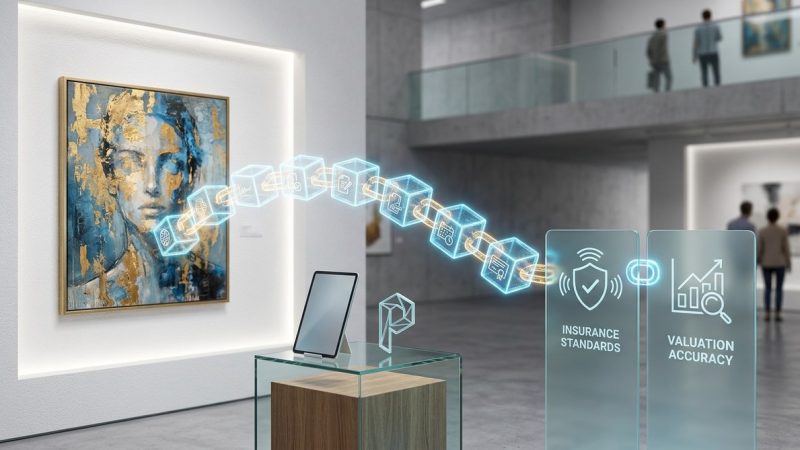
When you mint an NFT, you’re creating a unique digital certificate of authenticity for your artwork on a blockchain. Think of it like getting a certificate of authenticity from a traditional gallery, except this certificate is permanent, publicly verifiable, and can’t be forged or lost.
The blockchain acts as a public ledger that records who created the artwork, when it was created, and who owns it. Every time someone buys or sells your NFT, that transaction gets recorded too. This creates an unbreakable chain of provenance that follows your work forever.
For traditional artists, this means you’ll first need to create a high-quality digital version of your physical work. For digital artists, you’re already halfway there.
Preparing your artwork for the blockchain
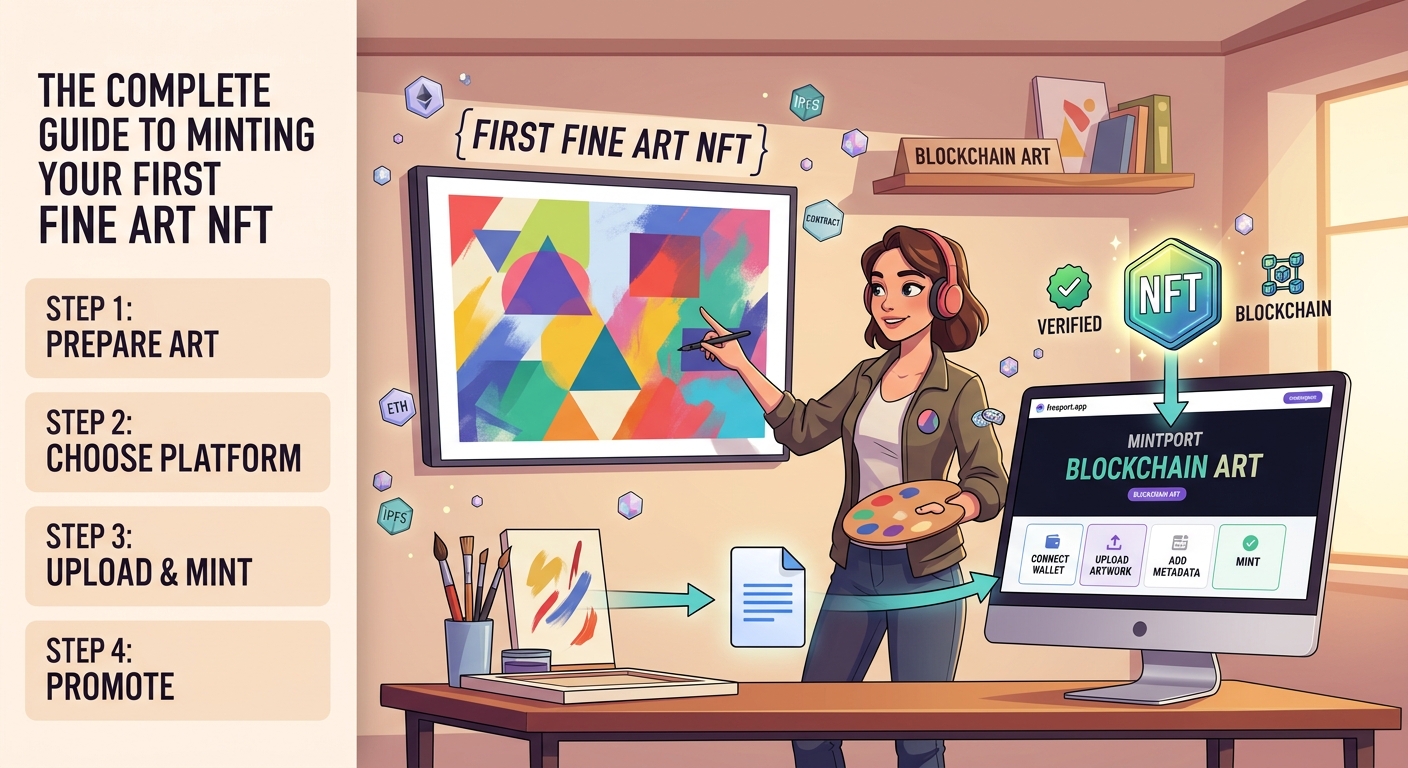
Before you can mint anything, your artwork needs to exist as a digital file. Here’s what works best for different art forms:
For painters and physical artists:
– Photograph your work in natural light or use professional scanning services
– Save files as high-resolution JPEGs (at least 3000 pixels on the longest side)
– Ensure colors match your original as closely as possible
– Consider offering both the physical piece and the NFT together
For digital artists:
– Export your work at the highest resolution your software allows
– PNG files work well for artwork with transparency
– MP4 or MOV formats suit video or animated pieces
– Keep file sizes under 100MB for most platforms
Most marketplaces accept JPEG, PNG, GIF, SVG, MP4, WEBM, MP3, WAV, OGG, and GLB files. The file format you choose depends on your medium and how you want collectors to experience your work.
Choosing the right blockchain for your art
Not all blockchains are created equal when it comes to fine art. Each has different costs, environmental impacts, and collector communities. Here’s how the major options compare:
| Blockchain | Average Minting Cost | Energy Use | Best For |
|---|---|---|---|
| Ethereum | $20-$100 | Low (post-merge) | Established artists, high-value work |
| Tezos | $0.50-$2 | Very low | Eco-conscious artists, affordable minting |
| Polygon | $0.01-$1 | Very low | New artists, experimental work |
| Base | $1-$5 | Low | Artists wanting Coinbase integration |
Ethereum remains the gold standard for serious collectors and high-value art sales. The network processed its “merge” in 2022, reducing energy consumption by over 99%. Most blue-chip NFT collections live here, and understanding how smart contracts work on Ethereum helps you grasp why collectors trust this blockchain.
Tezos has become popular with fine artists who prioritize sustainability. The platform uses proof-of-stake from day one, and platforms like fxhash and Objkt have cultivated strong fine art communities.
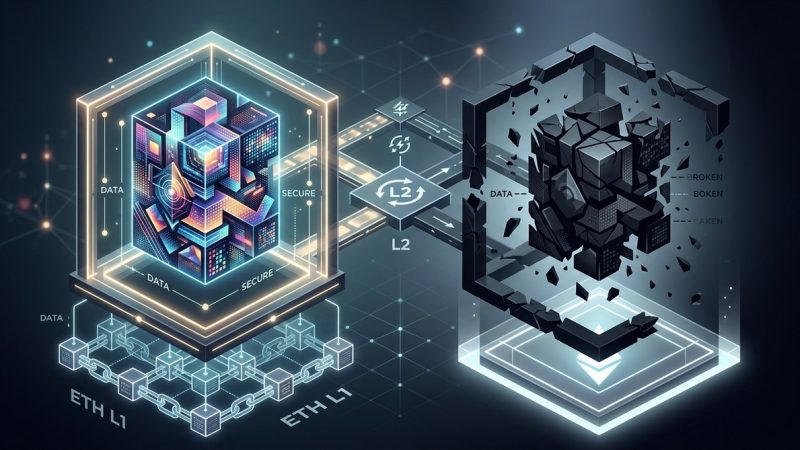
Polygon offers a layer-2 solution built on Ethereum, meaning lower fees while still benefiting from Ethereum’s security. It’s perfect for artists testing the waters or minting series of works.
Setting up your cryptocurrency wallet
Your crypto wallet serves as both your identity and your bank account in the NFT world. Without one, you can’t mint or sell anything.
-
Choose a wallet provider. MetaMask is the most widely supported option and works as a browser extension. Rainbow and Coinbase Wallet offer mobile-friendly alternatives.
-
Download and install the wallet. Follow the provider’s setup instructions carefully. You’ll create a password for everyday access.
-
Save your recovery phrase. This 12 or 24-word phrase is the master key to your wallet. Write it on paper and store it somewhere safe. Never save it digitally or share it with anyone. If you lose this phrase and forget your password, your wallet and everything in it becomes permanently inaccessible.
-
Fund your wallet with cryptocurrency. You’ll need some crypto to pay minting fees (called gas fees). Buy Ethereum, Tezos, or Polygon’s MATIC depending on which blockchain you chose. Most wallets let you buy crypto directly with a credit card, or you can purchase from exchanges like Coinbase and transfer it to your wallet.
Start with $50 to $100 worth of crypto. This covers minting costs and gives you room to experiment.
Selecting the right NFT marketplace
Different marketplaces cater to different types of art and artists. Your choice affects who sees your work and how much you’ll pay in fees.
Foundation curates its artists and focuses on high-quality fine art. You need an invitation from an existing artist to join, which creates a selective community but limits accessibility.
SuperRare also curates its roster and positions itself as the fine art destination of the NFT world. The application process is competitive, but acceptance carries prestige.
OpenSea accepts anyone and supports multiple blockchains. It’s the largest marketplace by volume but can feel overwhelming for fine artists trying to stand out among millions of listings.
Objkt and fxhash serve the Tezos ecosystem and have strong fine art communities. Lower barriers to entry make them excellent starting points for traditional artists.
Manifold lets you create your own smart contract, giving you more control and ownership over your work. This appeals to artists thinking long-term about what happens when platforms shut down.
Consider starting with a platform that matches your current collector base. If you already sell work for thousands of dollars, Foundation or SuperRare make sense. If you’re building an audience, Objkt or OpenSea offer more accessible entry points.
“The marketplace you choose becomes part of your artwork’s story. Collectors look at where a piece was minted as a signal of quality and intent. Choose platforms whose values align with how you want your practice to be perceived.” — Artist and educator Sarah Friend
The step-by-step minting process
Once you’ve prepared your artwork, chosen a blockchain, set up your wallet, and selected a marketplace, you’re ready to mint. Here’s exactly what happens:
-
Connect your wallet to the marketplace. Click the “Connect Wallet” button on your chosen platform. A popup will ask you to approve the connection. This doesn’t cost anything or give the platform access to your funds.
-
Navigate to the creation page. Look for buttons labeled “Create,” “Mint,” or “Upload.” Each platform uses slightly different language, but the function is the same.
-
Upload your artwork file. Drag and drop or select your prepared digital file. The platform will process and store it, usually on IPFS (InterPlanetary File System), a decentralized storage network.
-
Add your metadata. This includes your artwork’s title, description, and properties. Be thorough here. Your description helps collectors understand your work and improves discoverability through search.
-
Set your royalty percentage. Most platforms let you earn royalties on secondary sales (when collectors resell your work). Standard rates range from 5% to 10%. This means every time your NFT changes hands in the future, you automatically receive a percentage.
-
Choose your sale format. You can list your work at a fixed price, start an auction, or mint it without listing (keeping it in your wallet to sell later).
-
Review and confirm. Double-check everything. Once minted, you can’t change the artwork file or most metadata fields.
-
Pay the gas fee. Your wallet will pop up asking you to approve the transaction and pay the network fee. Gas fees fluctuate based on network congestion. On Ethereum, weekends and late nights (US time) typically offer lower fees.
-
Wait for confirmation. The blockchain needs to process your transaction. This takes anywhere from a few seconds on Tezos to several minutes on Ethereum. Once confirmed, your NFT exists permanently on the blockchain.
The entire process usually takes 30 minutes to two hours for your first attempt. Subsequent mints go faster as you become familiar with the workflow.
Common mistakes that cost artists money
New artists often stumble over the same issues. Avoiding these saves you time, money, and frustration:
-
Minting during high gas periods. Gas fees on Ethereum can swing from $5 to $200 for the same transaction. Check current gas prices at etherscan.io before minting. Wait for lower periods if you’re not in a rush.
-
Uploading low-resolution files. Collectors expect high-quality images, especially for fine art. A pixelated JPEG undermines the value of your work.
-
Writing minimal descriptions. Your metadata tells your artwork’s story. Include your artistic intent, medium (if digitizing physical work), dimensions, and any relevant context. This information becomes permanently attached to your NFT.
-
Ignoring the preview image. Most platforms let you set a cover image or thumbnail. This is what appears in marketplace grids. Make sure it represents your work well.
-
Minting on multiple platforms. Creating the same artwork as NFTs on different marketplaces confuses collectors and dilutes scarcity. Pick one platform per piece.
-
Forgetting about taxes. In most countries, selling NFTs creates taxable income. Keep records of your minting costs, sales, and transfers. Consult a tax professional familiar with cryptocurrency.
Building your presence after minting
Minting your NFT is just the beginning. The blockchain doesn’t market your work for you. Most successful NFT artists spend as much time building community as creating art.
Start by sharing your minting journey on social media. Collectors want to know the artist behind the work. Document your process, explain why you chose to mint on blockchain, and share what the technology means for your practice.
Join communities where your chosen blockchain’s collectors gather. For Ethereum, that’s often Twitter and Discord. Tezos artists find community on Twitter and Mastodon. Engage genuinely rather than just promoting your work.
Consider how your NFT practice fits into your broader artistic career. Some artists treat NFTs as digital certificates for physical works, selling them as pairs. Others create blockchain-native work that only exists digitally. Looking at how established blockchain artists approach their practice can inspire your own strategy.
Think about series versus one-of-ones. Single edition works (one-of-ones) command higher prices but sell less frequently. Editions of 10, 25, or 100 make your work accessible to more collectors at lower price points. Many artists do both.
Understanding smart contracts and royalties
When you mint an NFT, you’re actually creating a smart contract on the blockchain. This contract contains rules about your artwork: who owns it, whether it can be transferred, and what happens when it sells.
The revolutionary part for artists is programmable royalties. Traditional art markets offer no mechanism for artists to benefit from secondary sales. If you sell a painting for $1,000 and the buyer later sells it for $100,000, you see none of that increase in value.
NFT smart contracts change this. Smart contracts can automatically pay you royalties every time your work resells. Set a 10% royalty, and you receive $10,000 from that $100,000 resale, automatically.
There’s a catch: royalties only work when trades happen on platforms that honor them. Some newer marketplaces have made royalties optional, sparking debate in the artist community. When choosing where to mint, research the platform’s stance on creator royalties.
Pricing your first NFT
Pricing feels paralyzing for most artists. Too high and no one buys. Too low and you undervalue your work.
Start by researching comparable artists. Look for artists with similar experience levels, mediums, and audience sizes. What are they charging? What’s actually selling versus sitting unsold?
Consider your existing market if you have one. If your physical paintings sell for $2,000, pricing your NFTs at $50 seems inconsistent. But if you’re new to selling art entirely, starting at $100 to $500 for one-of-ones makes sense.
Remember that collectors need cryptocurrency to buy your work. This adds friction compared to traditional sales. Price accordingly, especially when starting out.
Many artists price their first few pieces lower to build a collector base, then gradually increase prices as demand grows. This strategy prioritizes getting work into collections over maximizing immediate profit.
Technical considerations for long-term preservation
Unlike physical art that can be restored, NFTs depend on the files they point to remaining accessible. Most marketplaces store your artwork on IPFS, a distributed network designed for permanence.
IPFS works differently than regular web hosting. Instead of storing files at a specific location (like a server), it distributes them across many computers and identifies them by content rather than location. This means your file can’t disappear if one company shuts down.
However, IPFS files need to be “pinned” (actively stored) by at least one node. Reputable marketplaces pin your files indefinitely, but understanding authentication and preservation of digital art helps you make informed decisions about where to mint.
Some artists use services like Arweave for permanent storage with a one-time fee. Others mint using Manifold or similar tools that give them direct control over their smart contracts and storage solutions.
Keep master files of all your minted work on multiple hard drives. The blockchain records ownership and metadata, but you remain responsible for preserving the actual artwork files.
Legal rights and intellectual property
Minting an NFT doesn’t automatically transfer copyright. Unless you explicitly state otherwise in your terms, you retain full copyright to your artwork. The NFT buyer owns the token and typically gains rights to display the specific piece, but you keep the right to create prints, license the image, or use it in other ways.
This confuses many collectors and artists. Be explicit about what rights transfer with your NFT. Some artists grant full commercial rights. Others limit buyers to personal display only. Include these terms in your NFT description or link to a rights document.
If you’re digitizing and minting physical artwork, clarify whether the NFT sale includes the physical piece. Some artists sell them together. Others keep the physical work and sell only the digital certificate. Both approaches work, but transparency prevents disputes.
Your next steps as a blockchain artist
You now understand the complete process of how to mint fine art NFT, from preparing files to understanding smart contracts. The technology might feel foreign at first, but thousands of traditional artists have successfully made this transition.
Start small. Mint one piece as a learning experience. Pay attention to how the process feels, what confuses you, and what excites you. The blockchain art world values experimentation and authenticity over perfection.
Connect with other artists making this journey. The NFT art community is remarkably welcoming to newcomers who engage genuinely. Ask questions, share your work, and support other artists.
Remember that blockchain technology is just a tool, like canvas or marble. Your artistic vision matters more than technical mastery. Focus on creating meaningful work, and the technology will serve that purpose.
The artists who thrive in this space treat NFTs as an extension of their existing practice rather than a completely separate endeavor. Your years of developing your craft, understanding composition, and building your unique voice translate directly to this new medium. The only difference is the final step of bringing your work onchain.