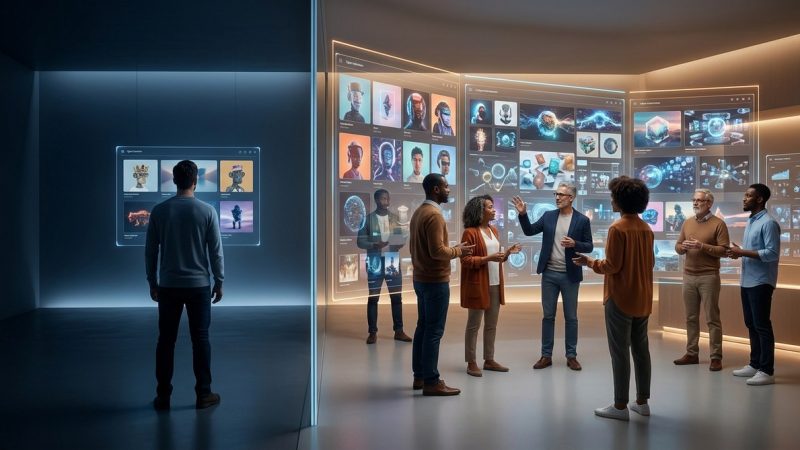
Should You Display Your Digital Collection in the Metaverse or Physical Galleries?
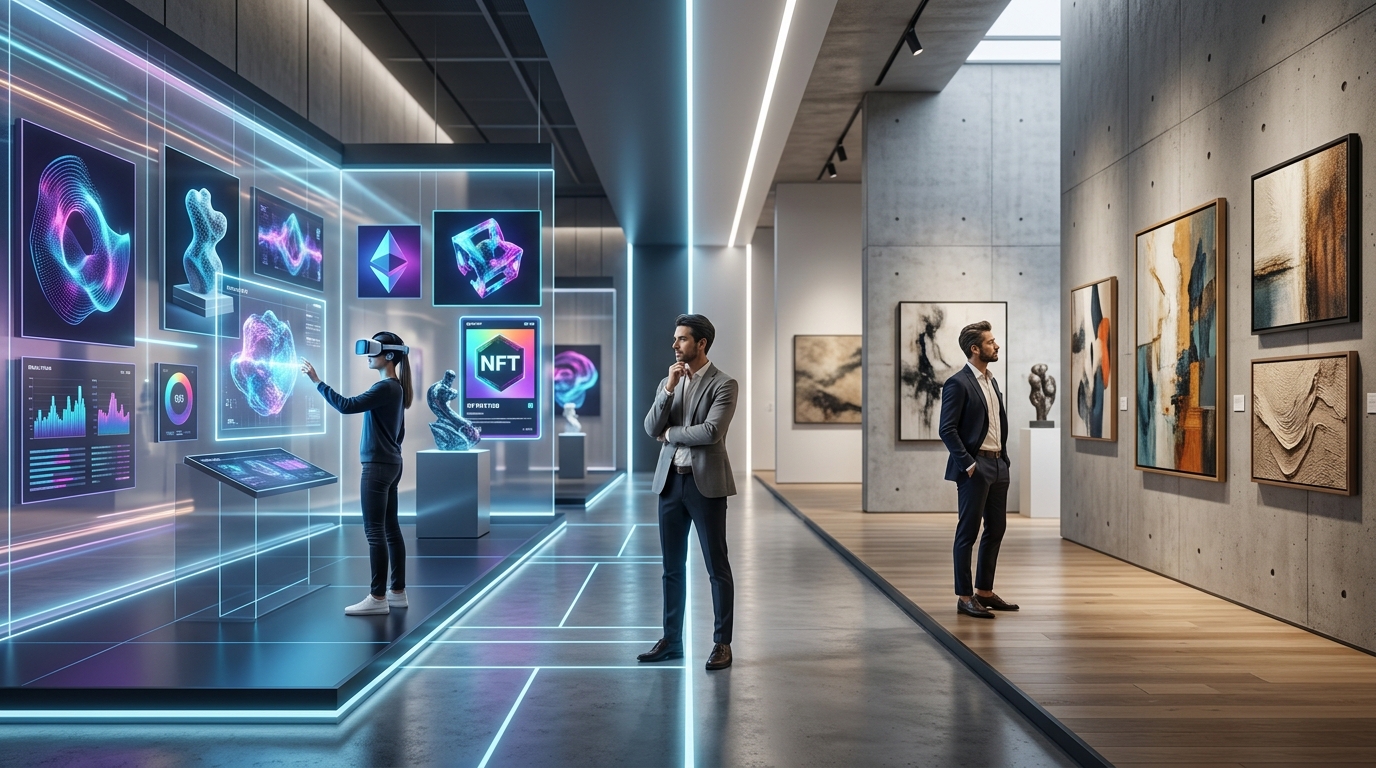
You’ve spent months building your digital art collection. Now you want to share it with the world. But should you hang screens in a brick-and-mortar gallery or build a virtual exhibition space in the metaverse?
The answer isn’t simple. Both venues offer distinct advantages, and your choice depends on your goals, budget, and audience. Some collectors are finding success with hybrid approaches, while others commit fully to one format. Let’s break down what each option really offers.
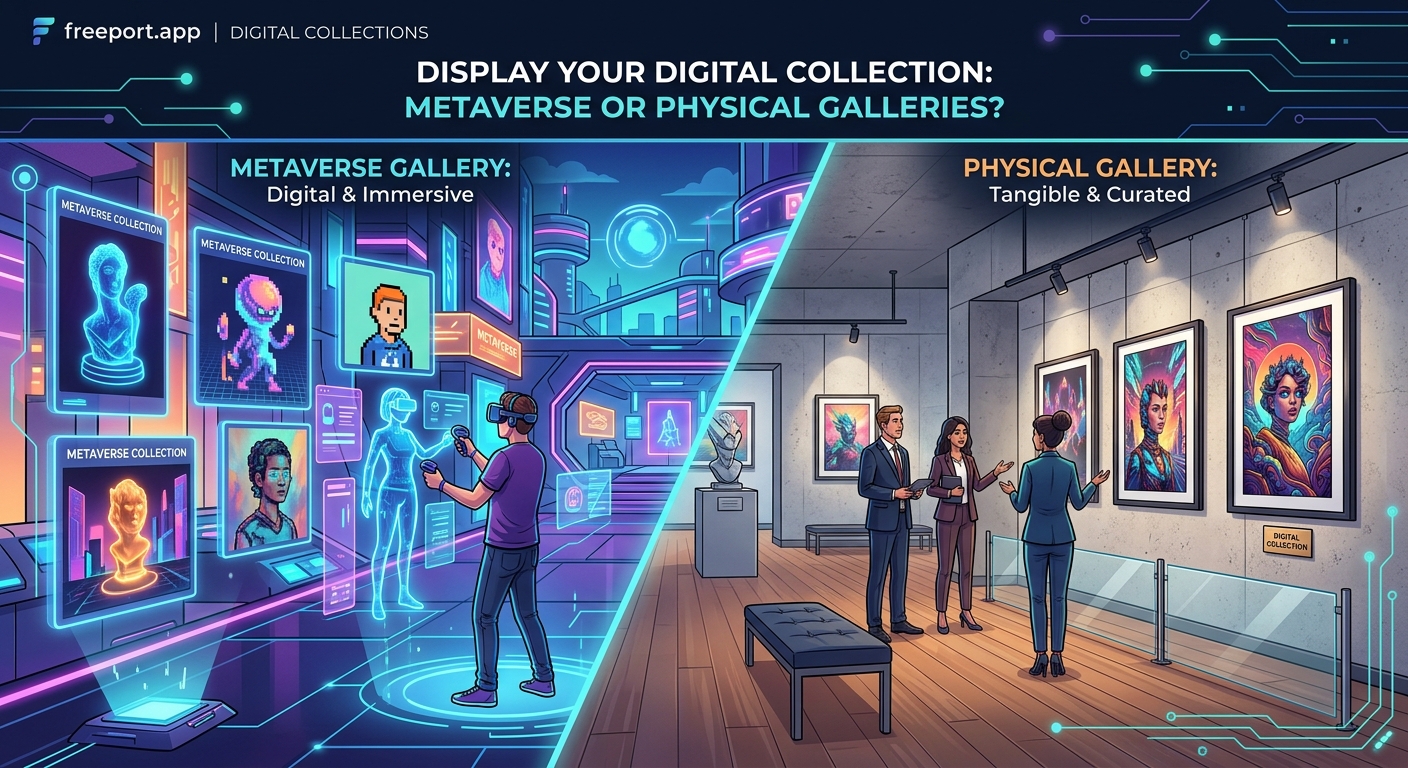
Metaverse galleries offer global reach and lower costs but require technical skills and face smaller current audiences. Physical galleries provide tangible experiences and established collector networks but demand higher budgets and geographic limitations. Most successful digital art exhibitions now combine both approaches, using physical shows for high-value pieces and metaverse spaces for broader accessibility and experimentation.
Understanding the physical gallery advantage
Physical galleries remain powerful venues for displaying digital art, despite what tech evangelists might tell you. Walking into a room with carefully lit screens creates an emotional impact that virtual spaces struggle to match.
The sensory experience matters. Visitors feel the scale of large-format displays. They hear the ambient sound design. They notice how other viewers react to the work. These social cues shape perception and value in ways that influence purchasing decisions.
Physical venues also attract serious collectors who prefer to evaluate art in person before making significant investments. Many high-net-worth individuals still feel more comfortable buying after seeing work displayed professionally in a trusted gallery space.
Location plays a crucial role too. Galleries in art districts benefit from foot traffic, nearby restaurants, and cultural events that draw audiences naturally. Opening receptions create networking opportunities that virtual events rarely replicate with the same effectiveness.
The credibility factor shouldn’t be ignored either. Established galleries lend legitimacy to emerging digital artists through their reputations and curatorial expertise. Getting accepted into a respected physical venue signals quality to collectors who might otherwise scroll past your work online.
What metaverse galleries bring to the table
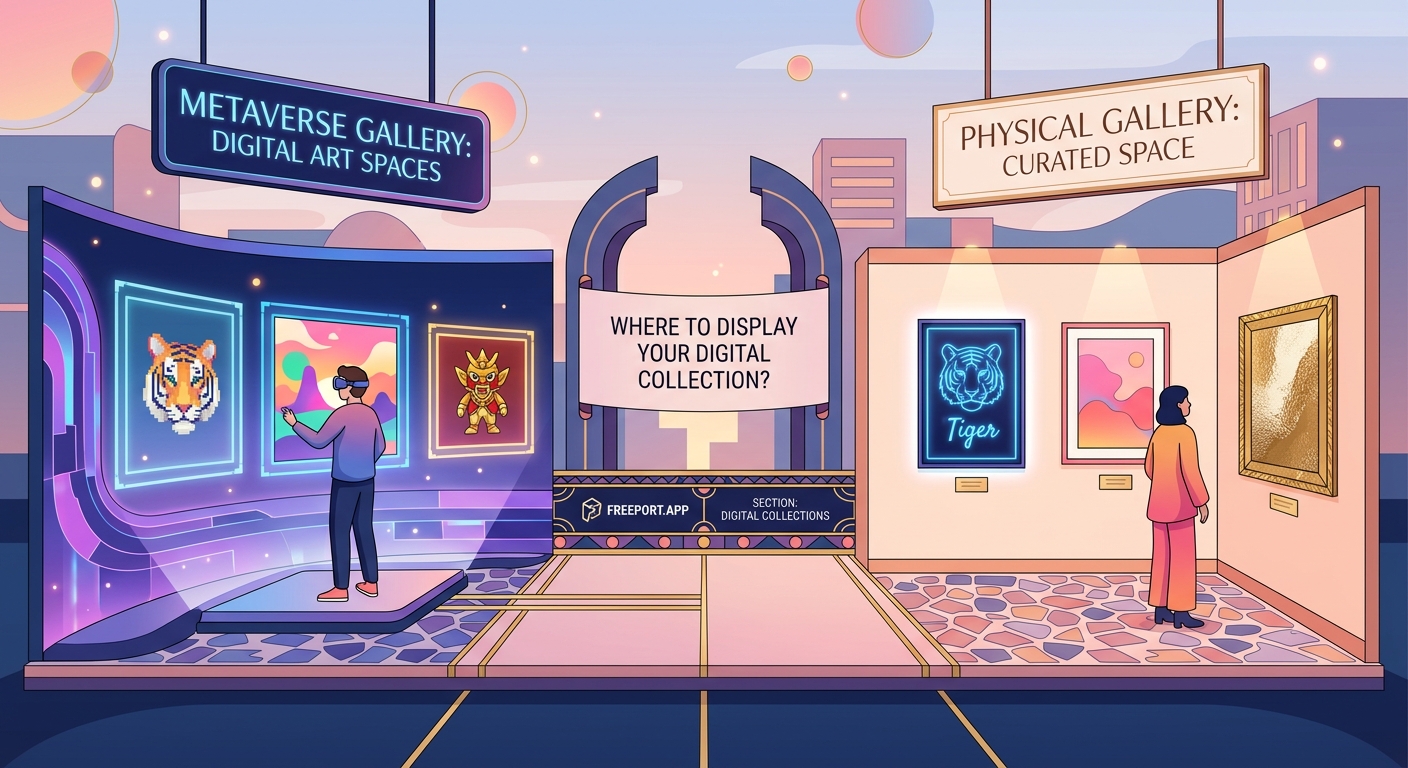
Virtual exhibition spaces solve several problems that plague physical venues. Geography disappears entirely. A collector in Tokyo can view your work at the same moment as someone in Toronto, without either person booking flights or hotels.
Cost structures shift dramatically in your favor. No rent payments. No insurance premiums for physical security. No shipping expenses for moving valuable display equipment between locations. You pay for platform access and possibly 3D modeling services, but these expenses pale compared to traditional gallery overhead.
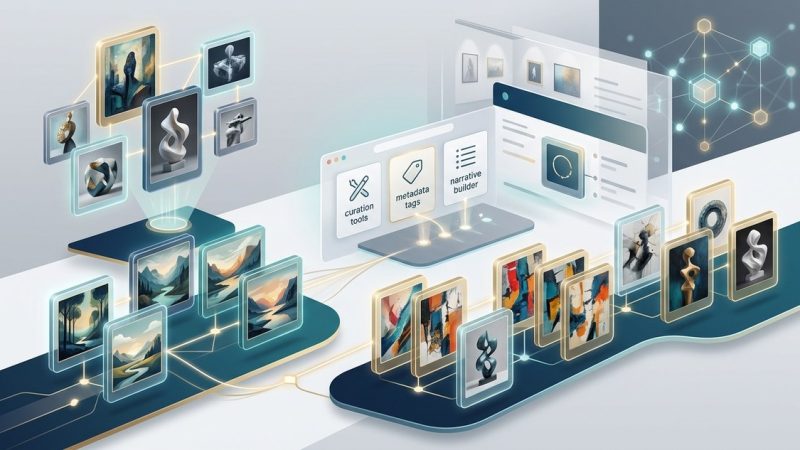
Metaverse spaces also enable exhibition formats impossible in physical reality. Artworks can float, rotate, or transform based on viewer interaction. You can display hundreds of pieces simultaneously without worrying about wall space. Collections can be reorganized instantly based on themes, colors, or chronology.
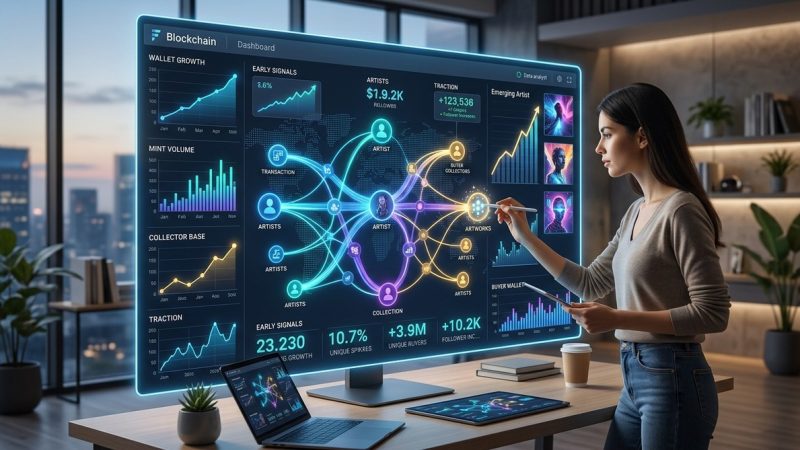
The data advantage proves valuable for artists and curators. Virtual galleries track exactly which pieces attract attention, how long viewers spend with each work, and which navigation paths people follow through your exhibition. This information helps refine future shows and understand audience preferences.
Accessibility expands beyond geography too. People with mobility challenges can experience your exhibition without navigating stairs or crowded spaces. Time zones become irrelevant when your gallery never closes. Parents with young children can visit during naptime instead of arranging childcare.
Breaking down the real costs
Let’s talk numbers. Physical gallery exhibitions typically require substantial upfront investment before a single visitor walks through the door.
| Expense Category | Physical Gallery | Metaverse Gallery |
|---|---|---|
| Venue rental | $2,000-$15,000/month | $0-$500/month platform fee |
| Display hardware | $5,000-$50,000 | $0-$2,000 for optimization |
| Insurance | $1,000-$5,000/show | Minimal to none |
| Marketing materials | $500-$3,000 | $200-$1,000 |
| Opening event | $1,500-$8,000 | $0-$500 |
| Staff/security | $2,000-$10,000 | $0 |
These figures vary wildly based on location and scale. A solo show in a small gallery costs far less than a major exhibition in a metropolitan art district. But the pattern holds: physical venues demand significantly higher cash outlays.
Metaverse costs concentrate in different areas. You might need to hire a 3D designer to create your virtual space unless you have modeling skills yourself. Some platforms charge transaction fees on sales. Building an audience requires marketing investment, though social media promotion costs roughly the same regardless of venue type.
Time investment differs too. Physical installations require days of on-site work hanging displays, adjusting lighting, and troubleshooting technical issues. Virtual galleries need hours of digital setup but allow you to work from anywhere at any time.
Technical requirements you can’t ignore
Displaying digital art in physical spaces demands specific hardware considerations. Screen quality matters enormously. Cheap displays introduce color banding, motion artifacts, and viewing angle problems that diminish your work.
You’ll need to think about:
- Color calibration across multiple displays
- Ambient light control to prevent screen glare
- Power management and cable concealment
- Backup systems in case of hardware failure
- File format optimization for display resolution
Physical venues also require you to consider how artwork loops or transitions between pieces. Visitors won’t wait five minutes for a generative piece to complete its cycle. You need to design exhibition timing that accommodates casual viewers while still showcasing your work properly.
Metaverse galleries introduce different technical challenges. Platform compatibility varies widely. What looks stunning in Spatial might render poorly in Decentraland. You need to test your exhibition across different devices since visitors might view your space on everything from high-end VR headsets to mobile phones.
File size optimization becomes critical. Large texture files and complex 3D models cause lag that frustrates visitors and makes your exhibition feel unprofessional. Compression techniques help, but you’ll need to balance quality against performance.
Understanding how smart contracts are revolutionizing art ownership and provenance becomes essential if you plan to sell directly from your metaverse gallery. Integration between your exhibition space and blockchain marketplaces requires technical setup that physical galleries handle through traditional payment processing.
Audience reach and engagement patterns
Physical galleries draw local and regional audiences primarily. Even renowned institutions struggle to attract international visitors for anything except major retrospectives or blockbuster shows. Your exhibition competes with every other cultural activity happening in your city on any given weekend.
Attendance numbers reflect this reality. A successful small gallery show might attract 200-500 visitors over a month-long run. Exceptional exhibitions in major cities can draw thousands, but these outcomes require significant marketing budgets and curatorial reputation.
Metaverse galleries theoretically offer unlimited reach, but actual visitor numbers tell a more complex story. Most virtual exhibitions attract modest audiences unless backed by substantial social media promotion or tied to already-popular NFT collections. The metaverse population remains relatively small compared to the broader art market.
Engagement depth varies between formats. Physical gallery visitors typically spend 15-45 minutes in an exhibition, viewing pieces for seconds or minutes each. Metaverse visitors often spend less time overall but might return multiple times since access costs nothing beyond their initial platform setup.
The collector demographics differ too. Physical galleries attract older, wealthier buyers who prefer traditional purchasing experiences. Metaverse spaces draw younger, tech-savvy collectors comfortable with cryptocurrency transactions and digital ownership concepts. Neither audience is inherently better, but understanding who you’re trying to reach shapes your venue choice.
Setting up your first exhibition in each format
Physical gallery exhibitions follow established processes, though they still require careful planning.
- Research galleries that show digital art in your target market and study their exhibition calendars to understand programming patterns.
- Prepare a professional proposal including artist statement, work samples, technical requirements, and exhibition concept that demonstrates you understand their space and audience.
- Submit your proposal well in advance since most galleries book 6-12 months ahead for solo shows.
- Once accepted, work with gallery staff to plan installation logistics, including hardware specifications, electrical requirements, and display configurations.
- Create marketing materials in collaboration with the gallery, coordinating social media promotion, press releases, and opening event details.
- Install your exhibition during the scheduled setup period, testing all technical elements and making adjustments based on how work appears in the actual space.
- Attend the opening reception and subsequent gallery hours when possible to engage directly with visitors and potential collectors.
Metaverse exhibitions require different preparation steps but follow a logical sequence too.
- Choose a metaverse platform based on your technical skills, target audience, and budget constraints after testing several options.
- Design your virtual gallery space either by learning the platform’s building tools or hiring a 3D designer familiar with that specific environment.
- Optimize your digital artworks for the platform’s technical specifications, compressing files while maintaining visual quality.
- Upload and position your pieces within the virtual space, testing how they appear from different viewing angles and distances.
- Set up any interactive elements, sales integration, or special features that enhance the visitor experience.
- Promote your exhibition through social media, digital art communities, and platform-specific discovery features to build awareness.
- Host a virtual opening event if desired, using voice chat or video integration to create real-time interaction with visitors.
Both processes benefit from starting small. Your first physical show might be a group exhibition or a brief pop-up rather than a month-long solo show. Your initial metaverse gallery could showcase 10-15 pieces instead of your entire collection.
Common mistakes that undermine both venue types
Physical exhibitions fail when artists underestimate technical complexity. Screens that look fine in your studio might wash out under gallery lighting. Video files that play smoothly on your computer might stutter on gallery hardware. Audio that seems subtle at home might be inaudible in a large room.
Poor planning around visitor flow creates problems too. If people can’t figure out where to start or what order to view pieces, they leave frustrated. Inadequate labeling leaves viewers confused about what they’re seeing, especially if your work includes generative or interactive elements.
Metaverse exhibitions suffer from different issues. The biggest mistake is building a beautiful space but failing to drive traffic to it. Virtual galleries don’t benefit from foot traffic. Every visitor must intentionally seek out your exhibition, which requires sustained marketing effort.
Technical optimization failures plague many virtual shows. Spaces that load slowly or perform poorly on mid-range hardware exclude large portions of your potential audience. Artwork that looks pixelated or glitchy suggests amateurism regardless of your actual skill level.
Both formats suffer when artists neglect documentation. Professional photography of physical installations becomes crucial for future promotion and archival purposes. Screen recordings and high-quality renders of metaverse spaces serve similar functions but require different capture techniques.
Focus on creating an exhibition experience rather than just displaying work. Whether physical or virtual, your venue should guide visitors through a thoughtful journey that builds understanding and emotional connection with your collection. The technical format matters less than the curatorial vision behind it.
Hybrid approaches that maximize both worlds
Smart collectors and artists increasingly reject the either-or framing of this debate. Hybrid strategies that combine physical and virtual elements often produce better results than committing exclusively to one format.
One effective approach uses physical exhibitions for flagship pieces while maintaining a permanent metaverse gallery for your full collection. The physical show creates buzz and attracts serious collectors. The virtual space provides ongoing access and serves as a portfolio that potential buyers can reference anytime.
Another model involves creating physical exhibitions that exist for limited runs, then recreating them virtually for extended access. Visitors who missed the physical show can still experience a curated version online. This approach works especially well for blockchain artists redefining contemporary digital art who want to preserve exhibition history.
Some galleries now offer simultaneous physical and virtual openings, allowing audiences to choose their preferred format. The physical event provides networking and social elements. The virtual version accommodates international audiences and people with scheduling conflicts. Both groups experience the same curatorial vision in their preferred medium.
Technology enables interesting crossovers too. Physical galleries can include QR codes that link to extended artist interviews, making-of videos, or additional works viewable on visitors’ phones. Metaverse galleries can offer exclusive access to collectors who purchased pieces from previous physical shows.
The key is thinking strategically about what each format does best. Use physical venues for work that benefits from scale, presence, or social context. Use virtual spaces for accessibility, experimentation, and maintaining ongoing collector relationships.
Platform and gallery selection criteria
Choosing the right physical gallery requires research beyond just finding spaces that show digital art. Look at their collector base and sales history. A gallery with strong photography collectors might struggle to sell generative art, even if they’re willing to exhibit it.
Consider the gallery’s technical capabilities too. Some spaces have excellent projection systems and sound equipment. Others barely manage to keep screens plugged in reliably. Visit in person before proposing an exhibition to evaluate whether their infrastructure matches your needs.
Gallery reputation affects your career trajectory. Showing at a respected institution opens doors to future opportunities. Exhibiting at a poorly regarded venue might actually harm your professional standing. Research how other artists describe their experiences working with any gallery you’re considering.
Metaverse platform selection involves different evaluation criteria. User base size matters, but engagement quality matters more. A platform with 10,000 active collectors beats one with 100,000 casual visitors who never buy art.
Technical capabilities vary dramatically between platforms. Some offer sophisticated building tools and interactive features. Others provide basic room templates with limited customization. Match the platform’s capabilities to your technical skills and exhibition vision.
Consider platform stability too. What happens to your blockchain art when the platform shuts down becomes a real concern in the metaverse world. Choose platforms with sustainable business models and track records of ongoing development.
Sales and collector relationships in different venues
Physical galleries typically handle sales through traditional art market processes. The gallery takes a commission, usually 40-50%, in exchange for providing the venue, marketing, and collector relationships. You receive payment after the sale completes and the work is delivered.
This model includes valuable services beyond just wall space. Established galleries maintain relationships with serious collectors who trust their curatorial judgment. They handle price negotiations, payment processing, and often assist with installation at the collector’s location.
Metaverse sales can work several ways. Some platforms facilitate direct artist-to-collector transactions with minimal fees. Others operate more like traditional galleries, taking commissions for promotion and curation. Smart contract integration allows for automated royalties and rights on secondary sales.
The collector relationship dynamics differ significantly. Physical gallery buyers often develop ongoing relationships with specific galleries, returning for new shows and recommendations. Metaverse collectors might follow individual artists directly, purchasing from them across multiple platforms.
Building trust works differently in each context too. Physical galleries leverage their reputation and the tangible experience of seeing work in person. Metaverse sales depend more on artist reputation, community engagement, and transparent transaction history visible on the blockchain.
Both formats benefit from clear communication about what collectors are actually purchasing. For physical displays of digital art, are they buying the display rights, the file, or both? For metaverse sales, what exactly does ownership include? Ambiguity here creates problems regardless of venue type.
Marketing strategies tailored to each format
Physical exhibition promotion relies heavily on local media, gallery mailing lists, and art world networks. Press releases go to art critics and culture writers in your city. Opening receptions get promoted through the gallery’s established collector base. Social media focuses on creating FOMO around a limited-time event.
Timing matters enormously for physical shows. Avoid major holidays, competing art events, and seasons when your target audience typically travels. Thursday evening openings work better than Monday afternoons for attracting working professionals.
Partnerships with local businesses can expand your reach. Coffee shops might display postcards for your show. Restaurants near the gallery might offer opening night discounts. Cultural organizations might include your exhibition in their event calendars.
Metaverse exhibition marketing lives almost entirely online but requires sustained effort rather than event-focused campaigns. Building anticipation works differently when your show doesn’t have a single opening night. You need to create ongoing reasons for people to visit and revisit your virtual space.
Community engagement proves crucial for virtual exhibitions. Participating in Discord servers, Twitter Spaces, and platform-specific social features helps build awareness. Collaborating with other digital artists on cross-promotion expands your reach to their audiences.
Consider how to build a valuable digital art collection from scratch from your audience’s perspective. Your marketing should educate potential collectors about why your work matters, not just announce that an exhibition exists.
Making your decision based on real goals
Your exhibition goals should drive your venue choice more than abstract preferences about physical versus digital spaces. Get specific about what you’re trying to accomplish.
If you want to establish credibility with traditional art institutions, physical gallery exhibitions carry more weight currently. Museum curators and established collectors still view physical shows as more legitimate, even for digital art. This perception is changing, but it remains influential in 2026.
If you want to maximize audience reach while minimizing costs, metaverse galleries make more sense. You can show work to global audiences without the financial barriers that physical venues impose. This matters especially for emerging artists building initial audiences.
If sales are your primary goal, research where your target collectors actually spend time. High-value NFT collectors increasingly browse metaverse galleries. Traditional digital art collectors might prefer seeing work on screens in physical spaces. Different collector segments have different preferences.
If you’re experimenting with new formats or interactive elements, virtual spaces offer more flexibility. You can update exhibitions continuously, test different configurations, and gather data about what resonates with viewers. Physical shows lock you into decisions made weeks before opening.
If networking and relationship building matter most, physical events still excel. Face-to-face conversations at openings lead to opportunities that virtual interactions rarely match. The art world remains relationship-driven, and physical presence facilitates those connections.
Consider your own skills and interests too. If you love the social aspects of art exhibitions, physical shows align with your strengths. If you prefer technical problem-solving and data analysis, metaverse platforms might suit you better.
Where exhibition formats are heading
The distinction between physical and virtual exhibitions will likely blur further over the next few years. Augmented reality already allows physical galleries to overlay digital elements onto real spaces. This technology will become more sophisticated and accessible.
Physical galleries are investing in better display technology specifically for digital art. High-refresh-rate screens, improved color accuracy, and larger format displays make physical presentations more compelling. Some galleries now rival museum-quality installations in their technical capabilities.
Metaverse platforms continue improving too. Graphics quality increases as hardware advances. Social features become more sophisticated, creating better opportunities for real-time interaction. Integration with blockchain systems streamlines purchasing and ownership verification.
The institutions that succeed will likely embrace both formats strategically. From physical to digital galleries bridging traditional and blockchain art are already demonstrating how hybrid approaches can serve diverse audiences effectively.
Collector expectations are evolving alongside technology. Buyers increasingly expect to view work both physically and virtually before making significant purchases. Artists and galleries that accommodate both preferences will have competitive advantages.
Finding the right fit for your collection
Neither metaverse galleries nor physical venues inherently work better for displaying digital art. The right choice depends entirely on your specific circumstances, goals, and resources.
Start by honestly assessing your current situation. If you’re an emerging artist with limited budget but strong technical skills, metaverse galleries offer a lower barrier to entry. If you’ve built relationships with physical galleries and have collectors who prefer in-person viewing, lean into those existing strengths.
Test both formats when possible. A small physical pop-up exhibition costs less than a full gallery show but teaches you about the logistics involved. Creating a simple metaverse space on a free platform helps you understand virtual exhibition challenges without major investment.
Pay attention to how your specific work translates to each format. Some digital art genuinely looks better on large physical screens in controlled lighting. Other pieces benefit from the interactive possibilities that virtual spaces enable. Let the work itself guide your presentation choices.
Remember that your first exhibition in either format won’t be perfect. You’ll learn what works through experience. Both physical and virtual shows teach different lessons that improve your future exhibitions regardless of format.
The goal isn’t choosing the “correct” venue type. The goal is creating meaningful experiences that connect your work with audiences who appreciate it. Sometimes that happens in a gallery in Brooklyn. Sometimes it happens in a virtual space accessed from bedrooms around the world. Both paths can lead to success if you approach them thoughtfully.