Navigating the Future of Digital Art Investments in a Web3 World
Digital art investments Web3 are transforming how collectors, investors, and enthusiasts approach art ownership. The rise of blockchain technology and decentralized platforms is offering new ways to buy, sell, and showcase digital artworks. With an increasing number of artists and institutions embracing this shift, understanding how to navigate this landscape is crucial for maximizing value and protecting your assets. Whether you’re new to blockchain art or looking to refine your strategy, this guide will help you grasp the essentials and take confident steps forward.
Investing in digital art Web3 combines the power of blockchain with creative expression. Success requires understanding key technologies, platforms, and collection strategies to build a valuable, secure digital art portfolio in the evolving Web3 ecosystem.
Why Digital Art Investments Web3 Matter Right Now
The shift toward digital art investments Web3 is not just a trend. It is reshaping ownership, provenance, and the way artists connect with audiences. Blockchain technology ensures verifiable authenticity and scarcity, which are essential for establishing long-term value. As traditional galleries and museums explore blockchain collections, the market is gaining legitimacy and attracting institutional interest. This environment offers opportunities for collectors to diversify holdings and participate in new economic models driven by tokenization and decentralized platforms.
Navigating the Foundations of Blockchain-Based Digital Art
Before diving into collection strategies, grasp the core concepts that underpin digital art investments in Web3.
How Blockchain Technology Supports Digital Art
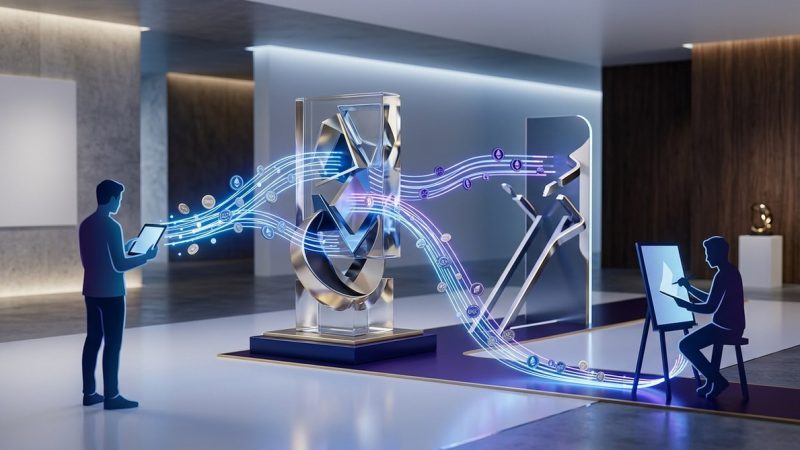
Blockchain serves as the backbone for digital art transactions. It creates a transparent, immutable record of ownership and provenance. This feature helps prevent forgery and disputes. Smart contracts automate royalties, ensuring artists receive ongoing compensation from secondary sales. Platforms like Ethereum, Solana, and Tezos host vast networks supporting digital art assets.
Understanding NFTs and Their Role
NFTs, or non-fungible tokens, are unique digital certificates linked to artworks. They act as proof of ownership and authenticity. Art collectors often acquire NFTs through marketplaces, which facilitate buying, selling, and trading. Many platforms, such as now integrate NFT standards to streamline transactions and enforce artist royalties.
Key Technologies for Secure Digital Art Storage
Storing high-value digital art securely requires understanding decentralized storage solutions. IPFS (InterPlanetary File System) and Arweave provide long-term, tamper-proof repositories for artwork files. Combining these with secure wallets and multi-factor authentication helps protect your collection from hacking and platform failures.
Practical Steps for Building a Web3 Digital Art Collection
Developing a successful digital art collection involves clear processes. Here are three steps to get started:
-
Research and Identify Promising Artists and Platforms
-
Follow emerging digital artists on social media and Web3 platforms. Sites like https://freeport.app/7-blockchain-artists-redefining-contemporary-digital-art-in-2026/ provide insights into rising talents.
-
Investigate marketplaces that support verified digital art, such as
-
Verify Authenticity and Provenance
-
Check the provenance using blockchain records. Confirm that the artwork’s history is transparent and unaltered.
-
Use tools like provenance trackers and blockchain explorers to validate ownership history.
-
Secure Your Digital Assets Properly
-
Store your NFTs in a reputable wallet with strong security measures. Hardware wallets or self-custody options are recommended for high-value holdings.
- Regularly update security protocols and backup wallet keys.
Additional Collection Strategies
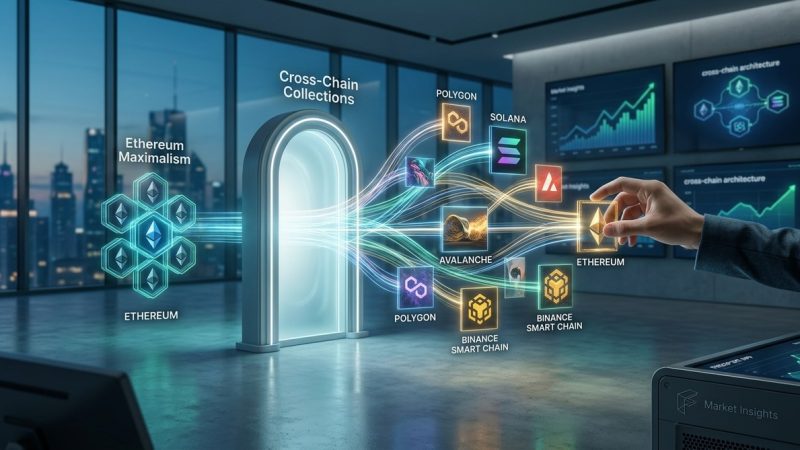
- Diversify across different blockchain networks to mitigate platform risks.
- Focus on artworks with clear provenance and artist reputation.
- Consider fractional ownership for high-cost pieces to spread risk and liquidity.
Recognizing Opportunities and Avoiding Pitfalls
While Web3 offers exciting prospects, it also presents risks. Here’s a comparison table to clarify techniques and common mistakes:
| Technique | What It Achieves | Common Mistake | Why It Matters |
|---|---|---|---|
| Verifying provenance | Ensures authenticity | Relying on unverified sources | Protects against fraud |
| Using secure wallets | Safeguards assets | Storing NFTs on insecure platforms | Prevents theft |
| Participating in reputable marketplaces | Facilitates trusted transactions | Falling for scams | Maintains collection integrity |
| Diversifying across multiple chains | Reduces risk exposure | Overconcentrating on one platform | Enhances long-term stability |
“The most successful collectors are those who combine diligent research with secure storage practices,” says blockchain art expert Jane Doe. Building your collection with care and vigilance greatly increases its potential for growth.
Key Challenges in Web3 Digital Art
- Platform shutdowns or migrations can threaten asset access.
- Gas fees and transaction costs may erode profits.
- Market volatility affects valuation and liquidity.
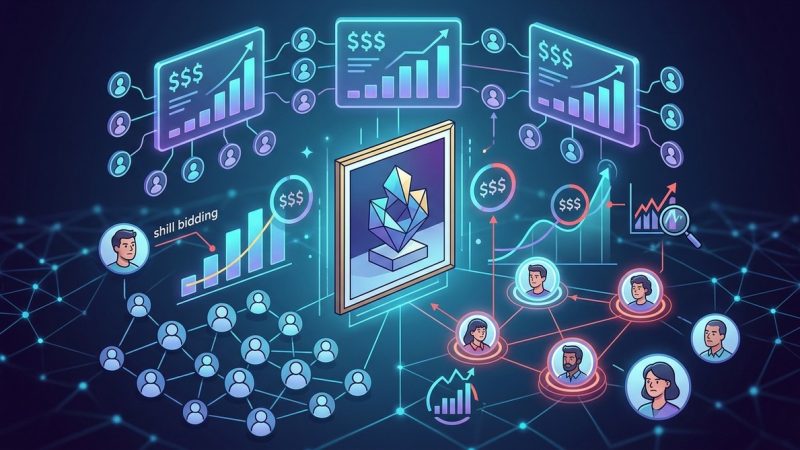
- Scams and fake listings remain a concern; always verify sources.
How to Grow Your Digital Art Portfolio in Web3
Success in digital art investments Web3 involves ongoing learning and strategic engagement. Here are three practical processes:
-
Stay Updated on Tech and Market Trends
-
Subscribe to industry newsletters and join communities. Platforms like https://freeport.app/how-smart-contracts-are-revolutionizing-royalties-for-digital-collectors-and-creators/ provide valuable insights.
-
Follow developments in blockchain standards, new marketplaces, and emerging artists.
-
Engage with Artist and Collector Networks
-
Attend virtual galleries, art fairs, and forums.
-
Participate in DAOs (Decentralized Autonomous Organizations) to connect with like-minded collectors and influence curation.
-
Monitor Market Metrics and Provenance Data
-
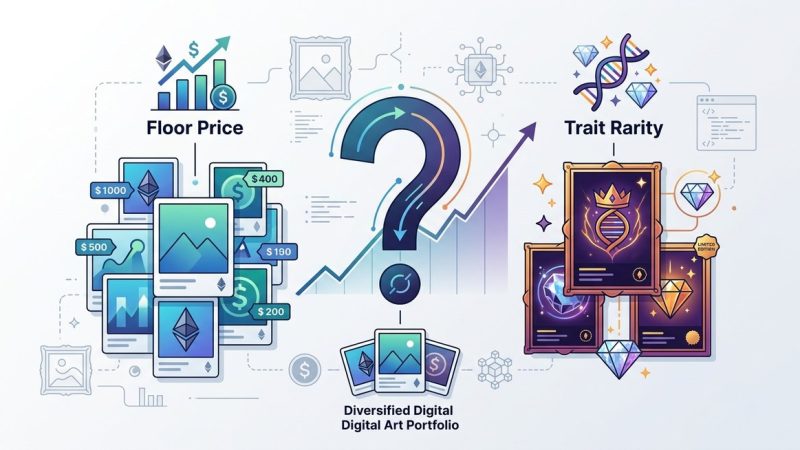
Use analytics tools to assess floor prices, trait rarity, and trading volume.
- Regularly review your collection’s performance and adjust holdings accordingly.
Practical Process Summary
- Research emerging artists and platforms.
- Verify authenticity and provenance.
- Secure assets with trusted wallets and storage.
Lessons from Long-Term Digital Art Investing
Patience and due diligence are vital. Building a valuable collection takes time, especially when understanding market trends and artist reputation. Focus on artworks with genuine provenance, strong community backing, and potential for appreciation. Remember that digital art investments Web3 are a marathon, not a sprint.
Final Thoughts on Thriving in Web3 Digital Art
Digital art investments Web3 open doors to new creative economies. With a strategic approach rooted in research, verification, and security, you can participate confidently in this dynamic space. Keep learning, stay vigilant about risks, and enjoy the journey of collecting in the blockchain era. Your future collection could become a digital masterpiece that appreciates in value and cultural significance.
Building Your Digital Art Future
Embracing the Web3 world requires curiosity and discipline. As technology advances, so will opportunities for innovative collecting and investment. By applying practical steps and maintaining a human-centered approach, you can forge a rewarding path in digital art. Remember that the most valuable asset you bring to this ecosystem is your knowledge and cautious optimism.
Happy collecting and creating in this exciting digital frontier!