Integrating Blockchain Analytics to Enhance Art Investment Strategies
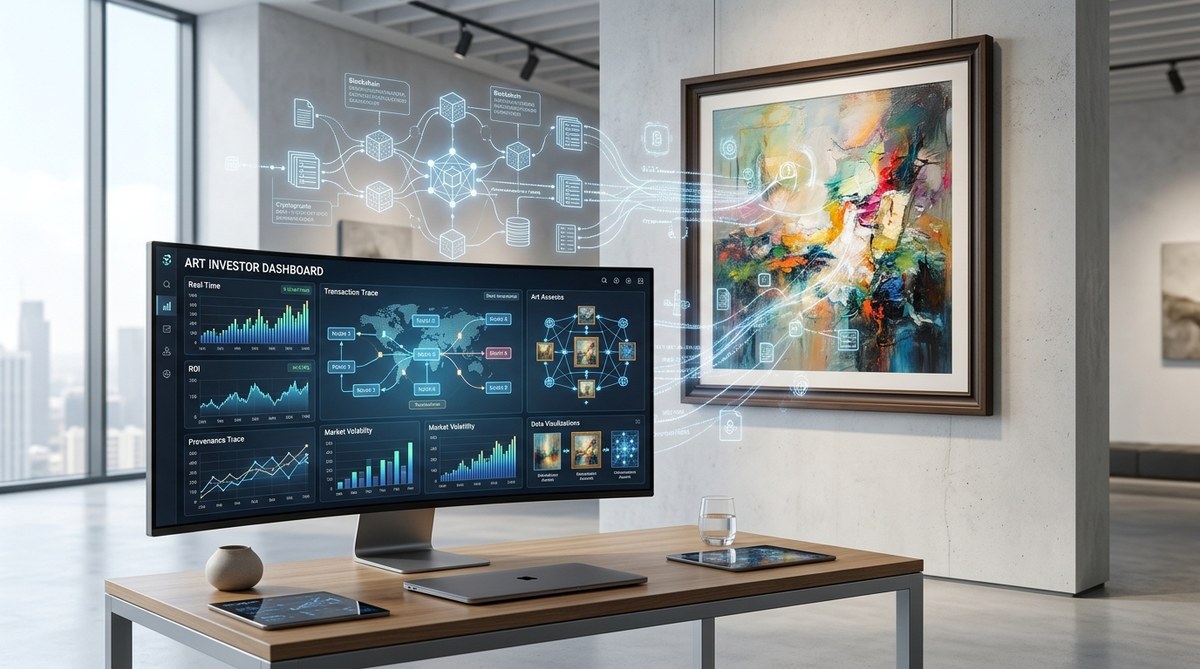
Art investment is shifting rapidly as blockchain technology becomes more intertwined with the art world. Collectors and investors now have access to tools that offer unprecedented insights into provenance, ownership, and market dynamics. Integrating blockchain analytics into your art investment strategy unlocks a new level of understanding that can help you make smarter, more informed decisions. This approach combines data science with the transparency of blockchain, giving you the advantage in a competitive market.
The power of blockchain analytics in art investing
Blockchain analytics involves examining blockchain data to uncover patterns, verify authenticity, and assess market trends. For art investors, this means gaining access to verified ownership histories, transaction data, and provenance records stored securely on the blockchain. Unlike traditional methods, blockchain analytics provides an immutable and transparent record of an artwork’s history, reducing the risk of fraud and enhancing confidence in your investments.
By leveraging these tools, investors can identify undervalued assets, predict market movements, and verify the authenticity of artworks before purchase. As blockchain technology matures, analytics platforms are becoming more sophisticated, offering detailed insights that were previously unavailable or difficult to obtain.
Practical steps to incorporate blockchain analytics into your art investment process
-
Identify reliable blockchain analytics platforms
Start by choosing platforms that specialize in art and digital assets. Look for services that offer provenance tracking, transaction monitoring, and market trend analysis. Platforms like provide in-depth tools to verify authenticity and ownership history. -
Gather comprehensive provenance data
Use blockchain analytics to trace artwork provenance from creation through ownership transfers. This helps verify authenticity and detect potential red flags such as suspicious ownership patterns or recent, unexplained transfers. Keep an eye on the transaction history, ownership timeline, and associated digital certificates. -
Analyze market activity and ownership patterns
Monitor transaction volumes, price fluctuations, and ownership changes over time. Recognize patterns that indicate rising interest or declining value. For example, a spike in transactions for a specific artist or style could signal a market turning point. These insights allow you to time your acquisitions more effectively.
Key techniques for harnessing blockchain data
- Provenance verification: Confirm the artwork’s history by analyzing blockchain records. This reduces the risk of buying stolen or counterfeit art.
- Ownership tracking: Follow ownership transfers to understand market liquidity and investor interest.
- Market trend analysis: Use transaction data to predict future price movements and identify emerging artists or styles.
- Fraud detection: Spot suspicious activity like rapid ownership changes or inconsistent transaction patterns that may hint at scams.
Common pitfalls and mistakes
| Technique | Mistake to avoid | Explanation |
|---|---|---|
| Provenance verification | Relying solely on digital certificates | Digital certificates can be manipulated; always cross-reference blockchain data with physical provenance when possible. |
| Market analysis | Ignoring market microstructure | Transaction volumes and timing can distort apparent trends; analyze micro-level data for accuracy. |
| Ownership tracking | Overlooking privacy features | Some blockchain platforms use privacy layers hiding transaction details; be aware of data limitations. |
| Fraud detection | Failing to verify digital identities | Ensure the digital wallets involved are linked to real entities before making investment decisions. |
“Blockchain analytics transforms how art investors verify authenticity and market trends. It shifts the game from guesswork to data-driven decisions.” — Jane Doe, digital art analyst
Practical processes for integrating analytics
Implementing blockchain analytics into your strategy can seem complex at first. Here is a straightforward approach:
- Set clear goals: Define what you want to achieve—whether it is verifying provenance, spotting undervalued artists, or understanding market liquidity.
- Select your tools: Use analytics platforms aligned with your goals, prioritizing those with user-friendly dashboards and comprehensive datasets.
- Analyze and act: Regularly review blockchain data, interpret insights, and adjust your acquisitions accordingly. Document your findings to refine your strategy.
Techniques and common mistakes in blockchain art analytics
| Technique | Mistake | Consequence |
|---|---|---|
| Cross-referencing data | Relying on a single source | Missing discrepancies or fraud indicators |
| Using real-time data | Ignoring historical trends | Misreading market signals |
| Verifying digital identities | Overlooking wallet ownership | Investing in assets linked to scams or malicious actors |
The future of art investing with blockchain analytics
As the integration of blockchain analytics deepens, the potential for smarter investing grows. Platforms are beginning to incorporate artificial intelligence to predict market shifts, while decentralized protocols enhance transparency further. For art investors, this means greater confidence and better risk management.
The rise of tokenized art and fractional ownership also benefits from analytics tools, which can assess the value of digital shares and monitor ownership distribution. This helps investors diversify their portfolios and participate in new market segments with confidence.
Final thoughts: embracing data-driven art investing
Integrating blockchain analytics into your art investment approach offers a significant edge. It provides clarity, reduces risk, and opens up new opportunities for discovering promising assets. Start by identifying trusted platforms and systematically analyzing provenance, ownership, and market data. Over time, these insights will help you develop a more strategic, confident approach to art investing.
Remember that technology is a tool to support your intuition and experience. Use data as a guide, but always combine it with physical inspections and expert opinions when possible. With these practices, you can build a resilient, informed art portfolio that stands out in today’s evolving market.
Navigating the new era of art investment
The landscape is changing fast. Blockchain analytics is no longer optional for serious investors. It’s a necessity to stay ahead. Incorporate these tools into your routine and stay curious about emerging developments. With a combination of data, due diligence, and a keen eye, you will find yourself making smarter, more confident choices. Embrace the shift and watch your art investments flourish.