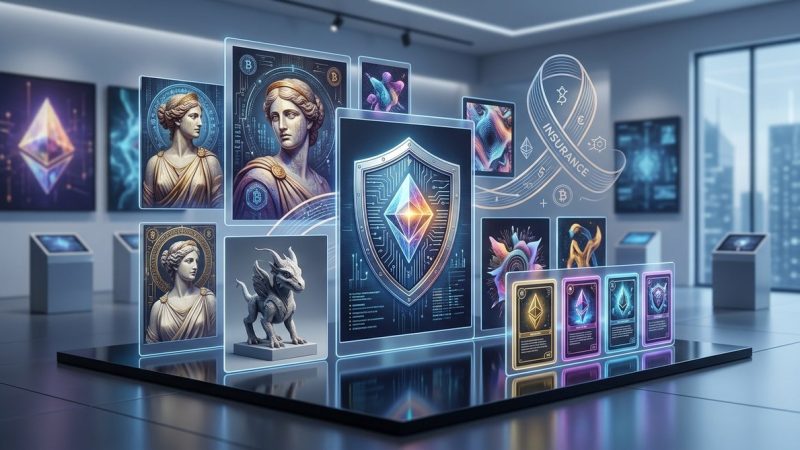
When Digital Art Meets Traditional Estate Planning: How to Pass Down Your Blockchain Collection
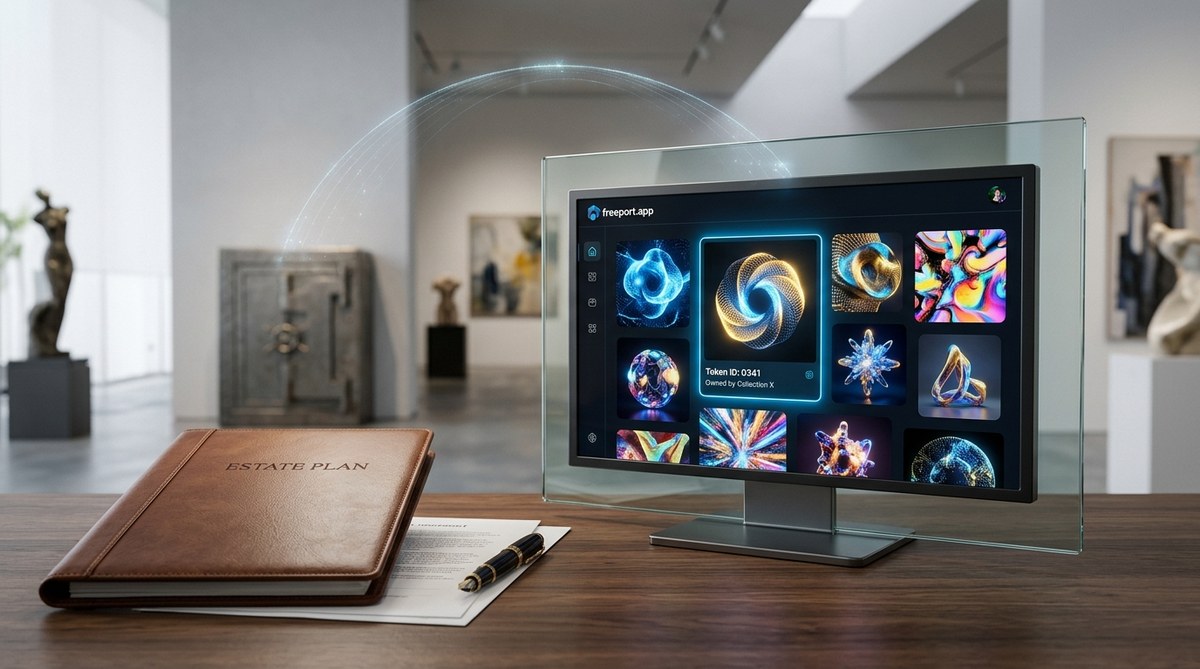
Your blockchain art collection is more than just a portfolio of jpegs. It is a carefully curated archive of culture, a set of smart contracts, and a collection of keys that unlock visual experiences. But what happens to those assets after you are gone?
The law is still catching up with the technology. Traditional estate planning tools like wills and trusts were designed for physical objects. They struggle to handle assets stored on a decentralized network. A signed piece of paper cannot move funds from a cold wallet. A probate judge cannot look up the private key to your generative art collection.
This guide will show you how to bridge that gap. You will learn practical steps to ensure your digital collection passes to your heirs without getting lost, locked, or accidentally burned.
Estate planning for blockchain art requires three layers: clear instructions for accessing private keys, a legally recognized will that names a digital executor, and a backup plan for platforms that may shut down. Without all three, your collection could become permanently inaccessible. Start by documenting every wallet and seed phrase, then consult an estate attorney who understands digital assets.
Why traditional estate planning falls short for digital art
Standard wills usually address tangible property like houses, cars, and bank accounts. They rarely mention non-fungible tokens, crypto wallets, or smart contract royalties. When a collector passes away without a specific plan, their digital assets face several risks.
First, the private keys may be lost forever. If no one knows the seed phrase or the wallet password, the art stays on the blockchain but no one can transfer it. It becomes a ghost asset.
Second, even if heirs find the keys, they may not know how to use them. A loved one might stumble upon a hardware wallet but have no idea what to do with it.
Third, platform dependencies can break the chain of custody. If the original marketplace goes offline or the IPFS gateway changes, the artwork may become unviewable. This is why experts recommend a plan that covers both the token and the ability to display it.
For more on platform risk, check out our guide on what happens to your blockchain art when the platform shuts down.
The three pillars of digital art inheritance
To pass down your blockchain collection successfully, you need three things working together.
1. A documented inventory
You cannot leave something to someone if they do not know it exists. Start by creating a complete inventory of your digital collection. Include the following for each piece:
- The name of the artwork and the artist
- The contract address and token ID
- The blockchain network (Ethereum, Solana, Tezos, etc.)
- The wallet address where it is currently held
- The platform or marketplace where it was purchased
- Any linked metadata or IPFS hash
Store this inventory in a secure but accessible location. A fireproof safe works. So does an encrypted document shared with your executor. Do not include your private keys in this inventory. Keep those separate.
2. A clear chain of custody for private keys
Your private keys are the only way to transfer ownership of your NFTs. Without them, your collection is stuck forever.
Here is a practical process to follow:
- Write down your seed phrase on paper using the standard BIP39 word list. Do not store it digitally.
- Split the phrase into two or three parts using a simple method like a multisignature wallet or a passphrase scheme.
- Store each part in a different location. One with your attorney, one in a safe deposit box, and one with a trusted family member.
- Name a digital executor in your will. This person should be comfortable with crypto and have instructions on how to reassemble the keys.
- Update this plan every time you move assets to a new wallet or blockchain.
3. Legal documents that reference digital assets
Your will and trust documents must explicitly mention your blockchain art collection. A generic clause about “digital assets” may not cover NFTs or crypto. Work with an estate attorney who has experience with digital property.
Include language that:
- Names your digital executor
- Grants them authority to access, transfer, or sell your digital collection
- Specifies whether you want the collection kept together or liquidated
- Addresses any tax implications for your heirs
The IRS treats NFTs as collectibles for tax purposes. That means your heirs may face a capital gains tax rate of up to 28 percent on appreciated assets. Planning ahead can reduce that burden.
Common mistakes collectors make with estate planning
Even experienced digital collectors slip up. Here are the most frequent errors and how to avoid them.
| Mistake | Why it is dangerous | How to fix it |
|---|---|---|
| Keeping keys only in a password manager | If the password manager account gets locked or the company fails, access is lost | Use a hardware wallet with a paper backup stored offline |
| Leaving no instructions for display | Heirs may receive the token but cannot view the art if the platform is gone | Store a high-resolution copy or include display instructions |
| Naming an executor who does not understand crypto | They may accidentally transfer assets to the wrong address or lose keys | Choose someone familiar with Web3 or provide detailed training |
| Forgetting about royalties and smart contracts | Ongoing royalty payments stop when the wallet is abandoned | Set up a forwarding mechanism or a smart contract that redirects funds |
“The biggest mistake I see is collectors treating their NFTs like screenshots. They assume their heirs will figure it out. But without explicit instructions, those assets are gone. Treat your seed phrase like the deed to a house. You would not leave that in a drawer without telling anyone.” – Sarah Chen, digital estate planning attorney
How to choose a digital executor
Your digital executor will have access to your entire collection. Choose wisely. This person needs to be trustworthy, technically capable, and willing to take on the responsibility.
Look for someone who:
- Understands how wallets and seed phrases work
- Can navigate blockchain explorers like Etherscan
- Knows how to transfer an NFT from one wallet to another
- Has the patience to handle a potentially large collection
If you do not have a family member or friend who fits this description, consider naming a professional executor or a crypto-native trust company. Some law firms now offer digital asset management as a service.
For more on building a collection that is easy to pass down, read our guide on how to build a valuable digital art collection from scratch in 2026.
What to include in your digital will
A digital will is not a separate document. It is a standard will that includes specific provisions for your online assets. Here is what to cover.
- A list of all wallets and exchanges with instructions for access
- The location of your seed phrase backups
- A list of all marketplaces where you hold accounts
- Instructions for any staked or locked tokens
- A plan for ongoing royalty streams from smart contracts
- Preferences for the collection: keep, sell, or donate
Be specific. Instead of saying “I leave my crypto to my daughter,” say “I leave the contents of wallet address 0x123… to my daughter Sarah, with instructions to contact attorney John Doe for the seed phrase.”
Storing your plan safely
Your estate plan is only useful if someone can find it. Store a physical copy in a safe deposit box or a home safe. Give a copy to your attorney and your digital executor. Consider using a service that specializes in digital inheritance, but always keep a paper backup.
Do not rely solely on cloud storage. If your email account gets deleted or your cloud provider shuts down, the plan disappears. Paper is permanent.
For more on keeping your assets safe, see the complete guide to storage and security for high-value digital assets.
Planning for platform shutdowns
Blockchain platforms come and go. Marketplaces close. IPFS gateways change. Smart contracts get deprecated. Your estate plan should account for these possibilities.
If a platform shuts down, your token still exists on the blockchain. But the artwork it points to may become inaccessible. To protect against this, store a local copy of each artwork in a standard format like PNG or MP4. Include instructions for how to verify that the local copy matches the on-chain version.
Some collectors also use decentralized storage solutions like Arweave or Filecoin to preserve the artwork itself. This adds a layer of redundancy that survives platform changes.
The role of smart contracts in inheritance
Smart contracts can both help and complicate inheritance. On the positive side, you can create a contract that automatically transfers tokens to a beneficiary upon a verified event, like a death certificate being submitted to an oracle. This is sometimes called a “digital inheritance contract.”
On the negative side, any ongoing royalties or revenue streams tied to your wallet will stop when the wallet goes cold. Plan for this by setting up a forwarding mechanism or by including the wallet in a trust that can receive and distribute funds.
Learn more about this in our article on how smart contracts are revolutionizing art ownership and provenance.
A checklist for passing down your collection
Use this list to make sure you have covered the essentials.
- Create a complete inventory of all digital artworks
- Document the location of every private key and seed phrase
- Name a digital executor in your will
- Write specific instructions for accessing and transferring assets
- Store a local copy of each artwork
- Update your plan when you acquire or sell pieces
- Review your plan annually with your attorney
Making your plan future-proof
The blockchain landscape changes fast. A plan that works today may fail in five years. New wallets, new networks, and new standards will emerge. Your estate plan needs to adapt.
Schedule a yearly review. Check that your seed phrases still work. Confirm that your executor is still willing to serve. Update your inventory to reflect new acquisitions and sales. If you move assets to a different blockchain, update your documentation.
Consider using a multisignature wallet for high-value pieces. This adds a layer of security and makes it easier to transfer ownership to multiple heirs.
For a broader view of the market, read about what institutional investors look for when acquiring digital art collections.
Your collection deserves a real legacy
Blockchain art is still new. The laws and tools for passing it down are still evolving. But that does not mean you should wait. Start today. Write down your inventory. Name your digital executor. Talk to an attorney who gets it.
Your collection represents time, money, and personal taste. It deserves a plan that protects it for the people you care about. Take the steps now, and your heirs will thank you later.