7 Red Flags Every Digital Collector Should Watch For Before Buying
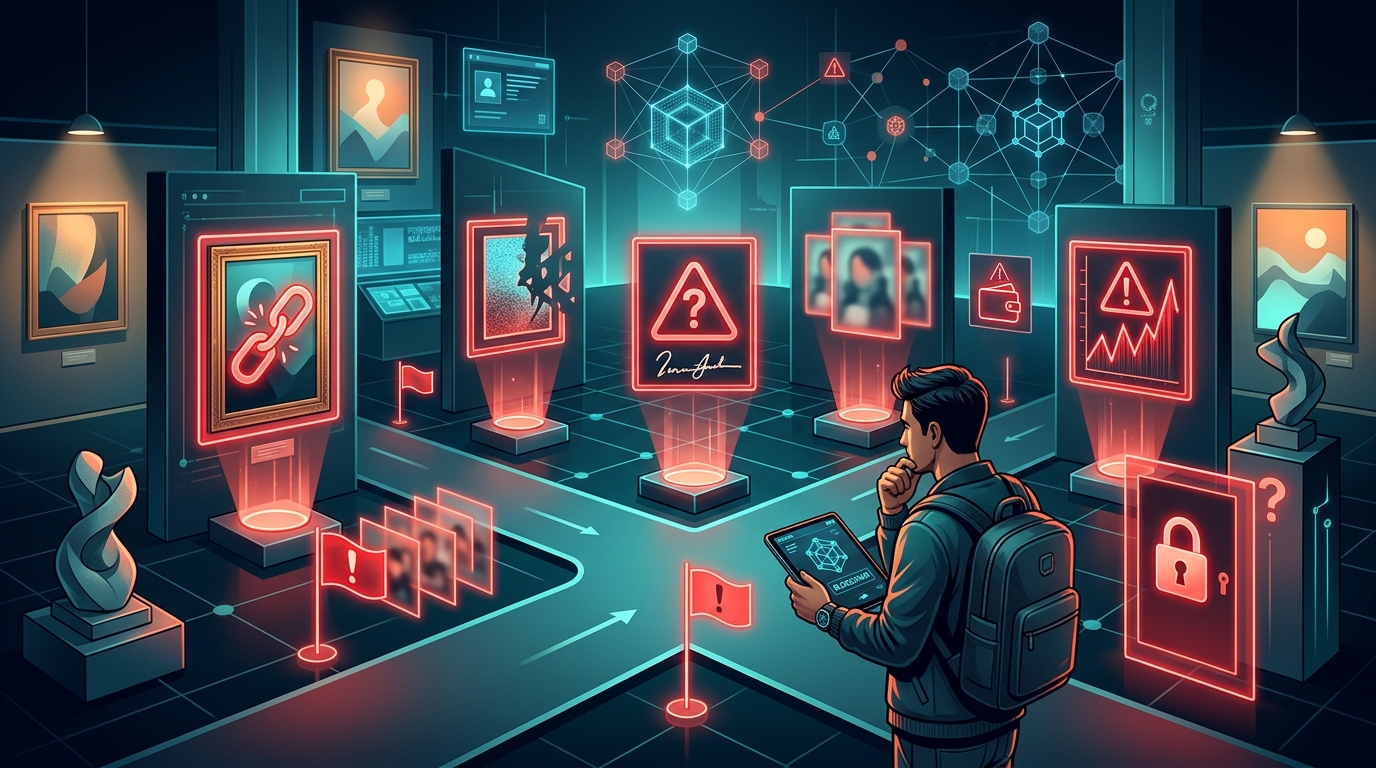
The watch market has moved online in a big way. Platforms like Chrono24, eBay, and Instagram have made it easier than ever to find that grail piece you’ve been hunting. But convenience comes with risk. Counterfeit watches have become incredibly sophisticated, and scammers have refined their tactics to separate collectors from their money. Knowing what to watch for can save you thousands of dollars and countless headaches.
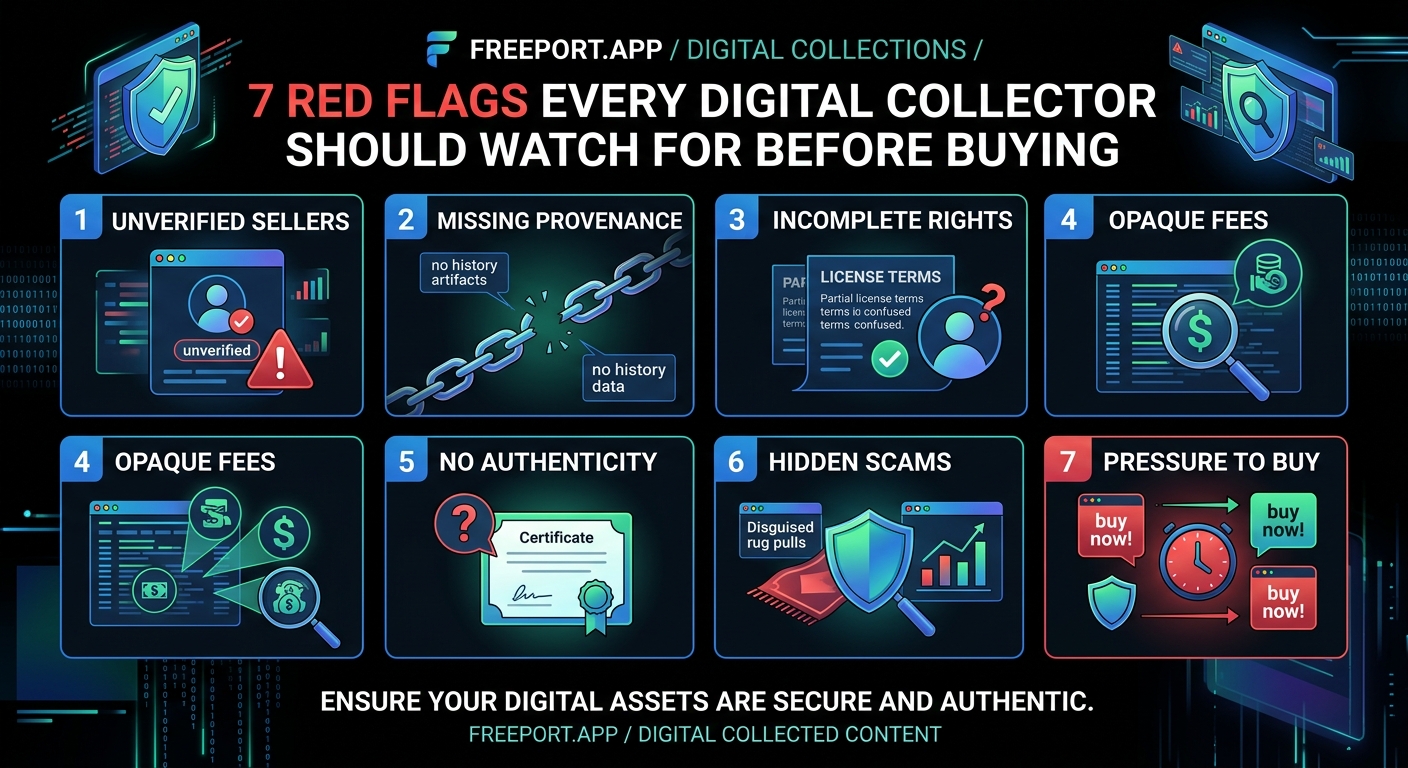
Buying watches online requires careful scrutiny of seller reputation, documentation, pricing, photos, payment methods, return policies, and provenance. Counterfeiters and fraudsters exploit rushed decisions and emotional purchases. By recognizing common red flags like suspiciously low prices, stock photos, pressure tactics, and missing paperwork, collectors can avoid costly mistakes and build authentic collections. Authentication technology and blockchain verification are making the market safer for informed buyers.
Suspiciously Low Prices That Seem Too Good
We all love a deal. But when a Rolex Submariner is listed at 40% below market value, your alarm bells should ring loud.
Legitimate sellers price competitively, but they don’t give away watches. The secondary market for luxury timepieces is efficient. Dealers know what pieces are worth, and collectors do too. A significant discount without explanation usually means something is wrong.
Common reasons for unrealistic pricing include:
- The watch is counterfeit
- It’s stolen property
- The piece has undisclosed damage or modifications
- The seller is running a payment scam and never ships anything
Check current market prices on multiple platforms before making an offer. Sites like Chrono24 and WatchCharts provide real-time data on what specific references are selling for. If a deal looks too good, it probably is.
Some sellers do offer legitimate discounts during financial hardship or estate sales. But they’ll explain why. A vague “motivated seller” tag without context is a warning sign.
Missing or Incomplete Documentation
Authentic luxury watches come with paperwork. This includes warranty cards, certificates of authenticity, service records, and original receipts.
A seller who can’t provide these documents should raise immediate concerns. While vintage pieces sometimes lose their papers over decades of ownership, modern watches from the past 20 years should have documentation.
Here’s what to expect for different scenarios:
| Watch Age | Expected Documentation | Red Flag |
|---|---|---|
| 0-5 years | Full box, papers, warranty card, receipt | Missing any item without explanation |
| 5-15 years | Box, papers, possibly service records | No documentation at all |
| 15-30 years | May have papers, often missing box | Seller refuses to discuss history |
| 30+ years vintage | Often no papers, box rare | Claims of “mint” condition without proof |
Some sellers claim they bought the watch as a gift and don’t have papers. This happens. But combined with other red flags, it becomes more suspicious.
Ask specific questions about the watch’s history. Where was it purchased? Has it been serviced? Why are papers missing? Legitimate sellers provide detailed answers. Scammers get vague or defensive.
Stock Photos Instead of Actual Watch Images
Professional product photos look great. They’re also easy to steal from manufacturer websites or other listings.
A seller using only stock images instead of photos of the actual watch is hiding something. Maybe the watch doesn’t exist. Maybe it’s in worse condition than advertised. Maybe it’s a fake that wouldn’t pass visual inspection.
Insist on seeing multiple photos of the specific watch you’re buying. These should include:
- Clear shots of the dial from multiple angles
- Close-ups of the case, bezel, and crown
- Movement photos through the caseback (if applicable)
- Serial and reference numbers
- Any flaws or wear honestly documented
- A timestamp or handwritten note proving current possession
Lighting should be consistent and adequate. Blurry photos or images taken in poor light make authentication difficult. That might be intentional.
Ask the seller to take additional photos if needed. A legitimate owner will accommodate reasonable requests. Someone running a scam will make excuses or disappear.
Pressure Tactics and Rushed Transactions
“This watch has three other buyers interested. I need your payment today or I’m moving to the next person.”
High-pressure sales tactics are classic scammer behavior. They want you to act emotionally instead of thinking clearly.
Legitimate sellers understand that buying a luxury watch is a significant decision. They give you time to research, ask questions, and verify authenticity. They don’t create artificial urgency.
Red flag phrases to watch for:
- “Deal expires in 24 hours”
- “Someone else is about to buy it”
- “I need payment today or I’m listing it elsewhere”
- “No time for inspection, it’ll be gone”
Take your time. A genuine seller with a desirable piece will wait for a serious buyer. If the watch is truly that popular, missing out means you’ll find another one. Better to lose a deal than lose your money to a scam.
The watch market isn’t going anywhere. Neither are good watches. Patience protects you.
Seller Has No Reputation or Verifiable History
Online marketplaces thrive on reputation systems. Sellers build trust through positive transactions over time.
A brand new account with zero feedback selling multiple high-value watches should make you cautious. While everyone starts somewhere, established sellers have track records you can verify.
Follow this verification process:
- Check seller ratings and number of completed transactions
- Read negative reviews carefully for patterns
- Search the seller’s username on watch forums
- Verify their business registration if they claim to be a dealer
- Ask for references from previous buyers
- Check how long their account has been active
Watch forums like Watchuseek and Rolex Forums maintain feedback systems separate from marketplace platforms. Cross-reference sellers there. The community quickly identifies and reports scammers.
Some private sellers have limited online presence. That’s fine for vintage pieces or inherited watches. But they should still provide verifiable contact information and be willing to facilitate authentication.
Professional dealers should have physical addresses, business licenses, and established reputations. A “dealer” operating only through Instagram DMs with no verifiable business presence is suspicious.
Payment Methods That Offer No Buyer Protection
How a seller wants to be paid tells you a lot about their legitimacy.
Wire transfers, cryptocurrency, and peer-to-peer payment apps offer zero buyer protection. Once you send money, it’s gone. Scammers love these methods because they’re irreversible.
Legitimate sellers accept payment methods that protect both parties. These include:
- PayPal Goods and Services (not Friends and Family)
- Credit cards through established platforms
- Escrow services for high-value transactions
- Bank transfers with proper documentation for local deals
A seller who insists on untraceable payment methods is waving a massive red flag. They might claim they’re avoiding fees or taxes. Don’t fall for it. The small percentage saved isn’t worth the risk.
For transactions over $10,000, consider using a watch-specific escrow service. These third parties hold payment until you receive and authenticate the watch. Both buyer and seller pay a small fee for this protection.
“I’ve been collecting for 15 years, and I’ve never regretted using escrow for expensive pieces. The one time I skipped it to save $200, I lost $8,000 to a sophisticated fake. Best $200 you’ll ever spend.” — Watch collector on Watchuseek
Some collectors use cryptocurrency for legitimate privacy reasons. But they’ll still work with escrow or meet in person for authentication. Refusing all protected payment methods is different from preferring alternative ones.
Unwillingness to Provide Authentication or Allow Inspection
Authentic watches survive scrutiny. Fakes don’t.
A seller who refuses third-party authentication or won’t allow pre-purchase inspection is hiding something. Period.
For expensive pieces, professional authentication is standard practice. Services like WatchCSA and manufacturers’ own authentication programs can verify watches before purchase. The cost is minimal compared to the investment.
Reasonable authentication requests include:
- Independent watchmaker inspection before finalizing sale
- Submission to brand-authorized service center for verification
- Authentication through recognized third-party services
- Meeting at an authorized dealer for verification
Sellers should accommodate these requests or have very good reasons why not. “I don’t have time” or “I already told you it’s authentic” aren’t good reasons.
Some platforms offer built-in authentication. Chrono24’s Trusted Checkout includes authentication for eligible watches. eBay has authentication services for watches over certain values. Use these when available.
For in-person transactions, meet at a watch shop or authorized dealer who can examine the piece. Never meet at isolated locations. Public places with security cameras protect both parties.
The authentication process might reveal undisclosed modifications or service history. That’s valuable information even if the watch is genuine. It affects value and helps you negotiate fairly.
How Modern Technology Helps Spot Fakes
The tools for verifying watches have improved dramatically. Technology that once required specialized equipment is now accessible to regular collectors.
Smartphone apps can now analyze dial printing, check lume consistency, and compare proportions to known authentic examples. While not foolproof, they catch obvious fakes.
Blockchain technology is starting to play a role in watch authentication and provenance tracking. Some manufacturers and platforms now register watches on blockchain systems, creating permanent ownership records. This technology, similar to how smart contracts are revolutionizing art ownership and provenance, provides transparent verification that’s difficult to forge.
Digital authentication methods include:
- UV light testing for lume and printing consistency
- Macro photography revealing printing quality
- Movement photography compared to reference databases
- Serial number verification through manufacturer databases
- Blockchain registration and ownership tracking
Just as collectors are learning how to authenticate digital art before adding it to your collection, watch buyers now have access to verification tools that were impossible a decade ago.
These technologies complement traditional authentication methods. They don’t replace expert inspection, but they help collectors make informed decisions before committing to purchases.
Building Your Collection Safely
Buying watches online doesn’t have to be risky. Millions of successful transactions happen every year. The key is knowing what to look for and never compromising on verification.
Start with established platforms that offer buyer protection. Build relationships with reputable dealers. Join collector communities where members share experiences and warn others about scams.
Your collection represents both financial investment and personal passion. Protecting it starts with smart buying decisions. Every red flag you learn to recognize makes you a more sophisticated collector.
The watch community is generally helpful and transparent. Experienced collectors remember being new and making mistakes. They share knowledge freely. Use that resource.
Trust your instincts. If something feels wrong about a transaction, walk away. There will always be another watch. Your money and peace of mind are irreplaceable.
The market continues to evolve with better authentication tools, blockchain verification, and community-driven transparency. These improvements make collecting safer and more accessible. But they don’t eliminate the need for careful evaluation.
Take your time. Ask questions. Verify everything. The perfect watch is worth waiting for, and it’s definitely worth buying right.