What Makes a Digital Collection Blue-Chip? Analyzing Long-Term Value Indicators

The digital art market has matured beyond speculation. Collectors now look for the same qualities that define blue chip status in traditional art markets: proven artist track records, institutional validation, and sustained demand that outlasts market cycles. Understanding what makes digital art blue chip helps you build a collection that appreciates over time rather than evaporates with trends.
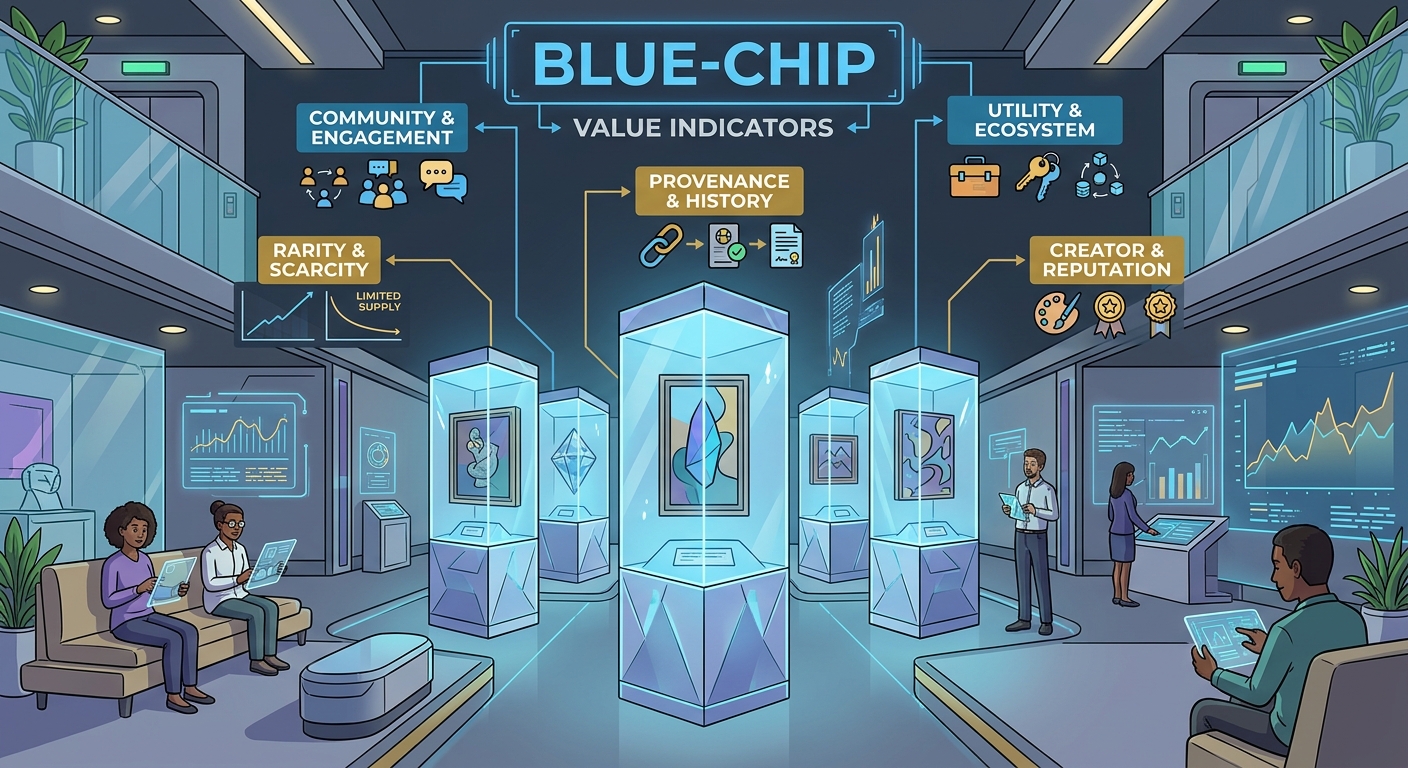
Blue chip digital art combines artist reputation, technical excellence, verifiable provenance, strong community support, and institutional recognition. These collections maintain value through market downturns because they represent cultural significance beyond speculation. Focus on works with documented history, limited supply, and artists who contribute meaningfully to the medium’s evolution. Quality always outlasts hype.
Artist reputation and career trajectory
The artist behind the work matters more than any single piece. Blue chip status starts with creators who have demonstrated consistency, innovation, and commitment to their craft over years, not months.
Look for artists with exhibition histories that include respected galleries and museums. Why museums are building blockchain art collections shows how institutional validation creates lasting value. Artists who have shown work at major venues bring credibility that survives market volatility.
Career longevity signals dedication. An artist who has been creating for a decade carries different weight than someone who minted their first piece six months ago. This doesn’t mean new artists can’t become blue chip, but established careers reduce risk.
Check whether the artist contributes to the broader conversation about digital art. Do they write about their process? Speak at conferences? Mentor other creators? 7 blockchain artists redefining contemporary digital art in 2026 highlights creators who shape the medium itself.
Education and training matter less than you might think. Many blue chip digital artists are self taught. What counts is their body of work and how it has evolved. Look for artists who push boundaries while maintaining a recognizable aesthetic voice.
Technical excellence and innovation
Blue chip digital art demonstrates mastery of the medium. The work should show technical skill that separates it from amateur efforts or mass produced outputs.
Generative art on the blockchain where code meets canvas explores how code based work achieves artistic merit. The best generative pieces balance algorithmic complexity with aesthetic appeal. You should see intentional design choices, not random outputs.
Resolution, file quality, and metadata all matter. Professional grade work includes proper documentation of the creative process, technical specifications, and artist statements. Low resolution files or missing metadata suggest rushed production.
Innovation distinguishes blue chip work from derivative pieces. The artist should bring something new to the medium, whether that’s a novel technique, unique aesthetic, or fresh conceptual approach. Copying trending styles rarely produces lasting value.
Consider how the work uses blockchain technology. Does it simply exist on chain, or does it leverage smart contracts in meaningful ways? How smart contracts are revolutionizing art ownership and provenance explains how technical implementation affects long term value.
Blue chip digital art doesn’t just exist in digital format. It uses digital tools to create experiences impossible in traditional media. The technology should serve the artistic vision, not the other way around.
Provenance and ownership history
Documented history gives digital art credibility. Every transaction, exhibition, and mention contributes to a work’s story and value.
Blockchain provides transparent ownership records, but context matters more than raw transaction data. Who owned the piece previously? Was it featured in curated exhibitions? Did it sell at auction or through private sale?
How to authenticate digital art before adding it to your collection covers verification methods that protect your investment. Authentication becomes easier when provenance is clear from the moment of creation.
First edition or early mint numbers often carry premium value, but only when the collection itself has merit. Being number one in a mediocre series means less than being number 500 in a historically significant collection.
Watch for collections where the artist controlled the initial distribution carefully. Random drops to anonymous wallets create weaker provenance than thoughtful placement with known collectors and institutions.
Community strength and engagement
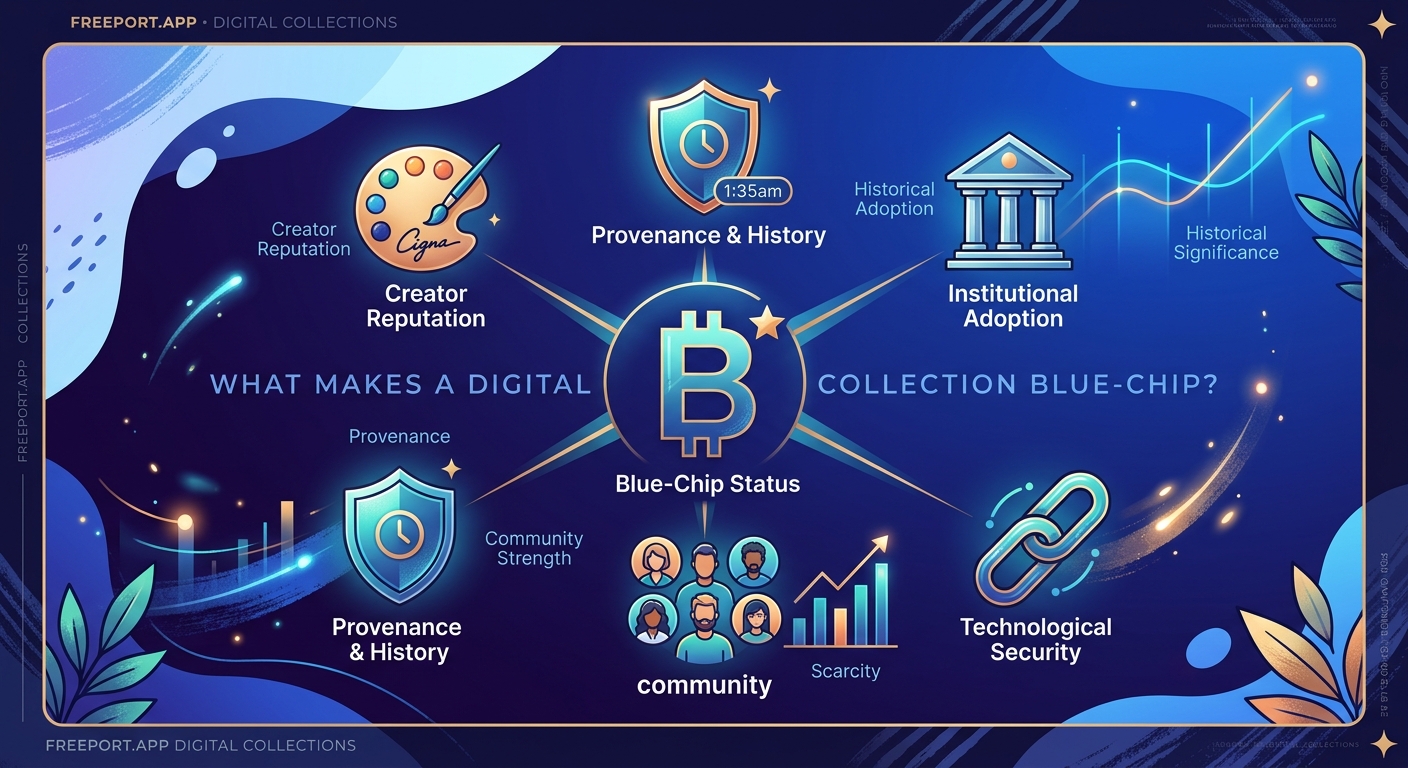
Strong communities sustain value when markets decline. Blue chip collections build engaged holder bases that view ownership as cultural participation, not just financial speculation.
Look at holder distribution. Collections where a few wallets control most pieces face manipulation risk. Healthy distribution across hundreds or thousands of holders indicates genuine interest.
Community activity tells you about staying power. Active Discord servers, regular Twitter discussions, and ongoing creative projects around the collection all signal commitment beyond price action.
Why blue chip NFT collections maintain value during market downturns examines how community support creates price floors. Holders who believe in the art and artist won’t panic sell during temporary dips.
Secondary market activity matters, but volume alone doesn’t indicate quality. Look for steady trading at stable or appreciating prices rather than volatile spikes. Consistent demand beats occasional hype.
Institutional recognition and validation
Museums, galleries, and established art world players provide validation that separates serious work from speculation. Their involvement signals cultural significance beyond financial markets.
Museum acquisitions carry enormous weight. When major institutions add digital works to permanent collections, they’re making statements about lasting artistic value. These decisions involve curatorial review, conservation planning, and long term commitment.
Gallery representation matters too. Established galleries stake their reputations on the artists they represent. From physical to digital top galleries bridging traditional and blockchain art shows how traditional art world infrastructure supports digital creators.
Academic attention indicates intellectual substance. Are scholars writing about the work? Do art history courses include the artist? Critical discourse builds cultural capital that transcends market trends.
Awards and grants from respected organizations validate artistic merit. Major foundations don’t give money to hype projects. Their support reflects expert evaluation of artistic contribution.
Supply dynamics and scarcity
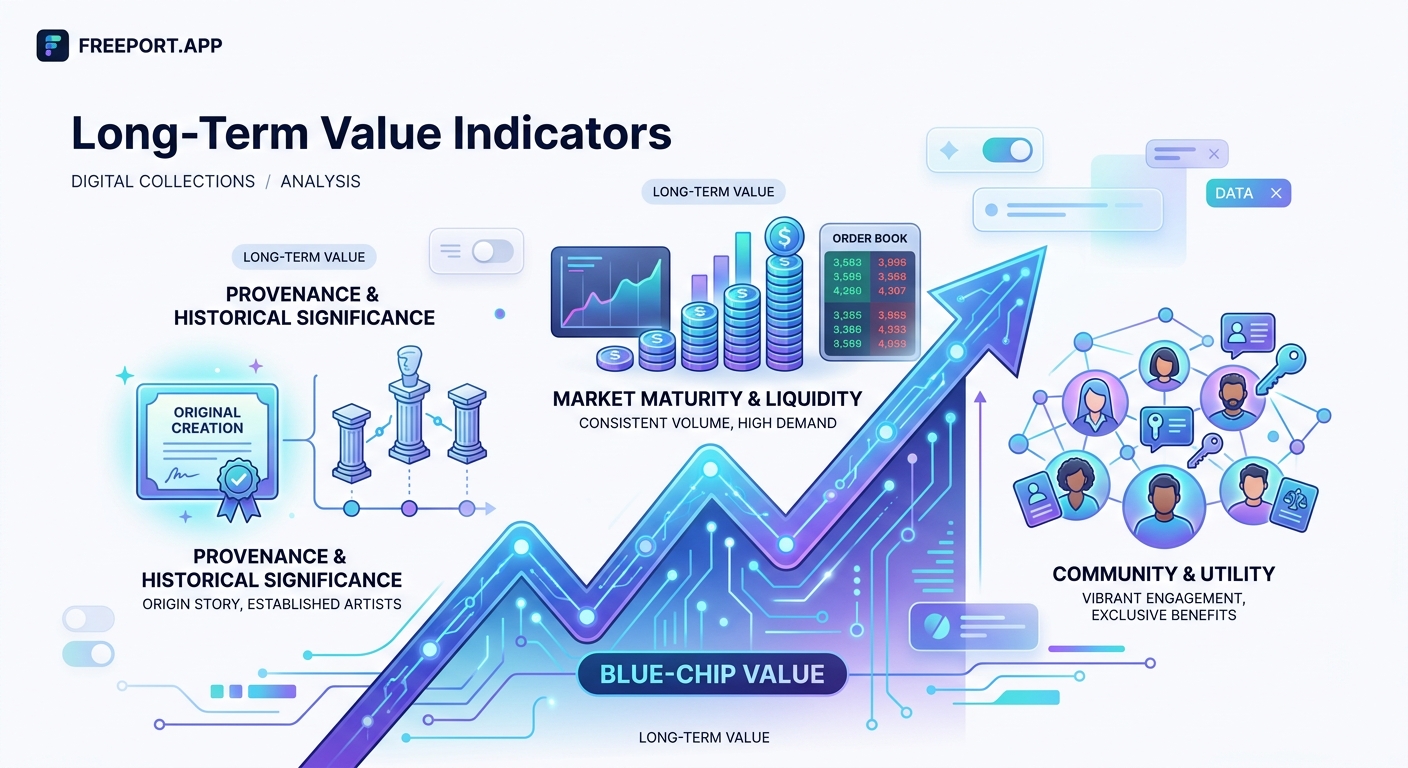
Limited supply creates value, but artificial scarcity alone doesn’t make art blue chip. The scarcity must serve the artistic vision and maintain integrity over time.
Edition size should match the work’s nature and the artist’s career stage. A single 1/1 piece from an unknown artist carries different weight than a 10,000 piece collection from an established creator. Both can be appropriate, but context matters.
Look for collections where the artist committed to never expanding supply. Promises to mint more pieces later undermine scarcity and collector confidence. Blue chip collections maintain their original parameters.
Burn mechanisms and supply reduction can increase scarcity, but they work best when tied to artistic or community purposes rather than pure price manipulation. Some artists destroy pieces as part of performance or conceptual work.
| Supply Strategy | Blue Chip Indicator | Red Flag |
|---|---|---|
| Fixed edition size | Artist commits permanently to limit | Hints at future expansions |
| 1/1 works | Fits established artist practice | Used to inflate prices artificially |
| Large collections | Strong conceptual justification | Arbitrary large numbers |
| Open editions | Time limited with clear end date | Indefinite minting periods |
Technical infrastructure and longevity
Blue chip digital art needs sustainable technical foundations. The work should remain accessible and authentic decades from now.
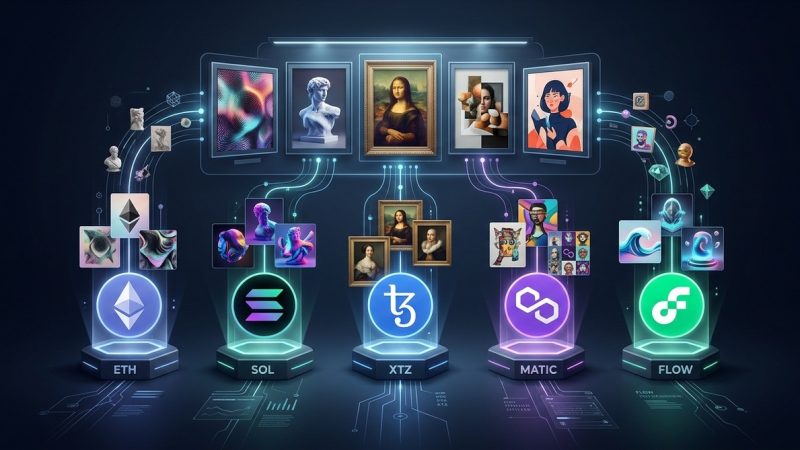
Blockchain choice affects longevity. Ethereum’s network effects and institutional adoption provide stronger guarantees than newer chains with uncertain futures. What happens to your blockchain art when the platform shuts down addresses platform risk.
Storage solutions matter enormously. Works stored on IPFS or Arweave have better long term prospects than pieces relying on centralized servers. Check where the actual artwork files live, not just the token.
Smart contract quality affects both security and functionality. Well audited contracts from reputable developers reduce risks of exploits or failures. How smart contracts are revolutionizing art royalties in web3 explains contract importance.
Consider whether the work depends on external services or APIs. Pieces requiring specific platforms or services to display properly face obsolescence risk. Self contained works age better.
Steps to evaluate blue chip potential
Assessing whether digital art qualifies as blue chip requires systematic analysis. Here’s how to approach evaluation:
-
Research the artist’s complete career history, not just their blockchain work. Look for exhibitions, publications, and recognition outside crypto circles.
-
Examine the technical execution in detail. View the work on multiple devices, check file specifications, and understand how it was created.
-
Verify provenance through blockchain records and external documentation. Confirm the artist’s official contract address and check for any authenticity concerns.
-
Analyze community metrics including holder distribution, trading patterns, and engagement levels across platforms.
-
Document institutional involvement such as museum acquisitions, gallery representation, or academic attention.
-
Assess technical infrastructure including blockchain choice, storage solutions, and smart contract quality.
How to build a valuable digital art collection from scratch in 2026 provides a framework for applying these criteria across your collecting strategy.
Common mistakes collectors make
Even experienced collectors misjudge blue chip potential. Avoiding these errors improves your success rate.
Confusing popularity with quality happens constantly. Trending collections generate excitement, but most trends fade. Blue chip status requires substance that outlasts social media cycles.
Overweighting recent price performance leads to buying tops. Works that just 10x’d may have exhausted near term appreciation potential. Look for undervalued quality instead of chasing momentum.
Ignoring the artist’s broader practice creates blind spots. A successful NFT collection means little if the artist has no other meaningful work. Context matters.
Neglecting technical due diligence exposes you to platform risk, contract vulnerabilities, and storage failures. 7 red flags every digital collector should watch for before buying covers critical warning signs.
Focusing solely on financials misses cultural value. Blue chip art appreciates because it matters to culture, not just because people speculate on it. Buy work that resonates with you personally.
Market cycles and blue chip resilience
Blue chip digital art weathers market downturns better than speculative pieces. Understanding this resilience helps you identify quality.
During bear markets, weak collections collapse while blue chip works maintain liquidity and reasonable price floors. Holders of quality pieces don’t panic sell because they value the art itself.
Institutional buyers often increase activity during downturns, acquiring blue chip works at more accessible prices. Their participation stabilizes markets and validates long term value.
Artist reputation matters most when hype fades. Creators with established careers continue producing and exhibiting regardless of token prices. Their ongoing work supports collection values.
Community strength shows during difficult periods. Collections with genuine engagement maintain active discussions and collaborative projects even when prices stagnate.
Authentication and verification
Confirming authenticity protects your investment and ensures you’re acquiring genuine blue chip work. Verification processes continue evolving as the market matures.
Start with the artist’s verified social media accounts and official website. They should clearly list contract addresses for legitimate collections. Never trust addresses shared in Discord or Telegram without verification.
Check blockchain records carefully. The minting address should match official documentation. Look for any suspicious activity or unusual patterns in the contract’s history.
How AI generative models are reshaping digital art authentication covers emerging verification technologies. These tools help confirm both technical authenticity and artistic attribution.
Third party verification services provide additional confidence for high value acquisitions. Established platforms maintain databases of verified collections and artist contracts.
Physical certificates or documentation from galleries add another authentication layer. Some artists provide signed certificates for significant pieces.
Building your blue chip collection
Applying these criteria helps you construct a collection with lasting value. Strategic acquisition beats impulsive buying.
Start with artists whose work resonates with you personally. Collecting what you love provides satisfaction regardless of market performance. Financial returns become a bonus rather than the sole purpose.
Diversify across artists, styles, and creation periods. A collection of only generative art or only 1/1s carries concentration risk. Balance provides stability.
Budget for quality over quantity. Five blue chip pieces appreciate better than fifty mediocre ones. Patience lets you acquire the best work rather than settling for available pieces.
Document your collection thoroughly. Maintain records of acquisition prices, provenance details, and any correspondence with artists. This documentation becomes part of your pieces’ history.
Stay informed about the artists you collect. Attend exhibitions, read interviews, and understand their creative evolution. Engaged collecting builds deeper appreciation and better decision making.
The evolution of blue chip criteria
What defines blue chip digital art continues developing as the medium matures. Staying current with evolving standards keeps your collection relevant.
Institutional standards increasingly influence collector expectations. As museums acquire digital works, their conservation and authentication practices become benchmarks for the broader market.
Environmental considerations affect reputation. Artists and collections addressing energy consumption through proof of stake chains or carbon offsets gain favor with conscientious collectors.
Interoperability and portability matter more as display options multiply. Works that function across platforms and contexts have advantages over pieces locked to specific ecosystems.
Royalties and rights understanding artist compensation in blockchain art explores how fair compensation models enhance collection ethics and sustainability.
Cultural representation and diversity influence long term significance. Collections and artists contributing to broader participation in digital art build stronger legacies.
Your path to collecting blue chip digital art
Building a blue chip digital art collection rewards patience, research, and genuine appreciation for the medium. Focus on artist reputation, technical excellence, provenance, community strength, and institutional validation. These fundamentals outlast hype cycles and market volatility.
Start small and learn continuously. Each acquisition teaches you more about quality, value, and your own aesthetic preferences. The digital art world evolves rapidly, but core principles of artistic merit and cultural significance remain constant. Collect work that moves you, created by artists who advance the medium, and you’ll build value that lasts.