Cross-Chain Bridges: Moving Your Digital Art Collection Between Blockchains Safely

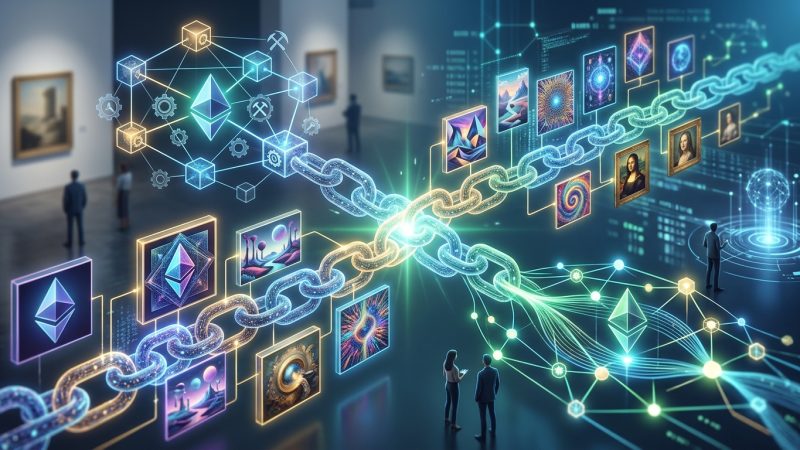
You own a valuable digital art piece on Ethereum, but the perfect marketplace for your next purchase lives on Solana. Or maybe you minted a collection on Polygon and now want to showcase it in a gallery that only supports Base. This is where cross-chain bridges NFT solutions become essential tools for modern collectors who refuse to be limited by blockchain boundaries.
Cross-chain bridges NFT technology allows collectors to move digital art between different blockchains, but safety requires understanding bridge mechanisms, choosing audited protocols, verifying contract addresses, using test transfers, and maintaining proper wallet security. Bridge failures and scams have cost collectors millions, making education and careful execution critical for protecting valuable collections during transfers.
Understanding how cross-chain bridges NFT technology actually works
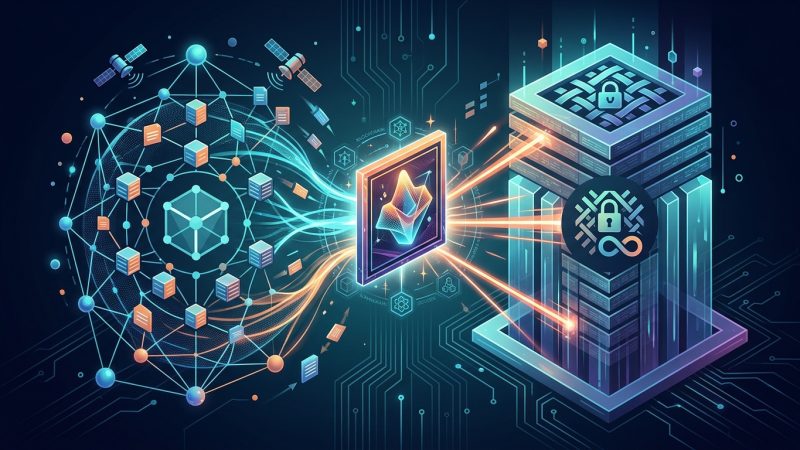
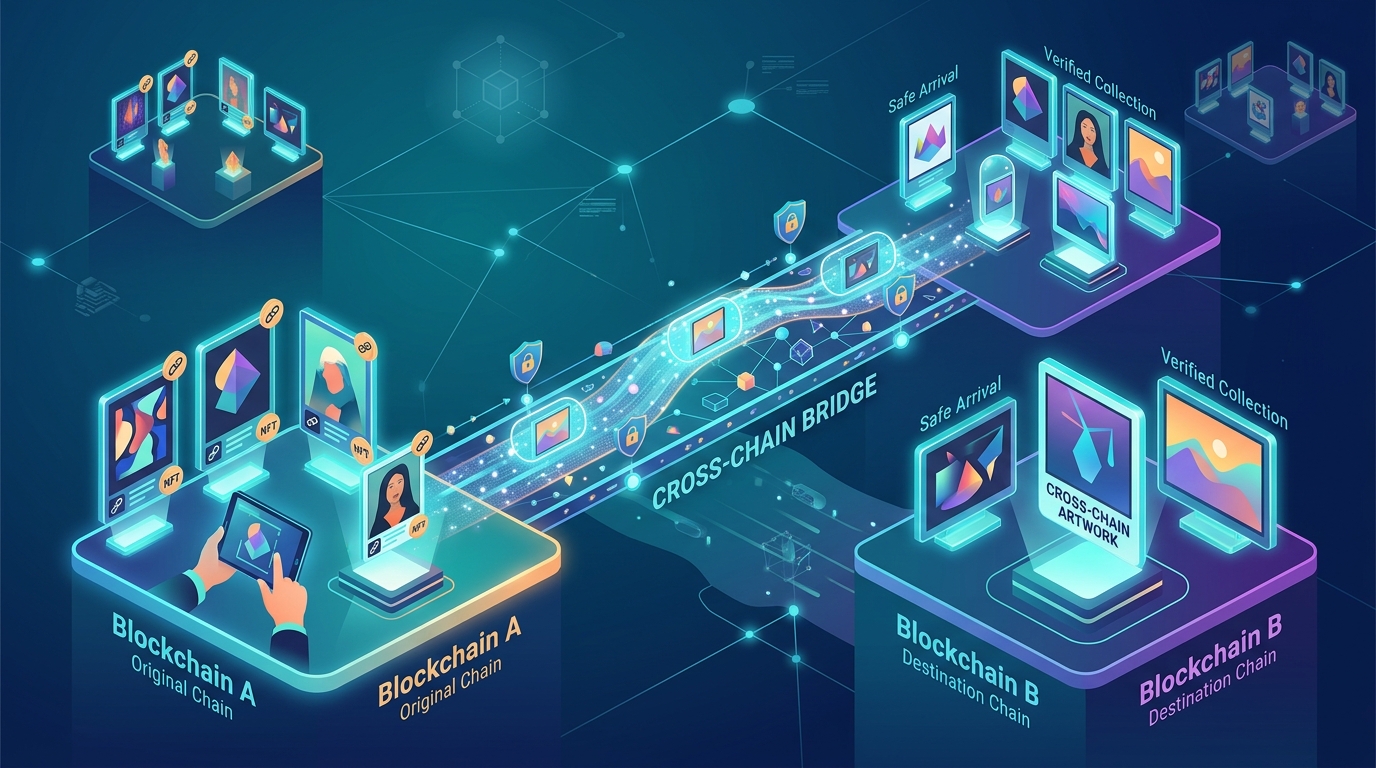
A cross-chain bridge acts like a secure tunnel between two separate blockchain networks. When you bridge an NFT from one chain to another, the original asset doesn’t physically move. Instead, the bridge locks your NFT in a smart contract on the source chain and mints a wrapped or equivalent version on the destination chain.
Think of it like depositing money in one bank branch and withdrawing it from another location. The actual bills don’t travel between branches, but the value transfers through the banking system. Blockchain bridges work similarly, maintaining a 1:1 relationship between the locked original and the newly minted representation.
Different bridge types handle this process in distinct ways. Lock-and-mint bridges hold your original NFT in escrow while creating a new token on the target chain. Burn-and-mint bridges destroy the token on one side and recreate it on the other. Liquidity pool bridges use reserves of assets on both chains to facilitate transfers.
The security of your digital art during this process depends entirely on the bridge’s smart contract quality and operational security. A poorly designed bridge can lose your assets permanently. A compromised bridge can be drained by attackers. This makes choosing the right bridge as important as choosing the right vault for storing physical artwork.
Step-by-step process for bridging your digital art safely
Moving your NFT collection between chains requires careful attention to detail. Missing a single step or clicking the wrong button can result in permanent loss.
-
Research the bridge protocol thoroughly before connecting your wallet. Check for security audits from reputable firms like CertiK, OpenZeppelin, or Trail of Bits. Look for the bridge’s track record and total value locked over time.
-
Verify you’re on the official bridge website by bookmarking the correct URL from the project’s verified social media accounts. Phishing sites that look identical to real bridges are common attack vectors.
-
Connect your wallet containing the NFT you want to bridge. Use a hardware wallet for high-value pieces whenever possible. Never approve unlimited spending permissions.
-
Select your source chain and destination chain carefully. Double-check that you’re sending to a compatible network where your NFT standard is supported.
-
Enter the contract address of your NFT collection and the specific token ID you want to bridge. Many bridges will show a preview of the NFT before confirming.
-
Review all transaction details including gas fees on both chains. Bridge transactions often require fees on both the source and destination networks.
-
Start with a test transfer using a low-value NFT from the same collection if possible. This validates the entire process before risking valuable pieces.
-
Confirm the transaction and wait for the required number of block confirmations. Some bridges need 20+ confirmations for security, which can take several minutes.
-
Verify the NFT appears in your wallet on the destination chain using a block explorer. Don’t assume success until you see the asset.
-
Save all transaction hashes and keep records of the bridge operation. These become crucial if you need to contact support or reverse the process later.
The most expensive mistake I see collectors make is rushing through bridge transactions during high gas periods or not testing with lower-value assets first. A $50 test transaction can save you from losing a $50,000 piece. Always treat bridging like you’re moving physical art between countries, with the same level of documentation and care.
Common bridge types and which to use for different situations
Not all cross-chain bridges NFT solutions work the same way or serve the same purposes. Choosing the wrong type for your situation can create unnecessary risks or limitations.
| Bridge Type | Best For | Risk Level | Speed | Example Use Case |
|---|---|---|---|---|
| Official protocol bridges | Moving assets within an ecosystem | Low | Medium | Bridging from Ethereum to Arbitrum using the official Arbitrum bridge |
| Third-party aggregators | Accessing multiple chains from one interface | Medium | Fast | Using a bridge router to move NFTs between 5+ different networks |
| Wrapped asset bridges | Maintaining liquidity and tradability | Medium-High | Fast | Creating wrapped versions of blue-chip NFTs on new chains |
| Native bridges | Maximum security for valuable collections | Low | Slow | Moving museum-quality pieces between major networks |
| Layer 2 bridges | Reducing costs while staying in Ethereum ecosystem | Low | Medium | Moving collections to Polygon or Base to avoid high gas fees |
Official bridges built by the blockchain teams themselves generally offer the highest security because they’re directly maintained by the network operators. The Polygon bridge for moving assets between Ethereum and Polygon, or the Base bridge for Ethereum to Base transfers, fall into this category.
Third-party bridges like LayerZero or Axelar provide convenience by supporting many chains through a single interface. They add an extra layer of trust assumptions since you’re relying on their protocol security in addition to the underlying chains.
Some collectors prefer using layer 2 solutions for lower costs while maintaining stronger connections to Ethereum’s security model.
Security risks every collector must understand before bridging
Bridge exploits have drained hundreds of millions of dollars from the crypto ecosystem. Your digital art collection faces several distinct threat categories when crossing chains.
Smart contract vulnerabilities represent the most technical risk. Bugs in the bridge code can allow attackers to mint unlimited tokens, drain locked assets, or prevent legitimate withdrawals. The Ronin bridge hack in 2022 lost over $600 million due to compromised validator keys.
Phishing attacks targeting bridge users are increasingly sophisticated. Fake websites that look identical to real bridges will drain your wallet the moment you connect. Always verify URLs through official sources and use bookmarks rather than search results.
Validator compromise affects bridges that rely on a set of validators to confirm cross-chain transactions. If attackers control enough validators, they can approve fraudulent transfers. This is why decentralization of bridge validators matters for security.
Front-running and MEV (miner extractable value) attacks can affect bridge transactions during periods of network congestion. Attackers monitor pending bridge transactions and insert their own transactions to exploit price differences or manipulate the bridging process.
Destination chain risks often get overlooked. Even if the bridge works perfectly, receiving an NFT on a chain with poor security, low decentralization, or questionable long-term viability puts your asset at risk. Understanding what happens when platforms shut down becomes especially relevant for smaller or newer chains.
Red flags that signal a dangerous bridge
Knowing which bridges to avoid is as important as knowing which to use. Several warning signs indicate elevated risk.
- No public security audit from a recognized firm within the past 12 months
- Anonymous team with no verifiable track record in blockchain development
- Extremely high APY or rewards for providing liquidity to the bridge
- Limited documentation about how the bridge mechanism works
- Very low total value locked compared to competitors
- Recent security incidents without transparent post-mortem reports
- Centralized control with no multi-sig or governance mechanism
- Pressure to bridge assets during limited-time promotions
- Support only through Telegram or Discord with no official documentation
- Requests for unusual wallet permissions beyond standard approvals
Some of these red flags apply broadly to digital collecting and not just bridges specifically.
A legitimate bridge will have extensive documentation, clear explanations of its security model, public audit reports, and a governance structure that prevents single points of failure. The team should be responsive to security researchers and have a bug bounty program for finding vulnerabilities.
How bridging affects your NFT’s metadata and provenance
One of the most overlooked aspects of cross-chain transfers is what happens to the historical record and metadata of your digital art. This matters tremendously for valuable collections where provenance is part of the value.
When you bridge an NFT, the wrapped version on the new chain is technically a different token with a different contract address. The original minting transaction, ownership history, and previous sales all remain on the source chain. The destination chain starts a new history from the moment of bridging.
Some bridges preserve metadata by pointing to the same IPFS hash or Arweave storage location. Others create new metadata that references the original. A few poorly designed bridges break metadata connections entirely, leaving you with an NFT that no longer displays properly.
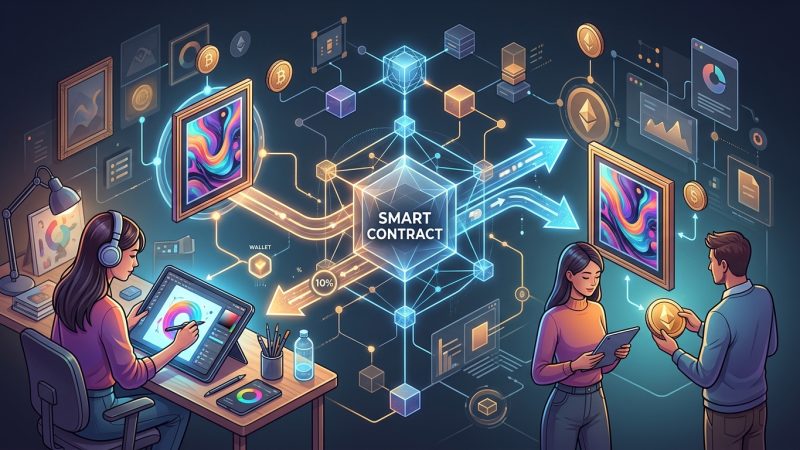
Smart contracts that handle provenance become especially important when bridging assets between chains. The contract needs to maintain verifiable links to the original creation.
For high-value pieces, this creates a dilemma. Moving a historically significant NFT to a new chain might increase its utility and accessibility, but it fragments the provenance record. Serious collectors often keep original pieces on their native chains and only bridge duplicates or less significant works.
Marketplace recognition presents another challenge. A bridged NFT might not appear in the original collection on platforms like OpenSea or Blur. You may need to list it as a separate collection or use marketplaces that specifically support bridged assets.
Cost considerations beyond gas fees
The visible gas fees for bridge transactions represent only part of the total cost of moving your digital art collection between chains.
Time value matters when your NFT is locked during the bridging process. Some bridges require 30 minutes to several hours for finality. During this period, you can’t sell, transfer, or use the asset. In volatile markets, this lockup period carries opportunity cost.
Liquidity fragmentation affects your ability to sell bridged NFTs. A popular collection on Ethereum might have minimal liquidity on the bridged version on another chain. You may need to bridge back to sell, doubling your transaction costs.
Failed transactions still consume gas fees. If a bridge transaction fails due to network congestion, incorrect parameters, or smart contract issues, you lose the gas without completing the transfer. This is why test transactions with low-value assets make financial sense.
Bridging back to the original chain often costs more than the initial bridge transaction. Return fees can be 2-3x higher depending on network conditions and bridge design. Factor in round-trip costs when deciding whether to bridge.
Some chains require you to hold native tokens for gas fees before you can do anything with bridged NFTs. If you bridge to a new chain without already having its native token in your wallet, you’ll need to acquire some before you can bridge back or transfer the NFT.
Alternative approaches to cross-chain NFT access
Bridging isn’t always necessary to achieve your goals with digital art on multiple chains. Several alternatives provide cross-chain functionality without the risks of moving assets.
Cross-chain messaging protocols allow NFTs to remain on their native chain while being recognized and used on other chains. LayerZero’s Omnichain NFT standard enables this, letting you keep an NFT on Ethereum while using it in a game or metaverse on another chain.
Multi-chain minting creates native versions of the same collection on different chains simultaneously. Artists and projects increasingly mint identical collections on Ethereum, Solana, and other chains, letting collectors choose their preferred network without bridging.
Wrapped representations that don’t require locking the original offer another path. Some protocols create derivative tokens that track ownership of the original NFT without requiring you to lock it in a bridge contract.
Cross-chain marketplaces aggregate listings from multiple chains, letting you browse and purchase NFTs on different networks from a single interface. You only interact with the specific chain when making a purchase, avoiding the need to bridge your existing collection.
Portfolio tracking tools provide unified views of your collection across all chains without requiring any asset movement. Services like Zapper or DeBank show your complete holdings regardless of which blockchain they live on.
For many collectors, building a valuable collection means accepting that different pieces will live on different chains permanently, rather than trying to consolidate everything.
Practical checklist for your first bridge transaction
Before initiating any cross-chain transfer of digital art, run through this verification process to minimize risks.
- Confirm you’re on the official bridge website by checking the URL against verified sources
- Verify the bridge has recent security audits from recognized firms
- Check that your destination chain properly supports the NFT standard (ERC-721, ERC-1155, etc.)
- Ensure you have enough native tokens on both chains to cover all gas fees
- Review the bridge’s fee structure and total cost estimate
- Confirm your wallet is properly connected to both networks
- Double-check the destination wallet address if sending to a different wallet
- Test with a low-value NFT first if possible
- Screenshot all transaction details before confirming
- Verify the bridge has active customer support channels
- Check recent community feedback about bridge performance
- Confirm the NFT’s metadata will transfer correctly
- Understand the timeframe for completion
- Know the process for reversing the bridge if needed
- Have a plan for what you’ll do with the NFT on the destination chain
This checklist becomes especially important for high-value digital assets where mistakes carry significant financial consequences.
What to do when a bridge transaction goes wrong
Despite careful preparation, bridge transactions sometimes fail or get stuck. Knowing how to respond can mean the difference between recovering your asset and losing it permanently.
Transaction pending for hours requires checking the block explorer on both chains. Look for the transaction hash on the source chain to verify it confirmed. Then check if the destination chain shows any corresponding activity. Many bridges have a status checker where you can enter your transaction hash to see progress.
NFT disappeared from both wallets often means the transaction is still processing. Don’t panic and don’t try to bridge again. Check the bridge’s Discord or support channels to see if others are experiencing delays. Network congestion can slow finality significantly.
Wrong chain selected can sometimes be reversed if you catch it before confirmation. Once confirmed, you’ll need to bridge from the unintended chain to your desired destination, adding extra costs and complexity.
Insufficient gas on destination chain leaves your NFT stuck in the bridge contract. You’ll need to add native tokens to your wallet on that chain before the bridge can complete the transfer. Some bridges have a claim function for this situation.
Bridge contract paused due to security concerns requires patience. Reputable bridges pause operations when they detect potential exploits. Your assets should be safe in the contract, but you’ll need to wait for the team to resolve the issue and resume operations.
Contact the bridge’s official support channels with your transaction hash, source chain, destination chain, and wallet address. Avoid responding to direct messages claiming to be support, as these are usually scammers.
Building a multi-chain collection strategy
As the blockchain ecosystem matures, successful collectors increasingly think in terms of multi-chain strategies rather than trying to keep everything on a single network.
Chain specialization makes sense for different types of digital art. Ethereum remains dominant for high-value, museum-quality pieces and blue-chip collections. Solana excels for generative art and high-frequency trading. Tezos attracts environmentally conscious artists and collectors.
Network effects influence where you should hold specific pieces. An NFT gains value from being where its community is most active. Bridging a piece away from its native community can reduce its liquidity and cultural relevance.
Cost efficiency varies dramatically between chains. Minting and trading on Ethereum mainnet might cost $50-200 in gas fees, while the same operations on Polygon or Base cost pennies. For building a large collection of emerging artists, lower-cost chains make more sense.
Security considerations should guide where you keep your most valuable pieces. Ethereum’s security and decentralization remain unmatched, making it the safest long-term home for irreplaceable digital art.
Different collection categories often naturally align with different blockchains based on where their communities formed and where the infrastructure best supports their use cases.
Rather than bridging everything to one chain, consider maintaining separate wallets optimized for each network. This reduces the complexity and risk of constant bridging while letting you participate fully in each ecosystem.
Future developments in cross-chain NFT technology
The bridge technology landscape is evolving rapidly, with several developments that will affect how collectors move digital art between chains.
Zero-knowledge proofs are enabling trustless bridges that don’t require validators or locked liquidity. These mathematically verify cross-chain transactions without needing to trust any intermediary. zkBridges promise to eliminate many current security risks.
Account abstraction will simplify the user experience of multi-chain collecting. Instead of manually bridging assets and managing gas on multiple chains, smart contract wallets will handle cross-chain operations automatically in the background.
Standardized bridge protocols are emerging to create more interoperability. Rather than each chain having its own bridge implementations, shared standards will make cross-chain transfers as routine as sending tokens on a single chain.
Native cross-chain NFT standards like ERC-6551 (token-bound accounts) and omnichain tokens will reduce the need for traditional bridges. NFTs will natively exist on multiple chains simultaneously, with ownership synchronized automatically.
Institutional custody solutions are building secure cross-chain bridge infrastructure specifically for high-value NFT collections. These will offer insurance and professional security that current retail bridges lack.
The technology is moving toward a future where collectors won’t need to think about which chain an NFT lives on. Cross-chain functionality will become invisible infrastructure rather than a manual process requiring careful attention.
Protecting your collection while the technology matures
Cross-chain bridges NFT technology is powerful but still developing. The tools available today require caution and education to use safely.
Your digital art collection represents real value, both financial and cultural. Treating bridge transactions with the same care you’d give to shipping physical artwork between galleries makes sense. Test with lower-value pieces. Verify every detail. Use audited bridges with strong track records.
The blockchain ecosystem is moving toward greater interoperability, but we’re not there yet. Understanding current limitations and risks helps you make informed decisions about when bridging makes sense and when keeping assets on their native chains is wiser.
Start small, learn the process thoroughly, and gradually expand your comfort with cross-chain operations as both your knowledge and the technology improve. Your collection will be better protected, and you’ll be ready to take advantage of opportunities across the entire blockchain landscape.