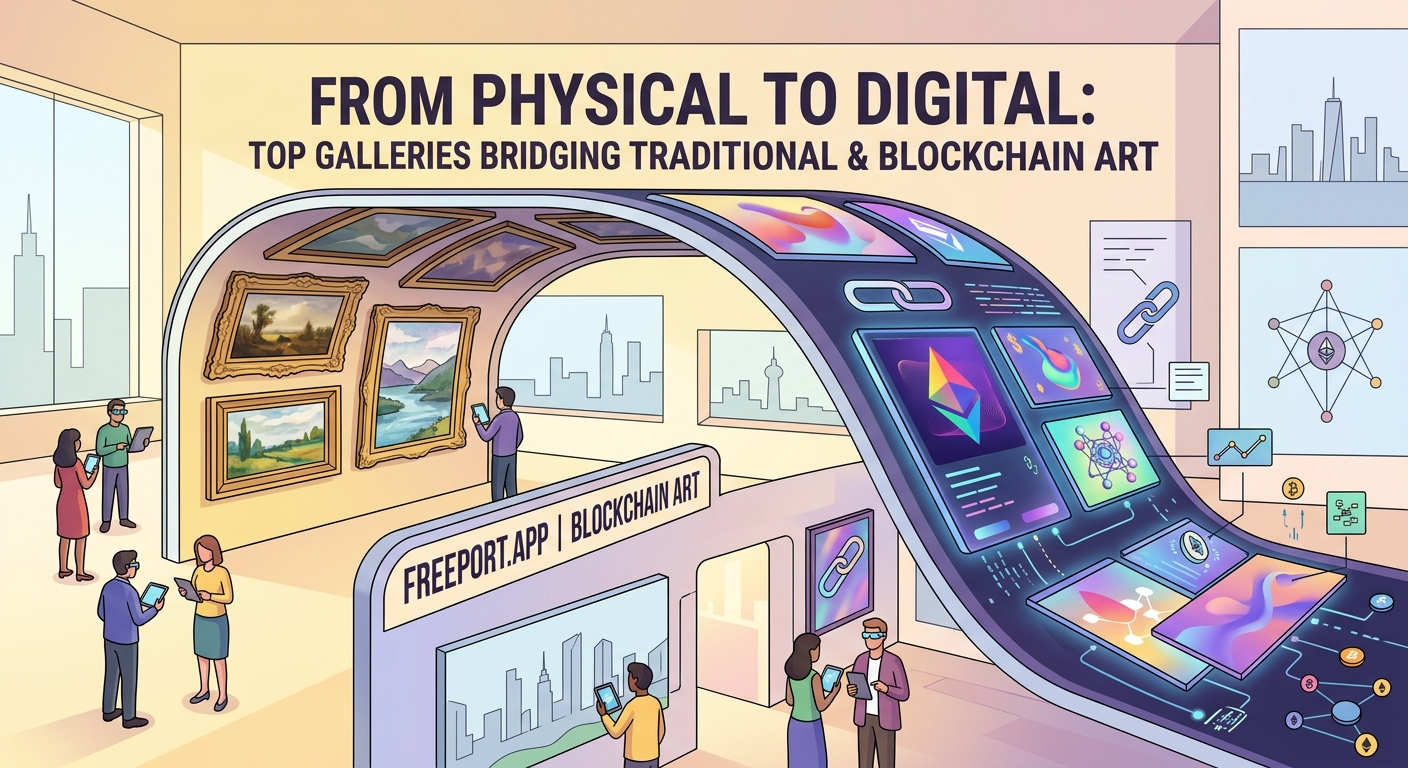
From Physical to Digital: Top Galleries Bridging Traditional and Blockchain Art
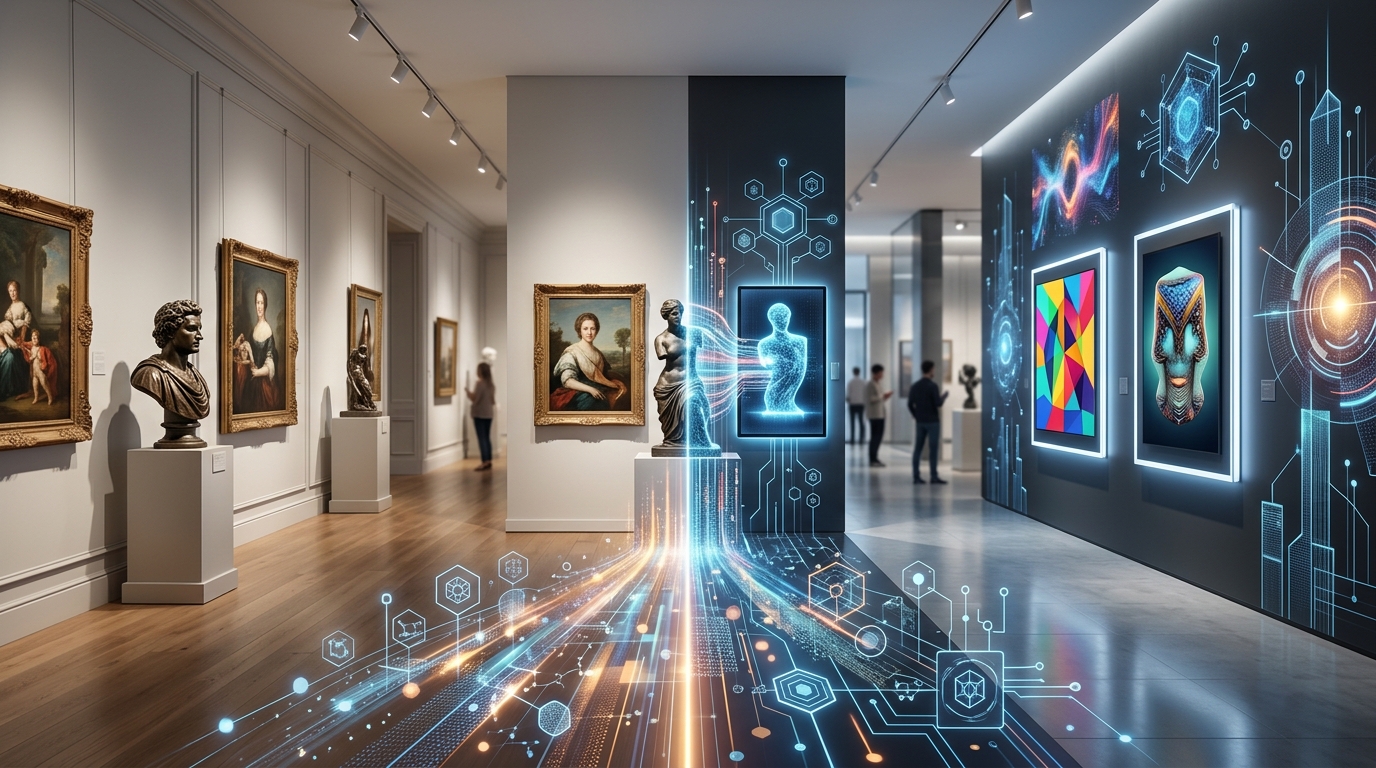
The art world is experiencing a transformation that would have seemed impossible a decade ago. Established galleries that once focused solely on oil paintings and sculptures now host NFT exhibitions alongside their traditional shows. This shift isn’t just about staying relevant. It’s about recognizing that art collectors today want access to both worlds without compromising on quality or credibility.
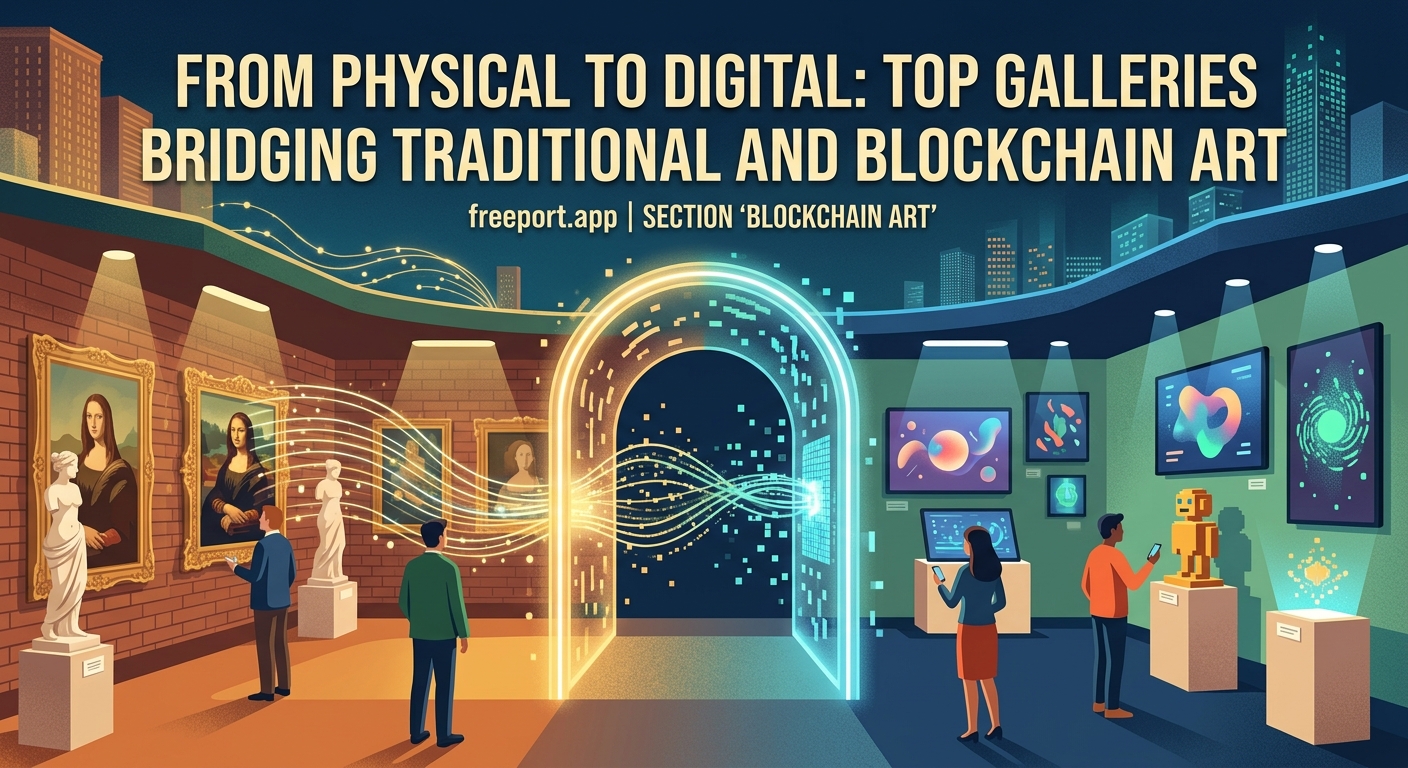
Leading galleries are successfully operating in both physical and digital art spaces by creating hybrid exhibition models, implementing blockchain verification systems, and building collector communities that value both mediums. These institutions maintain their traditional expertise while embracing new technologies, offering collectors authenticated experiences whether they’re purchasing a canvas or an NFT. The most successful galleries treat digital art with the same curatorial rigor as their physical collections.
Why established galleries are moving into blockchain art
Traditional galleries built their reputations over decades through careful curation and relationship building. That same expertise translates surprisingly well to digital art markets.
The transition makes business sense. Younger collectors who grew up with technology expect galleries to offer digital options. These buyers don’t see a conflict between owning a physical painting and collecting blockchain art. They want both.
Galleries also recognize that blockchain technology solves longstanding problems in the art world. Provenance tracking becomes transparent. How smart contracts are revolutionizing art ownership and provenance has changed how galleries verify authenticity and manage ownership records.
The financial incentives matter too. Digital art sales don’t require the same overhead as physical pieces. No shipping insurance, no climate controlled storage, no installation costs. Galleries can represent more artists and reach global audiences without opening new physical locations.
How hybrid galleries operate differently
Running a gallery that serves both markets requires new infrastructure and different thinking.
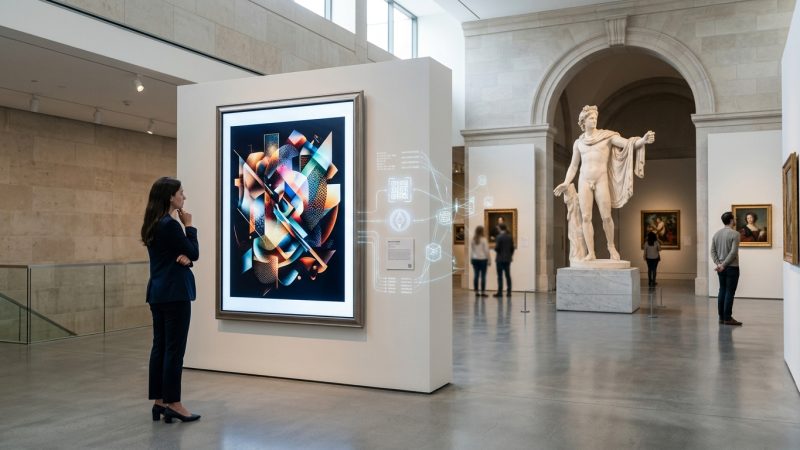
Physical spaces get reimagined. Many galleries now include digital display screens alongside traditional wall space. These aren’t just monitors showing JPEGs. High resolution displays present digital art with the same care given to hanging a painting. Lighting, placement, and presentation all receive the same attention.
Staff training becomes essential. Gallery employees need to understand wallet technology, blockchain networks, and digital art authentication. They must explain gas fees and smart contracts as comfortably as they discuss brushwork and composition.
The sales process adapts to accommodate both mediums. A collector might purchase a physical sculpture and an NFT in the same transaction. Galleries handle cryptocurrency payments while maintaining traditional payment systems. Some offer packages that bundle physical and digital works from the same artist.
“The best galleries don’t treat digital art as a separate category. They integrate it into their existing curatorial vision, selecting blockchain pieces with the same discernment they apply to traditional works.” – Gallery director with 15 years experience in both markets
Steps to identify credible hybrid galleries
Finding galleries that genuinely understand both worlds takes research. Not every institution claiming to bridge traditional and digital art actually does it well.
-
Check their exhibition history across both mediums. Credible galleries show consistent activity in physical and digital spaces, not just occasional NFT drops.
-
Review their artist roster for quality and diversity. Strong galleries represent established traditional artists alongside blockchain artists redefining contemporary digital art who have proven track records.
-
Examine their authentication processes. Reliable galleries provide detailed provenance for both physical and digital works, using blockchain verification where appropriate.
-
Assess their collector education efforts. Galleries that truly serve both markets create resources explaining how to authenticate digital art before adding it to your collection alongside traditional art evaluation.
-
Evaluate their platform stability. For digital sales, galleries should address concerns about what happens to your blockchain art when the platform shuts down.
What collectors gain from hybrid gallery relationships
Working with galleries that understand both markets offers distinct advantages over choosing separate dealers for each medium.
Unified expertise means better curation. Gallery directors who appreciate both traditional and digital art can help build coherent collections that span mediums. They understand how a generative NFT might complement a minimalist painting in your collection.
Simplified logistics make collecting easier. One relationship handles acquisitions, authentication, and collection management across both physical and digital holdings. You’re not juggling multiple platforms and dealer relationships.
Market insight becomes more comprehensive. Galleries operating in both spaces see trends and opportunities that specialized dealers might miss. They can advise when to build a valuable digital art collection from scratch versus focusing on traditional acquisitions.
Community access expands your network. Hybrid galleries host events bringing together collectors from both worlds. These connections often lead to better acquisition opportunities and deeper market understanding.
Common mistakes galleries make when bridging mediums
Not every attempt to merge traditional and digital art succeeds. Some galleries stumble in predictable ways.
| Mistake | Why It Happens | Better Approach |
|---|---|---|
| Treating NFTs as novelties | Viewing digital art as a trend rather than a medium | Apply same curatorial standards to all work regardless of format |
| Inadequate technical infrastructure | Underestimating blockchain complexity | Invest in proper wallet security and platform reliability |
| Separate branding for digital offerings | Fear of alienating traditional collectors | Integrate both mediums under unified gallery identity |
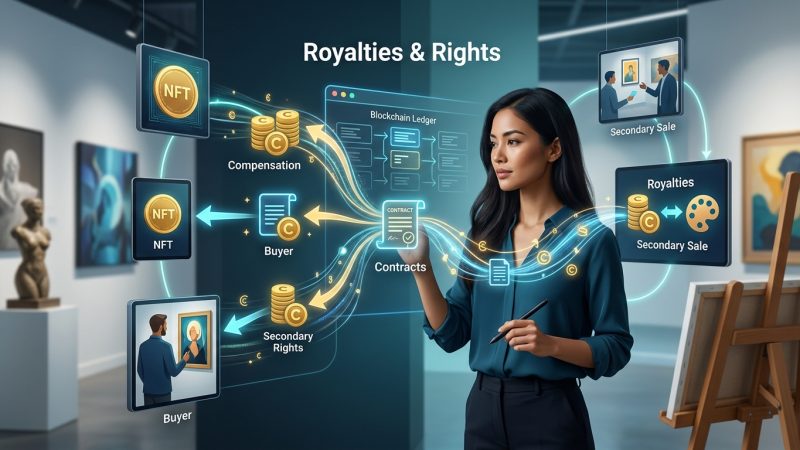
| Neglecting artist royalties | Not understanding smart contract capabilities | Implement royalties and rights understanding for artist compensation |
| Poor collector education | Assuming buyers understand both markets | Create comprehensive resources for traditional and digital collecting |
The most damaging mistake is inconsistent quality standards. Galleries that carefully curate physical exhibitions but accept mediocre digital work undermine their credibility in both markets.
Technical considerations for digital art in gallery settings
Presenting blockchain art in physical spaces creates unique challenges that galleries must solve thoughtfully.
Display technology matters enormously. The screens showing digital art need color accuracy matching museum standards. Refresh rates must eliminate flicker. Brightness levels should complement ambient gallery lighting without overwhelming nearby physical works.
Security becomes more complex. Physical galleries already protect valuable objects, but digital art requires additional measures. Wallet security, private key management, and blockchain network monitoring all become part of gallery operations.
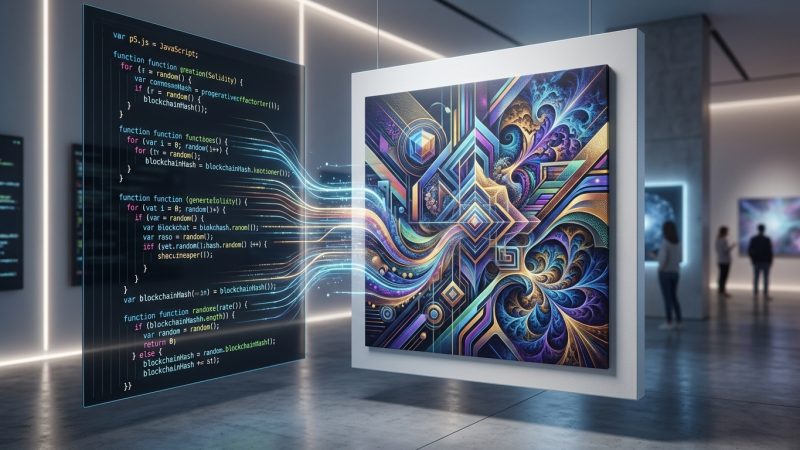
Generative art on the blockchain where code meets canvas presents special display considerations. These works often change over time or respond to data inputs. Galleries need systems that properly execute and present these dynamic pieces.
Environmental concerns arise differently. While digital art eliminates shipping emissions, the energy consumption of certain blockchain networks raises questions. Forward thinking galleries address these concerns by working with energy efficient networks or supporting carbon offset programs.
How institutional adoption validates hybrid models
Major museums entering the blockchain art space has legitimized galleries operating in both markets.
Why museums are building blockchain art collections demonstrates that digital art deserves the same institutional recognition as traditional mediums. When prestigious museums acquire NFTs, it validates the work of galleries that have been bridging these worlds.
This institutional support creates a positive feedback loop. Museums developing blockchain collections need knowledgeable dealers and galleries to guide acquisitions. Galleries with hybrid expertise become valuable partners to these institutions.
The relationship benefits collectors too. Seeing museum quality digital art exhibitions helps buyers understand what distinguishes exceptional blockchain art from speculative projects. Galleries can reference these institutional shows when educating collectors about quality standards.
Building collections across both mediums
Collectors working with hybrid galleries often develop more sophisticated collecting strategies than those focused on a single medium.
Diversification happens naturally. A gallery relationship spanning both traditional and digital art encourages collectors to think about how different mediums complement each other. A collector passionate about abstract expressionism might discover connections to certain generative art practices.
Budget allocation becomes more flexible. Digital art often has lower entry points than comparable traditional works. This allows collectors to acquire pieces from emerging artists while saving for major traditional acquisitions. The gallery can help balance these investments based on market conditions and collection goals.
Authentication processes benefit from blockchain integration. Some galleries now use blockchain technology to verify provenance for both digital and physical works. This unified approach to AI generative models reshaping digital art authentication strengthens confidence across the entire collection.
Market dynamics in hybrid gallery spaces
Galleries operating in both markets navigate distinct but sometimes overlapping economic forces.
Traditional art markets move slowly. Prices for established artists change gradually. Auction results and gallery sales create documented price histories. Collectors and dealers have decades of market data informing decisions.
Digital art markets behave differently. Prices can shift rapidly based on platform activity, artist visibility, and broader cryptocurrency market conditions. Why blue chip NFT collections maintain value during market downturns reveals patterns that smart galleries use to guide collector decisions.
Hybrid galleries help collectors understand these different dynamics. They can explain why a traditional painting might appreciate steadily over years while a digital work from the same artist could see more volatile pricing. This education helps collectors make informed decisions rather than applying traditional market assumptions to digital acquisitions.
Secondary market considerations differ significantly. Traditional art resales typically happen through galleries or auction houses. Digital art trades on various platforms with different fee structures and liquidity levels. Galleries that understand both ecosystems provide better long term value to collectors.
Artist relationships in hybrid gallery models
Representing artists working in both mediums requires galleries to adapt their traditional artist relationship models.
Contract structures become more complex. Traditional gallery agreements cover consignment, commission rates, and exhibition schedules. Digital art agreements must also address smart contracts revolutionizing art royalties in web3, platform choices, and edition limits.
Some artists create exclusively in one medium while others work across both. Galleries need flexibility to support different creative practices. An artist might produce physical paintings for gallery shows while releasing digital editions that reach different collector bases.
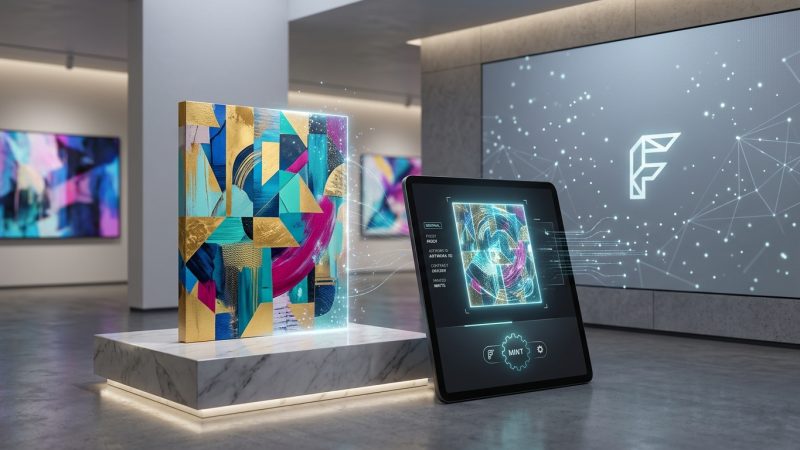
Exhibition planning integrates both formats. A solo show might feature physical works in the gallery space with digital pieces available through companion online viewing rooms. Opening events can include live minting of new digital works alongside traditional unveilings.
Career development strategies consider both markets. Galleries help artists understand when to release physical versus digital works based on market conditions, collector interest, and creative momentum. This guidance helps artists build sustainable practices across mediums.
The future landscape for galleries bridging both worlds
The galleries successfully operating in both traditional and digital spaces today are building models that will likely define art dealing for decades.
Technology integration will deepen. As display technology improves and blockchain infrastructure matures, the distinction between showing physical and digital art will continue blurring. Galleries investing in these capabilities now position themselves as leaders.
Collector expectations will continue evolving. Younger collectors already expect galleries to offer both options. As this demographic gains more buying power, galleries without digital capabilities will find themselves at a disadvantage.
Regulatory frameworks will clarify. Current ambiguity around digital art taxation, cross border transactions, and ownership rights will resolve over time. Galleries navigating these issues now will have valuable expertise as regulations solidify.
New hybrid formats will emerge. We’re already seeing physical artworks with blockchain authentication and digital pieces that include physical components. The complete guide to minting your first fine art NFT represents just the beginning of creative possibilities at this intersection.
Finding your place in this evolving market
Whether you’re an established collector considering digital art or a blockchain native curious about traditional works, galleries bridging both worlds offer valuable entry points.
Start by visiting galleries that show genuine commitment to both mediums. Look for spaces where digital and physical works share exhibition space rather than being segregated. The best galleries treat all art with equal seriousness regardless of format.
Ask questions about authentication, storage, and long term value preservation for both types of work. Credible galleries have clear answers about how they protect and verify art in any medium.
Build relationships with gallery staff who understand your interests across both markets. These connections become invaluable as you develop your collection and navigate new opportunities.
The art world’s transformation isn’t about choosing between traditional and digital. It’s about recognizing that both mediums offer unique value and that the best galleries help collectors appreciate and acquire exceptional work in any format. The institutions successfully bridging these worlds today are creating the blueprint for how art will be collected, displayed, and valued for generations to come.