How Provenance Tracking Is Transforming Art Authentication and Valuation
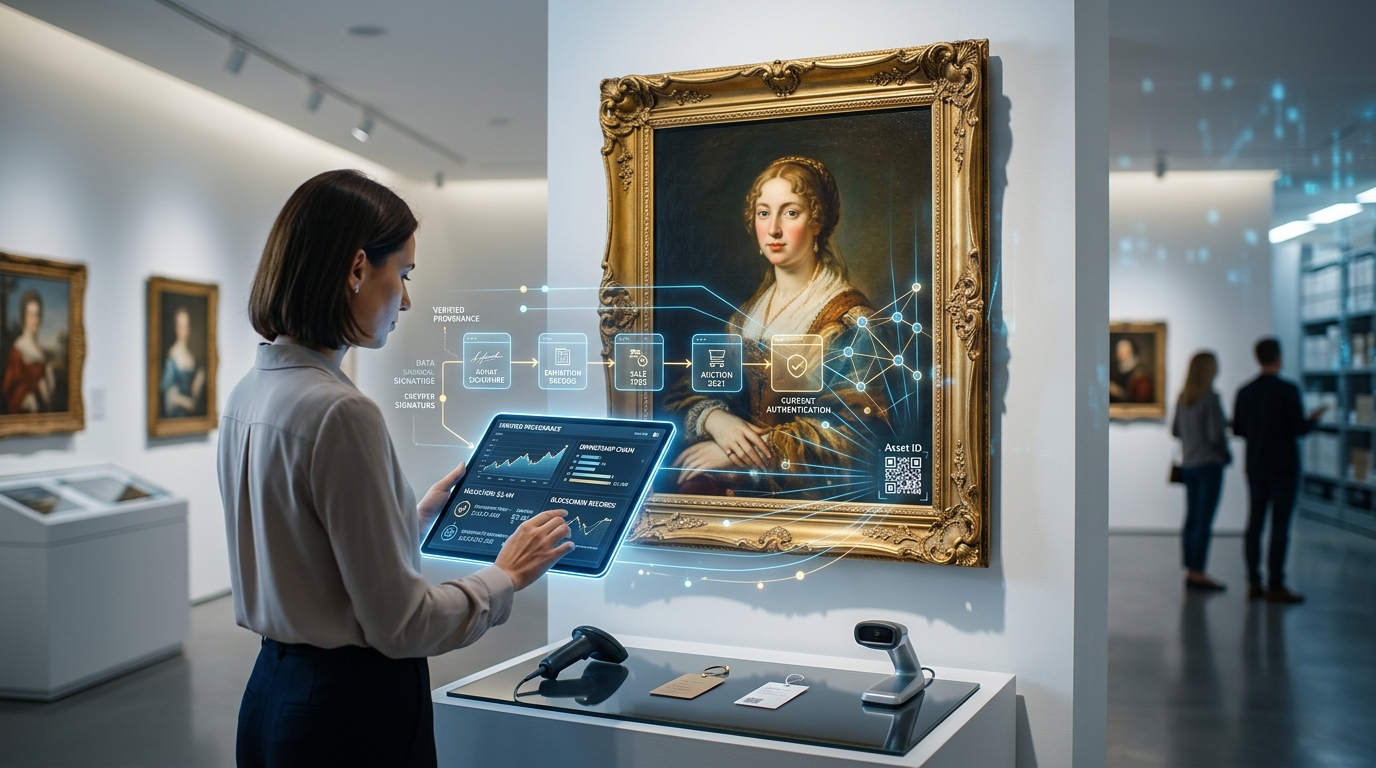
A stolen Rembrandt surfaced at an auction in 2019, nearly four decades after it vanished from a Swedish museum. The painting was authentic. The provenance was not. That gap cost the consigning party millions and triggered a legal battle that stretched across three countries. Stories like this happen more often than the art world admits, and they reveal a fundamental truth: a masterpiece without a verified ownership history is just expensive pigment on canvas.
Provenance tracking art authentication combines traditional documentation with blockchain technology to create tamper-proof ownership records. This dual approach helps collectors verify authenticity, establish value, detect forgeries, and protect investments. Modern systems now link physical artworks to digital certificates, creating transparent chains of custody that reduce fraud and increase market confidence across galleries, auction houses, and private collections.
What provenance tracking actually means for authentication
Provenance is the documented history of an artwork from creation to current ownership. Every sale, exhibition, restoration, and transfer gets recorded. Think of it as a birth certificate combined with a complete medical record and a detailed travel log.
Authentication relies on this paper trail to confirm three things: the work is genuine, the seller has legal right to sell it, and the asking price reflects accurate market positioning.
Traditional provenance used physical documents. Bills of sale. Exhibition catalogs. Auction records. Letters from artists or estates. Photographs showing the work in documented collections. Each piece of evidence builds credibility, but paper can be forged, lost, or deliberately destroyed.
Modern provenance tracking art authentication adds a digital layer. Blockchain creates immutable records that cannot be altered retroactively. How smart contracts are revolutionizing art ownership and provenance through automated verification systems that trigger when ownership changes hands.
The combination matters more than either method alone. Physical documentation provides historical depth. Digital records ensure future transparency. Together, they create a verification system that works for Old Masters and contemporary pieces alike.
Why authentication failures cost more than money
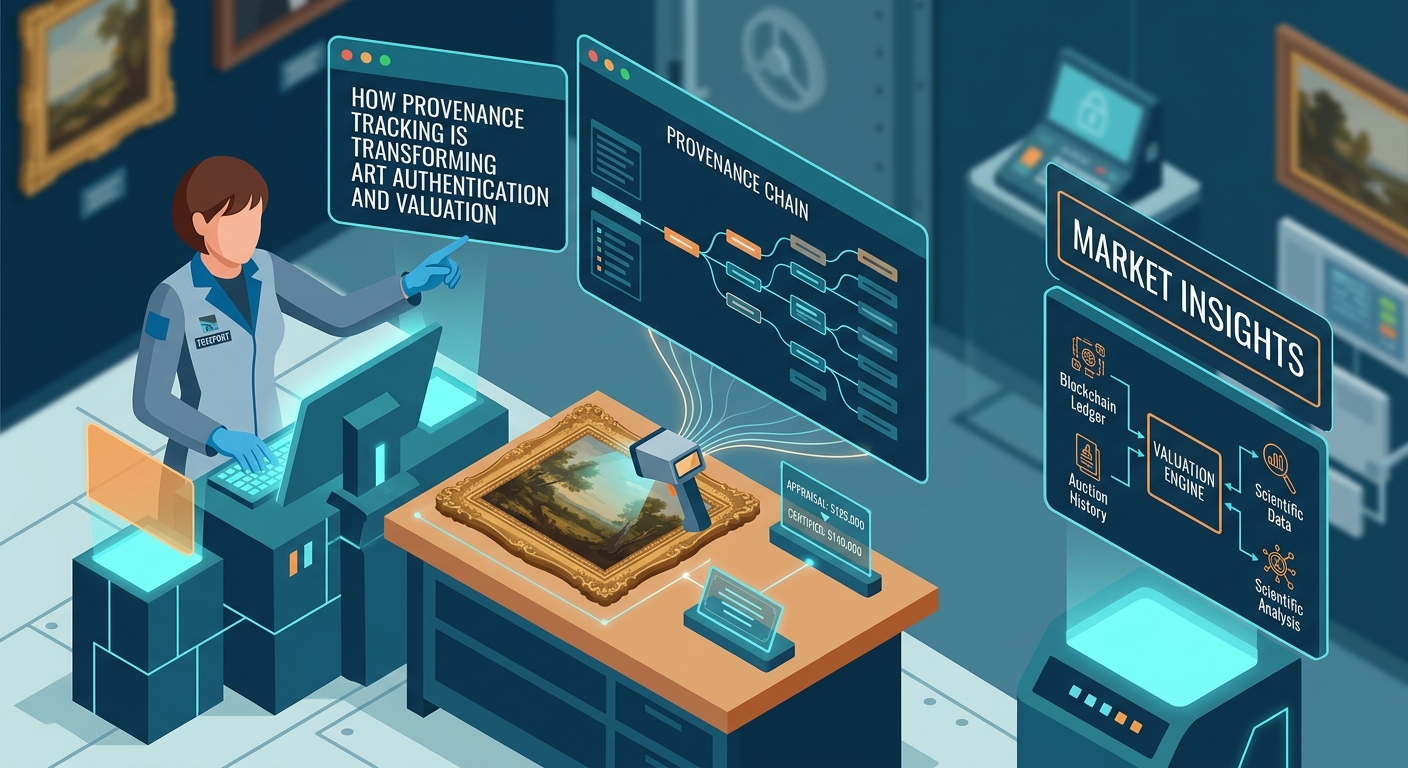
A forged Modigliani sold for $3.2 million in 2018. The buyer discovered the fraud two years later. Legal fees exceeded the purchase price. The gallery’s reputation collapsed. Insurance companies refused future coverage. The ripple effects touched dozens of transactions.
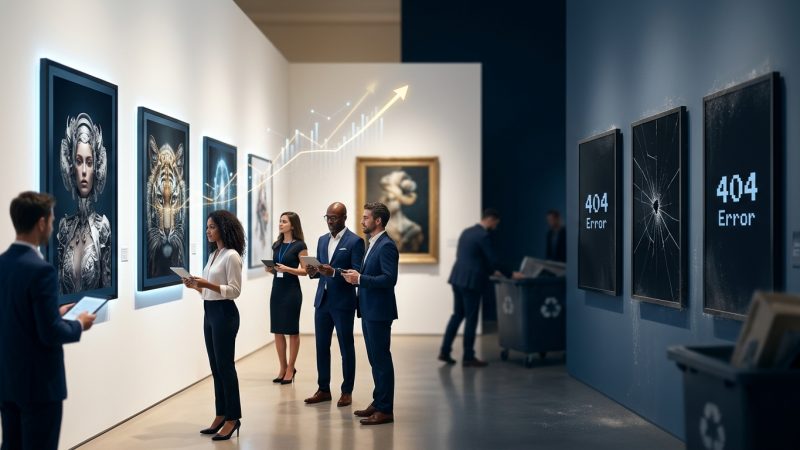
Authentication mistakes destroy trust across entire market segments. When a major auction house authenticates a fake, collectors question every piece in that category. Prices drop. Legitimate sellers suffer. Artists lose income.
Provenance gaps create similar damage. A painting with unclear ownership between 1933 and 1945 raises immediate red flags about Nazi-era looting. Even innocent gaps trigger expensive legal reviews. Buyers walk away. Values plummet.
The financial impact extends beyond individual transactions:
- Insurance premiums increase for works with incomplete records
- Auction houses impose higher seller commissions to offset risk
- Museums reject donations lacking clear provenance
- Tax deductions get denied without proper documentation
- Estate settlements face lengthy delays and legal challenges
These costs compound over time. A $50,000 painting with questionable provenance might sell for $30,000. That same piece with complete documentation could fetch $75,000. The difference represents real money lost to uncertainty.
Traditional authentication methods still matter
Physical examination remains the foundation of art authentication. Experts analyze brushstrokes, pigment composition, canvas weave, and frame construction. X-rays reveal underlying sketches. Infrared photography exposes later additions. Chemical analysis dates materials.
These techniques work because forgers struggle to replicate period-specific materials and methods. A painting supposedly from 1650 that contains titanium white pigment (invented in 1916) is definitively fake. Wood panels can be dendrochronologically dated. Canvas weave patterns match specific mills and time periods.
Stylistic analysis adds another verification layer. Experts study thousands of authentic works to recognize an artist’s unique characteristics. Brushstroke pressure. Color mixing preferences. Compositional habits. Signature evolution over time.
Connoisseurship combines all these elements with deep market knowledge. Experienced specialists develop an eye for authenticity that transcends individual technical tests. They notice details that algorithms miss.
But traditional methods have limits. Expert opinions can conflict. Scientific tests get misinterpreted. Provenance documents can be faked with period-appropriate paper and ink. That’s where modern tracking systems add critical value.
How blockchain changes the provenance game
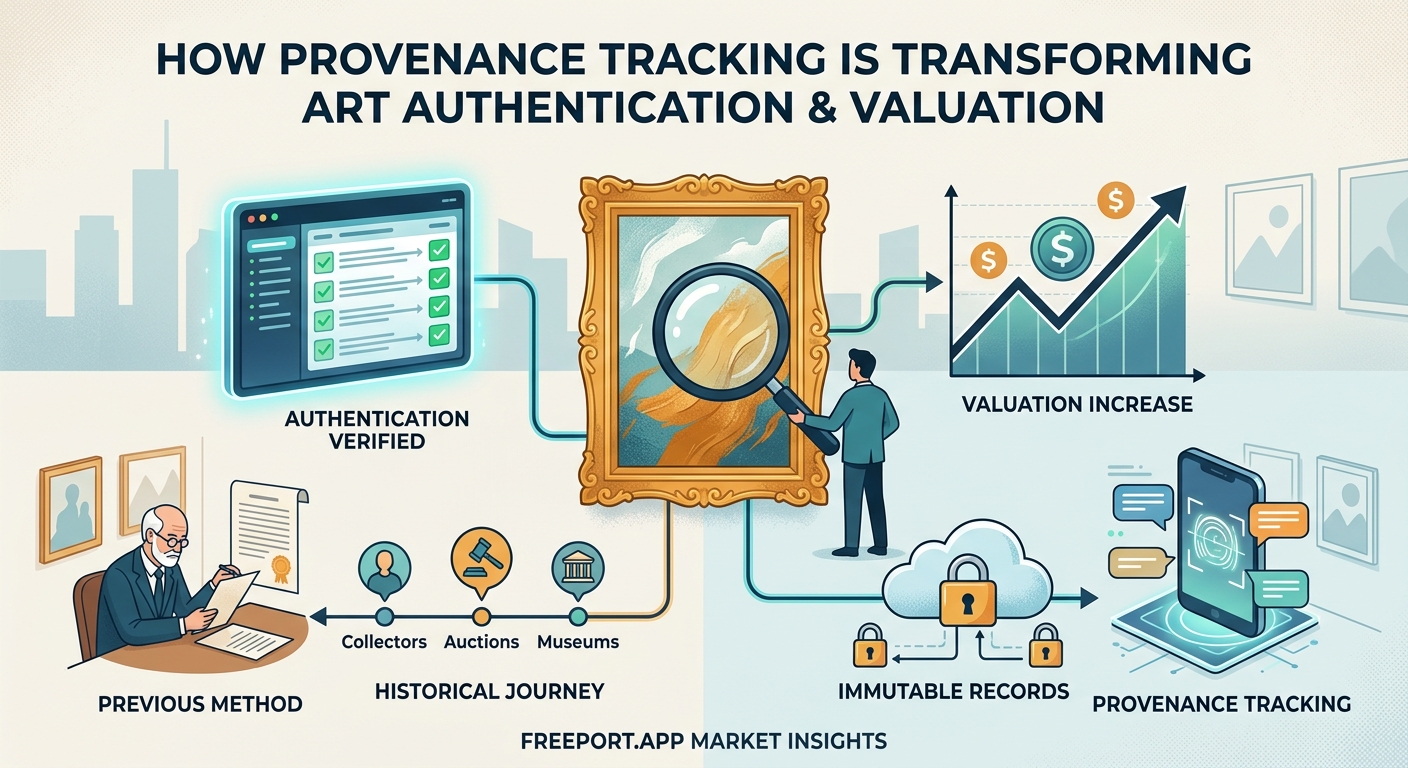
Blockchain creates permanent, transparent ownership records that anyone can verify but nobody can alter. Each transaction gets timestamped and linked to previous transfers, building an unbreakable chain back to the artwork’s origin.
How to authenticate digital art before adding it to your collection using these distributed ledgers that eliminate single points of failure. No central authority controls the records. No individual can delete inconvenient history.
Smart contracts automate verification steps. When a painting sells, the contract checks that the seller actually owns the piece, confirms payment, and transfers the digital certificate simultaneously with physical delivery. How smart contracts are revolutionizing royalties for digital collectors and creators by embedding payment terms directly into ownership records.
Physical artworks connect to blockchain records through several methods:
- Microscopic tags embedded in paint or canvas that link to digital certificates
- High-resolution photographic fingerprints capturing unique surface characteristics
- DNA markers mixed into varnish or frame materials
- Near-field communication chips attached to frames or backing boards
- Cryptographic seals that break if removed, triggering alerts in the blockchain record
These physical-digital bridges make it nearly impossible to separate an authentic work from its verified history. A thief who steals a tagged painting cannot sell it through legitimate channels because the blockchain still shows the rightful owner.
Building a complete provenance record step by step
Creating bulletproof provenance requires systematic documentation from the moment an artwork enters the market. Here’s the process professionals use:
- Document the creation event with dated photographs, studio records, and artist statements
- Record the first sale with contracts, payment receipts, and transfer certificates
- Photograph the work in each new location with dated, geotagged images
- Maintain exhibition records including catalog entries, installation photos, and loan agreements
- Document any restoration work with before/after images and conservator reports
- Archive all correspondence related to the piece, including authentication requests
- Create blockchain entries for each ownership transfer with linked physical documentation
- Update insurance records and appraisals at regular intervals
- Register the work with relevant artist estates, foundations, or catalogue raisonné projects
- Store all documentation in multiple formats and locations to prevent loss
Each step adds verification layers that compound over time. A painting with 50 years of documented exhibition history, multiple published references, and continuous ownership records becomes nearly impossible to dispute.
The key is consistency. Gaps raise questions. Complete records build confidence. The complete guide to storage and security for high-value digital assets explains how to protect these critical documents.
Common authentication mistakes that destroy value
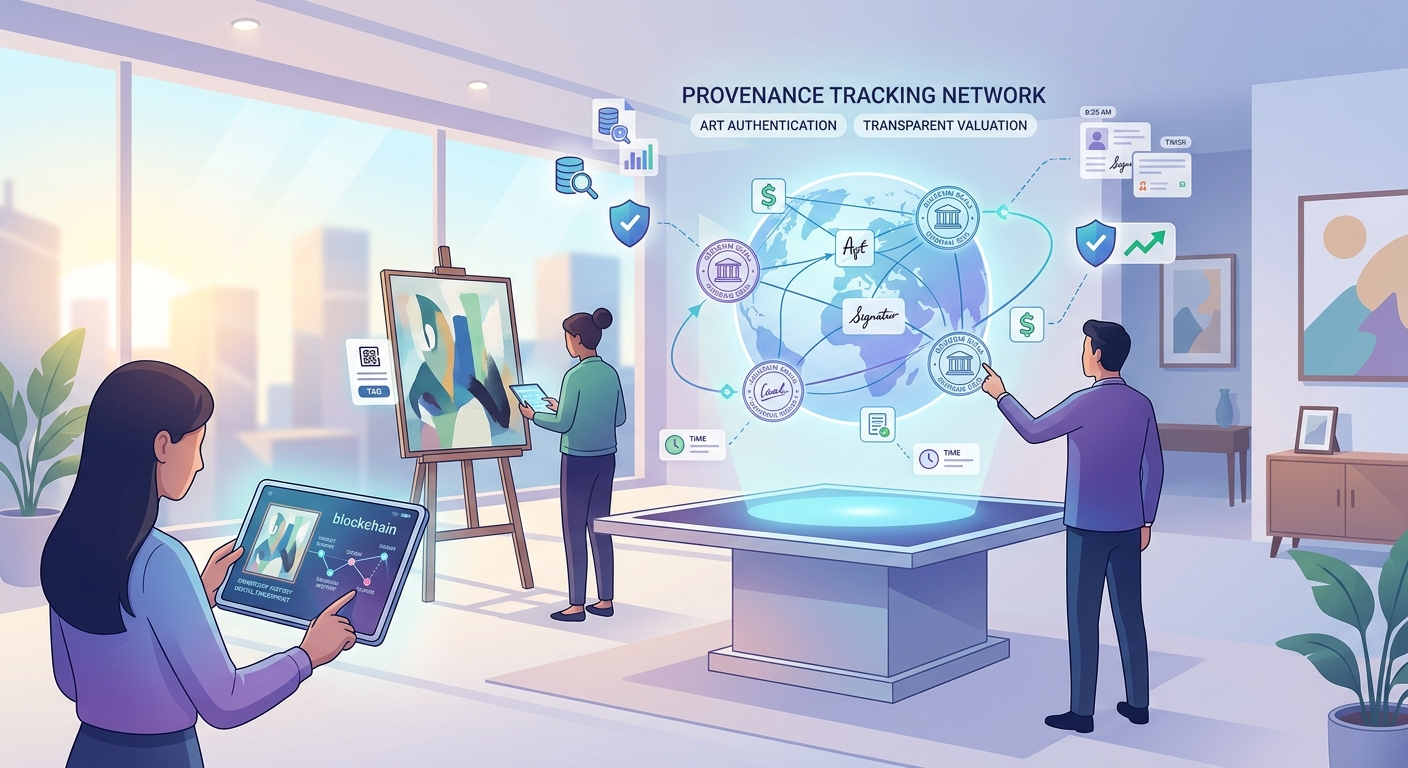
Even experienced collectors make errors that damage provenance and reduce values. Understanding these pitfalls helps you avoid expensive mistakes.
| Mistake | Why It Matters | How to Avoid It |
|---|---|---|
| Accepting verbal provenance | Undocumented claims have zero legal weight | Demand written records for every ownership claim |
| Ignoring exhibition gaps | Unexplained periods suggest theft or forgery | Investigate and document all timeline gaps |
| Trusting single expert opinions | Individual experts can be wrong or biased | Obtain multiple independent authentications |
| Skipping condition reports | Hidden damage affects both value and authenticity | Commission professional condition assessments |
| Neglecting artist estate registration | Unregistered works face authentication challenges | Register with official catalogue raisonné projects |
| Failing to photograph purchases | Visual records prove ownership and condition | Document every acquisition with dated images |
| Mixing storage with unverified works | Association with fakes damages legitimate pieces | Segregate authenticated works from questionable items |
| Delaying blockchain registration | Early digital records carry more weight | Create blockchain entries at time of purchase |
The restoration mistake deserves special attention. Aggressive cleaning or repainting can destroy authentication evidence. Always consult conservation specialists before any restoration work. Document the piece’s condition beforehand. Use only reversible treatments. Maintain detailed records of all interventions.
What auction houses look for in provenance documentation
Major auction houses employ dedicated provenance research teams that scrutinize every submission. They want specific documentation types that meet legal and ethical standards.
Primary source documents carry the most weight. These include:
- Original bills of sale with signatures and dates
- Artist studio records or inventory books
- Estate papers and inheritance documents
- Museum acquisition records and deaccession papers
- Gallery consignment agreements and sales receipts
Secondary sources provide supporting evidence:
- Exhibition catalogs showing the specific work
- Published art historical research mentioning the piece
- Auction records from previous sales
- Photographs of the work in documented collections
- Conservation reports from recognized institutions
From physical to digital: top galleries bridging traditional and blockchain art by requiring both documentation types for all consignments.
Auction houses also check for red flags that suggest problematic provenance:
- Ownership during World War II without clear documentation
- Recent surfacing after decades of absence from public record
- Provenance that relies entirely on private collections with no verification
- Documents that cannot be independently confirmed
- Gaps that coincide with known theft periods or political upheaval
When documentation meets their standards, auction houses provide their own authentication guarantee. This institutional backing significantly increases buyer confidence and final sale prices.
How authentication affects insurance and appraisal
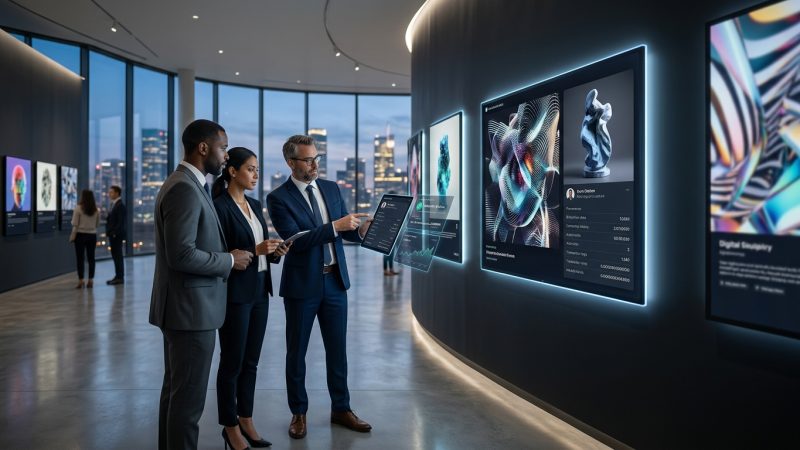
Insurance companies price policies based on authentication certainty. A fully documented work with blockchain provenance and multiple expert opinions qualifies for lower premiums than a piece with questionable history.
Appraisers assign value multipliers to provenance quality:
- Complete documentation with blockchain verification: 100% of estimated market value
- Strong traditional provenance without digital records: 85-95% of market value
- Partial documentation with some gaps: 60-80% of market value
- Weak or contested provenance: 40-60% of market value
- No verifiable provenance: 20-40% of market value
These percentages translate to real money. A painting with $100,000 market potential might appraise at only $30,000 without proper documentation. The same work with complete provenance tracking art authentication could appraise at $110,000 or higher if the documented history includes prestigious collections or important exhibitions.
Insurance replacement values follow similar patterns. Insurers want certainty they’re covering authentic works at accurate values. Strong provenance provides that certainty. Weak documentation triggers higher deductibles and coverage limits.
“We’ve seen authentication quality determine whether a claim gets paid or denied. A fire destroys a collection, and the owner files for $5 million in losses. If the provenance documentation burned too, proving those values becomes nearly impossible. Blockchain records stored off-site solve that problem completely.” — Senior underwriter at a major art insurance firm
Emerging technologies reshaping authentication
Artificial intelligence now analyzes brushstrokes and compositions with superhuman precision. Machine learning algorithms study thousands of authenticated works to identify patterns invisible to human experts. How AI generative models are reshaping digital art authentication through pattern recognition that catches sophisticated forgeries.
Spectroscopy techniques continue advancing. Portable devices now analyze pigment composition on-site without removing samples. These tools detect anachronistic materials that prove forgery while confirming period-appropriate components in authentic works.
Quantum dots embedded in paint create unforgeable signatures readable under specific light wavelengths. Artists and galleries increasingly use these markers for new works, building authentication into the creation process.
Decentralized storage ensures provenance records survive platform failures. Decentralized storage wars: IPFS vs Arweave for long-term NFT preservation compares systems that keep authentication data accessible for centuries.
These technologies work best in combination. AI flags suspicious works for expert review. Spectroscopy confirms or refutes those suspicions. Blockchain records the findings. Physical markers link the work to its digital history. Each layer adds verification strength.
Practical steps for collectors starting today
You don’t need to overhaul your entire collection overnight. Start with high-value pieces and works you plan to sell soon. Build authentication documentation systematically.
Begin with what you have:
- Gather all existing purchase records, receipts, and correspondence
- Photograph each work from multiple angles with current date stamps
- Research exhibition history through gallery and museum archives
- Contact previous owners if their information is available
- Check published references in art databases and auction records
Add new documentation layers:
- Commission condition reports from qualified conservators
- Obtain written authentications from recognized experts
- Register works with artist estates or catalogue raisonné projects
- Create blockchain certificates through established art platforms
- Consider physical tagging for works worth over $50,000
How to build a valuable digital art collection from scratch in 2026 using these same documentation principles from the first purchase.
Store documentation properly:
- Keep physical records in fireproof, waterproof containers
- Maintain digital copies in cloud storage with redundant backups
- Share copies with your insurance company and estate attorney
- Update records whenever the work moves, sells, or gets restored
- Review and refresh documentation every five years
The investment pays off immediately. Better documentation increases values, lowers insurance costs, and speeds future sales. 7 red flags every digital collector should watch for before buying includes missing provenance as a top warning sign.
Why incomplete provenance isn’t always a deal breaker
Some legitimate works have documentation gaps for innocent reasons. Artists gave pieces to friends without formal bills of sale. Private collectors kept works for decades without public exhibition. Families inherited art without maintaining detailed records.
Context determines whether gaps matter. A painting that left the artist’s studio in 1920 and surfaced in a family estate sale in 2025 might have a simple explanation. The family bought it directly, hung it in their home, and never thought about documentation. If the family can provide photos showing the work in their house over multiple decades, that visual evidence helps fill the gap.
Problematic gaps cluster around specific periods:
- 1933-1945 in Europe (Nazi looting)
- 1960s-1970s in Italy (organized art theft)
- 1990s in Eastern Europe (post-Soviet smuggling)
- 2000s-2010s in Middle East (conflict zone looting)
Works with gaps during these periods need extraordinary documentation to overcome suspicion. But gaps in quiet periods with reasonable explanations don’t automatically destroy value.
Professional researchers can sometimes reconstruct missing provenance through archival work. Gallery records, artist correspondence, exhibition reviews, and period photographs often survive even when sales documents don’t. Why museums are building blockchain art collections includes creating digital archives that help researchers fill historical gaps.
The key is transparency. Disclose known gaps upfront. Provide context. Share your research efforts. Buyers appreciate honesty and often accept reasonable explanations backed by whatever documentation exists.
Building authentication into future purchases
The easiest way to ensure strong provenance is creating it from the beginning. When you buy new work, establish documentation standards that protect your investment.
Before purchasing:
- Verify the seller’s ownership through blockchain records or traditional documentation
- Request complete provenance history in writing
- Obtain certificates of authenticity from artists or authorized representatives
- Photograph the work in the seller’s possession with date stamps
- Review any existing condition reports or conservation records
At purchase:
- Execute written sales agreements with detailed work descriptions
- Document payment through traceable methods that create permanent records
- Create or update blockchain certificates transferring ownership
- Photograph the work during handoff with all parties present
- Obtain signed transfer documents from the seller
After purchase:
- Register ownership with relevant databases and artist estates
- Update insurance coverage with new documentation
- Create secure backup copies of all records
- Consider adding physical authentication markers
- Document the work’s location and condition regularly
The complete guide to minting your first fine art NFT walks through creating blockchain provenance for digital works from inception.
These habits become automatic after a few purchases. The documentation you create today protects your heirs decades from now. It ensures smooth sales when you’re ready to sell. It maximizes values by eliminating uncertainty.
How provenance tracking protects against fraud
Sophisticated forgery rings operate globally, producing fake works that fool even experts. Strong provenance tracking creates multiple verification checkpoints that make large-scale fraud nearly impossible.
Consider how a forger must operate without blockchain tracking. They create a fake Picasso. They forge bills of sale from deceased collectors. They fabricate exhibition records. They might succeed if buyers only check surface documentation.
Now add blockchain verification. The forger needs to hack distributed ledgers across multiple nodes. They need to create fake entries that match cryptographic signatures from previous owners. They need to fool physical authentication markers embedded in legitimate works. The difficulty increases exponentially.
Real-world examples prove the point. In 2021, investigators broke up a forgery ring that produced over 1,000 fake works by major artists. The scheme collapsed when buyers started checking blockchain records that didn’t match the forged paper trail. The discrepancy triggered investigations that exposed the entire operation.
What happens to your blockchain art when the platform shuts down? addresses concerns about digital record permanence and shows why decentralized systems resist manipulation.
Layered verification catches fraud that single methods miss. Paper documents can be forged. Expert opinions can be bought. But creating a complete fake provenance across physical markers, blockchain records, archival documentation, and scientific analysis requires resources and skills beyond most criminals’ capabilities.
Making authentication work for your collection
Provenance tracking art authentication isn’t just for museum-quality masterpieces. Any work worth insuring deserves proper documentation. The methods scale to your collection size and budget.
Small collections benefit from basic practices. Photograph everything. Keep purchase receipts. Maintain a simple spreadsheet tracking acquisitions, locations, and values. Store digital copies in cloud services. This minimal effort protects 80% of your investment for almost no cost.
Mid-sized collections justify professional help. Hire appraisers who create detailed condition reports. Work with conservators who document restoration needs. Consider blockchain registration for works worth over $10,000. The investment typically returns 3-5 times its cost through higher values and lower insurance premiums.
Major collections require systematic approaches. Dedicated provenance researchers. Regular conservation assessments. Comprehensive blockchain integration. Physical authentication markers. Professional archiving systems. These costs run into thousands annually but protect millions in assets.
The right level depends on your goals. Casual collectors who buy for enjoyment need less documentation than investors building assets for resale. But everyone benefits from basic record-keeping that proves ownership and tracks value over time.
Start where you are. Use what you have. Build documentation gradually. Each improvement adds protection and value. The collection you build today becomes the legacy you leave tomorrow, and proper authentication ensures that legacy transfers intact to the next generation.
Your art deserves a story as compelling as the work itself. Provenance tracking gives every piece that story, backed by evidence that withstands scrutiny and time. Whether you’re buying your first piece or managing a collection built over decades, the principles remain constant: document thoroughly, verify independently, and protect permanently. The market rewards certainty, and authentication provides exactly that.