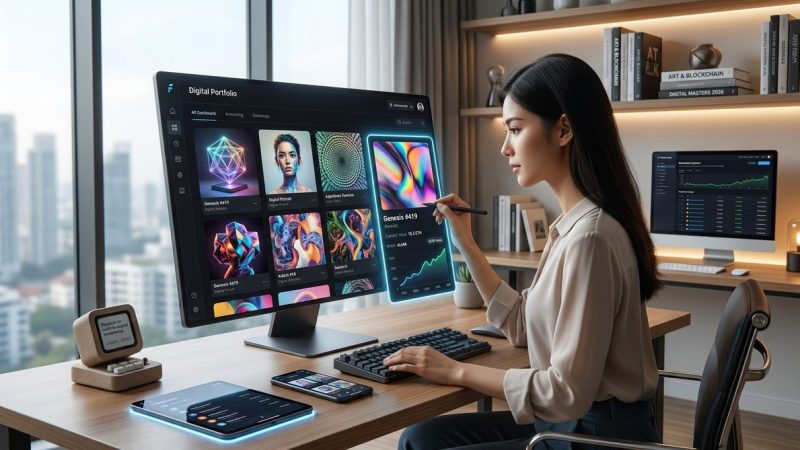
How to Build a Valuable Digital Art Collection from Scratch in 2026
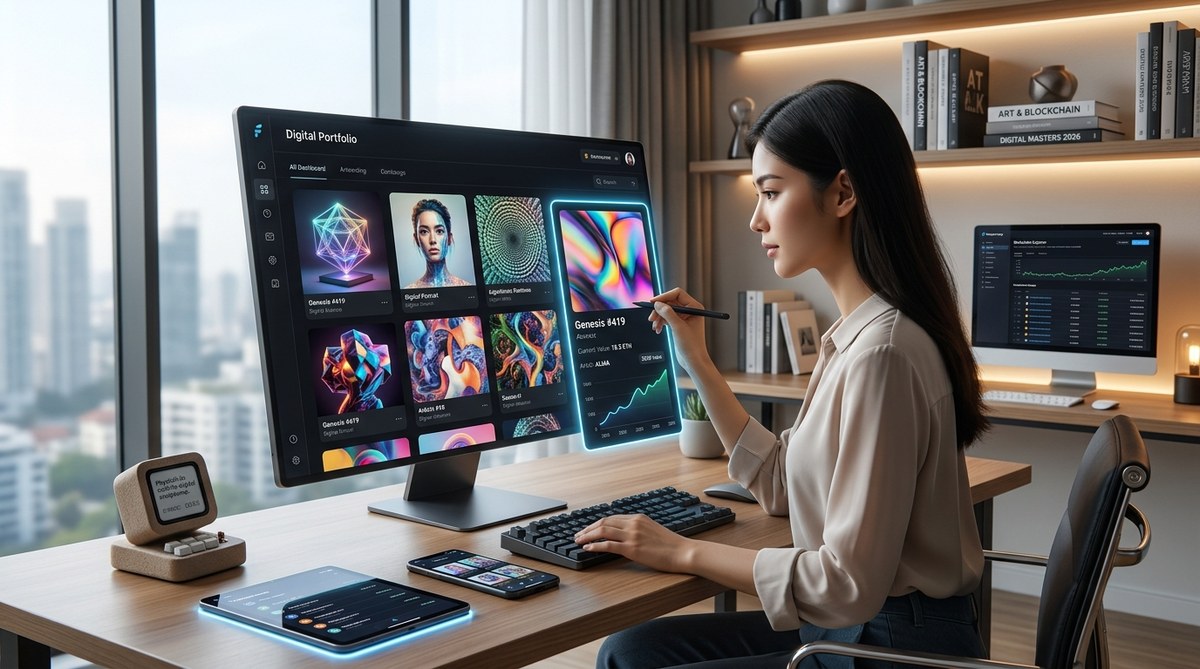
The art world used to live behind velvet ropes and gallery doors. Now it lives on your screen. Digital art collecting has opened up a space where you don’t need a trust fund or an art history degree to build something meaningful. You just need curiosity and a willingness to learn the basics.
Starting a digital art collection requires understanding platforms, setting realistic budgets, and learning verification basics. Focus on artists you connect with rather than chasing trends. Start small with editions or prints, build relationships with creators, and document everything. Most collectors begin with pieces under $500 and grow their knowledge alongside their collection over time.
Understanding what digital art actually means
Digital art isn’t just one thing. It covers everything from NFTs and blockchain-based pieces to generative art, digital photography, and motion graphics. Some digital art exists purely on screens. Other works get printed and framed just like traditional pieces.
The biggest shift happened when blockchain technology made digital scarcity possible. Before that, digital files could be copied infinitely with no way to prove ownership. Now, smart contracts track ownership and authenticity in ways that changed the entire market.
But not all digital art uses blockchain. Plenty of amazing digital artists sell their work as high-quality prints, limited editions, or files meant for digital frames. Your collection can include any combination of these formats.
The format matters less than understanding what you’re actually buying and how ownership works in each case.
Setting up your foundation before buying anything
You need a few things in place before you start collecting.
First, decide on a budget. Many new collectors start with $100 to $500 for their first few pieces. That range gives you real options without major financial risk. You can always increase your budget as you learn what resonates with you.
Second, choose how you want to display your collection. Digital frames have gotten much better and more affordable. Some collectors prefer prints. Others keep everything on their computers or in digital wallets. Your display preference will shape what kind of art makes sense for you.
Third, set up basic infrastructure. If you’re interested in blockchain art, you’ll need a crypto wallet. MetaMask and Rainbow are popular choices for beginners. If you’re sticking to traditional digital art platforms, a payment method and storage system for high-resolution files will do.
Don’t rush this setup phase. Taking a week or two to get organized will save you headaches later.
Where to actually find and buy digital art
Different platforms serve different types of collectors and artists.
For blockchain-based art:
- Foundation features curated artists with a focus on quality over quantity
- OpenSea offers the largest selection but requires more filtering
- SuperRare emphasizes single-edition pieces from established digital artists
- Tezos-based platforms like objkt.com provide lower transaction fees for beginners
For traditional digital art:
- Saatchi Art has a strong digital art category with various price points
- Artsy connects you with galleries representing digital artists
- Sedition specializes in limited edition digital works from contemporary artists
- Direct purchases from artist websites often offer the best prices
Each platform has different verification processes, fee structures, and communities. Spend time browsing before buying. Look at what sells, what gets attention, and what speaks to you personally.
Many collectors make the mistake of jumping on the first platform they hear about. Give yourself permission to window shop across multiple spaces for at least a few weeks.
How to evaluate digital art before purchasing
Valuing digital art combines subjective taste with objective research.
Start with the artist. Look at their exhibition history, social media presence, and previous sales. An artist with a consistent practice and growing recognition has more potential than someone who just started last month. Both can create beautiful work, but the context differs.
Check the edition size. A one-of-one piece carries different value than an edition of 100. Neither is inherently better, but scarcity affects pricing and future value.
Examine the technical quality. Digital art should display properly at high resolution without artifacts or compression issues. If you’re buying an NFT, verify that the actual artwork is stored properly, not just a link that could break.
Consider the artist’s community engagement. Artists who interact with collectors, share their process, and contribute to the broader art conversation tend to build more sustainable careers.
“The best digital art collections reflect the collector’s genuine interests, not what they think will appreciate. Your taste is your edge in a crowded market.”
This advice from established collectors holds true whether you’re spending $50 or $50,000.
Step by step process for making your first purchase
Here’s how to buy your first piece of digital art with confidence.
-
Identify an artist whose work genuinely moves you. Follow them for at least a week. Read about their practice. Look at multiple pieces, not just one.
-
Research the specific piece you want. Check comparable sales if available. Verify the edition size and format. Make sure you understand exactly what you’re buying.
-
Confirm the authenticity. On blockchain platforms, check the contract address and verify the artist’s verified status. For traditional platforms, ensure the artist is the actual seller.
-
Understand the rights you’re getting. Most digital art sales give you ownership of that specific piece but not reproduction rights. Some artists grant additional permissions. Read the terms.
-
Complete the purchase and secure your proof of ownership. For NFTs, that means the token in your wallet. For other digital art, save all receipts, certificates, and high-resolution files in multiple locations.
-
Document everything. Create a simple spreadsheet with purchase date, price, artist name, platform, and storage location. This becomes invaluable as your collection grows.
The entire process for your first piece might take a few days or a few weeks. That’s normal and healthy.
Common mistakes that cost new collectors money
| Mistake | Why It Happens | How to Avoid It |
|---|---|---|
| Buying based on hype alone | FOMO from social media trends | Wait 48 hours before any purchase over $200 |
| Ignoring gas fees and platform costs | Focusing only on artwork price | Calculate total cost including all fees upfront |
| Not verifying artist authenticity | Assuming platform verification is enough | Check artist’s official social media for confirmation |
| Keeping everything in one wallet | Convenience over security | Use hardware wallets for valuable pieces |
| Failing to back up files | Assuming platforms store forever | Download and back up all files you own |
| Chasing quick profits | Treating art like day trading | Focus on 2+ year holding periods minimum |
These mistakes show up repeatedly in collector stories. Learning from others’ experiences saves you both money and frustration.
Building relationships with artists and communities
The best collections come from relationships, not just transactions.
Comment thoughtfully on artists’ work before you buy. Ask genuine questions about their process. Share their work with proper credit when something resonates with you.
Join community spaces where your favorite artists hang out. Discord servers, Twitter Spaces, and platform-specific forums all offer ways to learn and connect. You’ll pick up knowledge about upcoming releases, technical tips, and market dynamics faster than any guide can teach you.
Attend virtual gallery openings and artist talks. Many are free and give you direct access to creators you admire. The barrier to entry is just showing up.
Consider commissioning work once you’ve built a relationship with an artist. Custom pieces often become the centerpieces of collections and create deeper connections than secondary market purchases.
Remember that artists are people building careers, not just content machines. Respect their time and labor. Pay asking prices without haggling on primary sales. If you can’t afford something, say so kindly and move on.
Growing your collection strategically over time
Start with a focus. Some collectors concentrate on a specific medium like generative art or digital photography. Others follow a theme like landscapes or portraiture. A few collect broadly but from a specific geographic region or time period.
Your focus will probably shift as you learn more. That’s fine. But having some organizing principle helps you make decisions and builds a more coherent collection.
Set a regular collecting budget. Maybe you buy one piece per quarter or allocate $100 monthly. Consistency matters more than amount. Regular collecting forces you to stay engaged and keep learning.
Mix price points as you grow. A collection of only cheap pieces or only expensive ones lacks dimension. Combining emerging artists with more established names creates balance and diversifies your risk.
Track your spending and holdings. Use a simple spreadsheet or specialized collection management software. Knowing what you own and what you’ve spent keeps you grounded and helps you make better decisions.
Sell pieces occasionally. Not everything needs to stay in your collection forever. Selling teaches you about the market from a different angle and frees up budget for new acquisitions.
Technical considerations for long-term ownership
Digital art requires different care than physical art, but it still requires care.
Store high-resolution files in at least three places. Cloud storage, external hard drives, and a second cloud service create redundancy. Files get corrupted. Services shut down. Multiple backups protect against both.
For blockchain art, understand the difference between on-chain and off-chain storage. Fully on-chain art lives entirely on the blockchain and can’t disappear. Off-chain art stores the image on external servers, with only a token on the blockchain. Both have uses, but the risks differ.
Keep detailed records of your wallet addresses and seed phrases. Store them securely offline. Losing access to your wallet means losing your collection, regardless of its value.
Update your display technology periodically. Digital frames, monitors, and projectors improve constantly. What looked great five years ago might not do your collection justice today.
Plan for the long term. Include your digital art in estate planning documents. Make sure someone you trust knows how to access your wallets and files if something happens to you.
Recognizing when you’re ready to level up
You’ll know you’ve outgrown beginner status when a few things happen.
You start recognizing artists’ styles without seeing their names. You can spot derivative work versus original vision. You have opinions about platform decisions and fee structures.
Other collectors start asking for your recommendations. You find yourself explaining concepts to newer collectors without having to look things up first.
Your collection has a point of view. Someone looking at your holdings can understand what you value and why. The pieces talk to each other even if they’re different styles or mediums.
You’re comfortable making larger purchases without extensive hand-wringing. You trust your taste and research process enough to move with confidence.
At this point, you might want to connect with galleries, attend physical art fairs, or even start advising others. Your beginner phase has ended, but the learning never stops.
Making collecting work for your actual life
Digital art collecting fits different lifestyles in different ways.
If you travel constantly, focus on NFTs and blockchain pieces. Your collection travels with you in your wallet. No shipping, no storage fees, no worrying about damage.
If you love physical spaces, prioritize digital art that prints beautifully. Work with artists who offer high-quality print options or invest in excellent digital frames that do the work justice.
If you’re budget-conscious, follow emerging artists closely. Get in early on careers before prices rise. Many successful collectors built significant holdings by supporting artists before the market caught on.
If you’re technically minded, consider generative art where code creates the image. Understanding the algorithms adds another layer of appreciation and gives you an edge in evaluation.
If you value community, choose platforms and artists with strong social elements. Collecting becomes more fun when you share it with others who care about the same things.
Your collection should enhance your life, not complicate it. Build something that fits your reality, not someone else’s ideal.
Your collection starts with one piece
The gap between wanting to collect digital art and actually doing it is smaller than it feels. You don’t need perfect knowledge or a big budget. You need to start.
Pick one artist whose work you genuinely love. Buy one piece you can afford. Live with it for a while. See how it makes you feel when you look at it. Notice what questions come up. Let that first piece teach you what you need to learn next.
Every significant collection started exactly this way. One piece, one decision, one step into a world that rewards curiosity and punishes no one for starting small.