Layer 2 Solutions: Why Ethereum Artists Are Migrating to Polygon and Arbitrum
Ethereum’s gas fees have forced thousands of digital artists to reconsider where they mint and sell their work. Two Layer 2 solutions have emerged as the top choices for creators looking to escape mainnet costs without sacrificing security or reach.
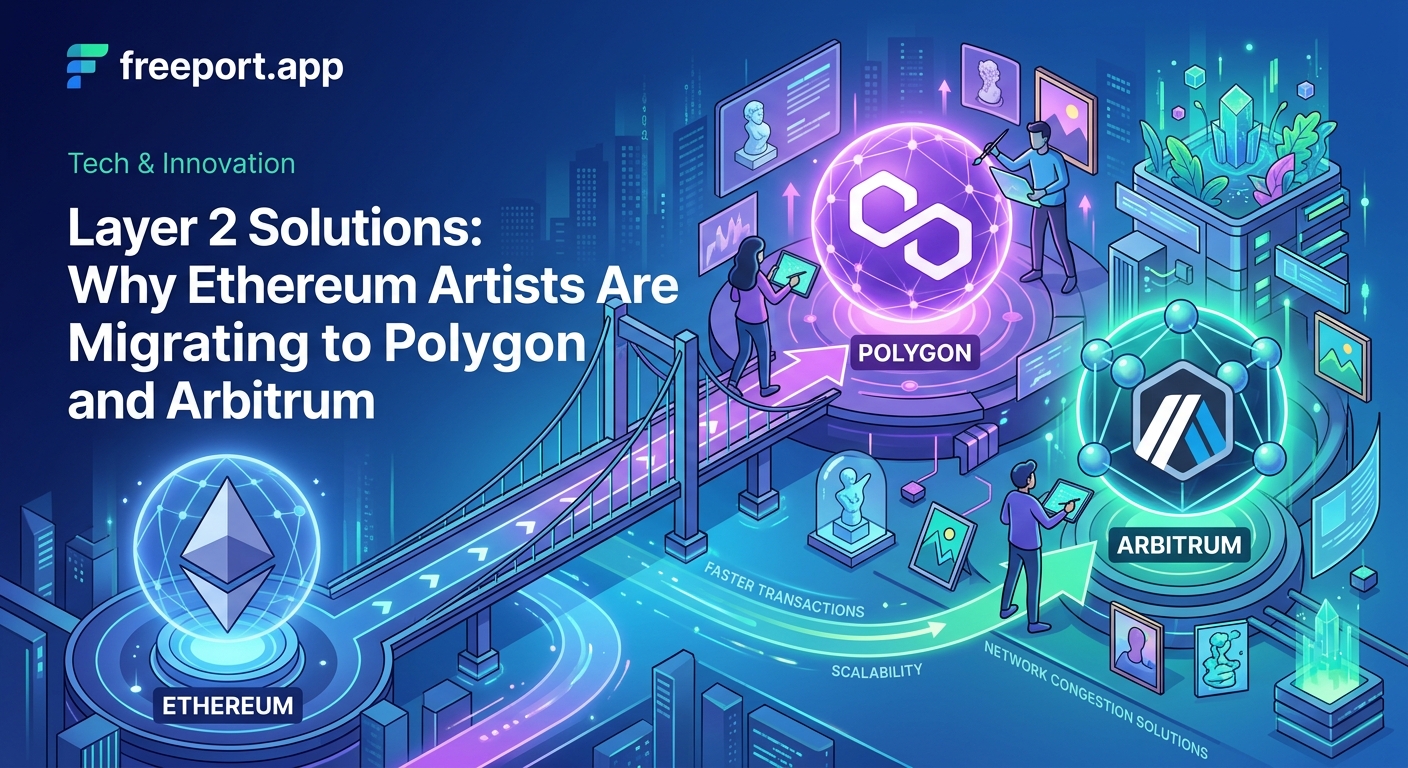
Polygon offers lower transaction costs and faster finality, making it ideal for high-volume minting and affordable art drops. Arbitrum provides stronger Ethereum compatibility and better security guarantees through optimistic rollups, preferred by collectors who prioritize mainnet-level trust. Your choice depends on whether you value immediate cost savings or long-term platform stability and institutional adoption.
Understanding Layer 2 scaling solutions
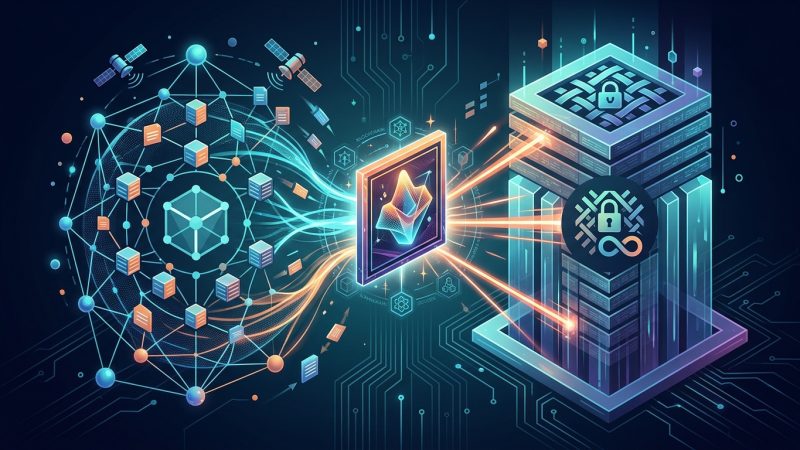
Layer 2 networks process transactions off the Ethereum mainnet, then bundle and submit them back to the base layer for security. This architecture dramatically reduces costs while maintaining the decentralization and security that makes Ethereum valuable.
Both Polygon and Arbitrum solve the same core problem. They just use different approaches.
Polygon operates as a sidechain with its own validator network. It achieves consensus independently, then periodically checkpoints to Ethereum. This design allows for extremely low fees and fast confirmations.
Arbitrum uses optimistic rollups. Transactions are assumed valid unless someone proves otherwise during a challenge period. This keeps the security model closer to Ethereum itself.
The technical differences matter less than what they mean for your daily workflow as an artist or collector.
Cost comparison for NFT artists
Transaction costs are the most immediate concern for creators minting collections or individual pieces.
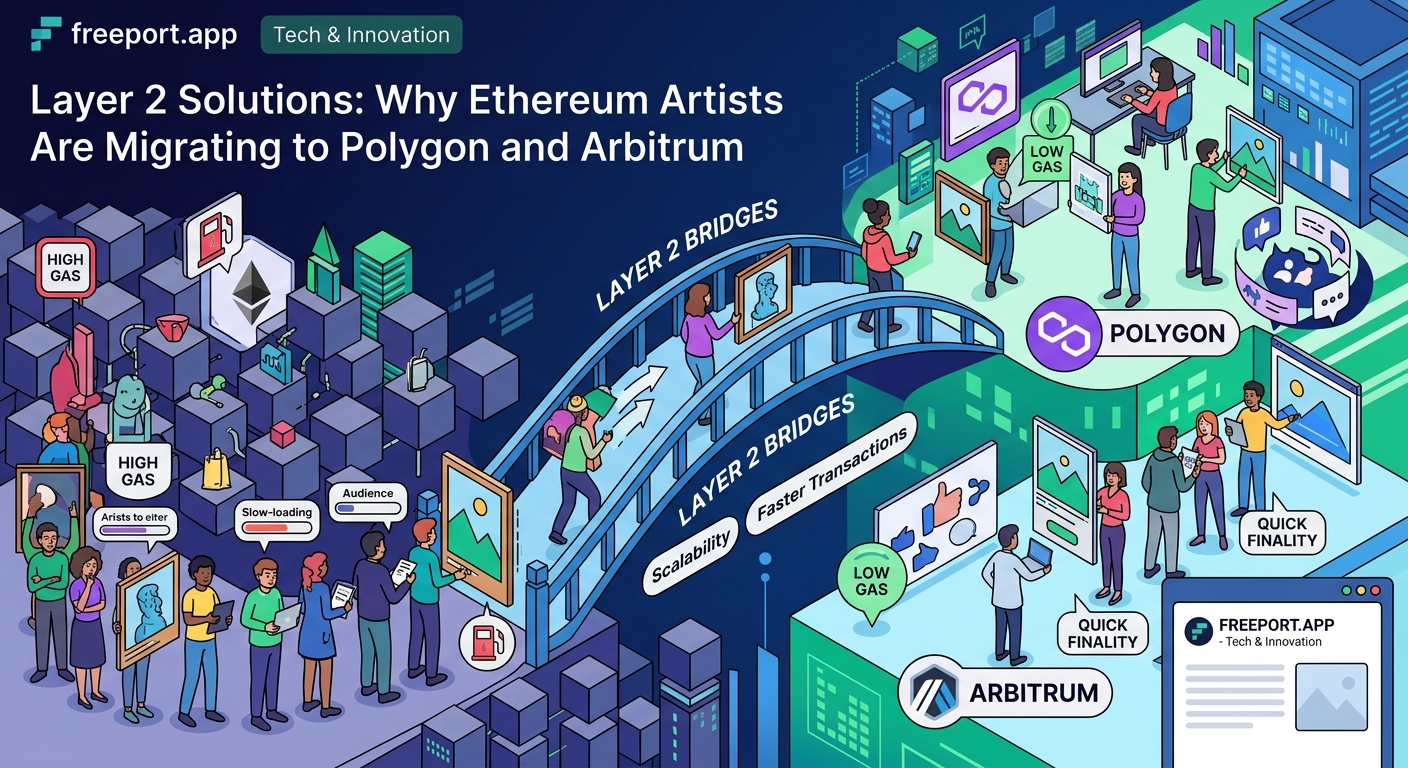
Polygon typically charges between $0.01 and $0.05 per transaction. Minting a 10,000-piece collection might cost you $100 to $500 in total gas fees. That’s accessible even for emerging artists testing new concepts.
Arbitrum fees range from $0.50 to $2.00 per transaction during normal network conditions. The same 10,000-piece collection could run $5,000 to $20,000 in gas costs. Still far cheaper than Ethereum mainnet, but significantly more than Polygon.
Here’s how costs break down across common activities:
| Activity | Polygon Cost | Arbitrum Cost | Ethereum Mainnet |
|---|---|---|---|
| Single NFT mint | $0.02 | $1.20 | $45.00 |
| Collection deploy | $0.15 | $8.00 | $200.00 |
| Marketplace listing | $0.01 | $0.80 | $30.00 |
| Transfer/sale | $0.02 | $1.50 | $40.00 |
These numbers fluctuate based on network congestion, but the relative differences remain consistent.
For artists planning regular drops or experimental projects, Polygon’s cost structure allows more creative freedom. You can afford to test ideas, mint smaller editions, and iterate without worrying about breaking even on gas fees alone.
Speed and finality differences
Transaction speed affects how collectors experience your drops and how fast you can respond to market opportunities.
Polygon confirms transactions in about 2 seconds. Block time sits at roughly 2.1 seconds. When you list a piece or accept an offer, the change appears almost instantly. This creates a smooth user experience that feels closer to Web2 platforms.
Arbitrum takes longer at around 13 seconds per block, matching Ethereum’s block time. Transactions still feel fast compared to mainnet, but there’s a noticeable delay compared to Polygon.
The real difference shows up in finality. Polygon achieves probabilistic finality after about 128 blocks, or roughly 4.5 minutes. For practical purposes, transactions are irreversible within seconds.
Arbitrum’s challenge period introduces a different consideration. While transactions appear confirmed immediately, there’s a theoretical 7-day window where they could be challenged and reversed. In practice, this rarely matters for NFT transactions, but it’s worth understanding for high-value sales.
Marketplace and platform support
Where collectors can find and purchase your work matters as much as where you mint it.
Polygon enjoys broader marketplace integration. OpenSea, Rarible, and dozens of specialized NFT platforms support Polygon natively. Many platforms default to Polygon for new collections because of the cost advantages.
Major platforms supporting Polygon include:
- OpenSea
- Rarible
- Magic Eden
- Zora
- Foundation (select collections)
Arbitrum has growing but more selective support. OpenSea added Arbitrum in late 2023. Treasure and Stratos focus specifically on Arbitrum-native projects. The ecosystem is maturing but hasn’t reached Polygon’s ubiquity yet.
Platforms with Arbitrum support:
- OpenSea
- Treasure
- Stratos
- tofuNFT
If you’re planning to mint your first fine art NFT, platform availability should influence your decision. Artists benefit from meeting collectors where they already browse and shop.
Security and decentralization trade-offs
Both networks make different compromises to achieve their performance characteristics.
Polygon’s sidechain model means you’re trusting a separate validator set. The network uses a proof-of-stake consensus with around 100 validators. This is far more centralized than Ethereum’s thousands of validators.
The security assumption: Polygon’s validators won’t collude to steal or censor transactions. The network has operated reliably since 2020, but the theoretical risk exists.
Arbitrum inherits Ethereum’s security more directly. Since it’s a rollup, the transaction data lives on Ethereum mainnet. Anyone can reconstruct the state and challenge invalid transactions. The security assumption relies on at least one honest validator monitoring the chain.
For most NFT use cases, both provide adequate security. The risk of losing artwork or ownership records remains extremely low on either platform.
Choose based on your audience’s preferences and your budget constraints. The security difference matters more for DeFi protocols handling millions in assets than for individual art pieces, even valuable ones.
Developer tools and smart contract compatibility
If you’re building custom minting contracts or interactive pieces, development experience varies between platforms.
Arbitrum offers near-perfect EVM compatibility. Contracts written for Ethereum mainnet typically deploy to Arbitrum without modification. This makes it easier to use existing tools, libraries, and frameworks.
Polygon requires occasional adjustments. Most contracts work fine, but some edge cases involving specific opcodes or gas calculations need tweaking. The differences are minor for standard NFT contracts but can create friction for complex generative projects.
Both networks support the major development frameworks:
- Hardhat
- Truffle
- Foundry
- Remix
Documentation quality favors Arbitrum slightly. Their guides assume you’re familiar with Ethereum development and just need to understand the differences. Polygon’s documentation covers more ground but can feel scattered across multiple resources.
For generative art on the blockchain that relies on on-chain randomness or complex state management, test thoroughly on your chosen platform before committing to a collection.
Bridging assets between networks
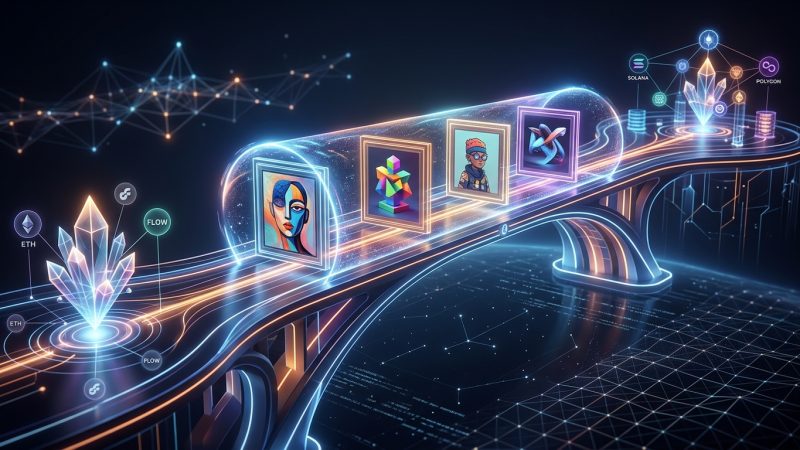
Moving NFTs or funds between Ethereum, Polygon, and Arbitrum involves bridging, which adds complexity and cost.
Polygon’s official bridge takes about 45 minutes to move assets from Ethereum to Polygon. Going back to Ethereum requires a 3-hour checkpoint period. Third-party bridges like Hop Protocol and Connext offer faster transfers for a premium.
Arbitrum’s native bridge takes roughly 15 minutes from Ethereum to Arbitrum. The return journey takes 7 days because of the challenge period. Fast bridges like Hop, Synapse, and Across reduce this to minutes but charge fees.
Bridge costs vary:
- Official bridges charge only gas fees on both sides
- Fast bridges add percentage-based fees, typically 0.1% to 0.5%
- Some bridges offer better rates for specific token pairs
Artists rarely need to bridge NFTs themselves. Collectors handle this when moving pieces between ecosystems. But understanding the process helps you communicate with your audience about where and how to access your work.
Community and ecosystem maturity
Network effects matter. Where other artists and collectors congregate influences your visibility and sales.
Polygon hosts a massive NFT community. Millions of pieces have been minted on the network. Major brands and mainstream projects often choose Polygon for affordability and proven infrastructure.
The Polygon ecosystem includes:
- Established artist communities
- Regular collector activity
- Corporate and brand partnerships
- Gaming and metaverse integration
- Strong presence from blockchain artists redefining contemporary digital art
Arbitrum’s NFT scene is smaller but growing. The community skews toward crypto-native collectors who value the technical architecture. Projects that launch on Arbitrum often emphasize the security and Ethereum alignment.
Arbitrum strengths:
- Technical sophistication
- DeFi integration opportunities
- Growing institutional interest
- Museums building blockchain art collections increasingly consider it
Neither network guarantees success. Quality work finds audiences on both platforms. But launching where your target collectors already spend time gives you a head start.
Making your platform decision
Your choice between Polygon and Arbitrum should align with your specific goals and constraints.
Choose Polygon if you:
- Need to minimize minting costs for large collections
- Want the fastest possible transaction confirmation
- Prefer maximum marketplace availability
- Target mainstream or price-sensitive collectors
- Plan frequent drops or experimental releases
Choose Arbitrum if you:
- Prioritize security closer to Ethereum mainnet
- Value technical credibility with crypto-native collectors
- Want seamless compatibility with Ethereum tooling
- Target collectors who emphasize decentralization
- Plan to integrate with DeFi protocols or complex contracts
Many successful artists use both networks strategically. They might release affordable editions on Polygon while minting rare, high-value pieces on Arbitrum. This approach serves different collector segments without forcing an either-or decision.
The platforms continue evolving. Arbitrum is working to reduce costs further. Polygon is enhancing security through various upgrades. The gap between them narrows over time.
Common mistakes to avoid
Artists new to Layer 2 platforms often stumble on preventable issues.
Mistake 1: Not testing the full user flow
Mint a test piece and walk through the entire collector experience. Can people easily bridge funds? Do marketplaces display your work correctly? Are metadata and images loading properly?
Mistake 2: Ignoring gas optimization
Even cheap transactions add up. Optimize your contract code to minimize operations. Batch transactions when possible. Small efficiency gains multiply across thousands of mints.
Mistake 3: Choosing based solely on current costs
Gas fees fluctuate. Network congestion during major drops can spike costs temporarily. Consider average costs over time, not just the current snapshot.
Mistake 4: Overlooking royalty enforcement
Both networks support royalties and rights through smart contracts, but enforcement varies by marketplace. Verify that your chosen platform and marketplace combination protects your ongoing compensation.
Mistake 5: Neglecting long-term platform stability
Consider what happens if a platform struggles or shuts down. Understanding what happens to your blockchain art when the platform shuts down helps you make informed decisions about where to build your presence.
Real costs beyond gas fees
Transaction fees are just one component of your total platform expense.
Both networks require you to hold their native tokens for gas. Polygon uses MATIC. Arbitrum uses ETH. You’ll need to acquire these tokens through exchanges or bridges, which involves additional fees and friction.
Marketing and visibility costs often dwarf gas savings. Promoting your work, building community, and driving traffic to your drops requires time and often money regardless of which network you choose.
Consider these hidden costs:
- Time learning platform-specific tools and workflows
- Bridge fees if you need to move funds
- Smart contract audits for custom implementations
- Marketplace listing fees or commissions
- Community building and promotion
A platform that saves you $500 in gas but requires an extra month of learning and setup might not be the economical choice if that time could have gone toward creating or marketing.
Future-proofing your choice
The Layer 2 landscape will continue changing. Both Polygon and Arbitrum have significant development roadmaps.
Polygon is transitioning to a zkEVM solution called Polygon 2.0. This upgrade promises better security through zero-knowledge proofs while maintaining low costs. The migration path for existing projects remains unclear but is a stated priority.
Arbitrum recently launched Arbitrum Stylus, allowing contracts written in Rust, C, and C++. This opens new possibilities for computationally intensive generative art and interactive pieces.
Ethereum’s own scaling roadmap, including proto-danksharding and full danksharding, will eventually reduce Layer 2 costs across all rollups. This could narrow the cost advantage Polygon currently holds.
The safest approach is building portable systems. Use standard contracts and avoid platform-specific features unless absolutely necessary. This flexibility lets you adapt as the ecosystem evolves.
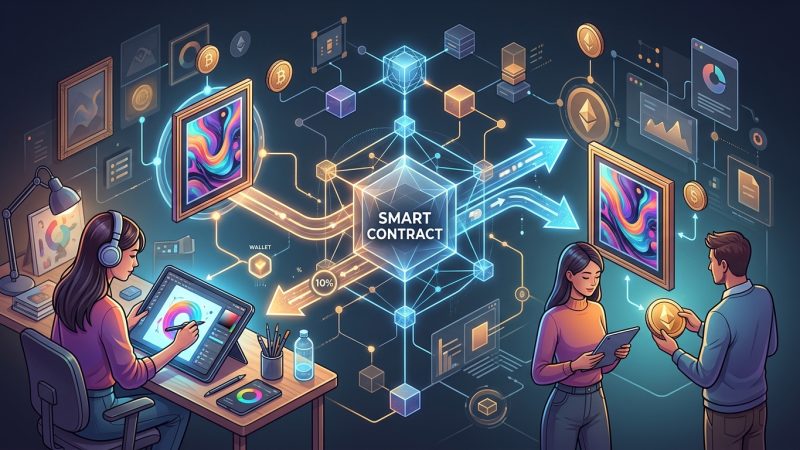
Understanding how smart contracts are revolutionizing art ownership and provenance helps you design collections that remain valuable and functional regardless of which Layer 2 dominates long-term.
Which platform wins for your art?
Neither Polygon nor Arbitrum is universally superior. They serve different needs within the same ecosystem.
Polygon excels at accessibility and volume. If you’re launching your first collection, testing new concepts, or serving price-conscious collectors, it’s the practical choice. The low costs remove financial barriers to experimentation and iteration.
Arbitrum appeals to artists and collectors who prioritize security and Ethereum alignment. For high-value individual pieces or collections targeting crypto-native audiences, the technical credibility matters.
The best decision comes from understanding your specific situation. Consider your budget, technical skills, target audience, and long-term goals. Both platforms support successful artists and vibrant communities.
Start where your collectors are, or where you can afford to build sustainably. You can always expand to additional platforms as your practice grows and your audience diversifies. The multi-chain future means you’re not locked into a single choice forever.