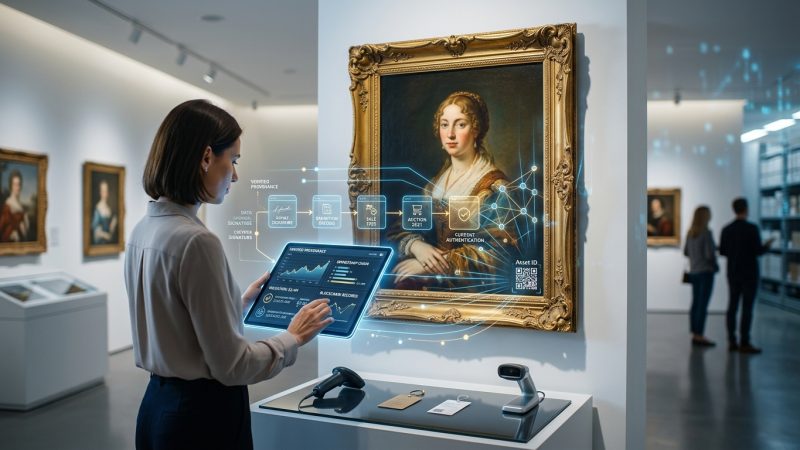
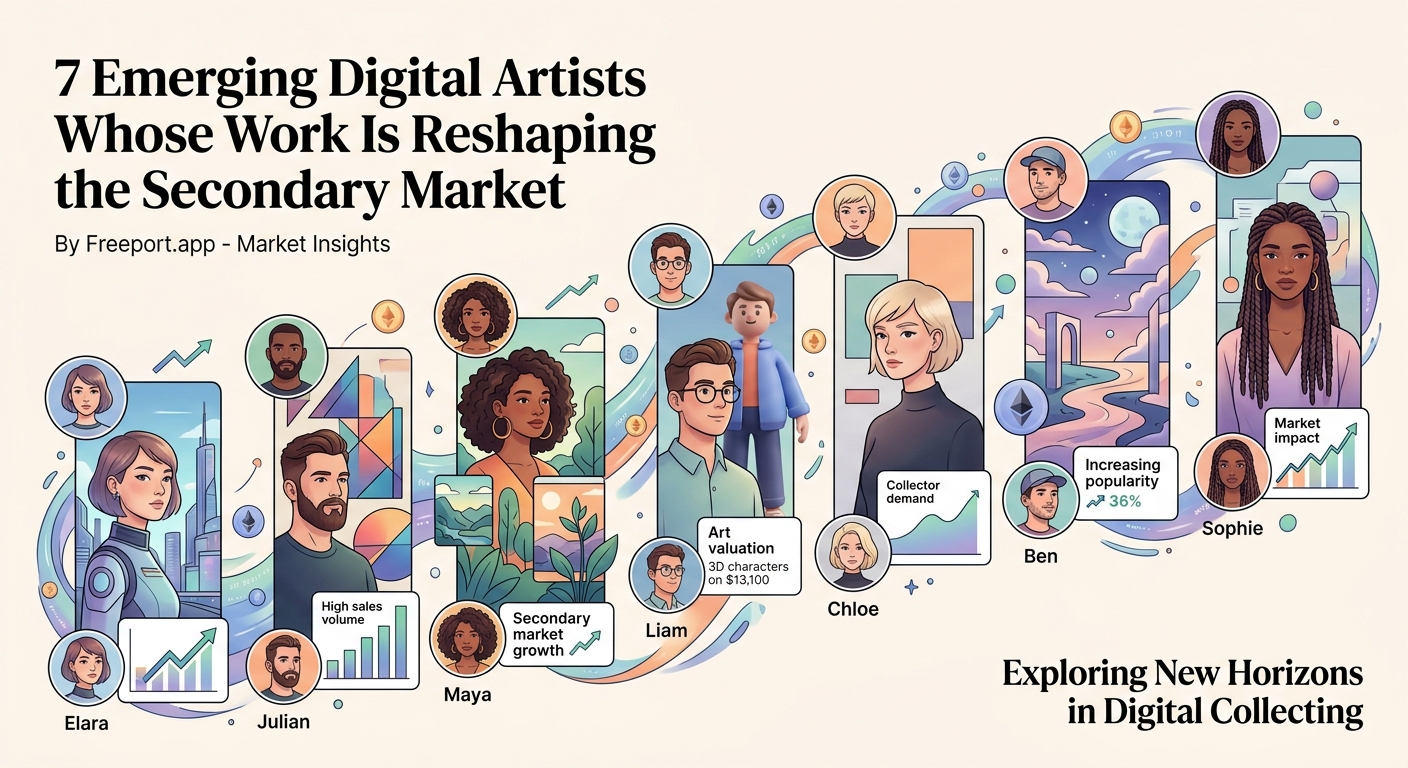
7 Emerging Digital Artists Whose Work Is Reshaping the Secondary Market
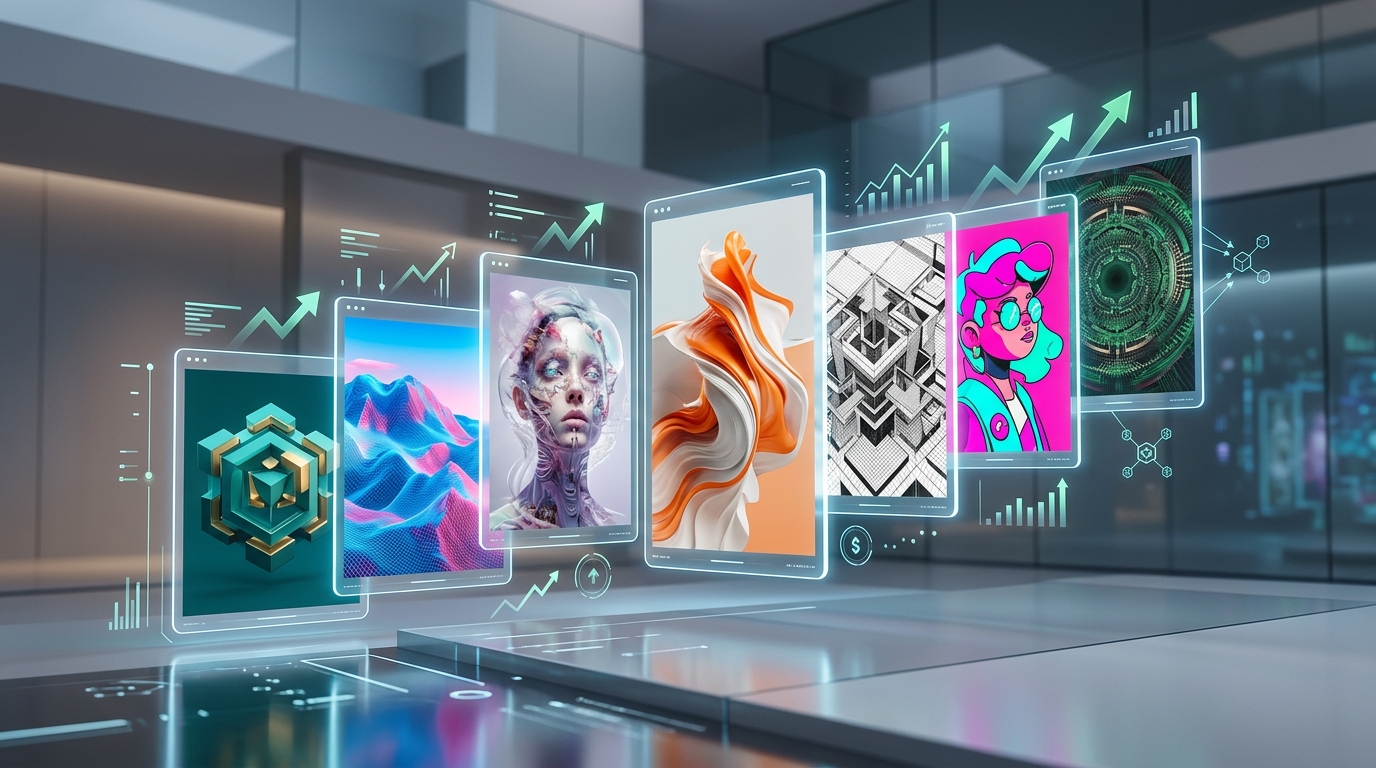
The digital art world is experiencing a renaissance that traditional collectors couldn’t have predicted five years ago. Artists who were experimenting with code and blockchain in their bedrooms are now commanding five-figure sales and museum exhibitions. The secondary market has become the proving ground where genuine talent separates from hype.
Emerging digital artists to watch combine technical innovation with artistic vision, building sustainable careers through blockchain technology. Smart collectors focus on artists with consistent output, gallery representation, active communities, and transparent provenance systems. The secondary market reveals which artists maintain value through economic cycles, making it the most reliable indicator of long-term potential in digital art investment.
What Makes an Emerging Digital Artist Worth Watching
The term “emerging” gets thrown around carelessly in digital art circles. A true emerging artist sits in that sweet spot between unknown and established. They’ve proven their craft but haven’t yet reached peak market recognition.
These artists typically have sold between 20 and 200 pieces. Their work appears in curated collections, not just open marketplaces. They maintain consistent visual themes while pushing technical boundaries.
Secondary sales tell the real story. When collectors resell an artist’s work at higher prices, that signals genuine demand. How to authenticate digital art before adding it to your collection becomes crucial at this stage.
The best emerging artists understand both sides of their medium. They know the technical infrastructure that makes blockchain art possible. They also grasp traditional art principles like composition, color theory, and narrative.
Five Characteristics That Signal Long-Term Potential
Spotting tomorrow’s blue-chip artists requires looking beyond current prices. These five traits appear consistently in artists who build lasting careers.
Consistent creative output matters more than viral moments. Artists who release work on predictable schedules build collector confidence. They treat their practice like a profession, not a hobby.
Technical innovation separates memorable work from derivative pieces. The artists worth watching push their medium forward. They might experiment with generative art on the blockchain where code meets canvas or develop new smart contract mechanics.
Community engagement reveals an artist’s staying power. Artists who respond to collectors, share their process, and contribute to broader conversations build loyal followings. These communities support artists through market downturns.
Gallery relationships provide validation and infrastructure. When respected galleries represent an artist, they handle logistics, marketing, and collector relationships. This lets artists focus on creation.
Transparent provenance builds trust in secondary markets. Artists who clearly document their work’s history and maintain detailed records make collectors feel secure. How smart contracts are revolutionizing art ownership and provenance explains why this matters.
How to Research Artists Before Collecting
Smart collecting starts with homework. These steps help you evaluate artists systematically.
-
Check secondary market performance across multiple platforms. Look at floor prices, volume trends, and holder diversity. Artists with steady growth outperform those with erratic spikes.
-
Review their entire body of work chronologically. You want to see artistic development and consistent quality. Skip artists whose recent work feels rushed or derivative.
-
Analyze their collector base for diversity and conviction. When the same wallets keep buying an artist’s work, that shows genuine appreciation. Single-whale dominance creates fragility.
-
Examine their smart contract implementation for creator-friendly terms. Smart contract royalties explained protecting artist revenue in secondary sales helps you understand what to look for.
-
Read interviews and artist statements to understand their vision. Artists who articulate clear creative directions tend to execute them successfully.
-
Monitor their exhibition history in both digital and physical spaces. From physical to digital top galleries bridging traditional and blockchain art shows how crossover success works.
Categories of Digital Art Showing Strongest Growth
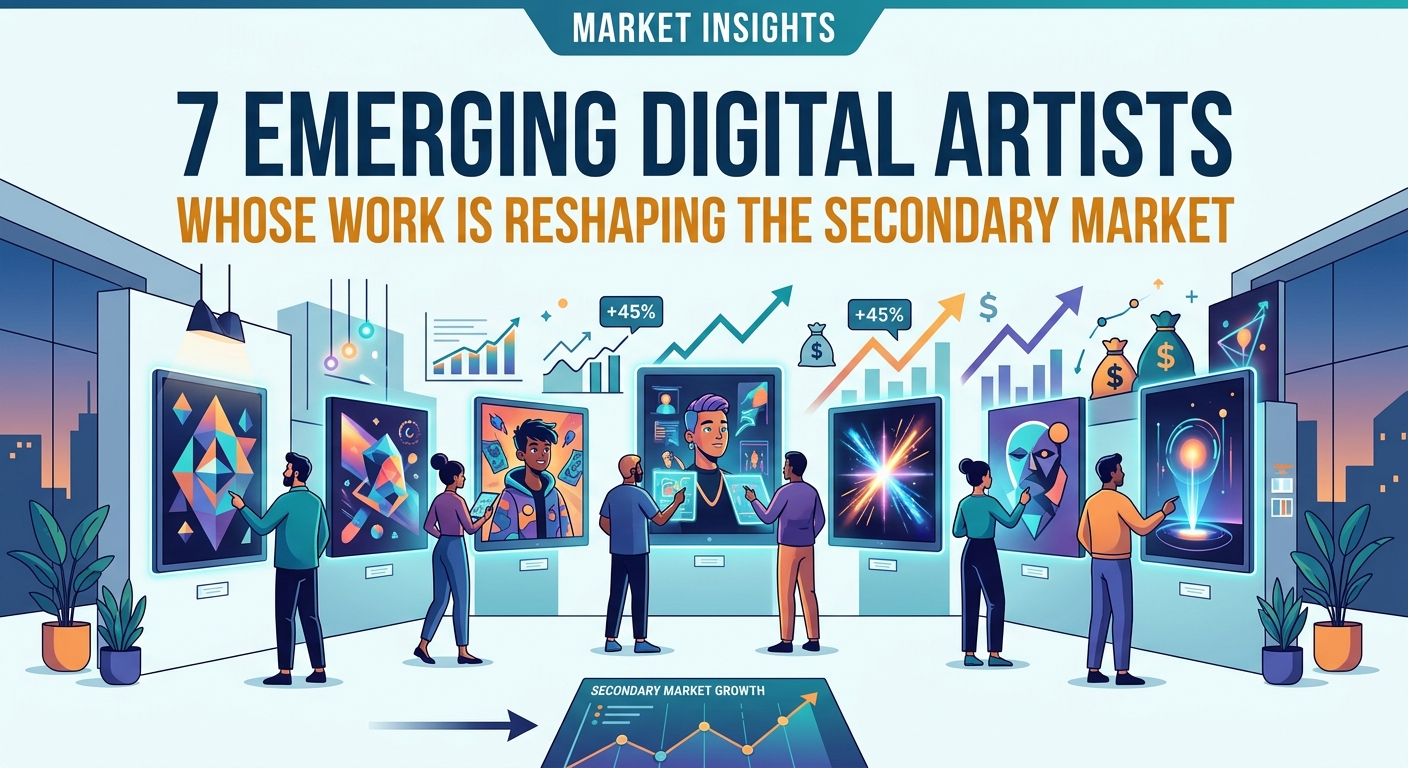
Different styles attract different collector demographics. Understanding these categories helps you identify where your interests align with market momentum.
| Category | Typical Price Range | Collector Profile | Growth Trajectory |
|---|---|---|---|
| Generative Art | $500 – $15,000 | Tech professionals, algorithm enthusiasts | Steady appreciation |
| Digital Photography | $300 – $8,000 | Traditional photo collectors, documentarians | Emerging recognition |
| 3D Sculpture | $1,000 – $25,000 | Design professionals, metaverse builders | Rapid expansion |
| Animated Loops | $400 – $12,000 | Motion designers, younger collectors | Volatile but trending |
| AI-Assisted Works | $600 – $20,000 | Early adopters, tech investors | Controversial but growing |
Each category has unique technical requirements and aesthetic considerations. The rise of dynamic NFTs how on-chain data creates evolving digital artworks explores how some artists combine categories.
The strongest emerging artists often blend multiple approaches. A photographer might incorporate generative elements. A 3D artist might add animation. These hybrid practices create distinctive signatures.
Red Flags That Should Make You Pause
Not every emerging artist deserves your investment. Watch for these warning signs.
- Inconsistent release schedules suggest unreliable commitment
- Copying established artists’ styles without adding innovation
- Overpromising utility or future benefits beyond the artwork
- Deleting or hiding earlier work to obscure artistic development
- Aggressive marketing that overshadows the actual art
- Unclear or unfavorable smart contract terms for collectors
- Concentration of holdings in very few wallets
- No presence in curated exhibitions or gallery shows
7 red flags every digital collector should watch for before buying provides deeper analysis of these warning signs.
The most concerning red flag is opacity. Artists who won’t discuss their process, pricing decisions, or future plans often have something to hide. Transparency builds collector confidence.
Building Relationships With Artists You Support
Collecting digital art offers unique opportunities for artist-collector relationships. Unlike traditional markets where galleries mediate everything, blockchain enables direct connection.
Start by engaging thoughtfully with an artist’s work. Comment on specific pieces with genuine observations. Ask technical questions that show you understand their practice.
Many emerging artists appreciate feedback from serious collectors. They’re still refining their approach and value intelligent input. This doesn’t mean demanding changes, but sharing how their work resonates.
Attend virtual exhibitions and artist talks when possible. These events let you understand an artist’s thinking and meet fellow collectors. The relationships you build often lead to early access to new releases.
“The collectors who matter most aren’t always the biggest spenders. They’re the ones who understand what I’m trying to accomplish and support that vision consistently.” — Emerging digital artist with gallery representation
Consider collecting in series rather than one-off purchases. When you acquire multiple pieces from an artist over time, you signal long-term belief in their work. This loyalty often gets rewarded with special opportunities.
Technical Considerations for Emerging Artist Collections
The blockchain infrastructure supporting digital art continues evolving. Understanding these technical elements protects your investment.
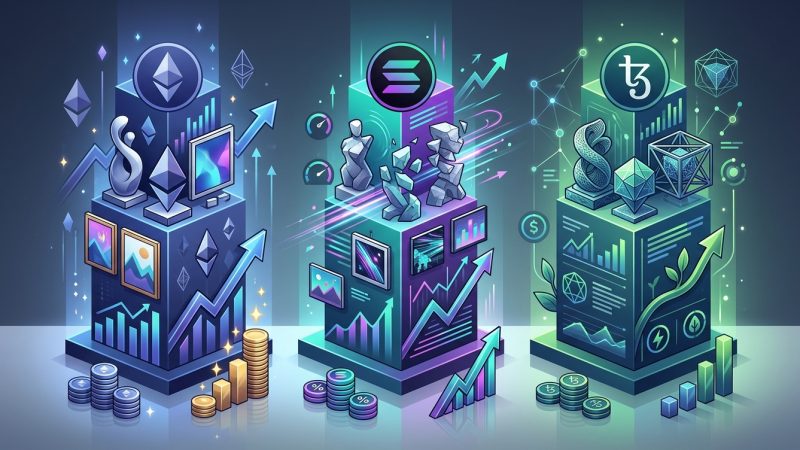
Different blockchains offer varying benefits for artists and collectors. Ethereum remains dominant for high-value art, but gas fees can be prohibitive. Layer 2 solutions why ethereum artists are migrating to polygon and arbitrum explains alternatives.
Storage matters as much as the token itself. Artists using decentralized storage wars ipfs vs arweave for long-term nft preservation show they’re thinking about longevity.
Smart contract quality varies dramatically. Well-implemented contracts include proper royalty mechanisms, clear licensing terms, and upgrade paths for future improvements. Poor contracts can create headaches during resale.
Metadata standards affect how your collection displays across platforms. Artists who follow best practices ensure their work looks correct everywhere. Those who cut corners create fragmentation.
Market Timing and Collection Strategy
Buying emerging artists requires different timing than established names. These strategies help you enter positions thoughtfully.
Dollar-cost averaging works well for artists with regular releases. Instead of buying one expensive piece, acquire smaller works over six months. This averages out price volatility and lets you assess consistency.
Wait for dips in overall market sentiment. When crypto markets correct, quality digital art often gets temporarily undervalued. Patient collectors can acquire pieces below their long-term value.
Buy after exhibitions when attention fades. Artists often see price spikes during shows, then normalize afterward. The work hasn’t changed, but the hype has.
Focus on editions versus one-of-ones early in an artist’s career. Editions let you own the work at lower entry points. As the artist grows, even edition pieces appreciate.
How to build a valuable digital art collection from scratch in 2026 offers broader collection-building frameworks.
Understanding Artist Economics and Sustainability
The best emerging artists build sustainable practices that support long-term creation. Understanding their economics helps you identify who will still be creating in five years.
Artists need multiple revenue streams. Primary sales alone rarely sustain a practice. Look for artists who also earn through:
- Teaching and workshops
- Commissioned work for collectors or brands
- Speaking engagements and panels
- Residencies and grants
- Licensing deals for existing work
Royalties and rights understanding artist compensation in blockchain art shows how secondary sales support artists over time.
Artists who price their work appropriately for their career stage tend to build steadily. Underpricing creates unsustainable volume expectations. Overpricing limits their collector base.
The healthiest artist careers show gradual price increases as their reputation grows. Sudden jumps or drops suggest market manipulation or hype cycles rather than organic growth.
Institutional Validation and What It Means
Museum acquisitions and institutional recognition increasingly matter in digital art. Why museums are building blockchain art collections explains this trend.
When museums acquire an emerging artist’s work, several things happen. The artist gains credibility with traditional collectors. Their work enters permanent historical records. Future retrospectives become more likely.
Gallery representation provides different benefits. Galleries handle logistics, marketing, and collector relationships. They also curate the artist’s public presence and control release schedules.
Academic attention matters too. When art historians and critics write seriously about an artist’s work, it enters broader cultural conversations. This intellectual validation often precedes market recognition.
Competition wins and residency acceptances signal peer recognition. Other artists and curators see quality that markets might not have priced in yet.
Common Mistakes New Collectors Make
Learning from others’ errors saves money and disappointment. These mistakes appear frequently among new digital art collectors.
Chasing hype instead of quality leads to buying at peaks. Artists trending on social media often see temporary price inflation. Wait for sustained performance.
Ignoring technical fundamentals creates future problems. Not understanding blockchain basics, wallet security, or smart contracts puts your collection at risk. The complete guide to storage and security for high-value digital assets covers essentials.
Overconcentrating in single artists or styles limits growth potential. Diversification across multiple emerging artists spreads risk while exposing you to different market segments.
Neglecting due diligence on artist backgrounds and work history causes regret. Spend time researching before buying. Rushed decisions rarely work out.
Expecting immediate returns misunderstands how art markets work. Emerging artists need years to develop. Patient collectors get rewarded.
Forgetting about platform risk creates vulnerability. What happens to your blockchain art when the platform shuts down addresses this concern.
Portfolio Allocation for Emerging Artist Collecting
Balancing your digital art portfolio between established and emerging artists manages risk while capturing upside potential.
A conservative approach allocates 70% to established artists and 30% to emerging talent. This protects value while allowing growth exposure.
Aggressive collectors might flip those percentages, betting heavily on emerging artists for maximum appreciation potential. This requires more research and higher risk tolerance.
What makes a digital collection blue chip analyzing long-term value indicators helps you understand the established side of your portfolio.
Within your emerging artist allocation, further diversification makes sense:
- 40% in artists with gallery representation
- 30% in pure digital natives without traditional art backgrounds
- 20% in artists bridging physical and digital practices
- 10% in experimental or high-risk approaches
Rebalance annually as artists graduate from emerging to established status. Sell appreciated positions to fund new emerging talent.
The Role of Community in Artist Development
Strong communities around artists create network effects that drive long-term success. These communities function differently than traditional art world relationships.
Collector communities share research, discuss new releases, and support each other’s decisions. They often organize group purchases or coordinate exhibition attendance.
Artist communities provide peer support, technical knowledge sharing, and collaborative opportunities. Artists who actively participate tend to develop faster.
Platform communities aggregate around marketplaces or blockchain ecosystems. Understanding these tribal dynamics helps you navigate the space.
The healthiest artist communities balance enthusiasm with critical thinking. They celebrate successes but also discuss challenges honestly. Cult-like communities that tolerate no criticism often collapse dramatically.
Future Trends Shaping Emerging Artist Success
Several technological and cultural shifts will determine which emerging artists thrive in coming years.
AI integration continues evolving from controversial to standard. Artists who thoughtfully incorporate AI tools while maintaining distinctive voices will lead. How AI generative models are reshaping digital art authentication explores implications.
Cross-chain interoperability will matter more as collectors want flexibility. Artists building on multiple chains or using bridges gain advantages. Cross-chain bridges moving your digital art collection between blockchains safely explains the mechanics.
Physical-digital hybrid experiences are becoming expected rather than novel. Artists who can translate their digital work into compelling physical presentations expand their market.
Fractional ownership opens emerging artists to broader collector bases. Fractional ownership is changing digital collecting forever shows how this works.
Privacy features using zero-knowledge proofs let collectors maintain discretion. Zero-knowledge proofs are enabling private art collections on public blockchains covers technical details.
Where to Find Emerging Artists Before Others Do
The best opportunities come from discovering artists before they hit mainstream platforms. These sources provide early access.
Curated Twitter lists from respected collectors and critics surface new talent. Follow people with track records of early discovery.
Discord communities for specific artistic movements or technical approaches host active artists. Participate genuinely rather than just lurking.
Virtual residency programs showcase artists developing new work. Many programs conclude with exhibitions of fresh pieces.
University digital art programs produce technically skilled graduates. Following MFA shows identifies talent before professional careers launch.
Alternative platforms beyond major marketplaces often host experimental work. Artists testing new ideas start in smaller venues.
Artist-run spaces and cooperatives prioritize community over commerce. These environments nurture authentic development.
Building Your Eye for Digital Art Quality
Developing aesthetic judgment in digital art takes time and exposure. These practices accelerate your learning.
Study extensively before buying. View thousands of pieces across styles, techniques, and price points. Your taste will refine through exposure.
Attend exhibitions both virtual and physical. Seeing how curators group work teaches you about relationships between pieces and artists.
Read artist statements and technical documentation. Understanding intent helps you evaluate execution quality.
Compare similar works from different artists. This reveals who’s innovating versus copying. Technical skill differences become obvious.
Follow secondary market performance without obsessing over it. Price provides information but shouldn’t dictate your aesthetic preferences entirely.
Trust your gut while educating it. If something moves you emotionally, that matters. But also understand why it creates that response.
Your Path Forward as an Emerging Artist Collector
The emerging digital artists you collect today could define tomorrow’s art historical narrative. Your choices as a collector shape which artists get the resources and recognition to fully develop their practices.
Start small and focused rather than trying to collect everything. Pick two or three artists whose work genuinely excites you. Follow their development closely. Acquire pieces as your budget allows. Build relationships through thoughtful engagement.
The secondary market will test your conviction. Prices will fluctuate. Trends will shift. Artists you believe in might take years to gain recognition. Patience and genuine appreciation for the work itself will serve you better than speculation.
Your collection tells a story about this moment in art history. Make it a story worth telling. Support artists creating work that matters to you, work that pushes boundaries, work that will still resonate decades from now. That’s how you build a collection with lasting value and meaning.