Why Authentication Matters More Than Provenance in Digital Collecting
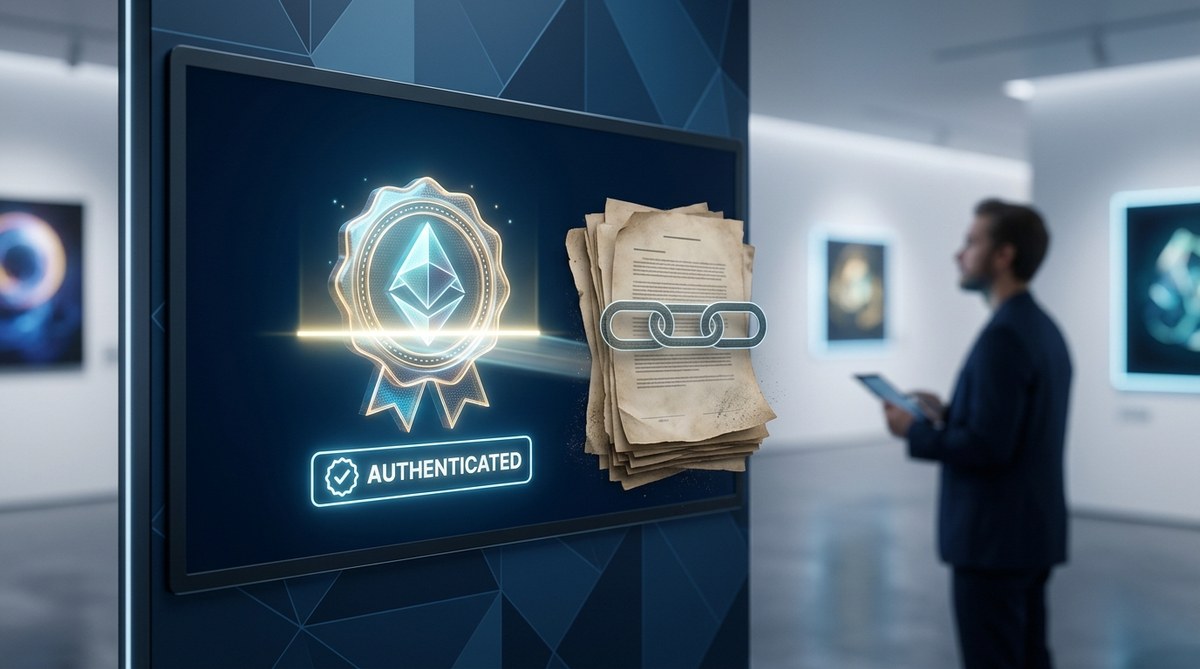
You just bought your first high-value NFT. The artist is verified. The platform is reputable. The blockchain record shows a clear ownership trail. But six months later, you discover the piece is a sophisticated copy. The provenance was perfect, but the authentication failed.
This scenario plays out more often than collectors realize. Understanding the difference between digital authentication vs provenance isn’t just academic. It’s the foundation of smart collecting in 2026.
Authentication verifies that a digital asset is genuine and created by its claimed source, while provenance tracks its ownership history. Authentication happens once at creation. Provenance builds over time. Both matter, but authentication must come first. Without proper authentication, even perfect provenance records become meaningless. Smart collectors prioritize cryptographic verification before examining ownership trails. This approach protects against the most common and costly mistakes in digital collecting.
What Authentication Actually Means for Digital Assets
Authentication answers one question: is this asset what it claims to be?
For digital art and collectibles, authentication verifies the creator’s identity and confirms the asset matches its original form. This process happens through cryptographic signatures embedded in smart contracts that revolutionize art ownership.
The creator signs the work with their private key. That signature becomes part of the token’s DNA. Anyone can verify it using the creator’s public key. No central authority needed. No expert opinions required.
This differs fundamentally from traditional art authentication. A Picasso requires expert analysis, provenance research, and scientific testing. The process takes months and costs thousands. A digital piece minted on Ethereum can be verified in seconds for the cost of a blockchain query.
But here’s the catch: authentication only works if the initial minting process is legitimate. If someone steals an artist’s work and mints it first, the blockchain will authenticate the fake as real.
That’s why collectors need to verify the minting wallet belongs to the actual artist. Check social media. Look for verified accounts. Cross-reference multiple sources. The blockchain can’t tell you if the person holding the private key is who they claim to be.
How Provenance Tracking Works in Blockchain Systems
Provenance tells a different story. It maps the journey of an asset from creation through every subsequent owner.
Traditional art provenance relies on paper trails. Gallery receipts. Auction records. Letters of authenticity. Each document can be forged, lost, or disputed. Gaps in the record raise red flags. Collectors pay premiums for unbroken chains of custody.
Blockchain provenance is automatic and immutable. Every transfer gets recorded. Every sale price becomes public. The entire history lives on-chain, accessible to anyone.
Here’s what a typical provenance record includes:
- Original minting transaction and timestamp
- Creator’s wallet address
- All subsequent owners in chronological order
- Transfer dates and methods
- Sale prices (when applicable)
- Platform or marketplace used for each transaction
This transparency creates new possibilities. You can see if a piece changed hands during a market peak or trough. You can identify collectors who held through volatility. You can spot patterns that indicate manipulation or wash trading.
Some platforms enhance provenance with off-chain metadata. Exhibition history. Critical reviews. Awards and recognition. These additions help, but they’re not immutable like on-chain records.
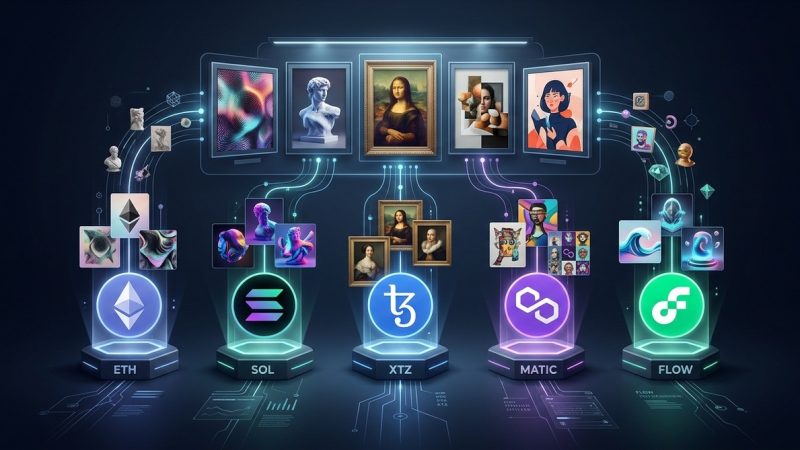
The challenge comes when assets move between blockchains. Cross-chain transfers can break provenance trails if not handled properly. Moving your digital art collection between blockchains safely requires careful attention to maintaining complete records.
The Critical Difference Between Verification Methods
Authentication and provenance use different verification methods. Understanding these differences helps you make better collecting decisions.
| Aspect | Authentication | Provenance |
|---|---|---|
| What it proves | Asset is genuine and unaltered | Ownership history is complete |
| When it matters | Before first purchase | Throughout asset lifecycle |
| Verification method | Cryptographic signature check | Blockchain transaction history |
| Can be faked | Only if creator’s key is compromised | Difficult but possible through wash trading |
| Primary risk | Stolen work minted by imposter | Manipulated market perception |
| Fix if compromised | Cannot be fixed retroactively | Can be corrected with new information |
Authentication happens at a single point in time. The moment an artist mints a piece, the authentication signature is set. It never changes. If that signature is valid, the piece is authentic. If not, it’s fake. No middle ground exists.
Provenance accumulates continuously. Each new owner adds another link to the chain. The record grows more valuable as time passes and notable collectors appear in the history.
Think of authentication like a birth certificate. It establishes identity at the beginning. Provenance is more like a resume. It builds credibility through accumulated experience.
Both can be verified independently. You don’t need to trust the current owner’s word about either one. The blockchain provides the receipts.
Why Authentication Must Come First
You can’t build meaningful provenance on a fake foundation.
Imagine buying a digital artwork with impeccable provenance. Previous owners include major collectors. The piece sold at premium prices through respected platforms. Everything looks perfect.
Then you discover the original minting wallet doesn’t belong to the claimed artist. Someone copied the work and minted it before the real creator had a chance. All that beautiful provenance tracked the wrong asset.
This scenario is more common than most collectors realize. Bad actors monitor blockchain artists redefining contemporary digital art and race to mint copies of their work. They create fake social media accounts. They build convincing backstories. They even generate artificial provenance through coordinated buying.
Authentication protects against this attack vector. Before you examine provenance, verify the asset is genuine.
Here’s a practical authentication checklist:
- Verify the minting wallet address matches the artist’s verified accounts
- Check the minting timestamp against the artist’s announcement of the work
- Confirm the contract address matches official platform records
- Review the token metadata for consistency with the artist’s style
- Cross-reference multiple sources for the artist’s legitimate wallet addresses
Only after authentication checks pass should you examine provenance. Otherwise, you’re just verifying the history of a fake.
This principle applies even when buying from trusted marketplaces. Platforms can be fooled. Verification badges can be spoofed. Your own due diligence is the only protection that truly matters.
Common Authentication Failures That Fool Collectors
Even experienced collectors make authentication mistakes. These failures often stem from misunderstanding what blockchain verification actually proves.
The verified account trap: A blue checkmark on a marketplace profile doesn’t authenticate the artwork. It verifies the account holder’s identity, not the asset’s legitimacy. Scammers create accounts, build reputation, then start selling unauthorized copies.
The contract address confusion: Each NFT collection has a contract address. Scammers deploy contracts with similar addresses or names. Collectors see a familiar-looking address and assume it’s legitimate. Always copy-paste addresses from official sources. Never type them manually.
The metadata misdirection: Token metadata can be changed after minting on some platforms. A piece might look authentic today but display different content tomorrow. Understanding what happens to your blockchain art when the platform shuts down reveals these vulnerabilities.
The provenance substitution: Impressive ownership history can distract from authentication failures. Collectors focus on famous previous owners and miss that the original minting wallet is suspicious. Always authenticate before examining provenance.
The platform trust fallacy: Major marketplaces have listed fake works. Their curation processes aren’t perfect. Relying solely on platform verification is risky. Do your own authentication checks.
These mistakes cost collectors millions annually. The solution isn’t complicated. It just requires discipline. Authenticate every piece, every time, regardless of source or price.
How Provenance Adds Value After Authentication
Once you’ve confirmed an asset is authentic, provenance becomes incredibly valuable.
Strong provenance signals market confidence. When respected collectors held a piece through market downturns, that demonstrates conviction. When institutions acquire works from a collection, that validates the creator’s importance.
Some provenance factors that increase value:
- First owner after artist: Pieces acquired directly from creators often command premiums
- Notable collectors: Ownership by recognized figures in the space adds cachet
- Exhibition history: Works displayed in virtual or physical galleries gain credibility
- Unbroken chain: Complete provenance with no gaps or suspicious transfers
- Long hold periods: Owners who held for years rather than flipping immediately
Provenance also reveals red flags. Rapid transfers between unknown wallets suggest wash trading. Prices that spike then crash indicate manipulation. Large numbers of transfers in short periods raise questions about stability.
What makes a digital collection blue-chip often comes down to provenance quality. The same authenticated piece can have vastly different values based on its ownership history.
Smart collectors use provenance as a research tool. They study which wallets consistently acquire valuable works early. They identify patterns in successful collecting strategies. They learn from the behavior of proven market participants.
But provenance research only works when built on authenticated assets. That’s why the order matters. Authenticate first. Study provenance second.
Technical Tools for Verification
You don’t need to be a blockchain developer to verify authentication and provenance. Several tools make the process accessible.
Block explorers: Etherscan, Solscan, and similar platforms let you examine any transaction. You can verify minting dates, track ownership changes, and confirm contract addresses. These tools are free and require no special software.
Wallet verification services: Platforms like Metamask and Rainbow Wallet show verified contract addresses. When you connect to a marketplace, these wallets warn you about suspicious contracts.
Artist verification databases: Some community-maintained lists track verified artist wallets. These aren’t perfect, but they provide useful reference points for authentication checks.
Metadata viewers: Tools that display full token metadata help you spot inconsistencies. Compare the on-chain metadata with what the marketplace displays. Differences indicate potential problems.
Provenance visualization tools: Some services create visual timelines of ownership history. These make patterns easier to spot than raw transaction lists.
The most important tool is your own attention to detail. Automated verification helps, but it can’t replace careful manual checking. Authenticating digital art before adding it to your collection requires human judgment alongside technical tools.
Many collectors create personal verification checklists. They document their process for each acquisition. This systematic approach catches mistakes that informal reviews miss.
Real-World Examples of Authentication vs Provenance Failures
Theory matters less than practice. Here are real scenarios that illustrate why authentication must come first.
Case 1: The famous collector’s mistake
A well-known collector bought a piece with stellar provenance. Previous owners included early adopters and respected curators. The price reflected that premium history. Six months later, the original artist announced they never created the work. Someone had minted a copy using a similar wallet address. The provenance was real. The authentication failed. The piece became worthless.
Case 2: The perfect fake
Scammers copied work from generative art on the blockchain and minted it through a contract designed to look official. They created fake social media accounts for a non-existent artist. They built provenance through coordinated purchases between their own wallets. Everything looked legitimate until someone noticed the code didn’t match the claimed generative algorithm. Authentication would have caught this immediately.
Case 3: The compromised key
An artist’s private key was stolen. The thief minted unauthorized works that passed all authentication checks because they used the artist’s actual wallet. Only provenance analysis revealed the problem. The minting timestamps didn’t align with the artist’s announced release schedule. The metadata formatting differed from previous works. Collectors who relied solely on cryptographic authentication lost money.
These cases teach important lessons. Authentication isn’t foolproof. Provenance isn’t either. The strongest protection comes from verifying both, in the right order, with attention to context.
Authentication tells you what you have. Provenance tells you where it’s been. You need both to know what it’s worth.
Building Your Verification Process
Every collector needs a systematic approach to verification. Here’s a framework that works across different types of digital assets.
Step 1: Gather official information
Before examining any specific piece, collect verified data about the creator. Find their official website, confirmed social media accounts, and verified marketplace profiles. Document their known wallet addresses. Save contract addresses for their legitimate collections.
Step 2: Authenticate the asset
Verify the minting wallet matches your documented addresses. Check the contract address against official sources. Review the minting timestamp for consistency with announcements. Examine metadata for expected formatting and content.
Step 3: Analyze provenance
Once authentication passes, study the ownership history. Look for red flags like rapid transfers or suspicious price movements. Research notable previous owners. Check for gaps or inconsistencies in the timeline.
Step 4: Cross-reference context
Compare your findings with broader market data. How does this piece fit within the creator’s body of work? Does the pricing align with similar pieces? Are there community discussions that raise concerns?
Step 5: Document everything
Keep records of your verification process. Screenshot important data. Save transaction hashes. Document your reasoning. This creates an audit trail if questions arise later.
This process takes time. For high-value acquisitions, that time is well spent. Red flags every digital collector should watch for before buying often appear during systematic verification that rushed collectors miss.
The Future of Authentication and Provenance
Technology continues evolving. New tools are changing how we verify digital assets.
AI generative models are reshaping digital art authentication by analyzing artistic patterns and detecting anomalies. These systems can flag potential fakes faster than manual review.
Zero-knowledge proofs are enabling private art collections on public blockchains, creating new challenges for provenance tracking. Collectors can prove ownership without revealing their wallet addresses. This privacy enhances security but complicates traditional provenance research.
Decentralized identity systems may soon link creator wallets to verified real-world identities. This could reduce impersonation attacks while preserving pseudonymity for those who want it.
Cross-chain authentication standards are emerging. These protocols help maintain provenance when assets move between blockchains. The technology isn’t perfect yet, but it’s improving rapidly.
Some platforms are experimenting with on-chain reputation systems. These track creator behavior, collector patterns, and market dynamics. The goal is making authentication and provenance verification more accessible to casual collectors.
But technology alone won’t solve every problem. Social engineering attacks will always target the human element. Scammers will adapt to new verification tools. The fundamentals remain constant: authenticate first, verify provenance second, and never skip due diligence.
Making Smart Decisions With Both Tools
Understanding digital authentication vs provenance gives you a framework for better collecting decisions.
Use authentication to filter out fakes. This protects you from the most devastating losses. A piece with perfect provenance but failed authentication is worthless. Don’t let impressive ownership history override authentication concerns.
Use provenance to assess value within authenticated works. Two genuine pieces by the same artist can have very different values based on their histories. Provenance helps you identify which authenticated works deserve premium prices.
Combine both for comprehensive risk assessment. Strong authentication plus strong provenance equals high confidence. Weak authentication means walk away regardless of provenance. Strong authentication with questionable provenance requires additional research.
Building a valuable digital art collection from scratch requires mastering both verification methods. Neither alone provides sufficient protection. Together, they create a robust framework for confident collecting.
The market rewards collectors who do this work. Pieces with verified authentication and documented provenance trade at premiums. Collectors who build reputations for careful verification gain access to better opportunities. The time you invest in understanding these concepts pays dividends across your entire collecting journey.
Why This Knowledge Protects Your Collection
Every piece you acquire should pass both authentication and provenance checks. This discipline prevents costly mistakes and builds collection value over time.
Start with authentication. Verify the creator’s wallet. Check the contract address. Review the minting timestamp. Confirm the metadata matches expectations. Only move forward when authentication is solid.
Then examine provenance. Study the ownership history. Look for quality signals and warning signs. Research previous owners. Understand the piece’s journey through the market.
Document your process. Keep records. Build your own verification systems. The collectors who survive market cycles are the ones who never skip these steps, regardless of how attractive a piece looks or how urgent the opportunity seems.