Curating Digital Collections Like Museum Professionals: A Framework for Cohesive Portfolios
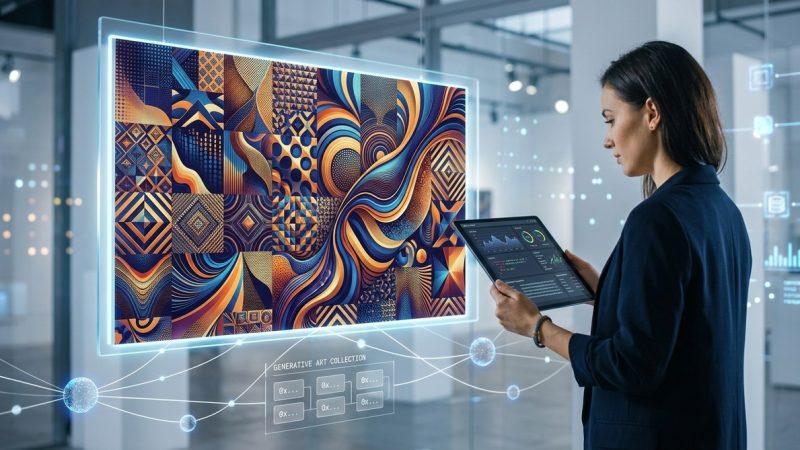
Building a digital collection is no longer optional for museums aiming to connect with broader audiences and safeguard their heritage. Crafting a robust digital curation framework helps ensure collections are cohesive, accessible, and preserved for the long term. With rapidly advancing technology, establishing clear processes and best practices is vital. This guide will walk you through key principles and practical steps to develop a digital curation framework that aligns with museum standards and digital transformation goals.
A well-designed digital curation framework for museums balances collection integrity, technological tools, and ongoing management. It ensures digital assets are organized, preserved, and accessible, supporting educational goals and heritage preservation for future generations.
Understanding the essentials of a digital curation framework for museums
A digital curation framework provides a structured approach to managing digital assets within a museum environment. It encompasses processes, standards, and technologies that facilitate the organization, preservation, and dissemination of digital collections. Such a framework is crucial for maintaining collection authenticity, supporting research, and engaging audiences online.
At its core, a digital curation framework aims to meet several key objectives:
- Organize collections meaningfully
- Preserve digital assets over time
- Enable easy retrieval and display
- Protect rights and provenance
- Support future technological developments
Developing this framework requires a clear understanding of your institution’s goals, resources, and digital maturity level. It also demands a commitment to continuous improvement as new tools and standards emerge.
Practical steps to build your museum’s digital curation system
Creating a cohesive digital curation framework involves a series of deliberate actions. Here are five essential steps:
- Define your collection scope and digital standards
- Implement effective cataloging and metadata practices
- Establish preservation protocols and technology infrastructure
- Develop access policies and user engagement strategies
- Regularly review and update your digital processes
Let’s unpack each step with examples and best practices.
1. Define your collection scope and digital standards
Begin by clarifying what digital assets your museum will include. These might be digital photographs, 3D models, audio recordings, or virtual exhibits. Setting standards for file formats, metadata schemas, and quality benchmarks ensures consistency.
For example, adopting open standards like Dublin Core for metadata or TIFF and JPEG2000 for images promotes interoperability. Establishing naming conventions and version control protocols helps track asset evolution over time.
2. Implement effective cataloging and metadata practices
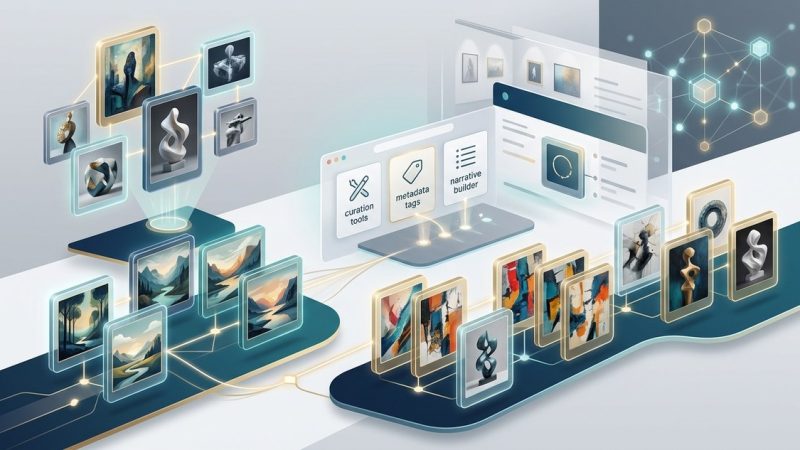
Metadata acts as the backbone of your digital collection. It provides context, provenance, and discoverability. Use controlled vocabularies and standardized fields to describe each item accurately.
A practical approach involves creating a metadata template that captures essential information such as artist, date, origin, rights, and technical specifications. For instance, when digitizing an artwork, include details about the original physical object, digital file creation date, and licensing terms.
3. Establish preservation protocols and technology infrastructure
Digital assets require ongoing preservation to prevent obsolescence and data loss. This involves selecting suitable storage solutions, backup strategies, and migration plans.
Consider using decentralized storage options like IPFS or Arweave for long-term preservation. Implement regular backups across multiple locations, and plan for periodic migration to current formats and platforms.
4. Develop access policies and user engagement strategies
A digital curation framework is incomplete without policies on who can access the collection and how. Define user roles, rights management, and privacy considerations.
Provide clear guidelines for open access or restricted viewing, depending on rights. Incorporate interactive features such as virtual tours, educational resources, or blockchain-based provenance verification to engage audiences.
5. Regularly review and update your digital processes
Technology and standards evolve rapidly. Schedule periodic audits of your digital assets, metadata accuracy, and system security.
Stay informed about emerging tools like blockchain for provenance or AI for metadata tagging. Incorporate feedback from users and staff to refine your framework continuously.
Common techniques and pitfalls in digital curation
| Technique | Benefits | Common Mistakes |
|---|---|---|
| Standardized metadata schemas | Enhances discoverability and interoperability | Using inconsistent vocabularies |
| Decentralized storage | Ensures long-term preservation | Neglecting migration plans |
| Clear access policies | Protects rights and defines user engagement | Overly restrictive or lax policies |
| Regular system audits | Maintains system integrity | Ignoring evolving standards or technologies |
“A proactive approach to digital preservation and metadata management can save a lot of headaches down the line,” advises digital heritage expert Dr. Alice Monroe. She emphasizes that planning for technological change is as important as initial implementation.
Embracing the future of digital collection management
As the digital landscape continues to evolve, so must your museum’s approach to collection curation. Incorporating new developments like blockchain for provenance, AI for automated tagging, and immersive technologies broadens your capacity to serve diverse audiences and safeguard your collections.
Building a flexible, comprehensive framework ensures your institution can adapt quickly and efficiently. It also elevates your collection’s integrity and visibility in the digital realm.
Final thoughts: taking action today
Developing a clear digital curation framework for museums is a vital step in modernizing your collection management. Start by assessing your current digital assets and processes. Set achievable goals aligned with standards and technological trends. Remember, consistency and ongoing review are key to long-term success.
By following these practical steps and embracing innovation, you can create a digital environment that preserves your heritage and invites discovery for generations to come.