5 Emerging Blockchain Art Platforms Every Collector Should Watch in 2026
The digital art world has matured beyond the hype cycles of 2021. Today, in 2026, serious collectors are looking for platforms that offer genuine curation, sustainable technology, and long-term value. While giants like OpenSea and SuperRare still dominate volume, a new wave of specialized platforms is gaining momentum. These emerging blockchain art platforms are not just marketplaces. They are ecosystems built around specific artistic movements, collector communities, and innovative blockchain features. If you want to stay ahead of the curve, these five platforms deserve your attention this year.
The most promising emerging blockchain art platforms of 2026 share three traits: strong curation, user-friendly blockchain integration, and a clear focus on art over speculation. This guide breaks down five platforms that embody those qualities, with practical tips to help you research each one before committing capital.
Why 2026 Is a Breakout Year for Blockchain Art Platforms
The blockchain art ecosystem has undergone a significant shift. After the market correction of 2023 and the subsequent consolidation, the remaining platforms had to prove their utility. Now, in 2026, we are seeing an explosion of niche platforms that solve real problems for collectors. Issues like high gas fees, limited cross-chain compatibility, and poor user experience are being addressed by a new generation of builders.
Institutional interest is also accelerating. Major museums have started collecting digital works, and this trend is creating demand for platforms that cater to serious acquisition. The patterns are clear: collectors want verified provenance, flexible storage, and communities that share their taste. The platforms listed below are responding to those demands.
The Five Emerging Blockchain Art Platforms to Watch in 2026
1. Arteon: Curated Collectives With DAO Governance
Arteon calls itself a “digital salon” for fine art. Instead of an open marketplace, it uses a curated onboarding process. Artists must be nominated by existing members and pass a review board. This approach filters out spam and low-effort mints.
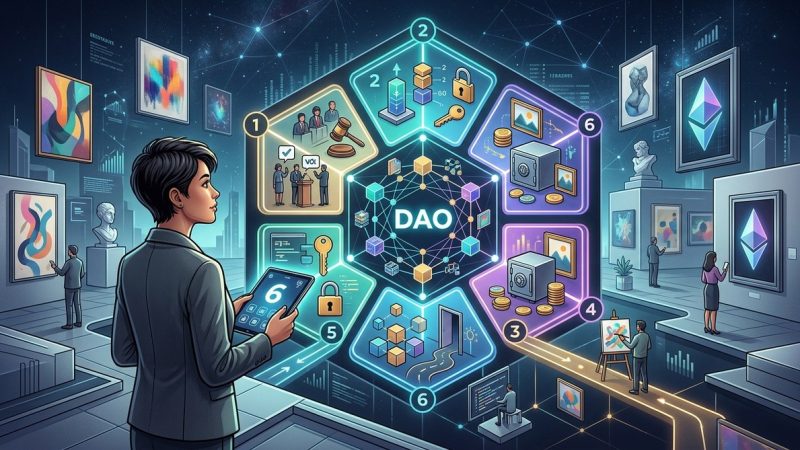
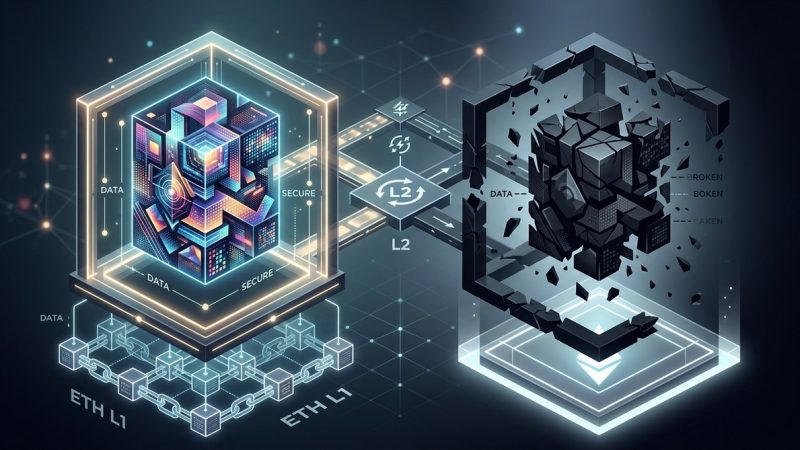
What makes Arteon different is its DAO governance. Token holders vote on which exhibitions to fund, which artists to invite, and how the platform’s treasury is used. This creates a sense of ownership among collectors. The platform runs on a layer-2 Ethereum solution, keeping transaction fees under a dollar for most purchases.
For collectors who value community over convenience, Arteon offers a curated discovery experience. You can learn more about how smart contracts are reshaping art ownership in our guide on how smart contracts are revolutionizing art ownership and provenance.
2. PixelCortex: Generative AI Art With On-Chain Model Provenance
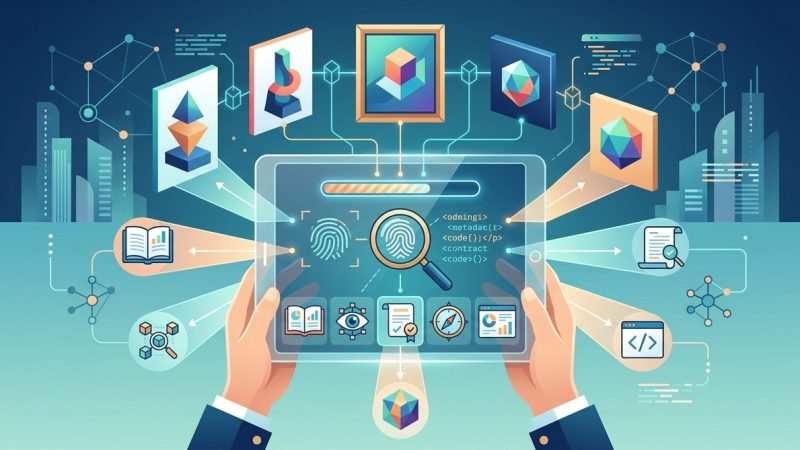
Generative art has been a staple of blockchain art since the early days, but PixelCortex takes it a step further. It allows artists to mint not only the final artwork but also the AI model that generated it. The model weights are stored on-chain, so collectors can verify that each output was created by the original algorithm.
This is a game changer for authenticity. Previous generative art collections relied on trust that the artist used their own code. PixelCortex makes that trust unnecessary. The platform also includes a built-in viewer that lets you tweak parameters and create your own variations (which remain non-transferable unless the artist allows it).
As collectors become more interested in the creative process, PixelCortex positions itself as the definitive platform for this medium. If you are drawn to code-based works, our article on generative art on the blockchain: where code meets canvas will deepen your understanding.
3. VaultVerse: Fractional Ownership for Iconic Digital Works
Fractional ownership has been a buzzword in the crypto space for years, but VaultVerse is the first platform to execute it convincingly for fine digital art. Instead of buying a whole NFT, you can purchase a fraction of a high-value piece from a blue-chip artist. The platform handles the legal framework and smart contract logic so that each fraction holder receives proportional royalties from any future sale.
VaultVerse focuses exclusively on works that have already been authenticated by a traditional appraiser or have a track record of secondary sales. This reduces the risk for fraction buyers. The platform also offers a secondary market for fractions, so you can exit your position without waiting for the whole piece to sell.
Fractional ownership is changing how collectors build portfolios. Our deep dive on fractional ownership is changing digital collecting forever covers the technical and legal nuances.
4. Nimbus: Cross-Chain Bridge for Seamless Art Collection
One of the biggest frustrations for collectors in 2026 is managing assets across multiple blockchains. Nimbus solves this by acting as a unified interface. You connect your wallets from Ethereum, Solana, Tezos, and others, and Nimbus displays your entire collection in one dashboard. But more importantly, it allows you to buy art on any supported chain and automatically bridge it to a chain of your choice.
This reduces friction. You no longer need to maintain a separate wallet for each network or worry about which chain a new drop is on. Nimbus also handles gas estimation and suggests the cheapest time to mint. The platform itself has a small curated marketplace, but its primary value is the interoperability layer.
For collectors who want flexibility without the headache, Nimbus is a must-try. Moving art between chains securely is critical; our guide on cross-chain bridges: moving your digital art collection between blockchains safely explains the risks and best practices.
5. ChronoCanvas: Dynamic NFTs That Evolve With the World
Dynamic NFTs are gaining traction because they can change based on external data. ChronoCanvas specializes in time-based and event-responsive artworks. For example, a piece might shift colors based on the season, or reveal new layers when a milestone is reached.
The platform uses oracles to feed real-world data into smart contracts. Artists can define triggers like “change palette on the first day of spring” or “unlock a hidden video after ten collectors purchase the piece.” This creates living collections that feel alive.
Dynamic NFTs introduce new challenges for storage and display. The underlying metadata must be updated regularly, which requires robust decentralized infrastructure. Our article on the rise of dynamic NFTs: how on-chain data creates evolving digital artworks explains the mechanics in detail.
Quick Comparison Table
| Platform | Core Focus | Blockchain | Startup Fees | Best For |
|---|---|---|---|---|
| Arteon | Curated fine art | Ethereum L2 | Low (under $1) | Community-driven collectors |
| PixelCortex | Generative AI | Solana | Minimal | Tech-savvy art investors |
| VaultVerse | Fractional ownership | Polygon | Varies by fraction | Budget-conscious collectors |
| Nimbus | Cross-chain bridge | Multi-chain | Gas only | Diversified crypto users |
| ChronoCanvas | Dynamic NFTs | Ethereum | Moderate | Experimental collectors |
“In 2026, the best emerging platforms are the ones that solve a real friction point for collectors. Whether it’s curation, provenance, or liquidity, if a platform makes your life easier, it’s worth watching.” — Anika Rosen, independent digital art advisor
How to Evaluate an Emerging Platform: A Practical Checklist
Before you deposit funds or mint your first piece on a new platform, run through these steps:
- Verify the team. Look for LinkedIn profiles, past projects, and any press mentions. Anonymous teams are a red flag.
- Test the user experience. Create a free account and browse. Does the interface feel smooth? Is the search functional? Can you easily see artist profiles and provenance?
- Review the smart contracts. If you have technical knowledge, check the code on Etherscan. Otherwise, look for a third-party audit report.
- Check liquidity. For marketplaces, look at recent sales volume. For fractional platforms, check how quickly fractions have traded.
- Assess the community. Join their Discord or Twitter. Are conversations about art or speculation? A healthy community focuses on the work.
- Understand the fee structure. Some platforms charge high minting fees, hidden gas costs, or royalties that cut into your profits.
- Plan for the worst. Ask what happens if the platform shuts down. That question is more important than ever, as we covered in what happens to your blockchain art when the platform shuts down.
Red Flags to Avoid
- Platforms that promise guaranteed returns or rental income.
- Excessive hype from anonymous creators on social media.
- Unaudited smart contracts with known vulnerabilities.
- Very low minting prices for “unlimited editions” — scarcity matters.
- Lack of clear terms of service or privacy policies.
Building Your 2026 Collection Strategy
The platforms above each serve a different collector profile. Arteon suits those who value curation and community governance. PixelCortex appeals to fans of generative art and open-source AI. VaultVerse opens the door to high-value pieces at a lower entry point. Nimbus solves the cross-chain headache, and ChronoCanvas offers something truly novel.
Your best approach is to pick one or two platforms that align with your interests. Start small. Participate in a few drops. Learn the community norms. Then gradually build conviction.
Remember that no platform, no matter how promising, guarantees returns. The most successful collectors in 2026 are the ones who focus on the art first and the investment second. Take time to study, connect with other collectors, and always do your own research. The emerging blockchain art platforms of today could become the blue chips of tomorrow.