How Blockchain Art Provenance Is Reshaping Insurance and Valuation Standards
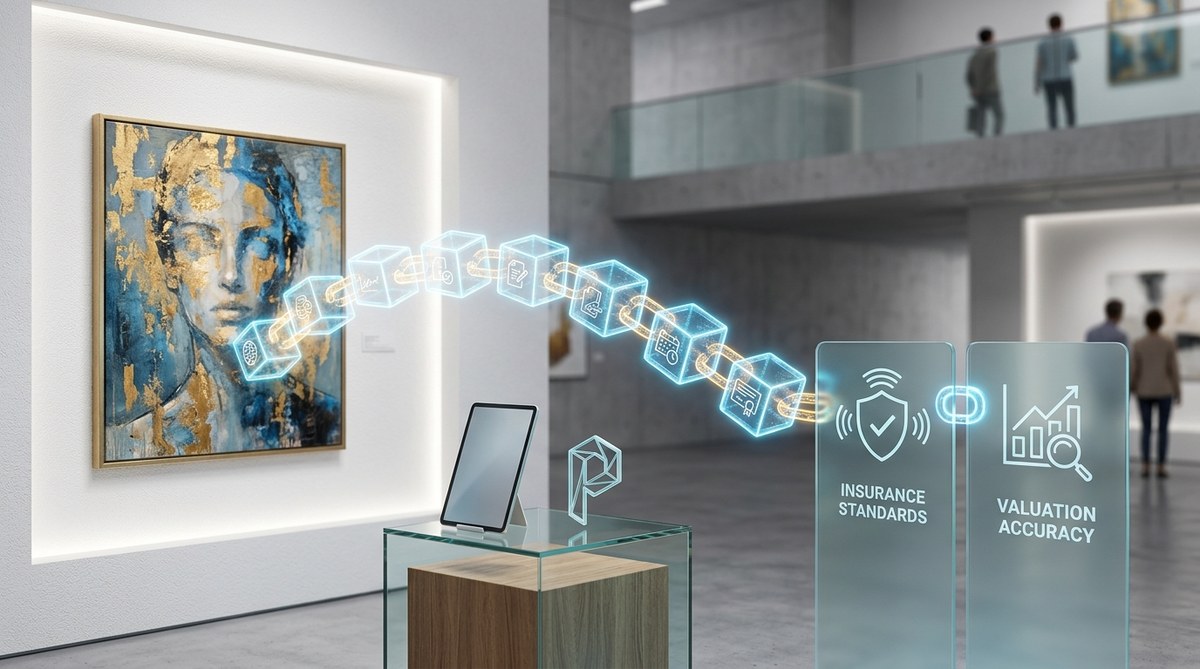
For decades, the art world has operated on a handshake and a paper trail. A painting changes hands, a gallery scribbles a note, an invoice gets filed in a drawer somewhere. That system worked well enough when a single canvas could be traced through a handful of owners over a century. But in 2026, with digital artworks selling for millions and cross-border transactions happening in seconds, the old methods are breaking. For insurers and appraisers, the question is no longer whether blockchain art provenance insurance is useful. It is whether you can afford to ignore it.
Blockchain provenance gives insurers and appraisers something they have never had before: an unbroken, timestamped record of every transaction tied to a digital artwork. This transparency reduces fraud risk, simplifies valuation, and creates new insurance products. For art market professionals, adopting blockchain verification is becoming a standard practice, not an experimental one. The shift is already underway in 2026.
Why Traditional Provenance Falls Short for Digital Art
A typical provenance document for a physical painting might include a gallery receipt, a catalog entry, and a letter from a previous owner. That paper chain can be forged, lost, or simply incomplete. For digital art, the problem gets worse. A digital file can be copied infinitely with zero degradation. Without a reliable way to prove which copy is the original, valuation becomes guesswork.
Insurers face a specific headache. If you cannot verify that a digital artwork is authentic and has a clean ownership history, you cannot accurately assess its risk. A piece might be worth $500,000 on paper, but if its provenance is murky, it could be a counterfeit or a stolen asset. Blockchain solves this by creating a public, immutable ledger. Every mint, every sale, every transfer is recorded and cannot be altered retroactively.
How Blockchain Provenance Works in Practice
Understanding the mechanics helps you see why this matters for insurance and valuation. Here is a simple breakdown of the process:
- Minting the artwork. The artist or gallery creates a token on a blockchain like Ethereum, Solana, or Tezos. This token contains metadata linking to the artwork file and a unique identifier.
- Recording the first transaction. The mint transaction is written to the blockchain. The timestamp and wallet addresses become the first entry in the provenance record.
- Tracking every subsequent sale. When the artwork changes hands, the smart contract records the transfer. Each new owner adds a link to the chain. The history grows organically.
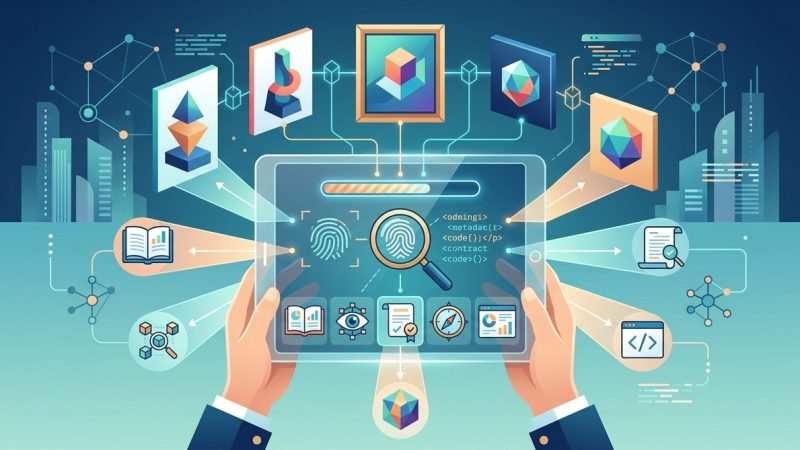
- Verifying on demand. An appraiser or insurer can look up the token ID on a blockchain explorer. They see the full history in seconds, without relying on paper documents.
This process eliminates many of the weak points that plague traditional provenance. There is no single point of failure. No one can insert a fake owner into the chain after the fact. And because the data is public, anyone can verify it independently.
The Impact on Insurance Risk Assessment
Insurance companies have always struggled with art because it is illiquid, subjective, and hard to authenticate. Blockchain provenance changes the risk equation in several ways.
First, it reduces the chance of insuring a forgery. If the provenance is on chain and the artwork was minted by a verified artist or reputable gallery, the risk of counterfeit drops dramatically. Second, it makes loss prevention easier. If a piece is stolen, the blockchain record acts as a permanent alert. Even if the thief transfers the token to a new wallet, the stolen flag remains visible. Third, it enables parametric insurance products. Smart contracts can trigger automatic payouts based on verifiable events, like a price drop in a collection or a platform outage.
For example, a collector who holds a piece from a blue chip generative collection can buy a policy that pays out if the floor price falls below a certain threshold. The smart contract checks the blockchain data automatically. No adjuster needed. That is a product that simply did not exist before blockchain provenance became reliable.
Valuation Gets a Data Driven Upgrade
Appraisers have traditionally relied on comparable sales, auction results, and expert opinion. Those methods still matter, but blockchain adds a layer of hard data that changes the game.
| Traditional Valuation Method | Blockchain Enhanced Approach |
|---|---|
| Compare to recent auction sales of similar works | Analyze on chain transaction history, including wallet activity and holding periods |
| Rely on gallery or artist statements about scarcity | Verify exact edition size and minting data on the blockchain |
| Use expert opinion for condition and authenticity | Check on chain provenance for unbroken ownership chain |
| Estimate value based on market sentiment | Track real time floor prices and sales volume across marketplaces |
This table highlights the shift. An appraiser in 2026 can pull up a dashboard that shows not just what a piece sold for last year, but how many wallets held it, how long they held it, and whether any of those wallets are associated with known collectors or institutions. That data is powerful. It removes some of the guesswork and gives valuations a stronger factual basis.
Common Mistakes to Avoid When Using Blockchain Provenance
Adopting this technology is not automatic. Professionals who are new to blockchain art provenance insurance often make a few predictable errors. Here are the ones to watch for.
- Trusting the metadata without checking the file. A token might point to a URL that hosts the artwork. If that URL goes down, the artwork is gone. Always verify that the storage is decentralized, using IPFS or Arweave.
- Ignoring wallet reputation. Not all wallets are equal. A piece bought by a known collector adds more confidence than one bought by a newly created address with no history.
- Assuming all blockchains are the same. Ethereum has deep liquidity and strong tooling. Smaller chains may have lower fees but less reliable data. Understand the chain before you rely on its records.
- Forgetting about off chain agreements. Smart contracts record ownership, but they do not record loan agreements, rental terms, or fractional ownership structures that happen off chain. Those still need traditional documentation.
“The blockchain is not a magic wand. It is a tool that makes provenance more transparent, but you still need to understand the art, the artist, and the market. The data is only as good as your ability to interpret it.” — Sarah Chen, art appraiser and blockchain consultant
Building a Blockchain Provenance Workflow for Your Practice
If you are an insurer, appraiser, or collector, you do not need to become a blockchain developer. You do need a repeatable process. Here is a practical checklist to integrate blockchain art provenance insurance into your daily work.
- Start with a blockchain explorer. Etherscan for Ethereum, Solscan for Solana, or TzKT for Tezos. Learn how to look up a token ID and read the transaction history.
- Verify the mint address. Check that the artwork was minted by a verified creator or a known gallery. Look for blue check marks or official collection labels.
- Check the storage layer. Is the artwork on IPFS or Arweave? If it is on a regular web server, flag it as higher risk.
- Review the wallet history. Have previous owners held the piece for reasonable periods? Sudden flips between unknown wallets can indicate wash trading.
- Cross reference with market data. Use platforms like OpenSea, LooksRare, or Blur to compare the on chain record with real world sales data.
This workflow takes about five minutes per piece. For high value items, it is time well spent.
What the Future Holds for 2026 and Beyond
The art insurance industry is moving toward a standard where blockchain provenance is expected, not optional. Major insurers are already building internal tools to scan on chain data. Appraisal firms are training staff on blockchain literacy. Collectors are demanding provenance records as part of their purchase agreements.
The next wave will likely involve AI powered analysis of provenance data. Imagine a tool that flags suspicious patterns across thousands of transactions, or one that predicts value based on the behavior of similar wallets. That is not science fiction. It is already being built by startups in the space.
For now, the most important step is to start using the tools that exist. If you are an appraiser, add blockchain verification to your standard report. If you are an insurer, update your underwriting guidelines to include on chain provenance checks. If you are a collector, make sure every piece you buy has a clean, verifiable chain.
Putting This Knowledge to Work
The shift toward blockchain art provenance insurance is not a future trend. It is happening right now in 2026. The professionals who adapt will have a competitive edge. They will offer more accurate valuations, better risk assessments, and products that match the reality of the digital art market.
Start small. Pick one piece in your portfolio or one client request. Run it through the workflow above. See what the blockchain reveals. You might be surprised at how much clarity a few minutes of on chain research can provide. And once you see the difference, you will wonder why you ever relied on paper alone.