Exploring Web3 Innovations Transforming Digital Art Markets
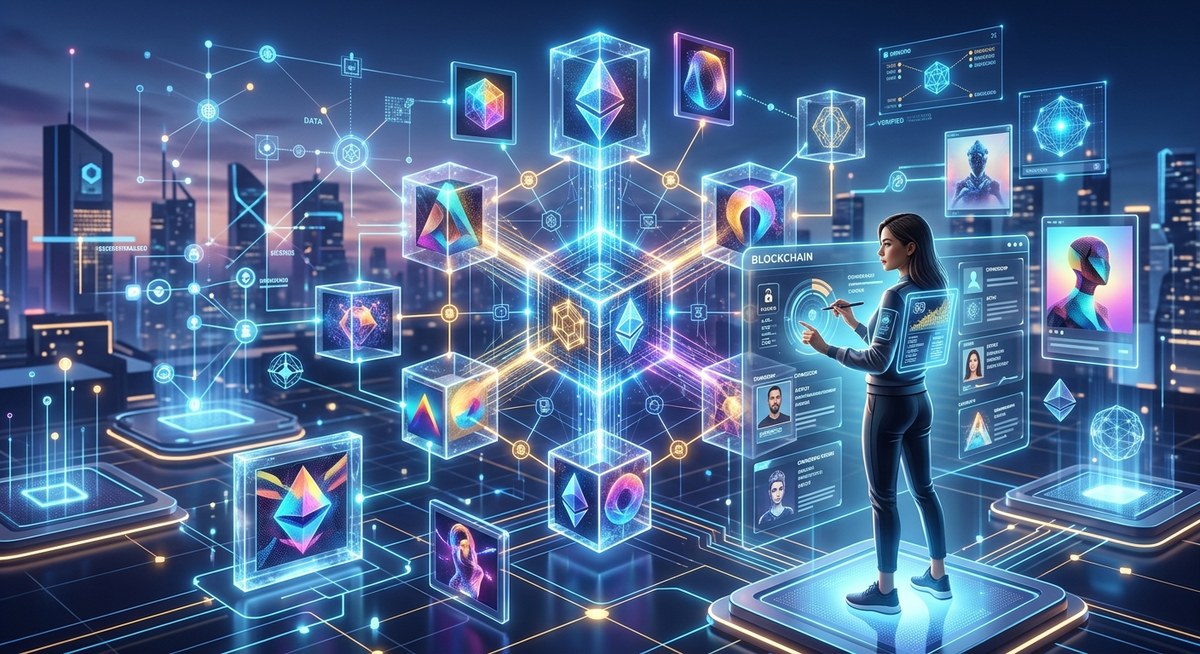
Digital art is undergoing a radical transformation thanks to a wave of Web3 innovations. Artists, collectors, and enthusiasts are witnessing a shift in how digital creations are made, owned, and valued. Blockchain technology is not just a buzzword but a foundational element that empowers creators to establish verifiable ownership, foster new revenue streams, and build vibrant communities. This evolution is opening doors to a more democratized, transparent, and engaging digital art scene.
Web3 digital art innovations are redefining how art is created, owned, and experienced. Blockchain enables artists to verify ownership, ensures provenance, and unlocks new economic models that benefit both creators and collectors in a more transparent environment.
The Rise of blockchain-powered digital art
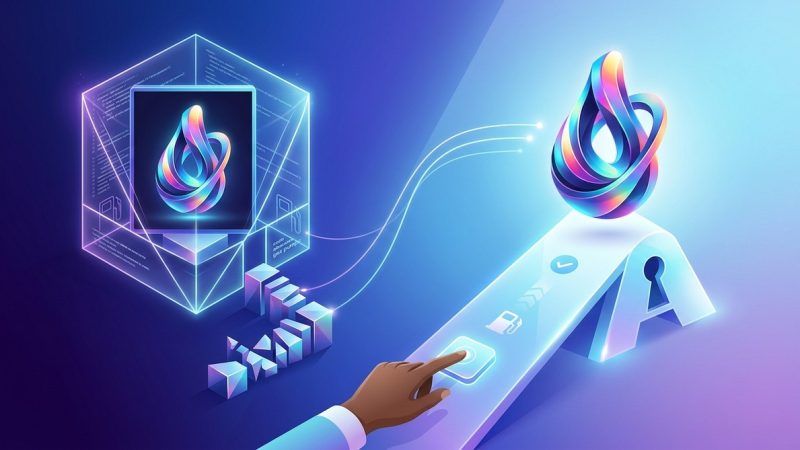
Web3 introduces a new paradigm where digital assets are not just files but unique tokens that carry proof of ownership on a decentralized network. Non-fungible tokens, or NFTs, are at the forefront of this shift. They allow artists to mint one-of-a-kind digital pieces with cryptographic proof that they are authentic and original. This approach dismantles traditional barriers, giving artists control over their work and enabling collectors to buy, sell, and showcase art with confidence.
NFTs are more than just digital images. They can include music, videos, virtual fashion, or even interactive experiences. The technology behind them ensures that all transactions are recorded transparently, creating a clear history of ownership and provenance. This transparency helps combat art forgery and builds trust in the digital marketplace.
How Web3 innovations are reshaping creative processes
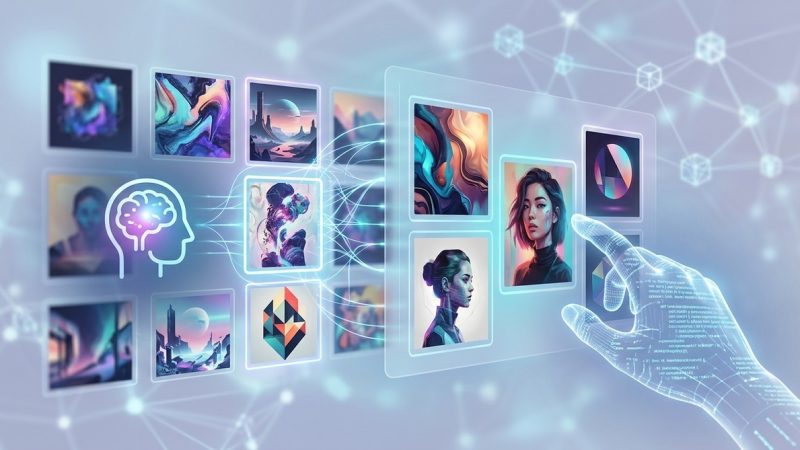
Web3 is influencing how artists produce and distribute digital art. Generative algorithms, AI-powered tools, and blockchain smart contracts are opening new artistic avenues. For example, artists are now using code to generate unique pieces that evolve over time, with each version recorded on-chain.
The ability to embed royalties into smart contracts means artists can automatically receive a percentage of resale profits. This ensures ongoing compensation for their work, unlike traditional galleries or licensing models. As a result, creators are more motivated to innovate, knowing they will benefit from secondary sales.
Practical process for artists and collectors:
- Learn the basics of blockchain and NFTs. Understanding how tokens work and the platforms available is crucial.
- Create or select a digital wallet that supports Web3 assets. This is your gateway to minting and managing NFTs.
- Mint your digital art on a suitable platform, paying attention to gas fees and platform policies.
- Set up royalties during minting to secure ongoing earnings from future resales.
- Build or join communities that focus on Web3 art to stay informed about trends and opportunities.
New markets and collection strategies in Web3
The decentralization of digital art marketplaces means creators can now showcase their work directly to audiences without intermediaries. Platforms like OpenSea and Rarible enable artists and collectors to connect globally. This shift fosters a more inclusive environment where emerging artists can reach audiences without gatekeepers.
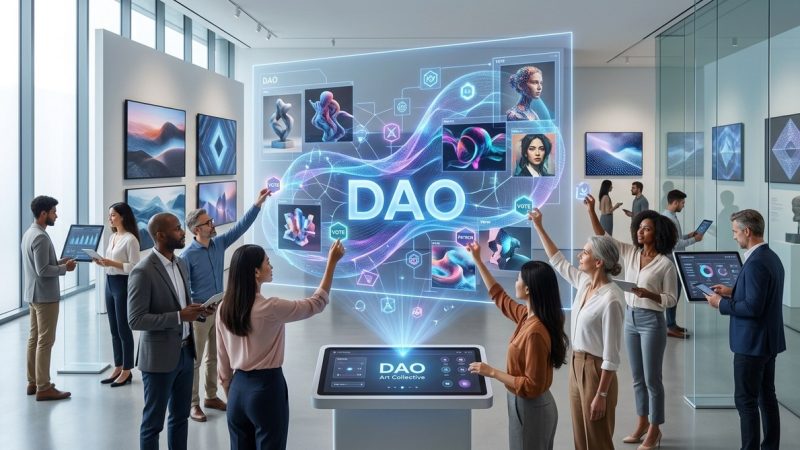
Collection strategies are evolving too. Instead of focusing solely on high-priced artworks, collectors are exploring fractional ownership and community-curated collections. These models allow multiple investors to own shares of a valuable piece, making digital art more accessible and liquidity more manageable.
Practical steps for collectors:
- Research emerging artists and trending collections to identify undervalued assets.
- Diversify across different blockchain platforms to mitigate risks.
- Leverage community insights from social media and Web3 forums.
- Use analytics tools to assess rarity, provenance, and market trends.
- Consider fractional ownership to access high-value artworks at lower costs.
Techniques and pitfalls in Web3 digital art
To succeed in the Web3 art scene, understanding effective techniques and common mistakes is vital.
| Techniques | Mistakes to avoid |
|---|---|
| Verifying provenance through blockchain records | Relying solely on platform reputation without checking the underlying blockchain data |
| Embedding royalties into smart contracts | Ignoring gas fees or minting costs that can erode profits |
| Participating in community-curated drops | Falling for scams or fake listings due to lack of due diligence |
| Using decentralized storage like IPFS or Arweave | Storing art on centralized servers that may go offline |
“Always verify the authenticity of digital assets and understand the terms embedded in smart contracts. This ensures your investments and creations are protected and properly credited.” — Blockchain art expert
The importance of provenance and security
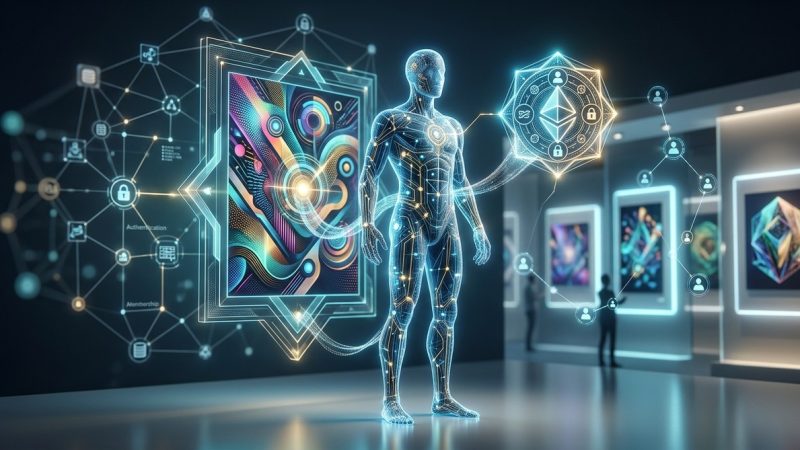
Provenance, or the history of ownership, is crucial in valuation and authentication. Web3 makes provenance tamper-proof by recording every transaction on the blockchain. This transparency enhances trust and simplifies due diligence.
Security practices must keep pace with innovation. Using hardware wallets, multi-signature setups, and decentralized storage solutions helps safeguard valuable assets. Additionally, understanding the costs associated with minting, transferring, and storing digital art prevents unexpected expenses.
Future outlook for Web3 digital art
The landscape continues to expand with innovations such as dynamic NFTs that change based on on-chain data, virtual galleries in the metaverse, and AI-driven art creation. As blockchain networks improve scalability and reduce environmental impact, adoption is expected to rise.
Artists and collectors who stay informed about technological developments and best practices will position themselves advantageously. Platforms are also integrating social features, making community engagement central to digital art ecosystems.
Practical advice:
- Stay updated on emerging Web3 platforms and standards.
- Experiment with new tools like generative art algorithms.
- Engage with communities to learn about upcoming trends.
- Prioritize security and provenance in all transactions.
- Support artists who use sustainable blockchain solutions.
Moving forward with confidence in Web3 art
Navigating the Web3 digital art space can seem complex at first. However, by understanding core concepts like blockchain verification, smart contracts, and community-driven markets, you build a foundation to participate confidently. The key is to approach each transaction with due diligence and curiosity.
Whether you are creating, collecting, or curating, embracing these innovations empowers you to shape the future of digital art. The decentralized nature of Web3 invites everyone to be part of a more transparent, inclusive, and creative digital culture.
Harnessing the power of Web3 for digital art growth
As this new era unfolds, practical engagement becomes essential. Start by exploring platforms that resonate with your interests, educate yourself on the technicalities, and connect with communities sharing your passion. Web3 digital art innovations are not just changing the way art is valued but also who can participate in its creation and appreciation.
Your journey into Web3 digital art can lead to exciting discoveries, collaborations, and ownership experiences. Take small steps today and enjoy the ongoing transformation of this vibrant creative frontier.