Tokenbound Accounts Are Giving NFTs Their Own Wallets and Changing Everything
NFTs have long been celebrated for their ability to represent unique digital assets. But recent innovations are pushing their capabilities even further. Tokenbound Accounts ERC-6551 introduce a revolutionary way for NFTs to act as autonomous wallets. This change could redefine how digital assets are owned, managed, and interacted with in Web3. Instead of static collectibles, NFTs are now becoming dynamic entities with their own on-chain identities and functionalities.
Tokenbound Accounts ERC-6551 turn NFTs into self-contained smart contract wallets, enabling direct asset ownership, on-chain interactions, and new possibilities for creators and collectors. This development enhances the utility and versatility of NFTs in the blockchain ecosystem.
What are Tokenbound Accounts ERC-6551 and why do they matter?
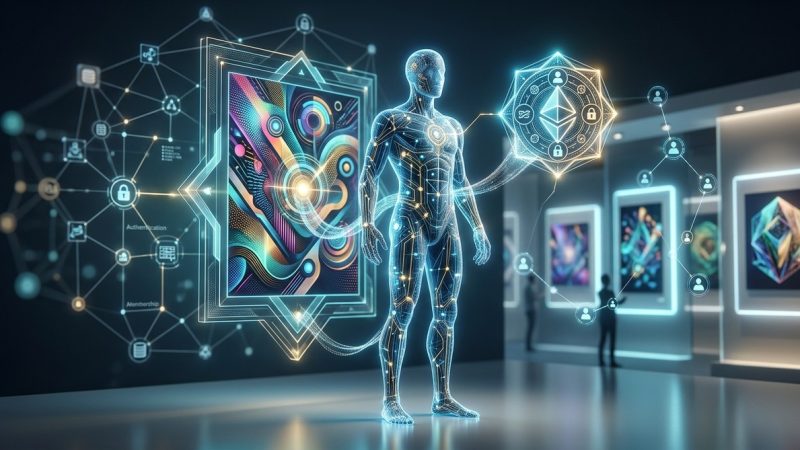
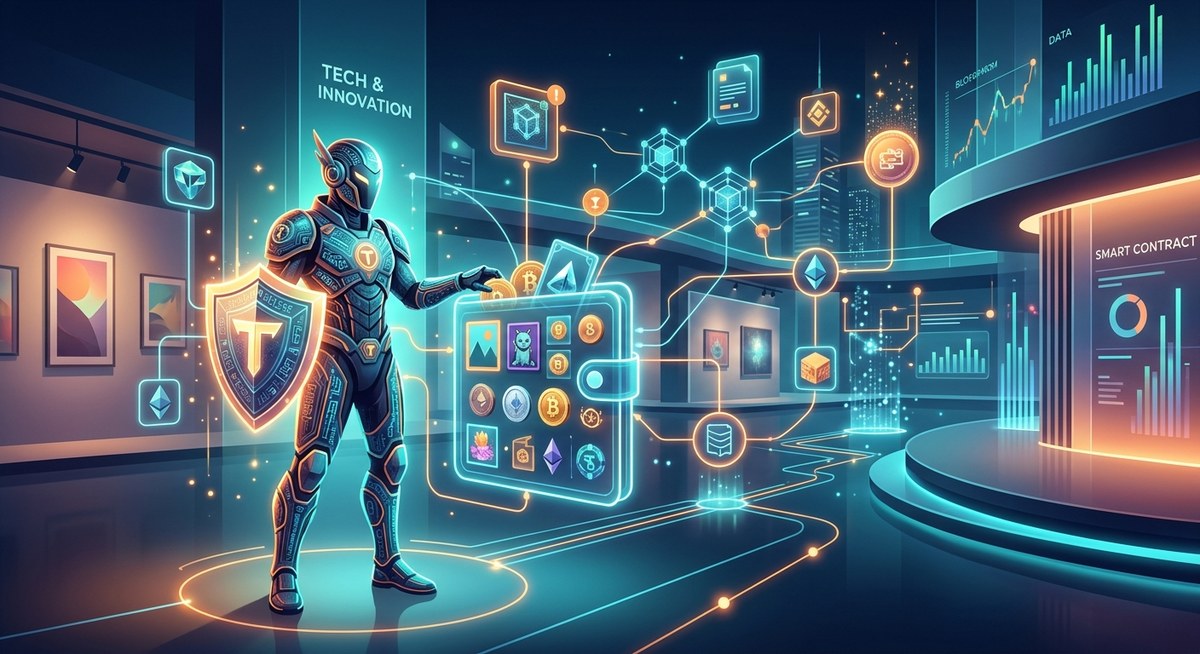
At its core, ERC-6551 is a standard that enables NFTs to own and operate their own smart contract wallets. Think of it like giving each NFT a dedicated on-chain account that can hold assets, sign transactions, and interact with various decentralized protocols. This means NFTs are no longer just digital certificates of ownership but becoming active participants in the blockchain economy.
The concept is straightforward but powerful. By linking an NFT to a unique smart contract wallet, it can manage other tokens, interact with DeFi protocols, or even serve as a gateway to complex on-chain experiences. For example, a digital art piece could hold fractional tokens, game assets, or licenses all within its own account. This shift offers a new level of interoperability and composability for digital assets.
How ERC-6551 works in practice
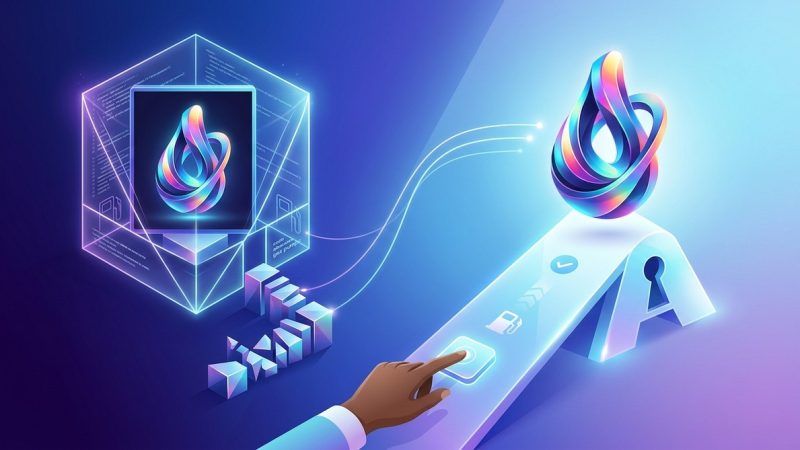
The mechanism behind ERC-6551 involves associating each NFT with a specific smart contract that acts as its wallet. When an NFT is transferred, its linked account moves along seamlessly. This process is made possible by deploying a registry that keeps track of all these associations. The registry ensures that each NFT has a unique account, enabling consistent management of assets and permissions.
Developers use a set of standard interfaces to create and interact with these token-bound wallets. These interfaces allow for:
- Asset management inside the NFT wallet
- Transaction signing by the NFT itself
- On-chain interactions with other protocols
This technical architecture ensures that each NFT’s account functions reliably and securely while remaining compatible with existing standards.
Practical steps to set up a Tokenbound Account ERC-6551
For blockchain developers and project teams interested in leveraging this technology, here’s a simplified process:
-
Register your NFT with the ERC-6551 registry
This involves deploying or interacting with the registry contract to link your NFT’s token ID with a new smart contract wallet. -
Deploy or connect to a wallet contract
Use the ERC-6551 standard to create a wallet contract that will serve as your NFT’s account. -
Associate the wallet with your NFT
Link the wallet to your NFT through the registry, establishing ownership and control. -
Manage assets and interactions
Now, your NFT can hold other NFTs, tokens, or interact with DeFi protocols directly from its account. -
Transfer and use
When you transfer the NFT, the associated wallet moves with it, maintaining all assets and permissions.
This process unlocks a host of new functionalities for NFTs, making them more than just symbolic representations.
The benefits of token-bound accounts for the Web3 community
NFT enthusiasts and crypto investors can harness ERC-6551 to unlock innovative use cases:
- Enhanced composability: NFTs can hold other assets, creating complex on-chain objects like gaming characters with inventories or art pieces with embedded licenses.
- On-chain identity: NFTs become active entities capable of signing transactions, enabling identity verification and access control.
- Asset management: Fractional ownership and custody become streamlined, as NFTs can act as wallets for tokens or other NFTs.
- Game development: Game developers can design NFTs that carry in-game assets or state information, making gameplay more integrated with blockchain assets.
- DeFi integration: NFTs can participate in lending, staking, or yield farming without requiring separate wallets.
This new standard empowers creators to build richer, more interactive digital experiences.
Risks, limitations, and technical considerations
While the possibilities are exciting, there are a few points to keep in mind:
| Technique | Mistake to Avoid |
|---|---|
| Over-complicating asset management | Assuming all assets are secure without proper testing can lead to loss. |
| Ignoring backward compatibility | Ensure new implementations work smoothly with existing standards. |
| Neglecting security audits | Because wallets hold assets, vulnerabilities can be costly. |
| Relying solely on off-chain data | On-chain verification is critical for trustless operations. |
“Implementing token-bound accounts demands rigorous security measures. Smart contract wallets are attractive but also attractive targets for exploits.” – Blockchain security expert
Limitations include the need for standardized infrastructure and the potential increase in gas costs for deploying and managing these accounts. Not all platforms natively support ERC-6551 yet, which may limit immediate interoperability.
Real-world applications and emerging trends
Some projects are already experimenting with the ERC-6551 standard. For instance, blockchain-based gaming platforms are integrating token-bound accounts to enable players to carry assets across games. Digital art platforms are allowing NFTs to hold licenses or royalties within their own accounts, simplifying rights management.
Additionally, the concept of nested NFTs—NFTs owning other NFTs—becomes more feasible with token-bound accounts. This could lead to complex on-chain hierarchies, such as a collection containing individual pieces, each with their own wallet.
As the ecosystem matures, expect to see more integrations with DeFi protocols, identity solutions, and metaverse platforms.
How ERC-6551 fits into the evolution of NFTs
Tokenbound Accounts ERC-6551 represent a step toward making NFTs more functional and interactive. They bridge the gap between static collectibles and dynamic digital entities. This evolution aligns with the broader trend of digitizing ownership, rights, and utility in the blockchain space.
By enabling NFTs to act as autonomous agents, this standard paves the way for new business models, creative collaborations, and user experiences. It transforms NFTs from mere symbols into active participants in the decentralized economy.
Practical tips for getting started
- Identify use cases: Determine whether your project can benefit from assets within NFTs, such as gaming items or licenses.
- Engage with existing standards: Review the ERC-6551 specification and related tooling to ensure compatibility.
- Prioritize security: Conduct thorough audits when deploying wallet contracts linked to NFTs.
- Collaborate with developers: Reach out to communities or teams working on token-bound account implementations.
- Stay informed: Follow ongoing developments and community feedback to adapt your approach.
Applying these insights can significantly enhance your project’s utility and user engagement.
Final thoughts on shaping the future of NFTs
Tokenbound Accounts ERC-6551 are more than just a technological upgrade; they mark a shift in how NFTs are perceived and used. They turn static tokens into versatile, on-chain entities capable of managing assets and interacting with the broader blockchain ecosystem. This evolution will likely inspire new forms of digital ownership, creative expression, and decentralized applications.
As you consider integrating token-bound accounts into your projects, remember that the key lies in thinking creatively about what NFTs can do. Building with security and interoperability in mind will ensure your innovations stand the test of time.
Harnessing the next generation of NFTs for a more interactive blockchain experience
Take the opportunity to experiment with ERC-6551 standards. Whether you’re developing a game, a digital art platform, or a new DeFi protocol, giving NFTs their own wallets opens up a world of possibilities. Start small, test thoroughly, and gradually expand your use cases. The future of digital assets is more dynamic than ever, and the tools are now within reach to shape it.