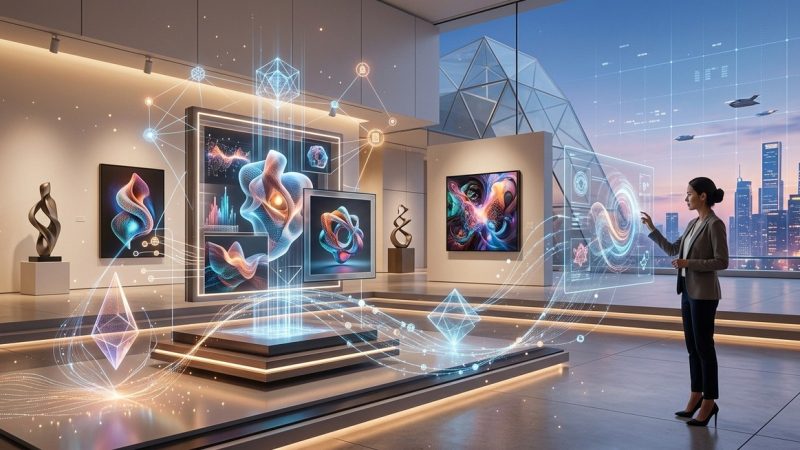
Oracles and APIs: How External Data Feeds Power Interactive Digital Art Installations
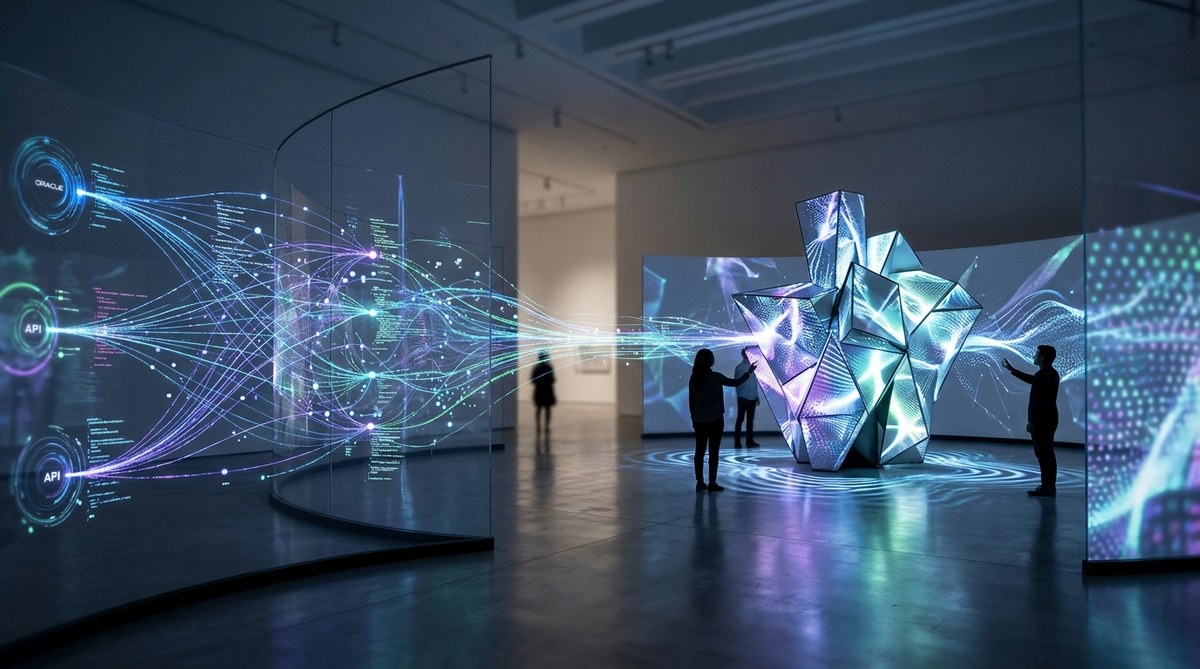
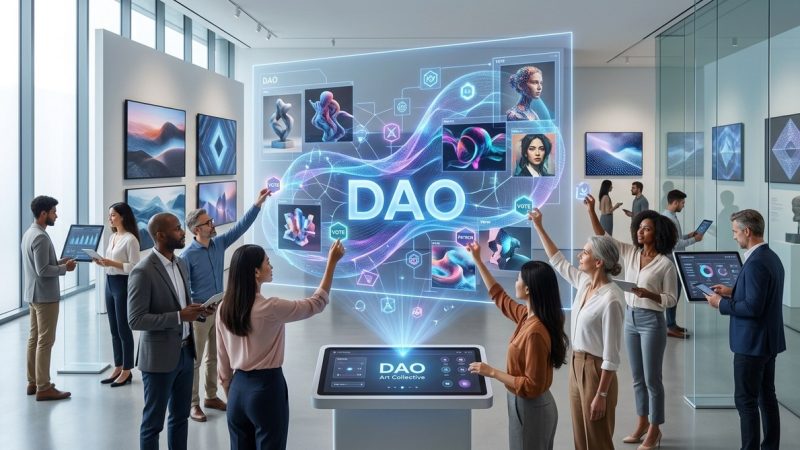
Digital art installations are transforming the way we experience creativity. They go beyond static displays, becoming living, breathing entities that respond to the environment, audience, and even real-world events. The secret behind these captivating works lies in a powerful technology trio: oracles, APIs, and external data feeds. These tools connect digital art projects to the outside world, enabling artists and technologists to craft immersive, dynamic experiences that feel alive and relevant.
External data feeds, powered by oracles and APIs, unlock new possibilities for interactive digital art. They enable real-time responses to environmental, social, and technological inputs, making artworks more engaging and meaningful. Integrating these feeds requires understanding technical connections and avoiding common pitfalls. Artists and researchers who master these tools can push creative boundaries and develop truly responsive installations that resonate with viewers on a new level.
Understanding the Role of Oracles and APIs in Interactive Art
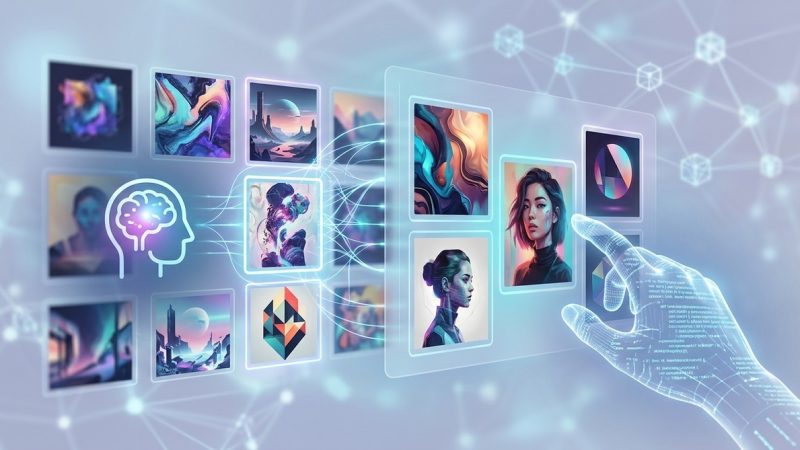
At the heart of many cutting-edge digital art installations are oracles and APIs. They act as bridges, linking artworks to external data sources that provide real-time information. This connection turns static pieces into dynamic experiences. For example, an installation might change based on weather data, social media activity, or live stock prices, creating a dialogue between the artwork and the world outside.
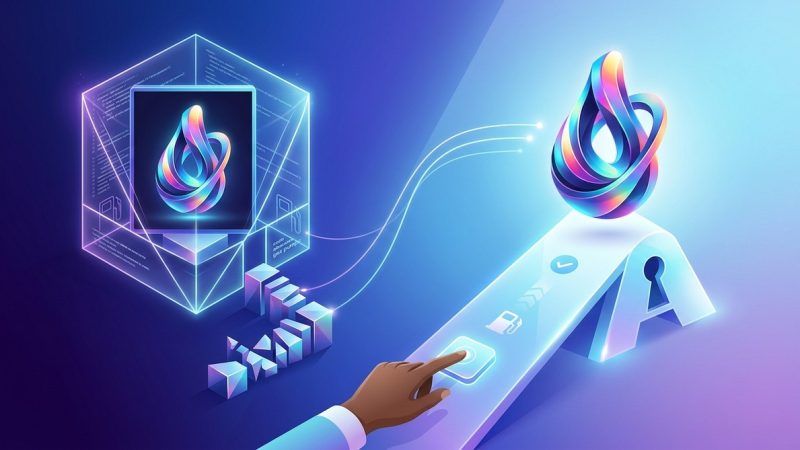
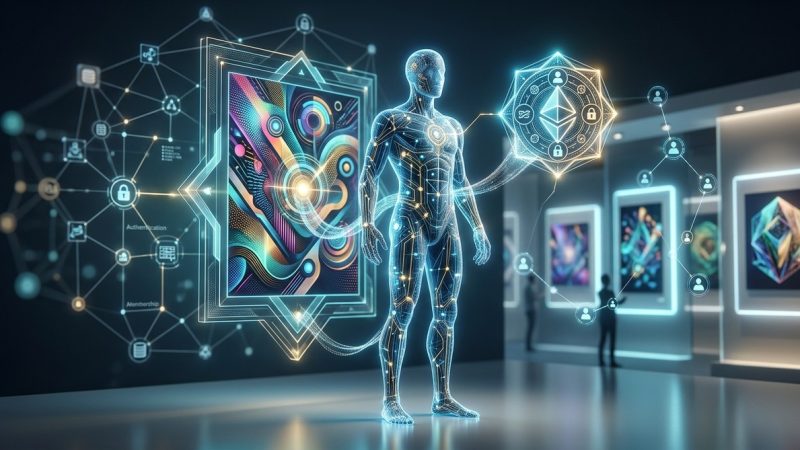
Oracles are specialized services that fetch and verify data from the real world. They confirm that external inputs are accurate and trustworthy before passing them into the art project. APIs, or application programming interfaces, are the technical tools that facilitate communication between the artwork’s code and external data sources. Together, oracles and APIs enable artists to craft experiences that are not just visually stunning but contextually relevant.
How oracles and APIs power interactive digital art
The process of integrating external data into art projects typically involves several steps:
- Identify the data source
- Connect through an API
- Verify and secure the data via an oracle
- Use the data to influence the artwork’s behavior
- Display or respond to the data in real time
This workflow allows for a wide array of applications, from reactive light shows to installations that evolve based on real-world events.
Practical approaches to embedding external data into art
To incorporate external data feeds into your digital art, follow these steps:
-
Choose your data sources carefully.
Look for reliable, well-documented APIs that provide the information you need. Public weather APIs, social media streams, or financial data are common choices. -
Set up API connections.
Use programming languages like JavaScript, Python, or specialized platforms to connect your project to these APIs. Many platforms, such as Processing or p5.js, offer libraries to simplify this process. -
Implement oracles for off-chain data verification.
If your installation runs on a blockchain or requires high trustworthiness, oracles help verify data before it influences the artwork. Services like Chainlink provide robust oracle networks. -
Design your artwork’s response logic.
Decide how data affects visual, auditory, or physical elements. For instance, a rising temperature might cause a sculpture to change color or a soundscape to intensify. -
Test and refine.
External data can be unpredictable. Build error handling and fallback options to ensure your installation remains responsive and stable.
Common techniques and mistakes in integrating external data feeds
| Technique | Mistake to Avoid |
|---|---|
| Using multiple data sources | Relying on unverified or inconsistent feeds |
| Caching data for stability | Not updating in real time, leading to stale experiences |
| Validating data with oracles | Trusting data without verification, risking inaccuracies |
| Designing for data variability | Failing to handle missing or erroneous data |
| Securing API keys and endpoints | Exposing sensitive information, risking security breaches |
“Incorporating external data into art installations opens up endless creative avenues, but it’s crucial to prioritize data security and accuracy. Proper validation ensures your installation responds meaningfully rather than unpredictably.” — Tech artist and researcher Maya Chen
Building responsive art with external data
Here’s a simple guide to get started:
- Select an external data feed relevant to your concept.
- Connect it through a suitable API using a programming environment familiar to you.
- Set up an oracle service if your project demands high trustworthiness or blockchain integration.
- Design your visual or physical elements to respond to incoming data.
- Test your setup under different data scenarios to ensure stability and responsiveness.
Example project ideas
- An art piece that visualizes air quality. When pollution levels spike, the installation becomes more chaotic or intense.
- A sculpture that shifts shape based on social media sentiment about a topic.
- An ambient light environment that reacts to live weather conditions, creating a landscape that changes with the climate.
Challenges and how to overcome them
Integrating external data feeds isn’t without challenges. Data can be unreliable, delayed, or manipulated. To address these issues:
- Use reputable data sources with high uptime and accuracy.
- Implement fallback mechanisms to handle data outages gracefully.
- Validate data through oracles or multiple sources to prevent false inputs.
- Secure your API keys and ensure data privacy standards are met.
Why external data is changing the landscape of digital art
Incorporating oracles and APIs into art projects transforms static visuals into living narratives. Viewers become participants in a dialogue with the artwork, which responds to real-world signals. This approach makes digital art more relevant, urgent, and engaging.
As the technology matures, expect to see installations that reflect environmental changes, societal moods, or even personal data streams. Artists and technologists who master these tools can craft experiences that resonate deeply and evoke meaningful conversations.
Final thoughts: start creating with external data today
Harnessing external data feeds in your art projects opens new creative horizons. Begin by exploring available APIs and understanding how to connect them securely and reliably. Experiment with different data types and response mechanisms. Over time, you’ll develop installations that are uniquely responsive, deeply connected to the world, and truly unforgettable.
Remember, the key to success lies in balancing technical precision with artistic vision. As you learn to navigate the complexities, your projects will become more immersive and impactful. So, set up your data connections, design your response logic, and let the outside world inspire your next masterpiece.