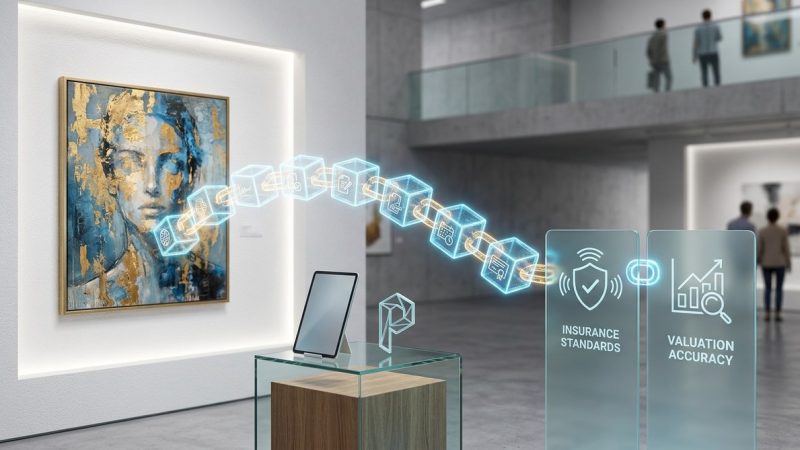
Unlocking the Future of Digital Art: How Blockchain Technology Is Transforming Creative Ownership
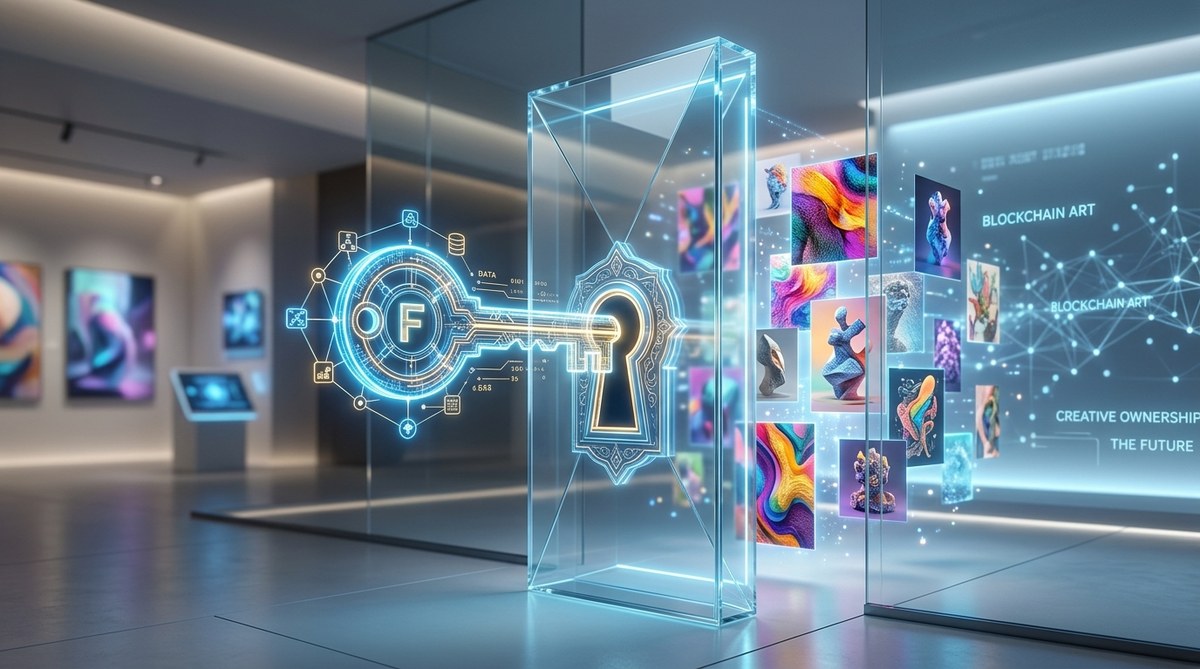
Digital art ownership has undergone a radical transformation thanks to blockchain technology. Gone are the days when digital files could be easily copied or stolen. Today, blockchain offers a way to authenticate and prove ownership of digital artworks securely. Whether you are an artist looking to protect your work or a collector eager to verify provenance, understanding blockchain digital art ownership can open new doors in the creative landscape.
Blockchain digital art ownership provides a secure, transparent way for artists and collectors to verify authenticity, transfer rights, and establish long-term value in digital artworks. It reshapes how art is created, bought, and sold in the digital age, making ownership more accessible and trustworthy for everyone involved.
The core of blockchain digital art ownership
Blockchain technology creates a decentralized ledger that records every transaction securely and transparently. For digital art, this means each piece can be associated with a unique token, often called an NFT or non-fungible token. These tokens act as digital certificates of authenticity and ownership. Unlike traditional art, where provenance can be difficult to verify, blockchain provides an immutable record that stays with the artwork forever.
When an artist mints an artwork as an NFT, they create a unique digital asset stored on a blockchain network. This token links to the artwork itself and includes details like the creator’s information, ownership history, and any royalties linked to future sales. This system ensures that the creator’s rights are protected and that buyers can verify the artwork’s origin at any time.
How blockchain is reshaping digital art creation and ownership
Artists gain new control over their work
By adopting blockchain, artists can establish clear ownership from the start. Minting a digital piece as an NFT means they retain control over distribution, licensing, and royalties. Smart contracts—self-executing agreements stored on the blockchain—automate payments to artists whenever their work is resold. This ensures ongoing earnings without the need for intermediaries.
Collectors enjoy transparent provenance
Blockchain provides a transparent history of each artwork. Buyers can verify authenticity and ownership history with a few clicks. This reduces the risk of fraud and makes high-value transactions safer. Provenance tracking on the blockchain also helps collectors assess the long-term value of a piece.
Easier transactions and access
Blockchain simplifies buying and selling digital art. Platforms like OpenSea or Rarible allow users worldwide to trade artworks without traditional galleries or auction houses. This democratizes access, making it easier for emerging artists to reach global audiences and for collectors to diversify their holdings.
The rise of fractional ownership
Blockchain enables fractional ownership of high-value artworks. Instead of one collector holding a piece outright, many can own a fraction. This lowers entry barriers and creates new investment opportunities. For example, a collector might buy a fraction of a famous digital artwork, sharing both the risks and rewards.
Practical steps for engaging with blockchain digital art ownership
-
Research and choose the right platform: Start by exploring platforms like Foundation or SuperRare that support creator royalties and secure transactions.
-
Create or mint your digital art: For artists, minting involves turning your work into an NFT. Use platforms that support high-quality files and provide clear instructions for minting.
-
Secure your digital wallet: Store your digital assets in a reputable web3 wallet like MetaMask. Protect your private keys and enable security features.
-
Verify provenance and authenticity: Before purchasing or selling, check the blockchain record to confirm the artwork’s history and ownership.
-
Engage with the community: Join online forums, social media groups, or artist collectives to learn more about best practices and emerging trends.
-
Stay informed about rights and royalties: Understand how smart contracts automate artist payments and how resale rights are protected.
-
Implement security measures: Use decentralized storage solutions like IPFS to safeguard digital files and prevent data loss.
Common techniques and pitfalls in blockchain digital art ownership
| Techniques | Mistakes to Avoid |
|---|---|
| Using reputable NFT platforms | Falling for scams or fake listings |
| Verifying blockchain transaction history | Overlooking ownership transfer details |
| Setting up secure wallets | Sharing private keys or exposing seed phrases |
| Utilizing smart contracts for royalties | Ignoring licensing rights and terms |
| Employing decentralized storage solutions | Relying solely on central servers for storage |
“A key to long-term success in blockchain art is understanding both how to secure your digital assets and how to interpret blockchain provenance. Education is the foundation.” — Digital art expert
The challenges and future directions of blockchain ownership
While blockchain technology offers many advantages, it also faces hurdles. High transaction fees, energy consumption concerns, and platform centralization are ongoing issues. However, innovations like layer 2 solutions and more sustainable blockchain networks are addressing these problems.
Looking ahead, advancements in interoperability will allow digital artworks to move seamlessly across different blockchains, increasing flexibility and liquidity. Additionally, the integration of AI and generative art will create new possibilities for creators to produce on-chain works that evolve over time.
How collectors and artists can maximize blockchain digital art ownership
- Stay updated on platform policies and technological developments. New protocols and standards can enhance security and usability.
- Diversify across multiple blockchains. This reduces risk and opens access to different markets.
- Leverage fractional ownership to participate in high-value collections without significant upfront costs.
- Use decentralized storage to ensure your digital assets are preserved long-term.
Why blockchain digital art ownership is changing the game
Blockchain technology transforms digital art from a simple digital file into a verified, tradable asset. It empowers artists to earn more fairly and gives collectors confidence in their investments. As the technology matures, expect more innovative ways to create, own, and enjoy digital artworks.
Maintaining awareness of best practices, security measures, and emerging tech will help you navigate this exciting space confidently. Whether you are an artist, collector, or enthusiast, embracing blockchain digital art ownership can unlock new opportunities in the evolving art ecosystem.
Building a future on blockchain art ownership
Getting involved now means you can shape how digital art is valued and traded tomorrow. Take the time to learn about the platforms, security practices, and rights management tools available. With a little research and caution, you can confidently participate in this vibrant, expanding universe of digital ownership.
Remember, the key is to stay curious and proactive. As blockchain continues to develop, so will the ways you can create, collect, and enjoy digital art. Your journey into blockchain digital ownership can be both rewarding and inspiring—start today and see where it takes you.