Decentralized Autonomous Organizations for Art Collectors: A Beginner’s Guide
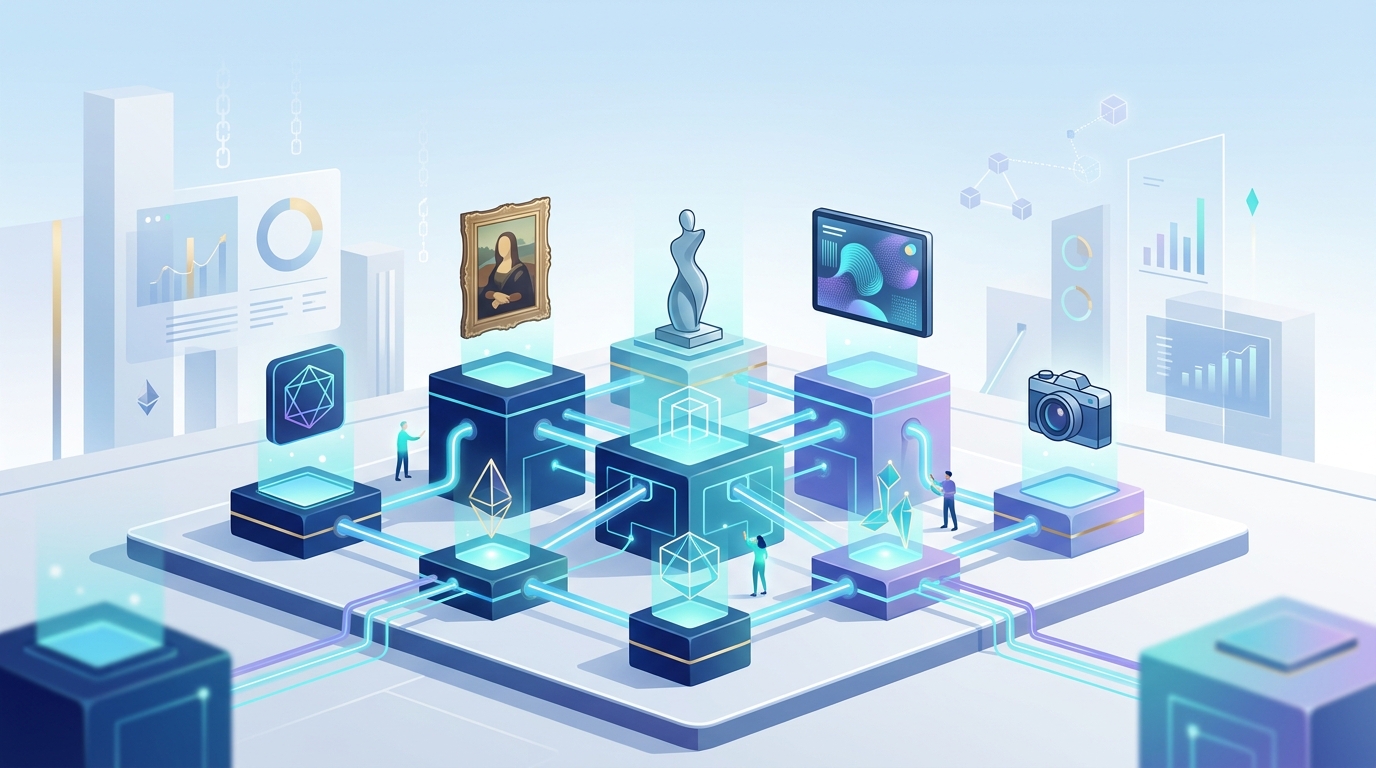
Buying a million-dollar artwork sounds impossible for most collectors. But what if you could own a share of that piece alongside 99 other enthusiasts, vote on gallery exhibitions, and split the profits when it sells? That’s exactly what decentralized autonomous organizations are making possible for art collectors right now.
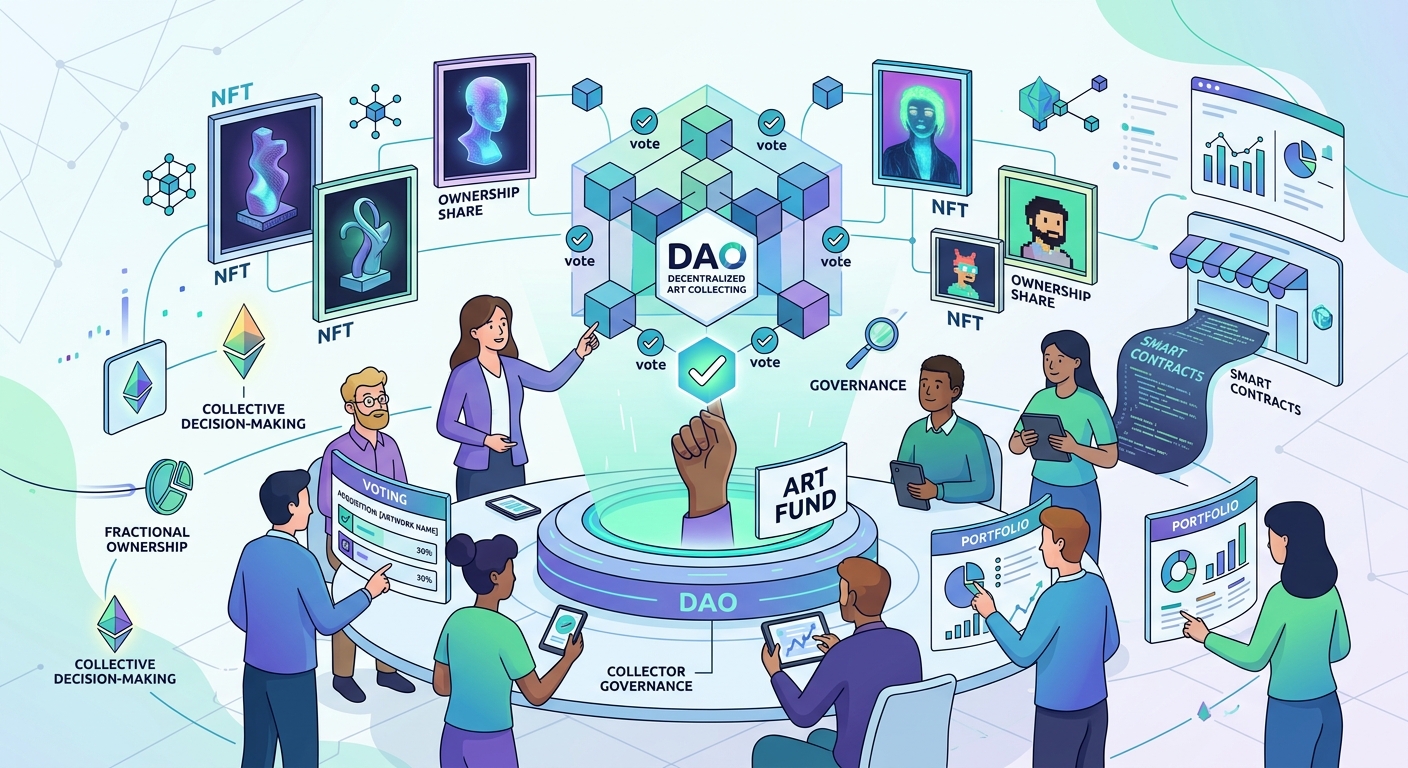
Decentralized autonomous organizations (DAOs) let art collectors pool funds to acquire expensive pieces, vote on collection decisions through smart contracts, and share ownership transparently on the blockchain. Members contribute cryptocurrency to a shared treasury, propose purchases or exhibitions, and govern the collection democratically without traditional gallery hierarchies. This model makes blue-chip artworks accessible to collectors with smaller budgets while building engaged communities around shared artistic vision.
Understanding how DAOs work for art collectors
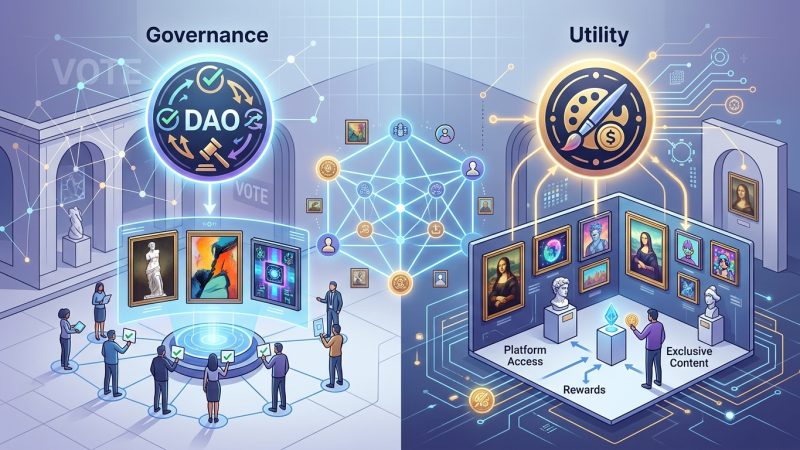
A DAO is essentially a group wallet controlled by code instead of a single person. Members buy tokens that represent voting power. Those tokens let you propose ideas and vote on decisions.
For art collectors, this means pooling money to buy pieces you couldn’t afford alone. The how smart contracts are revolutionizing art ownership and provenance article explains the technical foundation, but the practical application is straightforward.
Picture 50 collectors each contributing $10,000. That creates a $500,000 treasury. The group can now bid on works by established artists or acquire entire collections from emerging creators.
Every decision happens through proposals and votes. Want to buy a specific piece? Submit a proposal. Other members review it, discuss the artistic merit and investment potential, then vote. If it passes, the smart contract automatically executes the purchase.
No gallery owner makes unilateral decisions. No single collector controls the funds. The code enforces the rules everyone agreed to when joining.
Why collectors are forming DAOs
Traditional art collecting has high barriers. Gallery memberships require connections. Auction houses favor established buyers. Premium pieces often sell privately before public listings.
DAOs remove these gatekeepers. Anyone with the entry token amount can join. Decisions happen transparently on the blockchain. Every member sees the same information simultaneously.
The collaborative aspect matters too. Collectors bring different expertise. One member might specialize in generative art on the blockchain where code meets canvas, while another focuses on traditional painting techniques. Combined knowledge leads to better acquisition decisions.
Some DAOs focus purely on investment returns. Others prioritize cultural preservation or supporting underrepresented artists. The structure adapts to whatever mission the founding members establish.
Setting up your first art collector DAO
Creating a DAO requires planning before touching any blockchain technology. Here’s the step-by-step process:
- Define your collecting focus and mission statement clearly
- Choose a blockchain network based on transaction costs and community
- Select a DAO framework or platform that handles the technical infrastructure
- Create governance tokens and set voting parameters
- Establish the initial treasury through member contributions
- Draft clear proposal and voting procedures
- Set up communication channels for member discussions
- Create a multisignature wallet for added security on large purchases
The mission statement matters more than most founders realize. “Buy valuable art” is too vague. “Acquire works by emerging Latin American digital artists working with AI tools” gives clear direction. Members know exactly what they’re joining.
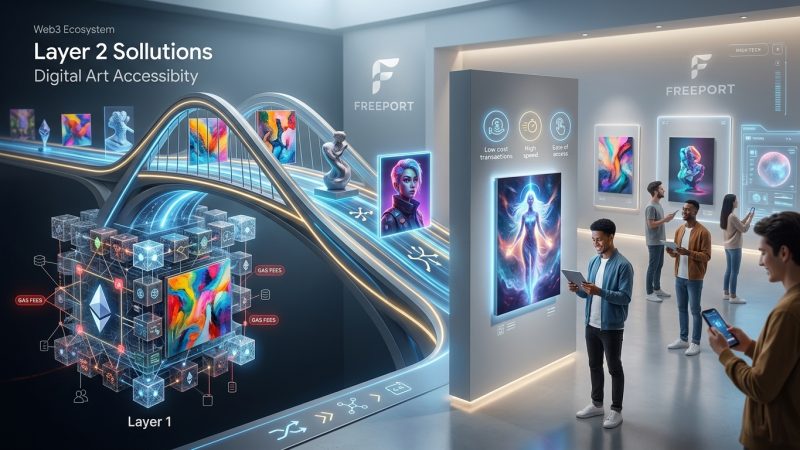
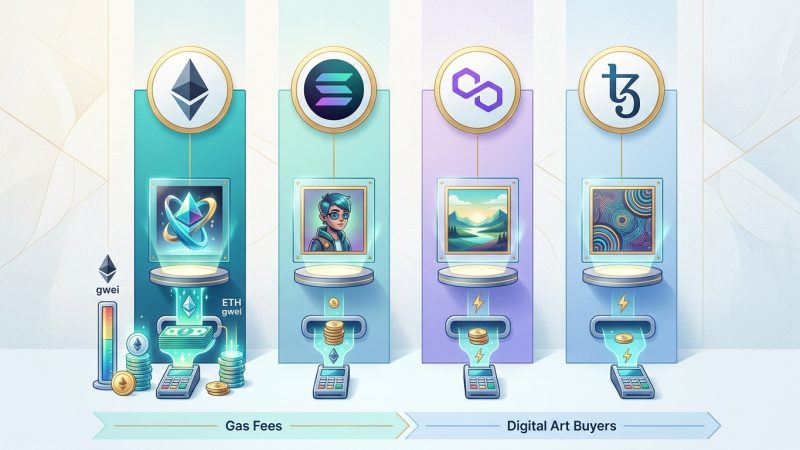
Blockchain selection affects costs significantly. Ethereum offers the most established ecosystem but higher transaction fees. Polygon or Arbitrum provide cheaper alternatives. Layer 2 solutions why ethereum artists are migrating to polygon and arbitrum breaks down these trade-offs in detail.
Most new DAOs use platforms like Aragon, DAOstack, or Snapshot rather than building custom smart contracts. These tools provide tested voting mechanisms, treasury management, and proposal systems out of the box.
Governance token distribution strategies
How you distribute tokens shapes your DAO’s entire culture. Equal distribution gives everyone identical voting power. Weighted distribution rewards larger financial contributions or specific expertise.
Some DAOs sell tokens through public offerings. Others distribute them to founding members who contributed specific skills or initial artworks. A few use hybrid models where financial contributors get voting tokens while curators or artists receive advisory tokens.
The fractional ownership is changing digital collecting forever approach applies here. Tokens can represent fractional ownership of specific pieces or general treasury participation.
Consider lock-up periods too. Requiring members to hold tokens for six months prevents speculation and encourages long-term thinking about collection building.
Making smart acquisition decisions collectively
Group decision-making can produce better outcomes than individual choices, but only with proper structure. Chaotic voting leads to mediocre compromises nobody truly wants.
Successful art DAOs establish clear proposal formats:
- Artist background and exhibition history
- Price justification with comparable sales data
- Artistic merit evaluation from multiple perspectives
- Storage and insurance cost estimates
- Exit strategy if the piece needs selling later
Members should review proposals for at least 72 hours before voting begins. Rush decisions rarely end well, especially for five or six-figure purchases.
The best DAO acquisitions happen when members disagree initially but reach consensus through discussion. If everyone immediately agrees, you’re probably not thinking critically enough about the purchase.
Discussion happens off-chain in Discord servers or dedicated forums. Voting happens on-chain for transparency and permanence. This separation keeps conversation flowing while maintaining clear records of decisions.
Common voting mechanisms explained
| Voting Type | How It Works | Best For |
|---|---|---|
| Token-weighted | One token equals one vote | Investment-focused DAOs prioritizing capital contribution |
| One-member-one-vote | Each wallet gets equal say regardless of holdings | Community-oriented collections valuing diverse perspectives |
| Quadratic voting | Vote strength increases slower than token holdings | Balancing capital and community input fairly |
| Reputation-based | Past participation earns voting power | Rewarding active members and discouraging passive investors |
Most art collector DAOs start with token-weighted voting because it’s simplest. Members who risk more capital get proportional influence. Fair, but it can silence smaller collectors with valuable expertise.
Quadratic voting offers interesting middle ground. Someone with 100 tokens gets more votes than someone with 10 tokens, but not 10 times more. The math prevents whales from dominating every decision.
Managing the collection and treasury responsibly
Owning art collectively creates unique challenges. Physical pieces need storage. Digital works require secure wallets. Insurance costs money. Exhibition opportunities need coordination.
Establish clear roles even in a decentralized structure:
- Treasury managers who execute approved purchases
- Collection curators who research potential acquisitions
- Community managers who facilitate discussions
- Technical administrators who maintain smart contracts
- Legal advisors who handle compliance and contracts
These roles can rotate quarterly or annually. Compensation often comes through additional governance tokens rather than cash payments.
The complete guide to storage and security for high-value digital assets covers technical protection, but physical art needs different solutions. Some DAOs partner with existing galleries for storage and display. Others use specialized art storage facilities with climate control and security.
Insurance gets complicated with collective ownership. Traditional policies expect a single owner. DAO structures require specialized coverage or creative legal arrangements. Budget 2-4% of collection value annually for proper insurance.
Revenue generation and profit distribution
Art appreciation takes time. Most pieces won’t sell for years after acquisition. Meanwhile, the DAO needs operating funds for storage, insurance, and platform fees.
Smart DAOs build revenue streams beyond appreciation:
- Loan pieces to museums or galleries for exhibition fees
- License digital reproduction rights for merchandise or publications
- Offer educational programs about the collection for membership fees
- Create derivative NFTs or prints from owned originals
- Charge small fees for public viewing or virtual gallery access
Profit distribution happens through smart contracts. When a piece sells, the contract automatically splits proceeds according to token holdings. No trust required. No delayed payments. Pure code execution.
Some DAOs reinvest all profits into new acquisitions. Others distribute 50% to members and reinvest 50%. The right approach depends on your mission and member expectations.
Avoiding common DAO pitfalls
New art collector DAOs make predictable mistakes. Learning from others saves money and frustration.
First, they underestimate coordination costs. Running a DAO takes work. Somebody needs to research artists, write proposals, facilitate votes, and handle logistics. Budget time or money for these tasks upfront.
Second, they move too fast on acquisitions. FOMO drives bad purchases. 7 red flags every digital collector should watch for before buying applies equally to DAO purchases. Maybe more so, since you’re spending other people’s money too.
Third, they ignore legal structure entirely. DAOs exist in regulatory grey areas. Some jurisdictions treat them as partnerships. Others as unincorporated associations. A few as securities offerings. Get legal advice before accepting member funds.
Fourth, they neglect community building. The DAO structure enables collective ownership, but members need reasons to participate beyond financial returns. Why museums are building blockchain art collections shows how institutions create engagement. DAOs should too.
Technical security mistakes to avoid
Smart contract bugs have destroyed DAOs before. The infamous DAO hack in 2016 drained millions because of a code vulnerability. Modern platforms are more secure, but risks remain.
Never deploy custom smart contracts without professional audits. Use established frameworks that thousands of other DAOs have tested. The $5,000 you save on development isn’t worth the $500,000 you could lose to an exploit.
Use multisignature wallets for large treasury holdings. Require three of five designated members to approve transactions over certain thresholds. This prevents both hacks and single-member mistakes.
Storage and security best practices for high-value digital collections covers wallet security in depth. Apply those same principles to DAO treasuries, just with multiple signers instead of one.
Finding and joining existing art DAOs
Starting a DAO from scratch takes significant effort. Joining an established one lets you participate immediately while learning how successful groups operate.
Research DAOs through these channels:
- Twitter communities around specific art movements or blockchain networks
- Discord servers where collectors discuss emerging artists and opportunities
- DAO aggregator platforms that list active organizations and their missions
- Gallery websites that partner with collector DAOs for exhibitions
- Artist social media where they mention collector groups supporting their work
Evaluate potential DAOs carefully before joining. Review their past acquisitions. Read proposal discussions to gauge member sophistication. Check treasury transparency and voting participation rates.
Low participation signals problems. If only 20% of members vote on proposals, the DAO is effectively controlled by a small group. That defeats the purpose of decentralized governance.
How to build a valuable digital art collection from scratch in 2026 applies to DAO participation too. Look for groups with clear collecting theses, active communities, and track records of thoughtful acquisitions.
Contribution expectations and member responsibilities
Most DAOs require minimum token purchases to join. Amounts vary wildly. Some accept $100 contributions. Others require $10,000 or more for voting membership.
Beyond financial contribution, expect time commitments. Reviewing proposals takes hours monthly. Participating in discussions adds more. If you can’t dedicate at least 5-10 hours monthly, DAO membership might frustrate you and other members.
Some DAOs offer non-voting membership tiers. You get access to community discussions and educational content without voting obligations. Good option for learning before committing fully.
Active participation often earns additional governance tokens. Submit quality proposals, provide artist research, or help with administrative tasks. These contributions build reputation and influence within the community.
Building value through curation and community
The best art collector DAOs transcend simple investment vehicles. They become tastemakers, cultural institutions, and artist support networks.
Curating a coherent collection requires vision. Random acquisitions create hodgepodge galleries that confuse viewers and dilute value. Focused collections tell stories and establish reputations.
7 blockchain artists redefining contemporary digital art in 2026 highlights how individual artists build brands. DAOs can do the same through consistent collecting themes.
Maybe your DAO focuses exclusively on generative art exploring climate data. Or perhaps you acquire only works by artists from specific underrepresented communities. Clear focus attracts like-minded collectors and increases cultural impact.
Community building happens through regular events:
- Virtual gallery tours where members discuss recent acquisitions
- Artist talks and studio visits arranged exclusively for DAO members
- Educational workshops about art history, blockchain technology, or investment strategies
- Social gatherings at major art events or conferences
- Collaborative projects where members create art together
These activities transform token holders into genuine communities. People stay involved for relationships and shared passion, not just potential profits.
Exhibition and display strategies
Owning art means nothing if nobody sees it. DAOs have unique exhibition opportunities traditional collectors lack.
Physical galleries increasingly partner with collector DAOs for exhibitions. The DAO provides artworks on loan. The gallery handles logistics, promotion, and foot traffic. Both benefit from the arrangement.
Should you display your digital collection in the metaverse or physical galleries explores venue options. DAOs can pursue both simultaneously. Show digital pieces in virtual spaces while lending physical works to traditional galleries.
Some DAOs build permanent virtual galleries in metaverse platforms. Members and public visitors can view the collection anytime. These spaces become destinations, increasing the DAO’s cultural influence and collection value.
Rotating exhibitions keep things fresh. Display different subsets of the collection quarterly. Theme shows around specific techniques, time periods, or social issues. Treat your DAO collection like a real museum would.
Understanding legal and tax implications
DAOs operate in regulatory uncertainty. Laws haven’t caught up with the technology. That creates both opportunities and risks.
Some jurisdictions treat DAOs as general partnerships. Every member becomes personally liable for DAO actions. Others view them as unincorporated associations with different liability rules. A few consider token sales as securities offerings requiring registration.
Wyoming, Vermont, and several other US states created legal frameworks specifically for DAOs. Registering as a Wyoming DAO LLC provides legal clarity and liability protection. Similar structures exist in Switzerland, Singapore, and the Marshall Islands.
Tax treatment varies even more. The IRS hasn’t issued clear DAO guidance. Some tax advisors treat them as partnerships requiring K-1 distributions. Others argue for different classifications depending on structure and activity.
Get professional legal and tax advice before launching or joining a DAO. The $2,000 you spend on consultations could save $200,000 in future liability or tax penalties.
Compliance with art market regulations
Art sales trigger specific regulations beyond general DAO rules. Anti-money laundering laws apply to high-value transactions. Some countries restrict art exports. Provenance documentation requirements vary by jurisdiction.
How provenance tracking is transforming art authentication and valuation explains documentation importance. DAOs need even more rigorous records because ownership is distributed and members change over time.
Maintain detailed records of:
- Original acquisition source and price
- All ownership transfers and dates
- Authentication certificates and expert opinions
- Exhibition history and publications
- Conservation work and condition reports
- Insurance valuations and coverage details
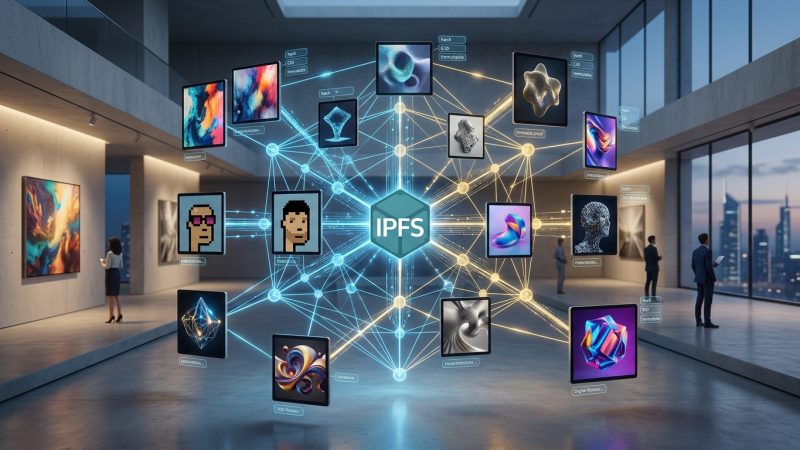
Smart contracts can automate some record-keeping. Store critical documents on permanent blockchain storage like Arweave or IPFS. This ensures future members can access complete provenance regardless of platform changes.
Growing your DAO over time
Successful DAOs evolve as they mature. Initial strategies that worked with 20 members and $50,000 don’t scale to 200 members and $5 million.
Growth requires intentional planning:
- Set clear membership caps or create tiered structures as you expand
- Develop specialized working groups for different collection focuses
- Implement delegation systems where experts handle specific decisions
- Create mentorship programs pairing experienced members with newcomers
- Establish clear onboarding processes that educate new members about history and culture
What makes a digital collection blue-chip analyzing long-term value indicators shows how individual collections gain prestige. DAOs follow similar paths through consistent quality, cultural contribution, and community building.
Some DAOs eventually split into sub-DAOs focused on specific niches. The main organization provides infrastructure while smaller groups pursue specialized collecting strategies. This structure maintains intimacy while enabling growth.
Succession and long-term sustainability
What happens when founding members leave? How do you maintain institutional knowledge and culture as membership turns over?
Document everything. Write down unwritten rules. Record the reasoning behind past decisions. Create archives of important discussions and votes.
Some DAOs require departing members to sell tokens back to the treasury at fair market value. This prevents speculation while ensuring committed members control the organization. Others allow free trading but use reputation systems to weight long-term member votes more heavily.
Plan for technical transitions too. What happens to your blockchain art when the platform shuts down addresses platform risk. DAOs face similar challenges if their underlying blockchain or governance platform changes.
Build redundancy into critical systems. Store artwork files in multiple locations. Use blockchain-agnostic standards where possible. Maintain relationships with multiple gallery and storage partners.
Your path forward as a DAO art collector
Decentralized autonomous organizations are rewriting the rules of art collecting. Pieces that seemed financially impossible become accessible through collective ownership. Decisions that once required gallery connections now happen through transparent voting. Communities form around shared artistic vision rather than social status.
Starting or joining an art collector DAO takes courage. The technology is new. The legal landscape is uncertain. The coordination challenges are real. But the potential rewards extend beyond financial returns. You’re building cultural institutions, supporting artists directly, and participating in a fundamental shift in how humans organize around shared interests.
Begin small. Join an existing DAO to learn the mechanics. Participate actively in discussions and votes. Observe how successful groups make decisions and build community. Then apply those lessons to starting your own DAO or improving the one you joined. The collectors who embrace this model now are shaping the art world’s future.