How to Build a Thematic Digital Art Collection That Stands Out
A wall of unrelated digital art pieces scattered across your wallet. That is not a collection. It is a pile. The collectors who get noticed, the ones who build something that feels deliberate and enduring, they do one thing differently: they build around a theme. A thematic digital art collection tells a story. It shows you have taste, direction, and a vision that goes beyond floor prices. In 2026, with thousands of new artworks minted every week, a strong theme is your signal to the market and to other collectors that you are serious. This guide walks you through choosing that theme, finding the right pieces, and avoiding the mistakes that turn a promising concept into a mess.
A thematic digital art collection transforms random purchases into a curated statement. Define a clear concept, research artists who align with that concept, and verify on-chain provenance before buying. Avoid mixing genres or chasing hype. Use smart contracts to ensure authenticity. The result is a cohesive portfolio that gains value and respect over time.
Why a Thematic Approach Matters
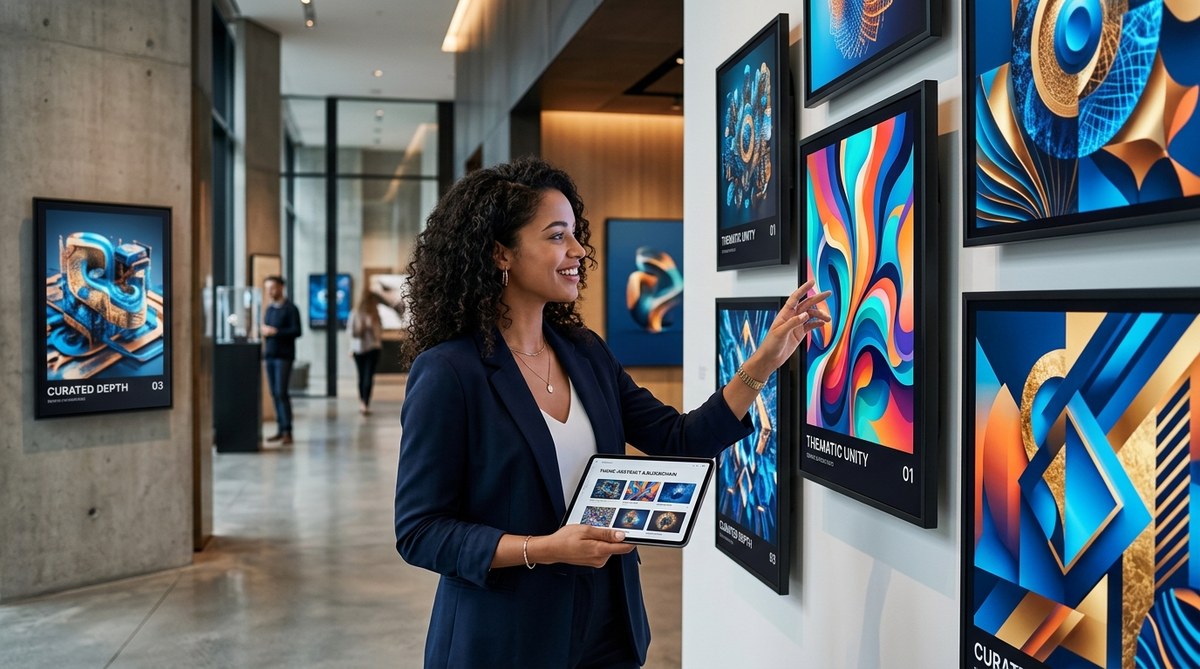
Think of a museum. A good museum does not hang a Renaissance painting next to a pop-art print next to a pixelated skull. It groups works by period, artist, or movement. That organization creates meaning. The whole becomes more than the sum of its parts. The same principle works for your digital collection.
A thematic digital art collection helps you in three ways:
- Recognition. Build a reputation as a collector who knows a specific area. People start associating your wallet with that niche.
- Curatorial growth. When you focus on one theme, your research deepens. You learn the history, the key artists, and the emerging trends within that space.
- Long-term value. Cohesive collections often command higher resale value because they appeal to buyers who want a complete narrative, not just a single piece.
Without a theme, you end up with a chaotic assortment that no one remembers. With a theme, you become a curator.
How to Define Your Collection’s Theme
Picking a theme is the hardest part. It is also the most important. Here is a process that works for collectors at any level.
-
Start with what moves you. Look at the digital art you already own or the pieces you keep favoriting. What patterns emerge? Maybe you are drawn to generative landscapes, surreal portraiture, or kinetic typography. Your existing taste is your best clue.
-
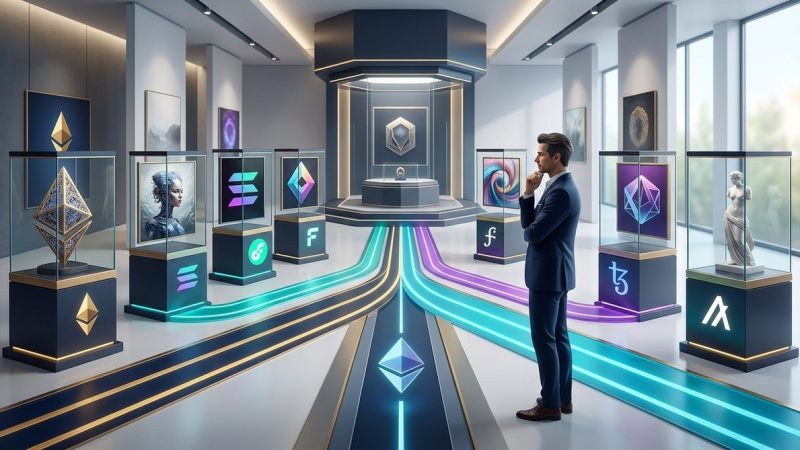
Research the landscape. Spend time on platforms like Freeport, OpenSea, and Manifold. Search for categories that feel underrepresented but growing. Look at what institutional collectors and museums are buying. In 2026, themes like AI-collaborative works, on-chain generative art, and artist-curated sub-collections are gaining traction.
-
Narrow to a specific concept. Do not settle for a broad theme like “abstract art.” Go for something like “abstract works created by female generative artists on Tezos.” The more specific, the better. Specific themes are easier to research and easier to communicate to others.
-
Test the availability. Check if there are enough artists and pieces within your theme to sustain a collection of 20, 50, or 100 works. If you can only find ten pieces, the theme may be too narrow. If you find thousands, it may be too broad.
-
Write a one-sentence statement. Something like: “My collection focuses on glitch art reinterpretations of classical paintings.” This sentence becomes your filter. Every potential purchase either fits or it does not.
What to Look for in Artworks for Your Theme
Once you have a theme, do not buy the first piece you see. Evaluate each artwork against your criteria. Use this checklist:
- Artist history. Has the artist produced a body of work around your theme? Are they recognized by peers? Check their previous sales and community engagement.
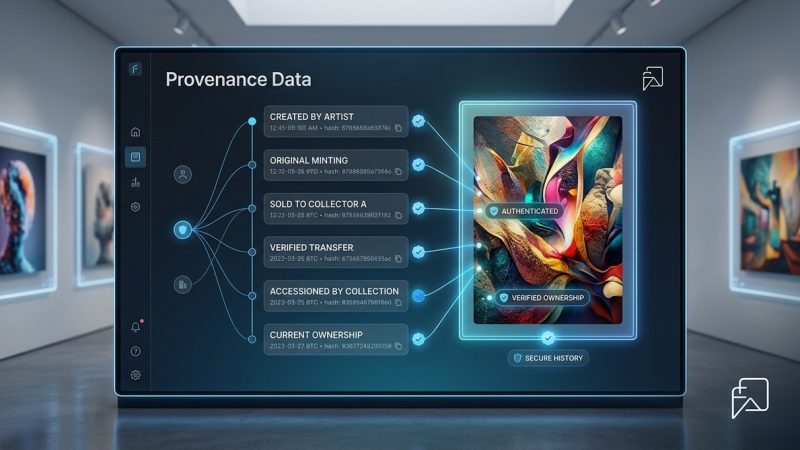
- Provenance and authenticity. Verify that the artwork’s smart contract is original and not a copy. Tools like Etherscan or a dedicated verification service can confirm the token’s origin. For more on this, read our guide on how to authenticate digital art before adding it to your collection.
- Rarity within the series. Limited editions (e.g., 1 of 10) often carry more weight than open editions. But a single unique piece from a respected artist can be the anchor of your theme.
- Visual consistency. Does the piece share a color palette, style, or mood with your existing holdings? Slight variations add depth, but jarring mismatches break the narrative.
- Storage and durability. Ensure the artwork is stored on a decentralized network like IPFS or Arweave, not a traditional server that could vanish. Check our decentralized storage wars guide for more details.
Common Thematic Mistakes and How to Avoid Them
Even experienced collectors fall into traps. This table shows the most frequent errors and the fixes.
| Mistake | Why It Hurts | How to Avoid |
|---|---|---|
| Mixing too many themes. | The collection loses focus. Buyers cannot tell what you stand for. | Stick to one primary theme. If you want variety, start a separate collection. |
| Chasing hype over fit. | You buy a trending piece that does not match your theme. Your collection becomes inconsistent. | No matter how hot the drop, if it does not fit your statement, skip it. |
| Ignoring artist context. | You buy a single piece from an artist whose other work is unrelated to your theme. The connection feels random. | Focus on artists who consistently produce work within your theme. |
| Overlooking provenance. | A copy or a scam piece enters your collection. It devalues the whole set. | Always verify the smart contract and the artist’s wallet before purchasing. |
| Forgetting about display. | You never show your collection. It stays hidden in a wallet. No one sees the theme. | Use a platform like Freeport to create a curated gallery view. Share it with communities. |
A Collector’s Perspective on Thematic Curation
“The best collections feel like a conversation between artworks. When I see someone who has 50 pieces from the same generative algorithm or the same artist collective, I know they have done the work. That is what makes me want to buy from them or trade with them.”
— Maya K., digital art collector and founder of a web3 curation DAO
Maya is right. A thematic digital art collection is a public statement. It tells the world you are not a speculator. You are a builder.
Bringing Your Theme to Life
A theme is not just a filter for buying. It is a living thing. Share it. Write about it. Create an exhibition on a platform that supports curated galleries. Connect with artists who work in your theme. Commission new pieces that expand the narrative.
In 2026, many collectors are forming small groups around shared themes. They collaborate to acquire works, cross-promote their collections, and even host virtual openings. This community aspect makes a thematic digital art collection more resilient. When the market dips, the community around your theme keeps interest alive.
Your Thematic Collection Starts Today
You do not need a huge budget to begin. You need a clear idea. Open your wallet or your favorites list right now. See what themes are already lurking there. Write one sentence that captures those pieces. Then start hunting for the next artwork that fits that sentence perfectly. That is how you move from a pile of NFTs to a collection that people talk about. Go build something worth showing.