Mastering Digital Art Provenance to Enhance Your Collection’s Value
Building a digital art collection can feel like navigating a new frontier. With the rise of blockchain technology and NFTs, the way we buy, sell, and verify digital artworks has transformed dramatically. Yet, amid these exciting innovations, understanding and managing provenance remains essential. Provenance, or the ownership history of an artwork, is the backbone of authenticity and value. In the digital realm, verifying provenance helps collectors protect their investments and build trust in their collections.
Digital art provenance confirms authenticity and ownership history, increasing collection value. Using blockchain and meticulous documentation, collectors can prevent fraud and safeguard their investments in a rapidly evolving digital landscape.
What Is Digital Art Provenance and Why It Is Vital
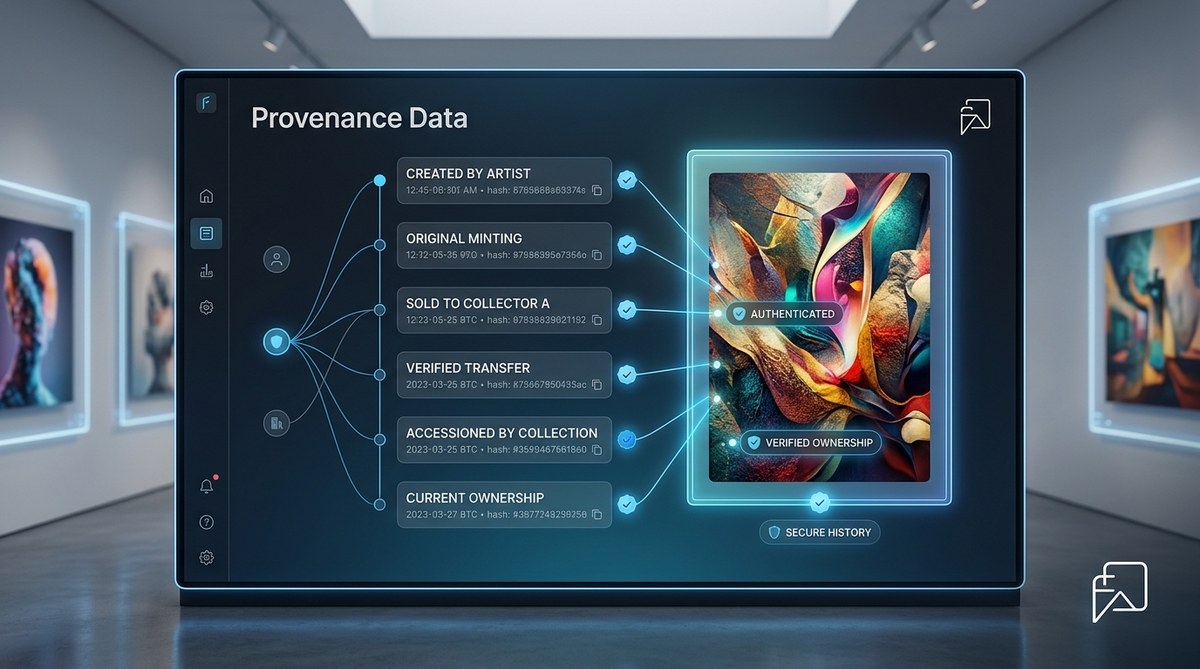
Provenance traces the ownership journey of an artwork from its creation to the present. In traditional art, provenance involves physical documents, gallery records, and auction histories. For digital art, provenance often relies on blockchain records, digital certificates, and timestamps. It verifies that a piece is genuine, not a copy or counterfeit, and confirms its legitimacy.
In a digital environment, provenance impacts an artwork’s value just as much as in traditional markets. A well-documented history reassures buyers and collectors that their investment is secure. Conversely, poor provenance can lead to devaluation, legal disputes, or the loss of trust.
Core Elements of Digital Art Provenance
Understanding what makes a strong provenance record helps collectors manage their digital artworks effectively. Key components include:
- Authenticity proof: Certifications or blockchain records confirming the piece is original.
- Ownership history: A transparent chain showing past owners and transfers.
- Creation details: Information about the artist, creation date, and platform.
- Transaction records: Purchase, sale, or transfer details stored securely.
- Digital signatures: Cryptographic proof from the creator or platform ensuring integrity.
Practical Steps to Verify and Manage Digital Art Provenance
Managing provenance in the digital age involves a series of steps. Here are three essential processes every collector should follow:
- Authenticate the Digital Certificate or Blockchain Record
Start by confirming that the artwork’s provenance is recorded on a reputable blockchain or platform. Many digital artworks are minted as NFTs, which inherently contain on-chain ownership data. Verify the smart contract and transaction history. For example, platforms like https://freeport.app/how-smart-contracts-are-revolutionizing-art-ownership-and-provenance/ provide insights into how blockchain secures provenance.
- Maintain Accurate, Up-to-Date Documentation
Keep detailed records of all transactions, including purchase receipts, platform screenshots, and any correspondence with artists or galleries. Digitize these documents for easy access and backup. Use a dedicated system to catalog each artwork’s provenance, updating it with new ownership or exhibition details.
- Use a Secure and Transparent Provenance Registry
Leverage blockchain registries or provenance tracking platforms to record and verify ownership history. Blockchain’s decentralized nature ensures records are tamper-proof and publicly accessible. When choosing a registry, ensure it supports the specific blockchain used by your artworks and that it provides permanent, verifiable records.
Techniques and Common Mistakes
| Technique | Mistake to Avoid |
|---|---|
| Confirm on-chain transaction history | Relying solely on screenshots or emails |
| Digitize records with timestamps | Using unverified or inconsistent documentation |
| Use reputable provenance platforms | Ignoring the importance of decentralized, tamper-proof records |
How Blockchain Is Changing Provenance Management
Blockchain technology offers a new way to track art provenance securely. When an artwork is minted as an NFT, its ownership history is recorded on a public ledger. This transparency reduces the risk of forgery and makes provenance easily accessible. https://freeport.app/how-smart-contracts-are-revolutionizing-art-ownership-and-provenance/ explains how smart contracts automate ownership transfers, ensuring accuracy.
Experts recommend that collectors focus on platforms with active, verified registries. Decentralized storage solutions like https://freeport.app/the-role-of-ipfs-in-preserving-digital-art-collections-forever/ help preserve digital records long-term, avoiding platform shutdowns or data loss.
“Blockchain is transforming provenance from a paper trail into an immutable, accessible history. This change helps collectors verify authenticity instantly and confidently,” advises digital art consultant Jane Doe.
Managing Digital Provenance for Long-Term Value
As digital art markets expand, maintaining provenance becomes even more crucial. Here are best practices to ensure your collection’s integrity:
- Start documenting at the moment of creation. The sooner you record provenance, the less chance of gaps.
- Digitize all records and keep backups. Store copies across multiple secure locations.
- Periodically verify blockchain records. Confirm that ownership transfers are properly recorded and publicly visible.
- Be transparent with buyers and partners. Share provenance details openly to enhance trust.
- Stay informed about platform changes. Platforms evolve or shut down, so know how to migrate records if necessary.
Mistakes that threaten provenance integrity
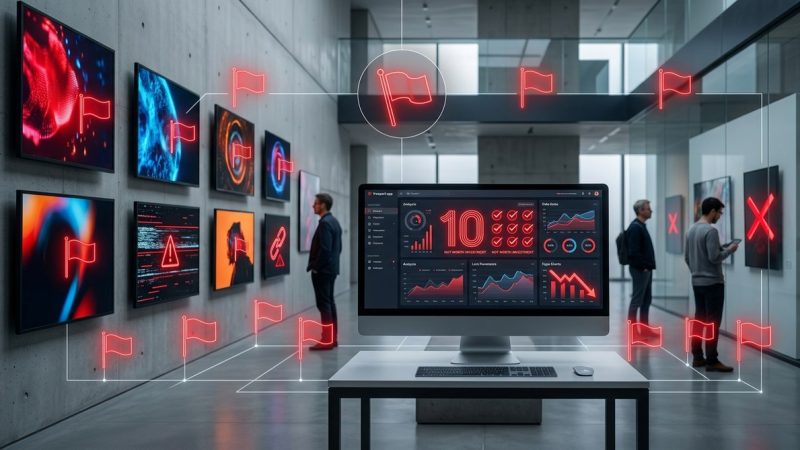
- Relying on unverified digital files or screenshots
- Ignoring the importance of timestamps
- Failing to update records after each transfer
- Overlooking the need for digital signatures or creator verification
The Future of Provenance in Digital Art
Innovations like https://freeport.app/generative-art-on-the-blockchain-where-code-meets-canvas/ and decentralized storage are making provenance more reliable. As technology advances, integrating AI tools and smart contracts will further automate verification processes. This progression reduces human error and increases trustworthiness.
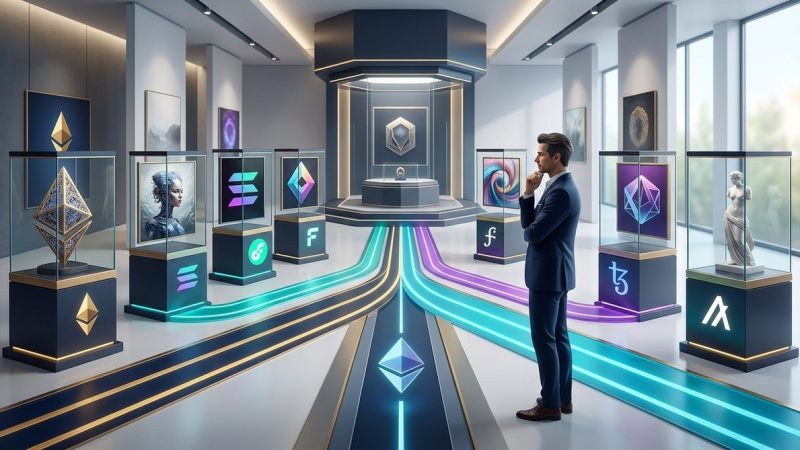
Additionally, the adoption of multi-chain provenance systems will enable collectors to manage assets across different blockchains seamlessly. Ensuring provenance remains accessible and tamper-proof will be central to maintaining the value of digital collections.
Building a Trustworthy Digital Art Portfolio
To invest confidently in digital art, focus on provenance management. Verify records before purchasing and keep meticulous documentation. Use reputable platforms and blockchain registries to establish a transparent ownership history. Remember, a well-documented provenance enhances not just authenticity but also long-term value.
Engaging with professionals such as digital art appraisers or provenance consultants can add an extra layer of security. Regularly update your records, and consider utilizing decentralized storage to secure data against platform failures.
Strengthening Your Digital Art Foundations
Preserving provenance is more than a checklist. It’s about cultivating trust and confidence in your collection. By integrating blockchain records, maintaining detailed documentation, and staying informed about technological developments, you build a collection with enduring value. Take these steps seriously, and your investments will stand the test of time in the fast-moving world of digital art.
Finally, remember that provenance isn’t just about protecting your assets. It also tells the story of your collection and your commitment to authenticity. As you grow your digital art portfolio, embrace transparent and secure practices. This approach ensures your collection will be appreciated for its integrity and provenance for years to come.