The Future of Digital Art Investment: Navigating Blockchain Market Dynamics
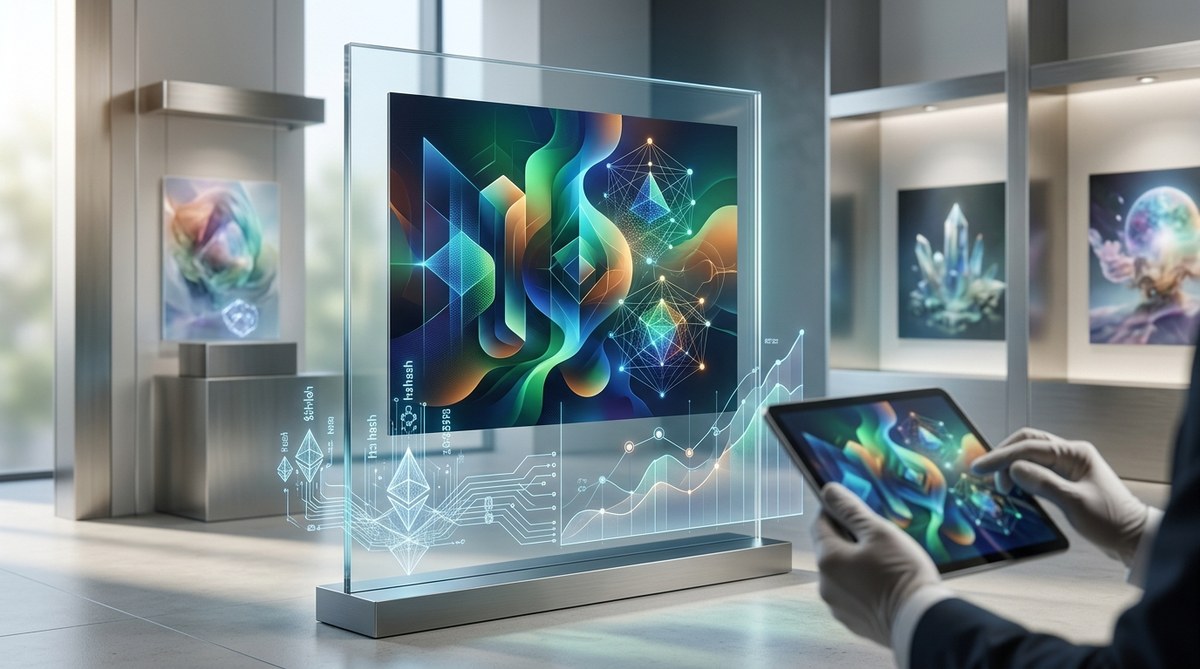
Digital art investment is undergoing a profound transformation, driven by blockchain technology and the rise of digital assets. As traditional art markets evolve, digital collectors and investors are now exploring new opportunities that combine creativity with innovative tech. This shift is reshaping how art is valued, bought, and sold, making understanding the future of digital art investment essential for anyone looking to stay ahead in this dynamic space.
Understanding the landscape of digital art on blockchain
Blockchain has unlocked a new universe for art lovers. Digital art, often represented as non-fungible tokens (NFTs), offers proof of ownership, provenance, and scarcity in ways that traditional art can’t match. Unlike physical paintings or sculptures, digital artworks can be easily stored, transferred, and sold across borders with transparency and security.
The future of digital art investment hinges on how these technologies will mature. As blockchain networks increase their capabilities, collectors can expect more seamless transactions, improved security, and innovative ways to showcase and monetize digital works. Institutions such as museums are also embracing blockchain to build permanent, transparent collections that complement their traditional holdings.
Key trends shaping the future of digital art investment
1. Growing acceptance of blockchain as a trusted medium
More art institutions and galleries are integrating blockchain into their operations. They recognize that blockchain provides a verifiable record of ownership and authenticity. This reduces the risk of forgery and enhances trust among collectors. As https://freeport.app/how-smart-contracts-are-revolutionizing-art-ownership-and-provenance/ becomes more common, artists and collectors benefit from automated royalty payments and clear provenance records.
2. Expansion of digital ownership and fractional investments
The concept of owning a fraction of a prized artwork is gaining traction. Fractional ownership allows investors to diversify their portfolios without the high costs of acquiring entire pieces. Platforms are now offering fractionalized digital assets, making high-value artworks accessible to a broader audience. This trend could redefine how we think about collecting and investing in art.
3. Development of new marketplaces and technological innovations
New marketplaces dedicated to blockchain art are emerging. They provide curated environments for buying, selling, and showcasing digital works. Innovations like dynamic NFTs, which change based on external data, and layer 2 solutions that reduce transaction costs, are making digital art more versatile and affordable. These advancements promise to make blockchain art markets more efficient and user-friendly.
4. Institutional adoption and long-term value considerations
Museums, galleries, and investment firms are increasingly incorporating blockchain-based collections. They view digital assets as a way to reach new audiences and preserve cultural heritage. Long-term value is now a key focus. Collectors should consider not just the current hype but also the sustainability and provenance of digital artworks over time.
Practical steps for navigating the digital art investment future
Investing in digital art requires a strategic approach. Here are practical steps to guide your journey:
-
Research emerging artists and platforms: Stay updated on https://freeport.app/7-blockchain-artists-redefining-contemporary-digital-art-in-2026/ and the platforms that support these works. Knowing who is innovating can help you identify promising investments early.
-
Understand the technology behind the art: Learn how https://freeport.app/how-smart-contracts-are-revolutionizing-art-ownership-and-provenance/ works. This knowledge will help you verify authenticity and rights management.
-
Assess the long-term potential: Evaluate whether a digital artwork has qualities that will maintain or grow its value over time. Factors include scarcity, artist reputation, community engagement, and platform stability.
-
Diversify across blockchains and asset types: Avoid putting all your resources into a single platform or blockchain. https://freeport.app/should-you-diversify-across-multiple-blockchain-networks/ is essential to mitigate risks related to platform shutdowns or network issues.
-
Secure your digital assets: Use secure wallets and storage solutions. Consider https://freeport.app/the-complete-guide-to-storage-and-security-for-high-value-digital-assets/ to protect your collection from theft or loss.
Techniques and mistakes in digital art investing
| Technique | Description | Common Mistakes |
|---|---|---|
| Verifying provenance | Ensuring the artwork’s history is transparent and authentic | Relying solely on platform reputation without independent verification |
| Utilizing smart contracts | Automating royalties and rights management | Overlooking contract terms or misunderstanding rights transfer |
| Diversifying investments | Spreading assets across artists and platforms | Concentrating investments in a single asset or blockchain |
| Engaging with community | Participating in digital art circles for insights | Ignoring community feedback and emerging trends |
“Understanding the underlying technology and provenance is key to making informed decisions in digital art investment,” advises blockchain expert Jane Doe. This approach minimizes risks and maximizes potential returns.
Common pitfalls to avoid
- Falling for hype without due diligence
- Ignoring platform longevity and security
- Overlooking rights management and royalty structures
- Neglecting security measures for digital wallets
How to build a resilient digital art collection
Building a collection that stands the test of time involves careful planning. Focus on:
- Investing in artists with growing reputations
- Selecting works that demonstrate scarcity and uniqueness
- Choosing platforms with strong community support and proven security
- Regularly updating your knowledge about blockchain developments
For example, diversifying your holdings across https://freeport.app/layer-2-solutions-how-they-re-making-digital-art-more-accessible/ can help reduce costs and increase accessibility. Additionally, staying informed about https://freeport.app/the-rise-of-decentralized-art-platforms-redefining-accessibility-and-trust-in-blockchain-art-markets/ ensures you’re aligned with current market shifts.
Risks and how to mitigate them
While blockchain offers transparency, risks remain:
- Platform failures or shutdowns, which can threaten access to your assets
- Security breaches leading to loss of digital wallets
- Market volatility impacting digital asset prices
- Legal uncertainties surrounding digital rights
To mitigate these, consider using https://freeport.app/why-serious-art-collectors-are-moving-to-self-custodial-solutions/ for control and security. Also, regularly review your portfolio and stay updated on legal developments.
The road ahead for digital art enthusiasts
The future of digital art investment promises more democratization, technological sophistication, and institutional recognition. As blockchain continues to evolve, so too will the ways in which digital assets are valued and exchanged. Staying informed and proactive allows collectors to capitalize on emerging opportunities while avoiding common pitfalls.
Maintain a curious mindset and keep learning about innovations such as These developments can introduce novel ways to engage with and profit from digital art.
Investing in digital art with confidence and foresight
The journey into blockchain-based art is as rewarding as it is complex. By understanding the current trends, applying strategic practices, and staying vigilant, you can position yourself for success. The future of digital art investment is bright, with endless possibilities awaiting those ready to adapt and learn.
Remember, building a digital collection is not just about acquiring assets but about engaging with a community and a technology that continues to shape the art world. Use this knowledge as a foundation to grow your collection wisely and enjoy the creative voyage ahead.