Why Your Blockchain Art Collection Needs a Digital Will in 2026
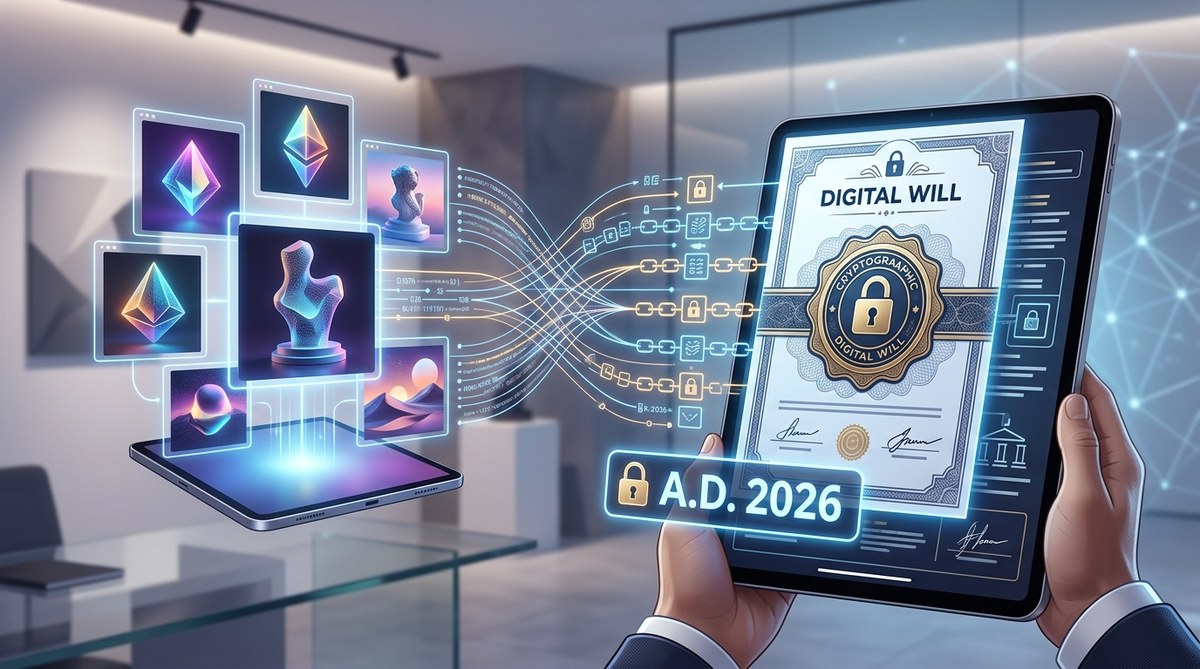
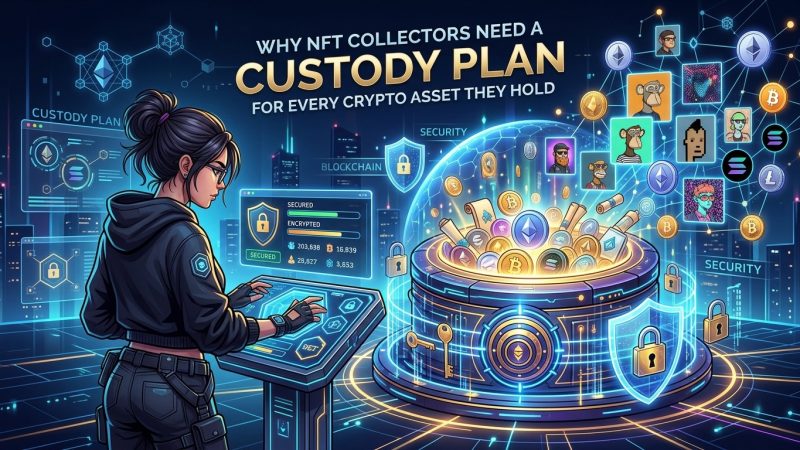
You have spent years building a collection of digital art that spans multiple blockchains, from Ethereum to Solana. You know the provenance of every piece, the gas fees you paid to mint them, and the stories behind each generative artist. But here is a question that keeps many collectors up at night: what happens to all of that when you are gone? Without a proper plan, your carefully curated blockchain art collection could become inaccessible, lost to a forgotten seed phrase or tangled in legal red tape. A digital will for your crypto art collection in 2026 is not just a good idea. It is the only way to guarantee your legacy survives.
A digital will ensures your NFT collection is legally transferable to your heirs, preventing assets from being locked forever. This guide covers why estate planning for blockchain art is critical in 2026, the technical steps to secure your wallets, and how to avoid common mistakes that leave digital wealth stranded.
Why Your Blockchain Art Needs Estate Planning
Most traditional wills do not mention digital assets. Your lawyer probably asked about your house, your retirement accounts, and maybe your jewelry. They likely did not ask about your CryptoPunks, your Art Blocks curated set, or the fractional ownership you hold in a tokenized Beeple print. That gap creates a dangerous blind spot.
When you own a physical painting, your heirs can find it. They can walk into your home, see it on the wall, and figure out how to sell it. With blockchain art, the asset exists only on a distributed ledger. If your heirs do not have your private keys or know which wallets hold your collection, that art might as well not exist. The blockchain does not care about your passing. It follows the keys, and without a plan, those keys disappear with you.
In 2026, the legal landscape is finally catching up. The Uniform Law Commission has provided frameworks like the Revised Uniform Fiduciary Access to Digital Assets Act (RUFADAA), which gives executors legal authority over digital assets. But even with that law in place, you still need a specific document that names your digital executor and provides clear instructions for accessing your crypto art.
The Real Risks of Ignoring This
Let us look at what actually happens when a collector passes away without a digital will.
- Lost private keys: Without documented seed phrases or hardware wallet access, your collection is permanently locked.
- Legal ambiguity: Your executor may not have the legal right to access your accounts, even if they know the passwords.
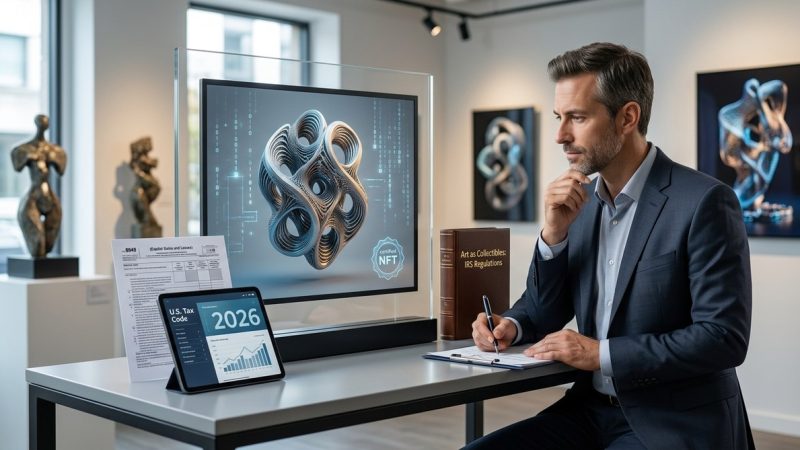
- Tax complications: The IRS treats NFTs as property, and your heirs could face unexpected tax bills without proper basis planning.
- Platform shutdowns: If a marketplace where you stored metadata goes offline, your heirs may not know how to recover the art from IPFS or Arweave.
- Family conflict: Relatives may argue over who gets which piece, especially if your collection has significant monetary value.
One high profile case from 2025 involved a collector who owned over $2 million in digital art. He had a traditional will, but it did not mention his crypto wallets. His estate spent eighteen months and over $100,000 in legal fees just to gain access to his assets. Some pieces were lost entirely because the exchange where he held them required biometric authentication that could not be replicated.
Building Your Digital Will: A Step by Step Process
Creating a digital will for your crypto art collection does not have to be overwhelming. Here is a practical process that works in 2026.
-
Inventory every digital asset: List every NFT you own, including the blockchain network, contract address, token ID, and the wallet address where it is stored. Include fractional shares, staked NFTs, and any art used as collateral in DeFi protocols.
-
Document your wallet access: Write down your seed phrases, hardware wallet PINs, and any multi-signature arrangements. Do not store this in a digital file. Use a fireproof safe or a bank safety deposit box. Some collectors use a passphrase split across two separate locations.
-
Name a digital executor: This person should be technically competent. They need to understand how to use a hardware wallet, interact with smart contracts, and navigate platforms like OpenSea or Blur. Your regular executor may not have these skills.
-
Write the legal document: Work with an estate planning attorney who understands digital assets. Your will should explicitly grant your digital executor the power to access, transfer, and sell your blockchain art. Reference the RUFADAA framework to ensure enforceability.
-
Store instructions securely: Leave a letter of instruction with your attorney or in your safety deposit box. This letter should explain how to access your inventory list and wallet documentation. Make sure your digital executor knows where to find it.
-
Review and update regularly: The blockchain space changes fast. You might move assets to a new wallet, stake art in a new protocol, or acquire pieces on a different chain. Update your will every year or after any major transaction.
Common Mistakes and How to Avoid Them
Even experienced collectors make errors when planning their digital estate. This table shows the most frequent mistakes and the correct approach.
| Mistake | Why It Hurts | Better Approach |
|---|---|---|
| Storing seed phrases in a password manager | Your executor may not have access to the manager, or the company could lock the account after your death | Use a physical backup stored in a safe, with a copy given to your attorney |
| Naming a spouse as digital executor without training | They may panic or accidentally expose keys to a scam | Choose someone with blockchain experience, or hire a professional digital executor |
| Forgetting about staked or lent NFTs | Those assets are controlled by a smart contract, not your wallet | Document every protocol where your art is locked and include withdrawal instructions |
| Ignoring tax basis documentation | Your heirs may pay capital gains on the full sale price instead of the stepped up basis | Keep records of your purchase prices and any wash sales for each piece |
| Using only a holographic will for digital assets | Many states do not recognize handwritten wills for digital property | Have a formal will drafted and notarized by a licensed attorney |
The Technical Side: Wallets, Smart Contracts, and Access
Your digital will must address the technical reality of how blockchain art works. A simple statement like “I leave my NFTs to my daughter” is not enough. You need to specify which wallet controls which assets and how your executor can take custody.
For hardware wallets like Ledger or Trezor, include the PIN and the location of the recovery seed. For software wallets like MetaMask, document the encrypted JSON file and the password. If you use a multi-signature wallet with a service like Gnosis Safe, explain the recovery process. Your executor needs to know which keys are required and how to reconstruct access.
Smart contracts add another layer. If you own art that earns royalties through on chain agreements, those contracts continue to execute after your death. Your will should specify who receives those ongoing payments. The same applies to any art you have tokenized into fractional shares. The smart contract does not care who owns the token. It sends proceeds to whatever wallet holds it. Make sure that wallet belongs to your heir.
What to Include in Your Letter of Instruction
Your will is a legal document, but your letter of instruction is a practical guide. It should be detailed and written in plain English. Here is what to include.
- A complete inventory of your collection, sorted by blockchain network
- The physical location of each hardware wallet and seed phrase backup
- Instructions for accessing your primary wallet, including any passphrase
- A list of all marketplaces and platforms where your art is listed for sale
- Contact information for your digital executor and your estate attorney
- A step by step guide for transferring an NFT from your wallet to a new owner
- Instructions for any art that is staked, lent, or used as collateral
- A note about which pieces have sentimental value versus purely investment value
Why 2026 Is the Year to Act
The window for proactive planning is now. More collectors are entering the space, and the legal system is still figuring out how to handle digital assets. Courts are making decisions on a case by case basis, and those decisions are not always favorable to heirs. By creating a digital will today, you bypass the uncertainty.
Additionally, the IRS has clarified that NFTs are treated as collectibles for tax purposes. That means your heirs may face a higher capital gains rate than they would for stocks or bonds. Proper planning with a tax professional can minimize that burden, but only if you have the documentation ready.
“The biggest mistake I see collectors make is assuming their family will figure it out. They won’t. The blockchain is unforgiving. You need a plan that is legally binding and technically executable.” – Sarah Chen, digital asset estate attorney
Your Next Step
Start by taking inventory. Open your wallet and write down every NFT you own. Note the contract address and the token ID for each one. That single step will put you ahead of 90 percent of collectors. From there, find an attorney who understands digital assets. Not every estate lawyer knows what a seed phrase is. You need someone who does.
Once your will is drafted, share the basics with your digital executor. They do not need your seed phrases yet, but they should know what you own and where to find the instructions when the time comes. Schedule a yearly review to update the document as your collection grows.
Your blockchain art collection represents years of passion, research, and investment. It deserves the same protection as any physical asset. A digital will for your crypto art collection in 2026 is the tool that makes that protection real. Take the step today, and give your heirs the gift of clarity instead of confusion.