Comparing Ethereum, Solana, and Tezos: Which Blockchain Offers the Best ROI for Collectors
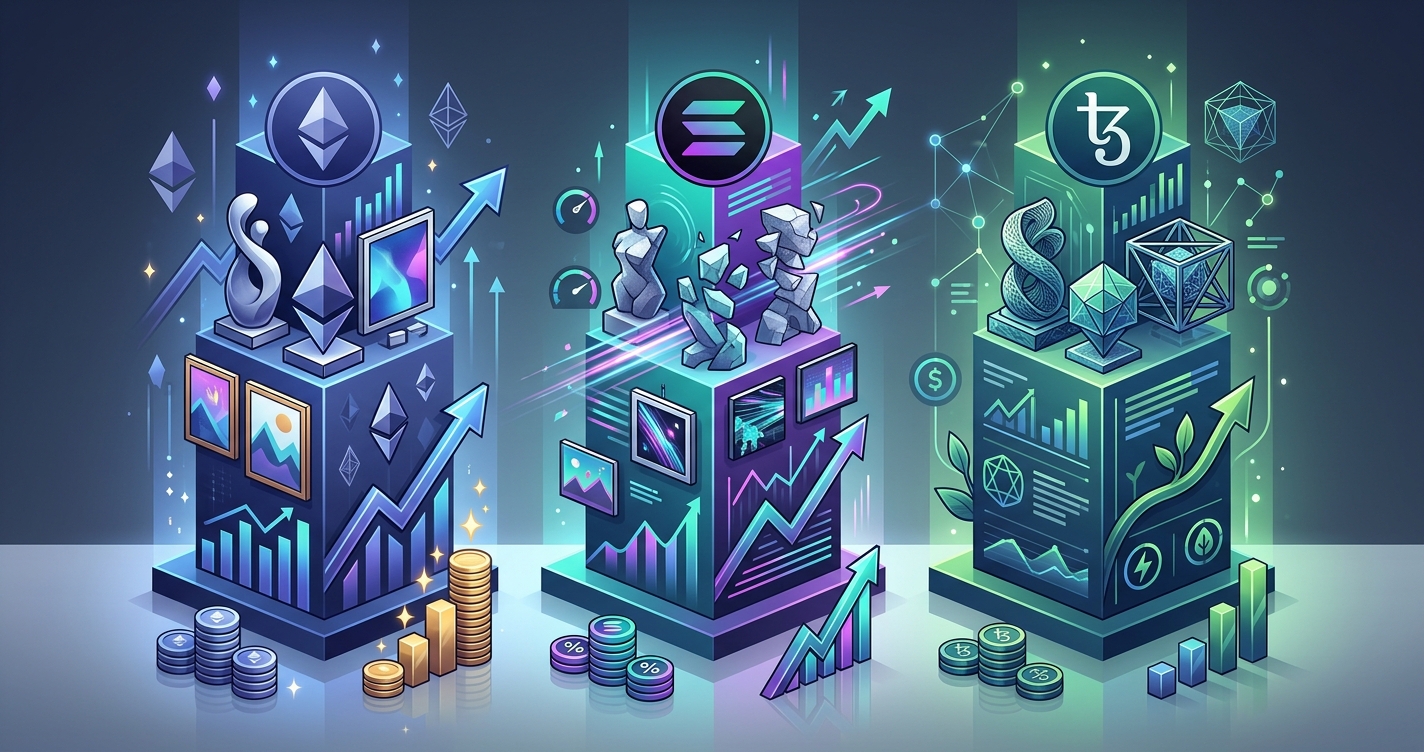
Choosing where to buy and hold digital collectibles can make or break your portfolio returns. The blockchain you select determines your transaction costs, access to premium collections, resale liquidity, and long term security. With Ethereum dominating blue chip markets, Solana offering speed and low fees, and Tezos attracting eco conscious collectors, each network presents distinct advantages for different collecting strategies.
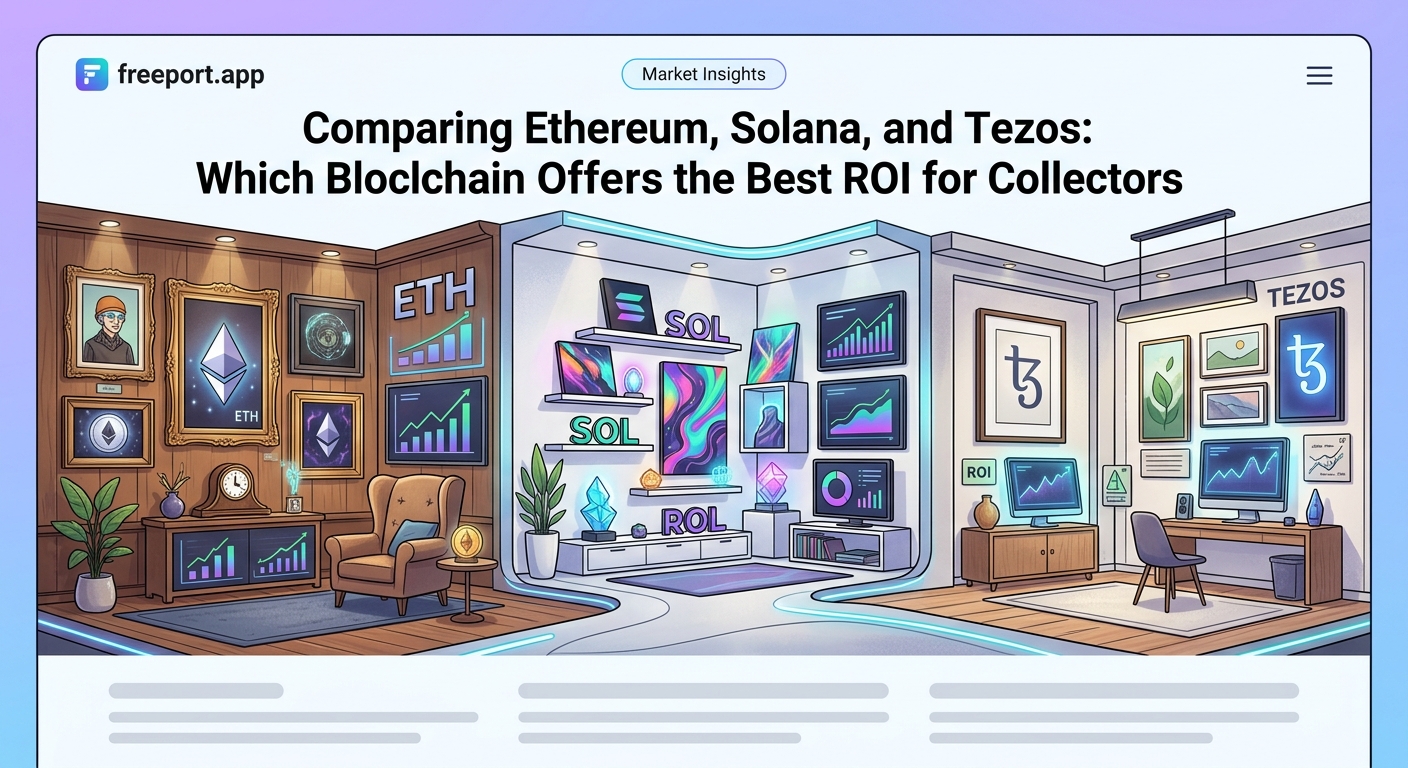
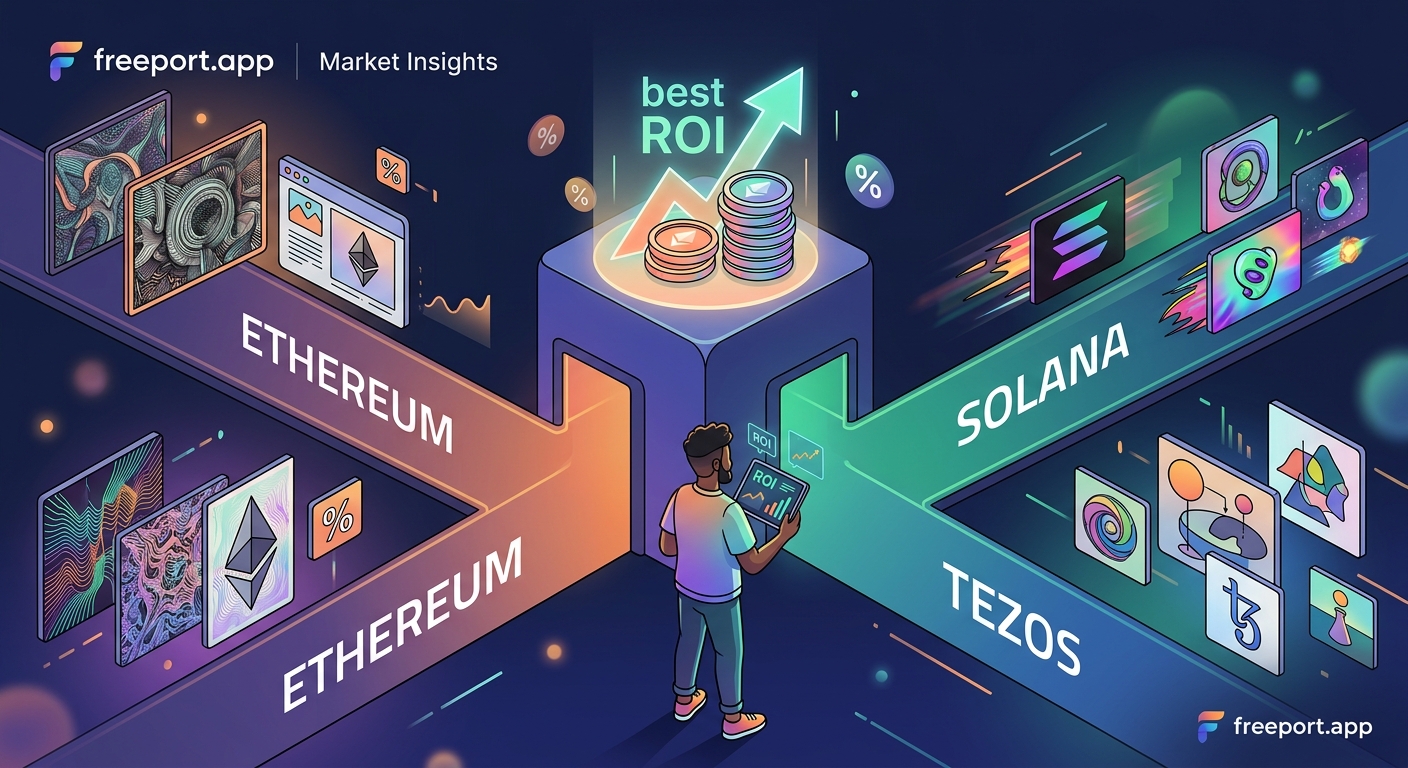
Ethereum remains the best blockchain for NFT collectors seeking established markets and blue chip assets, despite higher fees. Solana offers compelling value for active traders prioritizing speed and low costs, while Tezos attracts collectors focused on sustainability and emerging artists. Your optimal choice depends on budget, collecting goals, and whether you prioritize established liquidity or early access opportunities.
Understanding blockchain fundamentals for collectors
Every blockchain operates differently, affecting how you buy, store, and sell digital collectibles.
Transaction speed matters when you’re competing for limited drops. Network congestion can mean missing out on time sensitive opportunities. Gas fees directly impact your profitability, especially on smaller purchases.
Security architecture determines how safely your assets are stored. Established networks with longer track records offer more battle tested infrastructure. Newer chains may offer innovation but carry higher platform risk.
Market depth affects your ability to exit positions. A blockchain with thin liquidity means fewer buyers when you want to sell. Established marketplaces concentrate on specific chains, fragmenting collector attention.
The how smart contracts are revolutionizing art ownership and provenance piece explains how these technical foundations protect your ownership rights.
Ethereum dominates premium collectibles
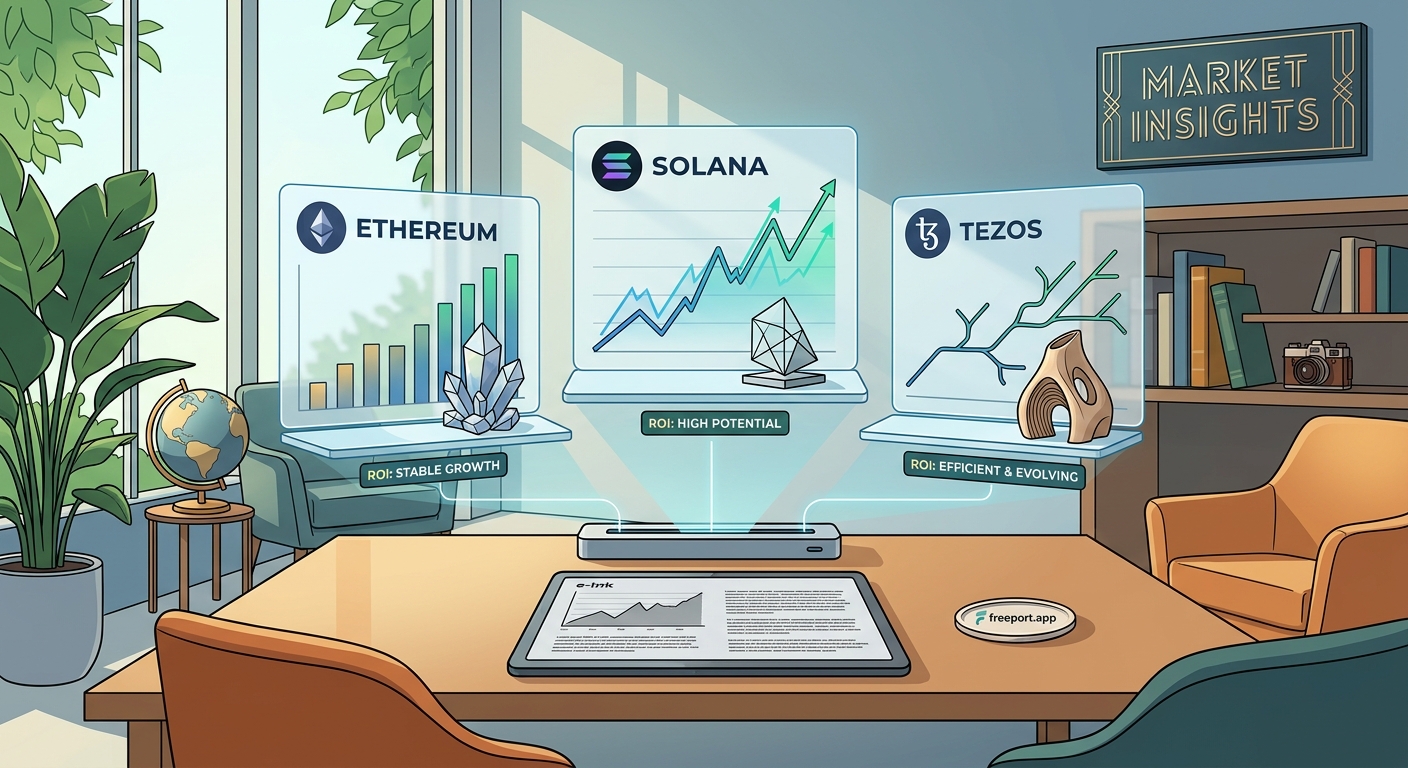
Ethereum hosts the vast majority of high value digital art and established collections.
The network processed over $2.8 billion in NFT sales during Q1 2026. OpenSea, Blur, and Foundation all built their primary infrastructure on Ethereum. When serious collectors want blue chip assets, they look here first.
Transaction costs remain Ethereum’s biggest drawback. Gas fees fluctuate wildly based on network activity. A simple purchase might cost $15 during quiet periods or spike above $100 during peak times.
Layer 2 solutions like Polygon and Arbitrum offer relief. These scaling technologies process transactions off the main chain, then batch them for final settlement. Fees drop to pennies while maintaining Ethereum’s security guarantees.
Consider layer 2 solutions: why Ethereum artists are migrating to Polygon and Arbitrum for detailed migration strategies.
Most institutional collectors stick with Ethereum despite costs. The network effect creates a self reinforcing cycle. Artists mint where collectors gather. Collectors gather where premium art appears.
“Ethereum’s first mover advantage in NFTs created network effects that newer chains struggle to overcome. The cultural capital and established provenance on Ethereum add intangible value beyond pure transaction economics.” – Digital art curator interviewed for this piece
Solana attracts volume traders
Solana built its reputation on speed and affordability.
Transactions finalize in seconds rather than minutes. Fees typically cost fractions of a cent. For collectors making frequent purchases or trading actively, these economics matter significantly.
Magic Eden emerged as Solana’s dominant marketplace. The platform processed over $400 million in volume during early 2026. Collections like Okay Bears and DeGods established strong communities.
Network stability remains a concern. Solana experienced multiple outages in 2022 and 2023. While reliability improved substantially, the history makes some collectors nervous about long term platform risk.
The chain excels for specific collecting strategies:
- High frequency trading of trending collections
- Minting multiple pieces from new drops
- Building large portfolios on limited budgets
- Experimenting with emerging artists
Cross chain bridges let you move assets between networks. However, bridge security varies widely. The cross-chain bridges: moving your digital art collection between blockchains safely guide covers risk mitigation.
Solana’s lower barrier to entry attracts newer collectors. You can build a meaningful collection for hundreds rather than thousands of dollars. This accessibility drives experimentation and discovery.
Tezos emphasizes sustainability and curation
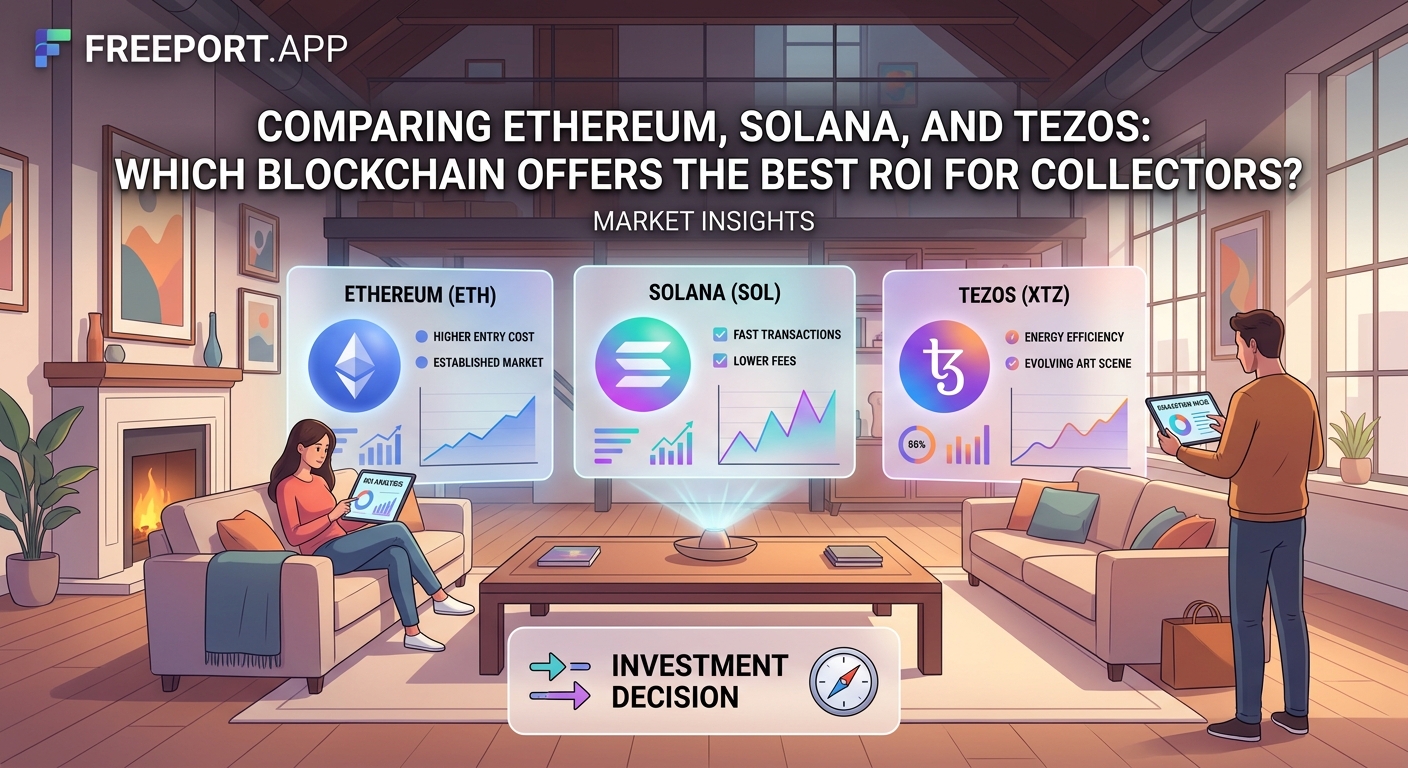
Tezos carved out a niche among environmentally conscious collectors.
The proof of stake consensus mechanism uses a fraction of Ethereum’s energy. Artists concerned about carbon footprints gravitated toward platforms like fxhash and objkt. Generative art on the blockchain: where code meets canvas often happens on Tezos.
Transaction costs stay consistently low. Minting typically costs under $0.50. This predictability helps artists and collectors budget accurately.
The community skews toward fine art rather than profile pictures. Curated platforms emphasize artistic merit over speculation. This cultural difference attracts collectors seeking aesthetic value.
Market liquidity lags behind Ethereum and Solana. Fewer buyers means longer hold times when selling. Price discovery can be challenging for lesser known artists.
Museums and institutions show growing interest. The energy efficiency aligns with sustainability mandates. Several why museums are building blockchain art collections chose Tezos for inaugural programs.
Comparing costs across networks
Understanding true ownership costs requires looking beyond sticker prices.
| Blockchain | Avg Transaction Fee | Minting Cost | Platform Fees | Total Entry Cost |
|---|---|---|---|---|
| Ethereum | $15-$100+ | $50-$200 | 2.5% | High |
| Solana | $0.001-$0.01 | $0.10-$1 | 2-3% | Low |
| Tezos | $0.05-$0.50 | $0.20-$0.80 | 2.5% | Low |
These numbers fluctuate based on network congestion and marketplace choice. Ethereum fees spike during popular drops. Solana and Tezos maintain more stable pricing.
Storage costs add another layer. Some platforms charge ongoing fees for metadata hosting. Others use decentralized storage with one time payments. Decentralized storage wars: IPFS vs Arweave for long term NFT preservation breaks down these tradeoffs.
Calculate total cost of ownership:
- Add purchase price plus transaction fees
- Include any minting or listing costs if creating
- Factor in potential resale fees (typically 2.5% to 10%)
- Consider storage and metadata hosting expenses
- Account for wallet security costs like hardware devices
Hidden expenses accumulate faster than most collectors expect. A $500 piece on Ethereum might cost $650 after fees. The same piece on Solana stays closer to $515.
Evaluating liquidity and exit options
Your ability to sell matters as much as buying opportunities.
Ethereum offers the deepest secondary markets. Multiple competing marketplaces create price competition. You can typically sell established collections within days or hours.
Solana’s liquidity concentrates in trending collections. Popular projects move fast. Lesser known pieces can sit for weeks. Market depth varies dramatically by collection tier.
Tezos requires patience for exits. The smaller collector base means fewer active buyers. Premium pieces from recognized artists sell reasonably well. Experimental or unknown work can take months.
Consider these liquidity factors:
- Daily trading volume on your target marketplace
- Number of active collectors in specific niches
- Historical time to sale for comparable pieces
- Bid/ask spreads on current listings
- Availability of collection offers versus individual bids
The what makes a digital collection blue-chip? analyzing long-term value indicators framework helps identify liquid assets.
Portfolio allocation should match liquidity needs. Keep frequently traded positions on high liquidity chains. Long term holds can sit on lower cost networks.
Security and custody considerations
Where you store assets matters as much as which blockchain you choose.
Hardware wallets provide the strongest security. Ledger and Trezor support multiple chains. Cold storage protects against most hacking attempts. The complete guide to storage and security for high-value digital assets covers setup details.
Each blockchain uses different wallet standards:
- Ethereum: MetaMask, Rainbow, Ledger
- Solana: Phantom, Solflare, Ledger
- Tezos: Temple, Kukai, Ledger
Never store significant value in browser extension wallets long term. These hot wallets offer convenience but increased vulnerability. Transfer to cold storage after purchasing.
Smart contract risks vary by chain. Ethereum’s longer history means more audited code. Newer chains may have undiscovered vulnerabilities. Always verify contract addresses before approving transactions.
Platform dependency creates another risk vector. What happens if your preferred marketplace shuts down? The what happens to your blockchain art when the platform shuts down? scenario planning guide addresses contingencies.
Artist and collection distribution
Where creators mint influences collector opportunities.
Established artists with traditional gallery representation favor Ethereum. The prestige and collector base justify higher costs. 7 blockchain artists redefining contemporary digital art in 2026 mostly work on Ethereum.
Emerging generative artists cluster on Tezos. The low minting costs enable experimentation. Platforms like fxhash became incubators for computational art.
Community driven projects span all chains. Profile picture collections appear everywhere. Gaming and metaverse assets increasingly use Solana for performance reasons.
Cross chain artists maintain presence on multiple networks. They mint editions on different chains to reach varied collector bases. This fragmentation complicates portfolio tracking.
Research where your target artists work:
- Check their social media for platform announcements
- Review past drop locations and marketplace history
- Join Discord communities to learn upcoming plans
- Monitor wallet addresses across multiple chains
- Set alerts for new mints on preferred platforms
Following 7 emerging digital artists whose work is reshaping the secondary market requires monitoring multiple ecosystems.
Building a multi chain strategy
Most sophisticated collectors operate across several blockchains.
Allocate based on your collecting goals and risk tolerance. A balanced approach might look like:
- 60% Ethereum for blue chip and established artists
- 25% Solana for active trading and emerging trends
- 15% Tezos for curated fine art and sustainability
Adjust these ratios based on your priorities. Value investors might increase Ethereum exposure. Trend traders could flip the allocation toward Solana.
Portfolio tracking becomes more complex across chains. Use aggregators like Zapper or DeBank to view holdings in one place. Export transaction history regularly for tax purposes.
Authentication matters more in multi chain environments. Each network has different verification norms. How to authenticate digital art before adding it to your collection provides chain specific guidance.
Rebalancing requires careful planning. Moving assets between chains incurs fees and bridge risks. Plan transfers during low congestion periods. Batch transactions when possible.
Tax implications vary by jurisdiction
Different blockchains don’t change tax treatment, but they affect record keeping.
Every sale, trade, or transfer creates a taxable event in most jurisdictions. Transaction frequency on low cost chains can generate hundreds of events annually. Detailed records become essential.
Gas fees paid in native tokens (ETH, SOL, XTZ) have their own cost basis. Track these separately for accurate reporting. The IRS and other tax authorities increasingly scrutinize crypto transactions.
Bridge transfers between chains may trigger recognition events. Moving an NFT from Ethereum to Polygon through a bridge could be treated as a sale and repurchase. Consult tax professionals familiar with digital assets.
Consider these record keeping practices:
- Export transaction CSVs monthly from each marketplace
- Tag purchases with acquisition date and cost basis
- Document gas fees separately in native token value
- Screenshot listing prices and floor data periodically
- Maintain wallet address lists with chain identifiers
Software like CoinTracker or TokenTax can aggregate multi chain activity. Manual tracking works for smaller portfolios but becomes unwieldy at scale.
Matching blockchain to collecting style
Your strategy should determine your platform choice.
Blue chip collectors need Ethereum’s depth. Acquiring established collections requires access to primary markets. The premium you pay in fees buys into proven liquidity and cultural significance. Why blue-chip NFT collections maintain value during market downturns explains this value preservation.
Active traders benefit from Solana’s economics. Making 10+ transactions monthly on Ethereum costs hundreds in fees alone. Solana’s sub-penny costs enable frequent position changes without bleeding capital.
Art focused collectors find community on Tezos. The curation and artist quality rival traditional galleries. Lower speculation attracts collectors who value aesthetics over flipping.
Diversified collectors operate across all three. They chase blue chips on Ethereum, trade trends on Solana, and discover artists on Tezos. This approach maximizes opportunities but demands more time and expertise.
Budget conscious newcomers should start with Solana or Tezos. Build experience without risking large capital on transaction fees. Graduate to Ethereum once you understand market dynamics.
The how to build a valuable digital art collection from scratch in 2026 framework works across any blockchain with strategy adjustments.
Red flags and risk factors
Each blockchain presents unique warning signs.
On Ethereum, watch for:
– Unverified smart contracts lacking audits
– Collections with thin trading volume despite hype
– Extreme gas price spikes during mints
– Copycat projects mimicking established collections
Solana specific concerns include:
– Projects that launched during network outages
– Collections with no presence on major aggregators
– Wallets requiring unusual permissions
– Teams with no previous blockchain experience
Tezos collectors should note:
– Artists with no exhibition history or peer recognition
– Platforms lacking proper metadata standards
– Collections priced far above comparable work
– Projects promising unrealistic utility
The 7 red flags every digital collector should watch for before buying list applies universally but manifests differently per chain.
Due diligence requirements don’t change based on blockchain. Verify creator identity, check contract code, research provenance, and assess community strength regardless of network.
Future proofing your collection strategy
Blockchain technology evolves rapidly, requiring adaptive strategies.
Layer 2 adoption will likely accelerate on Ethereum. Collectors should familiarize themselves with Polygon, Arbitrum, and Optimism now. Premium collections may migrate to reduce costs while maintaining security.
Solana continues improving stability and decentralization. Network maturation could attract more institutional participation. Early positions in quality projects may appreciate as credibility grows.
Tezos upgrades focus on privacy and programmability. Zero-knowledge proofs are enabling private art collections on public blockchains increasingly on Tezos infrastructure.
Interoperability solutions will blur chain boundaries. NFTs may become portable across ecosystems. Collectors who understand multiple networks will adapt faster than single chain specialists.
Dynamic and evolving NFTs represent another frontier. The rise of dynamic NFTs: how on-chain data creates evolving digital artworks works best on chains with low transaction costs for state updates.
Monitor these development indicators:
- Protocol upgrade announcements and timelines
- Developer activity and ecosystem growth metrics
- Institutional adoption and partnership news
- Regulatory clarity in major jurisdictions
- Cross chain standard development progress
Making your blockchain decision
No single blockchain serves every collector perfectly.
Ethereum offers the safest bet for collectors prioritizing established markets and blue chip access. You pay premium fees for premium infrastructure and liquidity. If your budget allows $1,000+ purchases, the percentage fee impact decreases.
Solana makes sense for active collectors on tighter budgets. The speed and cost advantages enable portfolio building that would be prohibitively expensive on Ethereum. Accept slightly higher platform risk for dramatically better economics.
Tezos attracts collectors who value artistic merit and environmental responsibility. The community and curation rival traditional art markets. Patience with liquidity gets rewarded with access to undervalued talent.
Most successful collectors eventually operate across multiple chains. Start with one that matches your immediate goals and budget. Expand as you gain experience and capital.
The best blockchain for NFT collectors ultimately depends on what you collect, how often you trade, and what risks you accept. Match the technology to your strategy rather than forcing your strategy into a single ecosystem.
Your collecting journey will likely span multiple networks as you refine your approach and discover new opportunities. The infrastructure you choose today doesn’t lock you in forever, but it shapes your early experiences and access to different communities.
Start where the artists and collections you admire are building. The right blockchain is wherever your target acquisitions live.