Unlocking the Future of Digital Art Authentication with Web3 Solutions
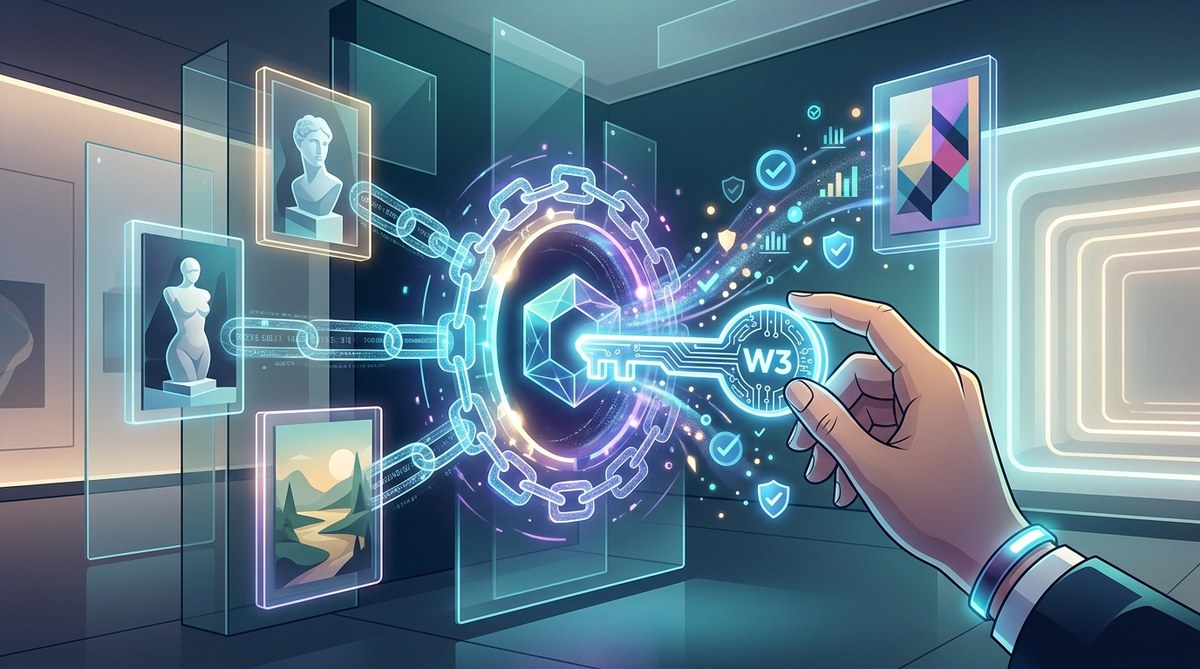
Digital art has transformed how creators share their visions and how collectors build their portfolios. But with this digital shift comes a pressing need for trustworthy verification methods. Web3 digital art authentication stands at the forefront, offering a decentralized, secure way to confirm ownership and provenance. It’s not just about protecting art. It’s about empowering artists and collectors with tools that make digital assets trustworthy and long-lasting.
Web3 digital art authentication leverages [blockchain technology](https://en.wikipedia.org/wiki/Blockchain) to verify ownership and provenance, reducing fraud and fostering trust in digital art markets. It empowers artists and collectors with secure, transparent, and decentralized proof of authenticity, shaping the future of digital art security and value.
Understanding Web3 Digital Art Authentication
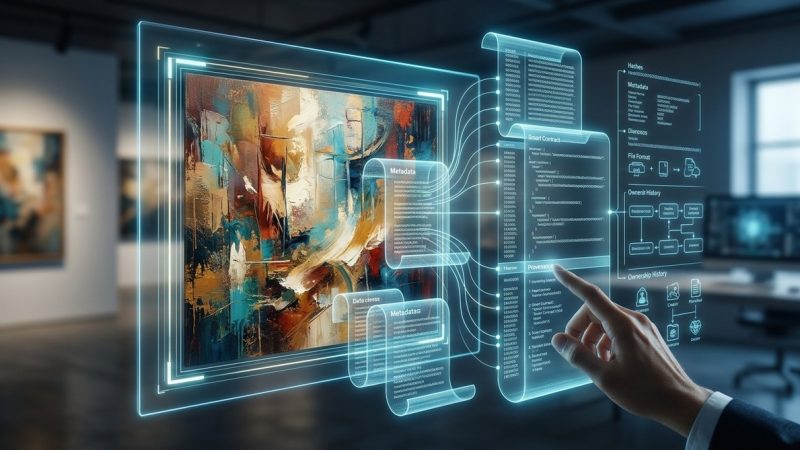
At its core, Web3 digital art authentication involves recording artwork details on a blockchain. This process creates an unchangeable record of ownership, origin, and transaction history. Unlike traditional certificates or receipts that can be forged or lost, blockchain-based records are tamper-proof and publicly accessible.
This technology ensures that when an artist mints an artwork as an NFT or registers it on a blockchain platform, the proof of authenticity is embedded directly into the token. This proof travels with the artwork, making it easy for collectors and institutions to verify its legitimacy at any moment.
Why Blockchain Is a Game-Changer for Digital Art
Blockchain technology provides several advantages for digital art authentication:
- Transparency: Every transaction and ownership change is recorded on an immutable ledger.
- Decentralization: No single entity controls the verification process, reducing the risk of tampering.
- Provenance tracking: The complete history of an artwork is accessible, helping confirm its origin.
- Ownership control: Artists and collectors can securely manage their assets without intermediaries.
- Verifiable scarcity: Limited editions and unique pieces are verifiable, supporting value and collector confidence.
Practical Process for Implementing Web3 Digital Art Authentication
- Mint the artwork as an NFT: Artists create digital tokens representing their work, often through platforms like Ethereum, Solana, or Tezos. This process involves creating a smart contract that links the artwork file to its metadata.
- Register ownership and provenance: Every transfer or sale is recorded on the blockchain, creating a transparent chain of custody.
- Utilize verification tools: Buyers and institutions can authenticate artworks by checking blockchain records, often through dedicated platforms or digital wallets.
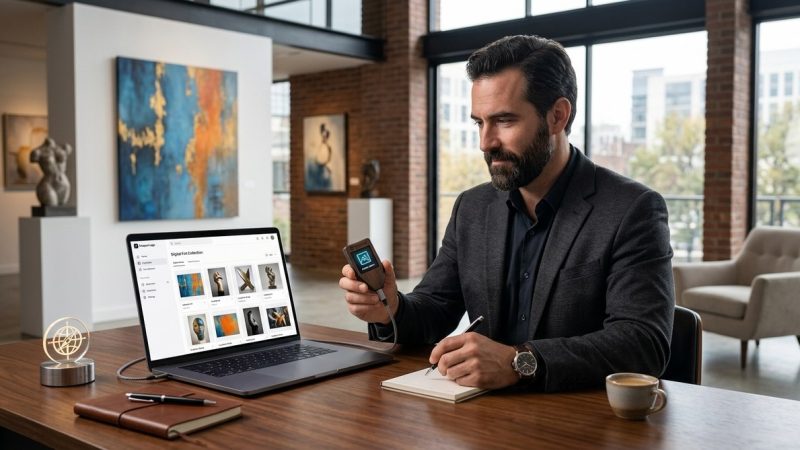
- Secure storage and management: Properly storing private keys and using hardware wallets protect assets from theft or loss.
- Stay updated with tech developments: As Web3 evolves, new solutions like zero-knowledge proofs or decentralized storage enhance security and privacy.
Techniques and Common Pitfalls in Web3 Digital Art Verification
| Technique | Purpose | Common Mistake |
|---|---|---|
| Minting NFTs | Establish ownership and provenance | Minting on untrusted or obscure platforms |
| Smart contract deployment | Automate royalties and rights | Using poorly coded contracts risking vulnerabilities |
| Blockchain scans | Verify transaction history | Relying on unreliable explorers or incomplete data |
| Decentralized storage | Preserve artwork files | Using platforms without long-term sustainability |
| Wallet security | Protect digital assets | Using weak passwords or hardware wallets without backups |
“Ensuring proper security practices during the minting and storage process is vital. Even the most secure blockchain records won’t protect your assets if your private keys are compromised.” — Digital art security expert
Practical Tips for Artists and Collectors
- Choose reputable platforms for minting and registering artworks.
- Confirm the authenticity by checking blockchain transaction histories.
- Use secure wallets with multi-factor authentication.
- Maintain backups for private keys and seed phrases.
- Stay informed about emerging standards like zero-knowledge proofs that enhance privacy.
- Educate yourself on the differences between various blockchains and their environmental impacts.
Common Challenges and How to Overcome Them
While Web3 digital art authentication offers many benefits, certain obstacles remain:
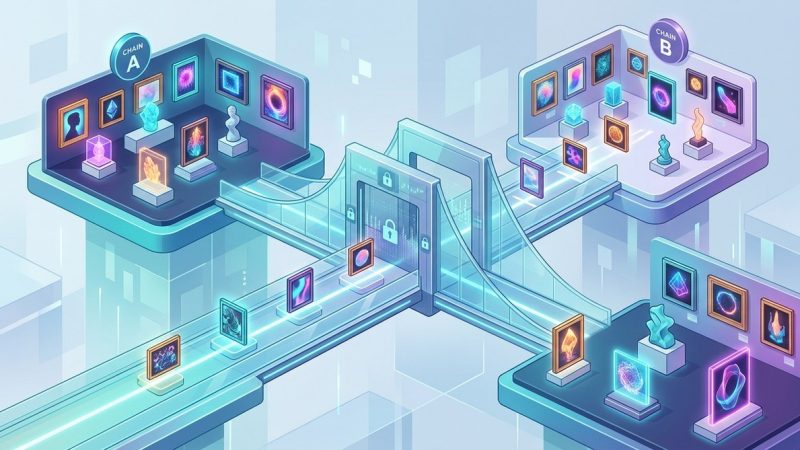
- Platform dependency: When a platform shuts down, assets may become inaccessible. To mitigate this, use platforms that support interoperability or decentralized storage options like IPFS.
- Gas fees and transaction costs: High fees can limit accessibility. Layer 2 solutions like Polygon or Arbitrum help reduce costs.
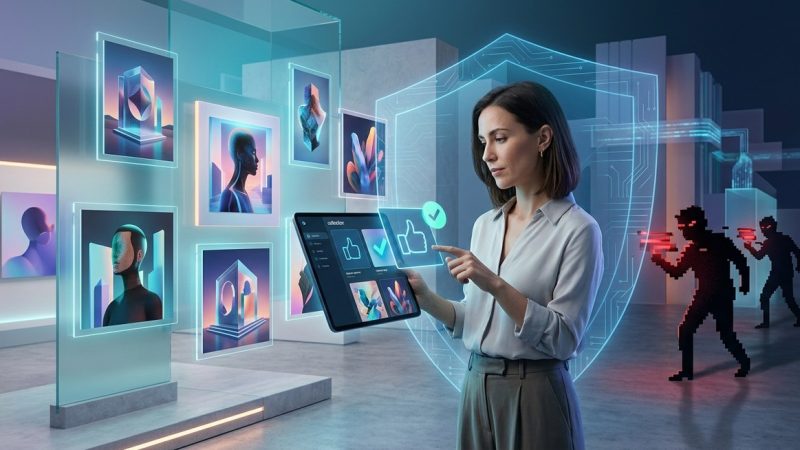
- Fraudulent listings: Fake NFTs or misrepresented assets are a risk. Always verify the provenance and check for transparent transaction histories.
- Environmental concerns: Some blockchains are energy-intensive. Opt for eco-friendly chains like Tezos or those using proof-of-stake.
| Mistake | Impact | How to Avoid |
|---|---|---|
| Buying from unknown sources | Fake or stolen art | Verify provenance and use trusted marketplaces |
| Ignoring security practices | Asset theft | Use hardware wallets and two-factor authentication |
| Relying on single platform | Asset loss if platform closes | Diversify storage and platform usage |
Future Trends in Web3 Digital Art Verification
The landscape continues to evolve with innovations like:
- Zero-knowledge proofs: Allowing private, verifiable transactions without revealing details.
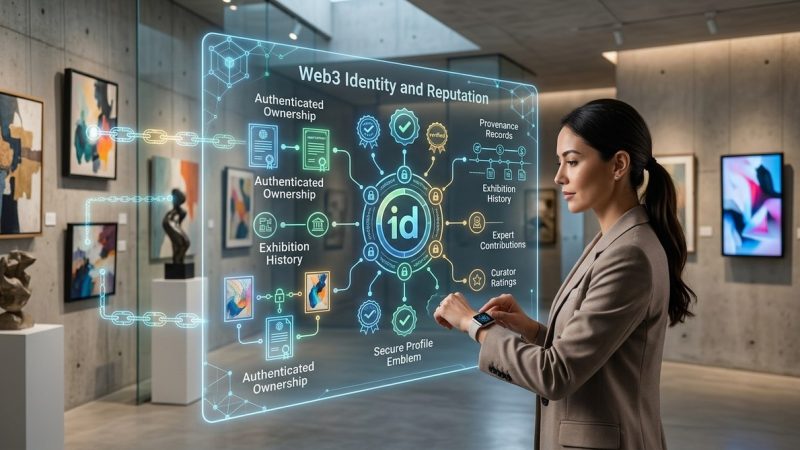
- Decentralized identity systems: Giving artists and collectors control over their digital identities.
- Interoperability protocols: Moving assets seamlessly across different blockchains.
- Enhanced provenance tracking: Using AI and blockchain together for automated verification.
- Sustainable blockchain solutions: Prioritizing eco-friendly networks to address environmental concerns.
How Artists and Collectors Can Get Started Today
- Learn about blockchain platforms: Understand the differences between Ethereum, Solana, and Tezos.
- Choose a trusted minting platform: Use services like https://freeport.app/the-complete-guide-to-minting-your-first-fine-art-nft/ to begin.
- Secure your digital wallet: Invest in hardware wallets and enable multi-factor authentication.
- Verify artworks before buying: Check blockchain transaction history and provenance records.
- Stay engaged with community updates: Follow industry leaders and technological advancements to keep your verification methods current.
Embracing a Future of Verified Digital Creativity
By integrating Web3 digital art authentication into your practice, you gain more than just security. It fosters trust, maintains value, and opens new avenues for monetization and collaboration. Artists can confidently showcase their work with proof of origin, while collectors can verify authenticity with ease. This synergy benefits the entire ecosystem, making digital art a more sustainable and respected asset class.
Building Trust in the Digital Art World
The shift toward blockchain-based verification is reshaping how digital art is valued and protected. As technology advances, so does the potential for more sophisticated, private, and accessible authentication solutions. Whether you’re an artist minting your first NFT or a seasoned collector safeguarding a valuable portfolio, understanding and leveraging Web3 digital art authentication tools will serve you well.
Taking action now means embracing a future where digital assets are inherently trustworthy. Start by exploring the platforms and techniques discussed here. With diligent effort and a curious mind, you can confidently navigate the evolving landscape of blockchain verified art.