Why Traditional Art Appraisers Are Learning Blockchain Technology
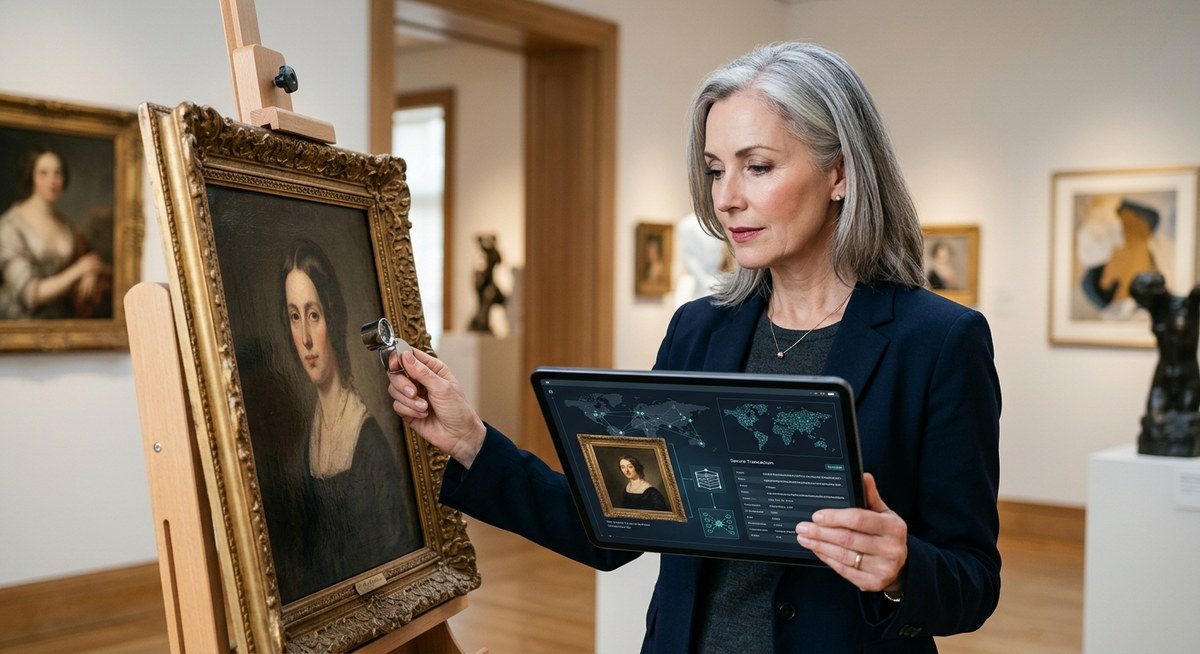
Art professionals, appraisers, collectors, and enthusiasts are witnessing a shift in how art is valued and authenticated. Blockchain technology is no longer just a buzzword but a practical tool that is transforming the core of art appraisal. Traditional appraisers are learning blockchain to stay ahead of evolving market demands, improve transparency, and ensure trust in their evaluations. This transition is reshaping the landscape of art valuation, making it more reliable, efficient, and future-proof.
Traditional art appraisers are adopting blockchain to enhance authenticity verification, provenance tracking, and valuation accuracy. Embracing this technology ensures they stay relevant in a rapidly changing market and better serve clients seeking transparent, tamper-proof records of art history and ownership.
Understanding Why Blockchain Is Gaining Ground Among Art Appraisers
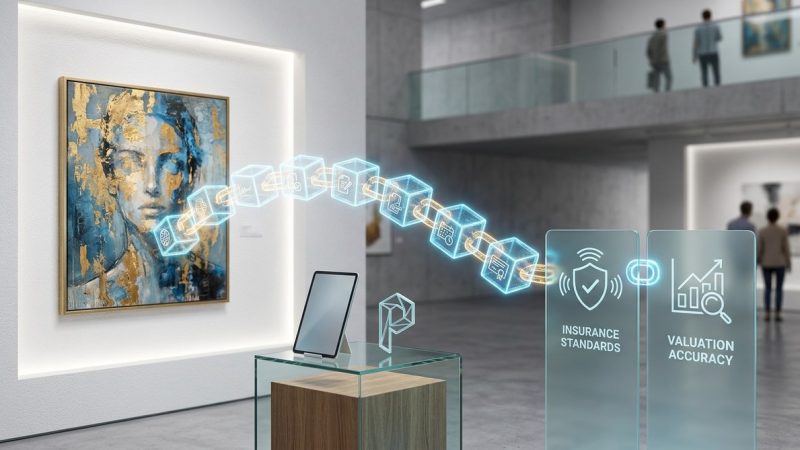
Blockchain’s potential to revolutionize art valuation stems from its ability to create secure, immutable records. For appraisers, this means access to tamper-proof provenance histories and transparent authenticity records. As digital documentation gains importance, appraisers are learning to integrate blockchain data into their assessments. This technology enhances confidence among collectors and institutions by providing clear, verifiable information about an artwork’s origin, ownership, and history.
The Benefits of Blockchain for Art Appraisal
Learning blockchain offers several advantages for traditional appraisers:
- Enhanced Provenance Tracking: Blockchain provides a permanent record of an artwork’s ownership and transaction history. This reduces disputes and forgery concerns.
- Increased Trust and Transparency: Digital ledgers ensure that provenance data is accessible, verifiable, and tamper-proof.
- Streamlined Valuation Processes: Automated data verification expedites appraisal timelines and minimizes human error.
- Protection Against Fraud: Blockchain’s decentralized nature deters counterfeit art and unauthorized reproductions.
- Future-proofing Skills: As more collectors and institutions adopt blockchain, appraisers who understand the technology will remain competitive.
Practical Steps for Appraisers Entering the Blockchain Realm
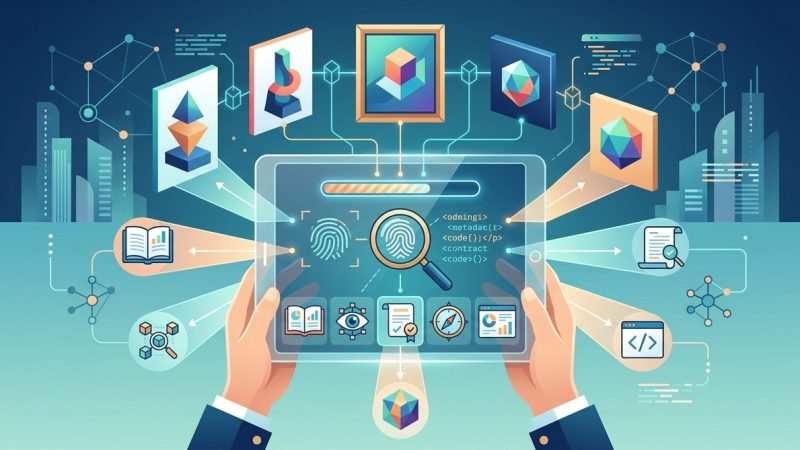
- Get familiar with blockchain fundamentals: Understand how decentralized ledgers work, what smart contracts are, and how digital provenance is recorded.
- Learn to interpret blockchain data: Develop skills to verify ownership records, transaction histories, and authenticity certificates stored on blockchain platforms.
- Integrate blockchain tools into your workflow: Use specialized apps that link blockchain records with traditional appraisal methods.
Practical Process for Incorporating Blockchain
- Collect digital provenance records from blockchain platforms.
- Cross-reference blockchain data with physical or digital documentation.
- Use verification tools to confirm authenticity before valuation.
- Document the provenance data in your appraisal reports.
- Educate clients about the benefits of blockchain-verified provenance.
Common Techniques and Pitfalls in Blockchain-Based Art Appraisal
| Technique | Benefit | Mistake to Avoid |
|---|---|---|
| Verifying digital certificates | Ensures provenance authenticity | Relying solely on blockchain without physical verification |
| Cross-referencing blockchain data with physical records | Confirms ownership chain | Ignoring discrepancies between digital and physical data |
| Using reputable blockchain platforms | Accesses reliable provenance info | Using unverified or obscure platforms |
| Relying on automated smart contracts | Streamlines verification | Overestimating the infallibility of automation |
“Blockchain can significantly reduce the uncertainty in art valuation, but it should complement, not replace, traditional expertise and physical verification.” — Expert Art Appraiser
Challenges and How to Overcome Them
Adopting blockchain is not without hurdles. Some appraisers worry about the complexity of new technology or lack of familiarity. Others question the permanence of digital records or the interoperability of various platforms.
Strategies to overcome these challenges include:
- Participating in specialized training courses on blockchain applications in art.
- Building relationships with blockchain platforms that focus on art provenance.
- Staying updated on technological developments and industry standards.
- Collaborating with tech-savvy colleagues or blockchain consultants for insights.
Building a Blockchain-Ready Appraisal Practice
- Invest in education: Attend workshops, webinars, or courses on blockchain in art.
- Develop partnerships: Connect with blockchain platforms, galleries, and collectors who use digital provenance.
- Update your tools: Incorporate apps that can access blockchain records directly into your workflow.
- Educate clients: Explain how blockchain enhances the reliability of provenance and valuation.
- Stay adaptable: As technology evolves, continue refining your skills and processes.
The Future of Art Valuation with Blockchain
Looking ahead, blockchain is poised to become a cornerstone in art valuation. It will enable fractional ownership, facilitate transparent sales, and improve the accuracy of valuation models. Appraisers who learn to harness blockchain will contribute to a more trustworthy art market, where provenance disputes diminish and confidence grows.
For those interested in a deeper dive, understanding how smart contracts are revolutionizing art ownership can offer valuable insights. These self-executing agreements automate royalty payments and transfer of ownership, further streamlining the valuation and sale process.
Final Tips for Art Professionals Making the Transition
- Stay curious about emerging technologies.
- Prioritize trustworthy blockchain platforms.
- Combine digital data with traditional expertise.
- Keep clients informed about technological benefits.
- Remember, mastering blockchain is an ongoing process.
A New Chapter for Art Appraisal in the Digital Age
Traditional appraisers who embrace blockchain technology are setting themselves apart. By integrating digital provenance and verification tools, they provide more accurate, transparent valuations. This not only benefits clients but also advances the integrity of the art market. Take the time to learn blockchain basics, experiment with tools, and build partnerships. The future of art appraisal is digital, and those who adapt early will lead the way.
**Get started by exploring resources like to understand smart contracts’ role in streamlining ownership rights and royalties. Staying informed helps you incorporate blockchain into your core valuation practices confidently.
By adopting blockchain, traditional art appraisers are shaping a more trustworthy, efficient, and transparent market. Keep learning, stay adaptable, and you’ll find new opportunities to enhance your expertise and serve clients better.