Interoperability Crisis: Moving Your Blockchain Art Between Different Networks

Moving digital assets across different blockchain networks remains one of the most pressing hurdles for blockchain developers and industry professionals today. As blockchain technology matures, the need for systems that can communicate and transfer assets effectively between various chains becomes increasingly clear. Without interoperability, digital assets risk becoming isolated within individual ecosystems, limiting their potential for growth and utility. Bridging these gaps is essential for fostering a truly decentralized, multi-chain future.
Blockchain interoperability enables seamless movement of digital assets across various networks, fostering a connected ecosystem. Overcoming technical, security, and regulatory challenges is key to unlocking Web3’s full potential for creators, collectors, and developers alike.
What is blockchain interoperability and why does it matter?
Blockchain interoperability refers to the ability of different blockchain networks to communicate, share data, and transfer assets without intermediaries. It is a foundational element for the growth of Web3, where users, developers, and organizations can leverage multiple chains for various purposes. Imagine moving an NFT from Ethereum to Solana or transferring a stablecoin across different DeFi platforms effortlessly. That’s the power of interoperability.
Interoperability matters because it removes barriers that keep digital assets confined within specific ecosystems. It allows for:
- Enhanced liquidity across diverse markets.
- Broader user access to different features and services.
- Innovation acceleration by combining strengths of multiple chains.
- Better user experience with simplified asset management.
Without effective cross-chain communication, the promise of a decentralized web remains limited. Interoperability ensures assets, data, and functionality can flow freely, making the entire blockchain space more dynamic and user-friendly.
The core challenges of moving assets between chains
Despite its importance, achieving seamless blockchain interoperability is no simple task. Several technical, security, and regulatory challenges stand in the way.
Technical complexity
Different blockchains operate with distinct protocols, consensus mechanisms, and data formats. This diversity makes it difficult to create a universal standard for communication. Developing bridges or protocols that can handle these differences requires significant engineering effort and ongoing maintenance.
Security risks
Interoperability solutions increase attack surfaces. Bridges and cross-chain protocols can become targets for hackers. A breach in one chain or bridge might compromise assets across multiple networks. Ensuring security while maintaining usability is a delicate balance.
The interoperability trilemma
Similar to the common blockchain trilemma of decentralization, scalability, and security, interoperability faces its own set of trade-offs. For instance, increasing speed and ease of transfer might compromise security or decentralization. Finding the right balance is crucial for sustainable solutions.
Regulatory and compliance issues
Different jurisdictions have varying rules around digital assets and cross-border transfers. Implementing cross-chain solutions must consider legal frameworks, which can slow down adoption or introduce additional hurdles.
Practical approaches and solutions to blockchain interoperability
Over the years, several techniques and protocols have emerged to tackle these challenges. Here are some of the most promising methods.
1. Cross-chain bridges
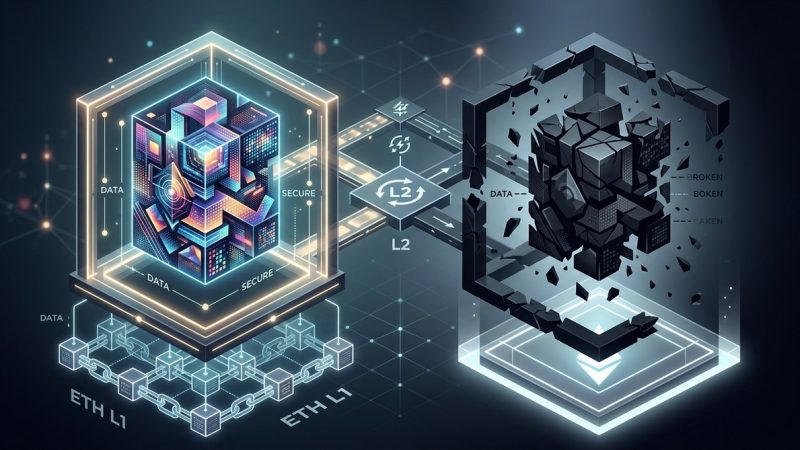
Bridges act as connectors between two or more chains, allowing assets to be locked on one chain and minted or released on another. They are among the most common solutions for asset transfer. Examples include the Wanchain bridge and the Polygon-Ethereum bridge.
2. Protocols and standards
Standards like the Inter-Blockchain Communication (IBC) protocol enable different blockchains to communicate via a shared protocol. Cosmos is a notable project that employs IBC to facilitate cross-chain interactions.
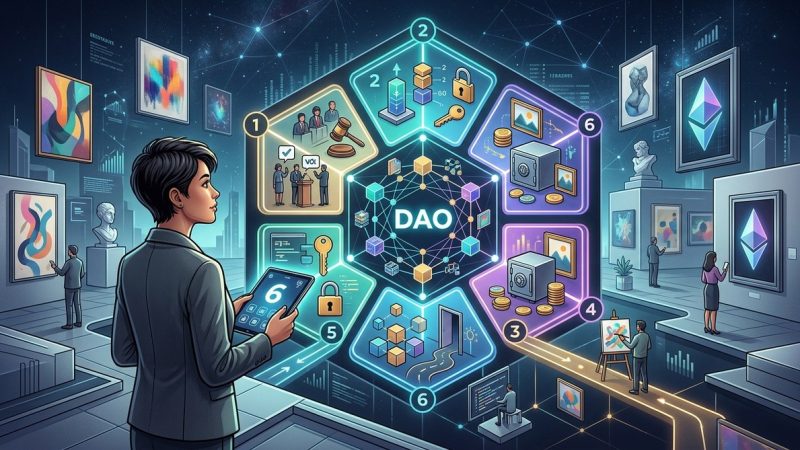
3. Decentralized autonomous organizations (DAOs)
DAOs can govern interoperability frameworks, setting rules and standards for cross-chain communication. They help decentralize decision-making and improve trust in these protocols.
4. Layer 2 solutions and sidechains
Layer 2 networks like Polygon or Arbitrum offer off-chain or sidechain environments where assets can be moved temporarily, reducing congestion and fees. These solutions can also serve as bridges to main chains.
5. Oracles and data carriers
Oracles like Chainlink provide trusted data feeds and facilitate cross-chain communication by relaying information securely. They can act as intermediaries for complex asset transfers or data sharing.
Techniques versus common mistakes table
| Technique | Purpose | Common Mistake |
|---|---|---|
| Cross-chain bridges | Transfer assets between chains | Assuming bridges are fully secure without audits |
| Protocol standards | Enable seamless communication | Using proprietary solutions that lack interoperability |
| Layer 2 solutions | Reduce congestion and fees | Moving assets without proper security checks |
| Oracles | Secure data transfer | Relying on untrusted data sources |
Expert advice on building interoperable systems
“Designing cross-chain protocols demands meticulous attention to security and scalability. Always prioritize audits and decentralized governance to minimize vulnerabilities.” — blockchain security researcher
Real-world examples of interoperability in action
Some projects showcase how cross-chain communication can unlock new possibilities:
- NFT transfers between Ethereum and Solana enhance liquidity and user flexibility.
- DeFi aggregators that pull liquidity from multiple chains provide better rates and options.
- Decentralized identity platforms that verify credentials across networks streamline onboarding.
The role of standards and protocols in shaping a connected Web3
Adopting common standards like IBC and protocols such as Chainlink’s Cross-Chain Interoperability Protocol (CCIP) accelerates the development of unified systems. These frameworks reduce complexity and foster trust among developers and users.
The future of blockchain interoperability
Emerging technologies like zero-knowledge proofs and advanced cryptographic methods promise to improve security and privacy. As chains become more interconnected, expect to see:
- More seamless asset swaps across multiple networks.
- Greater decentralization of cross-chain governance.
- Innovative use cases in gaming, art, and enterprise solutions.
Final notes on building a multi-chain future
Achieving true interoperability requires collaboration, continuous innovation, and rigorous security standards. For developers and industry professionals, understanding these techniques and challenges is vital. By contributing to open standards and adopting best practices, you can help shape a more connected blockchain ecosystem that benefits everyone.
Fostering a connected blockchain world
Moving digital assets effortlessly between blockchain networks unlocks new opportunities for creators, collectors, and users alike. Take time to explore current protocols and tools, and consider how your projects can leverage interoperable systems. The future of Web3 depends on making these bridges reliable, secure, and user-friendly. Applying these insights will empower you to build solutions that stand the test of time and help grow a truly decentralized internet.