How to Verify the Authenticity of Blockchain Art Before You Buy: 5 Foolproof Methods
You are browsing a marketplace for digital art. A piece catches your eye. The thumbnail looks stunning. The artist’s name sounds familiar. The price seems fair. But how do you know it is the real thing? In traditional art, you might rely on certificates of authenticity, gallery receipts, or expert appraisers. In blockchain art, the rules are different. The blockchain itself can be your truth teller, but only if you know what to look for. Fakes, copycats, and misattributed works still exist in the NFT space. That is why learning reliable blockchain art authentication methods is essential before you spend your hard-earned money.
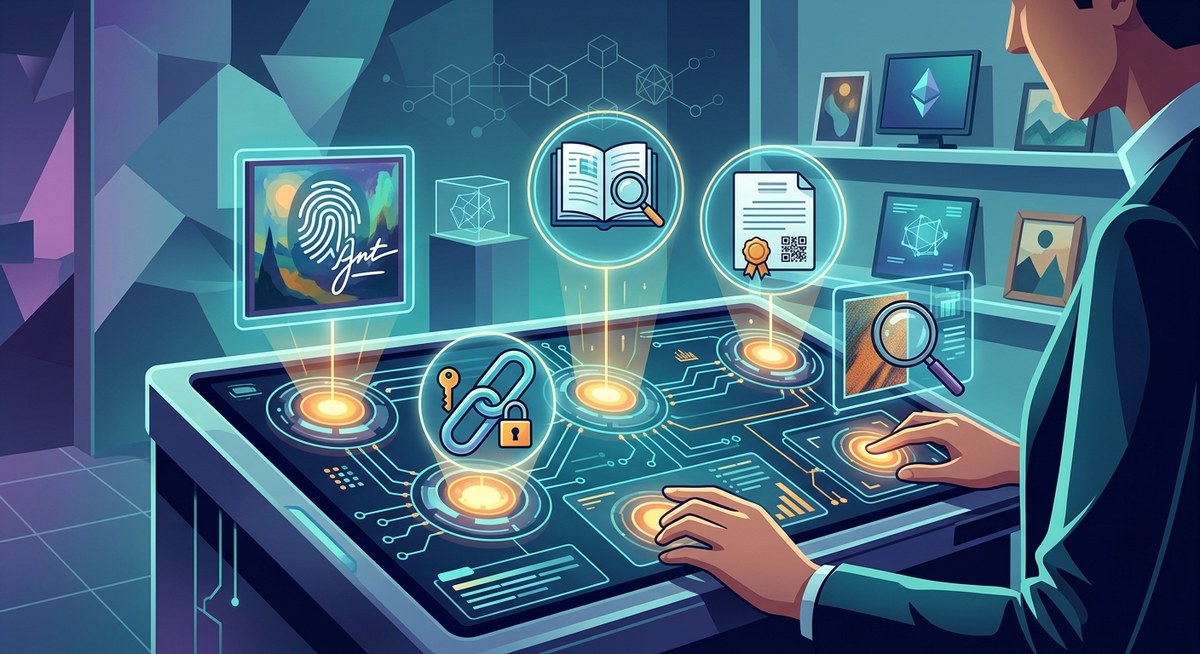
Blockchain art authentication comes down to five core checks: verifying the smart contract, tracing the artist’s wallet, examining the provenance through a block explorer, confirming metadata storage, and using third-party verification tools. Each method catches different types of fraud. Combined, they give you confidence that you are buying the genuine work from the real creator. Always run at least three of these checks before purchasing any piece.
Why Blockchain Art Needs Special Authentication
Physical art authentication relies on human expertise, scientific analysis, and paper trails. Digital art on a blockchain replaces some of that with cryptographic proof. But the system is not perfect. Scammers can mint fake versions of popular artworks using the same image but a different token ID. They can impersonate artists by using wallet addresses that look similar. They can even manipulate metadata after minting. Traditional authentication methods do not apply here. You need to think like a blockchain detective.
The good news is that every transaction is recorded permanently. That transparency is your greatest tool. Once you learn how blockchain art authentication methods work, you can spot red flags in minutes.
Method 1: Verify the Smart Contract Address
Every NFT belongs to a smart contract. That contract holds the rules for the token: who minted it, what metadata it points to, and how it can be transferred. The first step in any authentication check is to find the correct contract address.
Most reputable projects publish their contract address on their official website, Discord, or Twitter. Do not trust the address shown on a secondary marketplace listing alone. Scammers can list a fake token under a similar contract. Cross reference it with the artist’s official channels.
To verify:
- Copy the contract address from the marketplace listing.
- Open a block explorer like Etherscan for Ethereum, Solscan for Solana, or Tzstats for Tezos.
- Search the address and confirm that the contract name matches the project.
- Look at the “Creator” field. Does it point to a wallet you recognize? If the contract was created by an unknown address, be suspicious.
Also check the total supply. If a limited edition of 10 suddenly has 1,000 tokens, something is wrong.
Method 2: Check the Creator’s Wallet History
A genuine artist has a wallet history that shows consistency. They likely hold other NFTs from their own drops. They may have been active in the community for months or years.
Look at the wallet that minted the NFT you are considering. Is it the same as the wallet address listed on the artist’s website? Many creators pin their official wallet to their Twitter profile or include it in their bio. If the seller’s wallet is different, ask why.
On a block explorer, you can see every transaction that wallet has made. If the wallet only funded itself recently with a small amount of crypto and then immediately minted and listed the artwork, that is a red flag. Real artists usually have a longer trail.
For example, a collector once found a beautiful generative piece listed at half the usual price. He checked the creator’s wallet. It had been active for only two days and the only transactions were minting that single piece and listing it. He passed. Later, the original artist confirmed that the piece was a copy.
Method 3: Use a Block Explorer to Trace Provenance
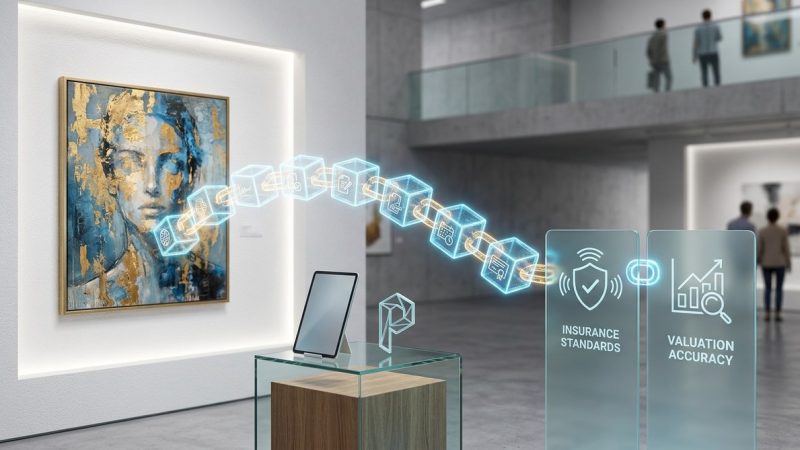
Provenance in blockchain art is the chain of ownership from the original mint to the current holder. A block explorer can show you that entire history.
Look for the token ID within the smart contract. The explorer will list every transfer. You should see:
- The mint transaction: who created the token.
- Subsequent transfers: who owned it next.
- The current holder: the wallet that is selling it.
If the provenance shows that the token was minted by a wallet that has no connection to the artist, then it may be a forgery. Some marketplaces display this history automatically, but it is safer to verify on the block explorer yourself.
A trusted provenance record adds significant value to a piece. That is why serious collectors use tools like Etherscan to confirm the lineage. For more context on why this matters, see how provenance tracking is transforming art authentication and valuation.
Method 4: Confirm the Metadata and Storage Location
Every NFT has metadata: the image URL, description, attributes, and sometimes more. This metadata is stored somewhere. The location matters.
On-chain storage (like using IPFS or Arweave) means the metadata is permanently linked to the token. Off-chain storage (like a centralized server) can be changed or removed by the owner. If the metadata points to a domain that could expire, the artwork could disappear later.
To check, look at the token URI on the block explorer. It should show a link to an IPFS hash (starting with ipfs://) or an Arweave transaction ID. Avoid pieces that store the image on a regular web server unless you fully trust the platform.
Expert advice from a seasoned collector
“I once bought a piece that looked amazing on the marketplace. The image was hosted on an Amazon S3 bucket. Six months later, the artist deleted the bucket and everyone’s NFTs became blank. Now I only buy art that stores its metadata on IPFS or Arweave. The blockchain is permanent. Your art storage should be too.” — James, digital art collector since 2021
This is one of the most overlooked blockchain art authentication methods. Also read about decentralized storage wars: IPFS vs Arweave for long-term NFT preservation to understand the trade-offs.
Method 5: Leverage Third-Party Verification Tools
Several platforms now offer automated authentication tools. They check the contract, the provenance, and the metadata simultaneously. Examples include:
- Curated marketplaces: Some platforms like SuperRare, Foundation, or Async Art manually vet artists before they can mint. A piece sold on these platforms is more likely to be authentic, though not guaranteed.
- Token sniping tools: Some tools can flag suspicious contracts by analyzing deployment patterns.
- Rarity tools: Rarity.tools for Ethereum or similar for Solana can show you the project’s history and detect fakes.
These tools are not perfect, but they add an extra layer of safety. Always combine them with your own checks.
A Practical Step-by-Step Process
Here is a checklist you can follow before every purchase, especially for high-value pieces:
- Copy the contract address from the listing.
- Paste it into the appropriate block explorer.
- Scroll to the “Token Transfers” section to see the minting event.
- Click on the token ID and view its metadata URI.
- Confirm that the URI starts with
ipfs://or an Arweave address. - Look up the creator’s wallet on the explorer and note the date of first transaction.
- Search the artist’s name on social media to find their official wallet address.
- Compare that address with the minting wallet. They should match.
- If the piece is from a collection, check the total supply against the claimed edition size.
- Run the contract address through a third-party verification tool.
What the Authentication Methods Catch
Different methods stop different types of fraud. The table below summarizes the most common threats and which checks prevent them.
| Threat | What Happens | How to Catch It |
|---|---|---|
| Copycat token | Scammer mints an identical image under a different contract. | Verify the contract address matches the official one. |
| Impersonated artist | Scammer creates a wallet that resembles the artist’s name. | Check the wallet’s transaction history and date of creation. |
| Fake provenance | Seller claims early ownership but the token was minted yesterday. | Use a block explorer to trace the mint transaction. |
| Disappearing art | Metadata stored on a centralized server that can be taken down. | Confirm the metadata URI points to IPFS or Arweave. |
| Unlimited supply | Scammer inflates the edition size after launch. | Compare total supply on block explorer to the advertised limit. |
Red Flags That Signal Walk Away
Some warning signs are easy to spot. If you see any of these, leave the listing.
- The contract address is not listed anywhere on the artist’s official channels.
- The seller asks you to buy outside the marketplace (direct transfer).
- The metadata URI is a localhost address or a short domain you have never heard of.
- The creator’s wallet was created less than a week ago.
- The floor price for similar pieces is drastically lower than the market standard.
For more warning signs, read 7 red flags every digital collector should watch for before buying.
Why These Methods Are Not Optional
Skipping authentication is like buying a painting from a stranger in a parking lot. The blockchain removes some trust issues, but it does not remove all of them. Fraudsters are becoming more sophisticated. They know how to make a fake NFT look legitimate on the surface. But they cannot change what is recorded on the ledger. That is your advantage.
Once you internalize these blockchain art authentication methods, each purchase becomes a simple verification exercise. You spend five minutes checking rather than five hours chasing a refund.
Building Long-Term Trust in Your Collection
As you accumulate more pieces, you will develop a mental database of trusted wallets, reputable creators, and safe storage patterns. Your collection becomes more valuable not just because of the art, but because you have proof it is real. That proof sits on the blockchain forever.
Consider also learning about how smart contracts are revolutionizing art ownership and provenance. The deeper your understanding, the fewer mistakes you will make.
Start Verifying Before Your Next Purchase
The next time you see a piece you love, do not reach for the “Buy Now” button. Reach for a block explorer instead. Run through the five methods. Check the contract, the wallet, the provenance, the metadata, and the tools. It takes a few minutes and could save you thousands of dollars. The blockchain is transparent. Use that transparency to your advantage. Happy collecting.