How to Spot Undervalued Digital Collectibles Before They Skyrocket in 2026

Finding a digital collectible before the rest of the market catches on feels like striking gold. You see the raw potential, the quiet community, the unique utility that hasn’t been priced in yet. Then, weeks later, floor prices climb and everyone asks, “How did I miss that?” The truth is, spotting undervalued digital collectibles in 2026 isn’t about luck. It’s about knowing where to look and what signals actually matter. This guide walks you through the exact process professional collectors use to uncover hidden gems early.
Undervalued digital collectibles in 2026 share common traits: strong on-chain holder retention, growing Creator engagement on social platforms, and a clear roadmap for future utility. By combining blockchain analytics with community sentiment checks, you can spot these opportunities weeks or months before price action follows. Avoid vanity metrics like daily volume spikes and focus on long-term conviction signals instead.
Why Some Digital Collectibles Stay Under the Radar
The NFT market moves in waves. Hype cycles flood attention toward established blue chips and celebrity-backed drops while smaller projects with genuine value get overlooked. That creates the exact environment where undervalued digital collectibles in 2026 can thrive.
Market inefficiency is your friend. Many collectors chase floor price movements without studying the underlying community or roadmap. They see a 24-hour volume spike and assume momentum will continue. In reality, organic growth from a dedicated community often provides a stronger foundation for long-term appreciation. Projects that haven’t been “discovered” by algorithmic traders or influencer shills tend to have more patient holders and lower volatility.
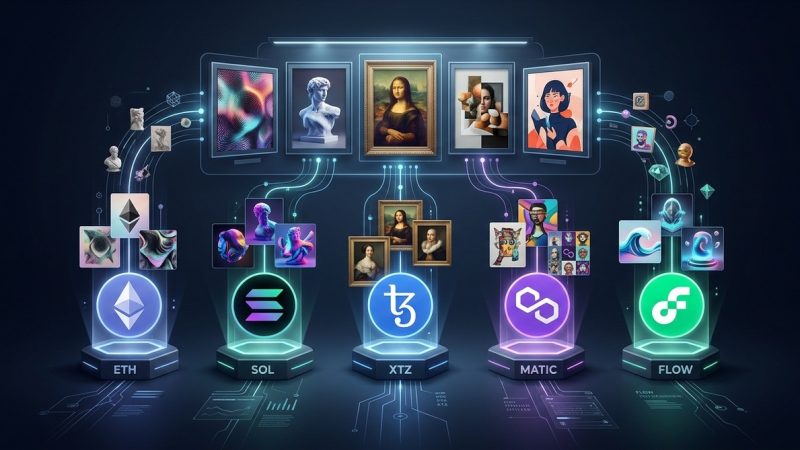
Another reason some collections stay cheap: they launch on newer or alternative blockchains. Ethereum remains the dominant network for digital art, but Layer 2 solutions are making digital art more accessible and lowering minting costs. Projects minted on Polygon, Arbitrum, or Base can offer similar quality at a fraction of the price simply because they aren’t on the main chain yet.
The Research Method: A 3-Step Process to Spot Value
You need a repeatable system. Here is the process I use and one that has helped several friends land early positions in collections that later multiplied in value.
-
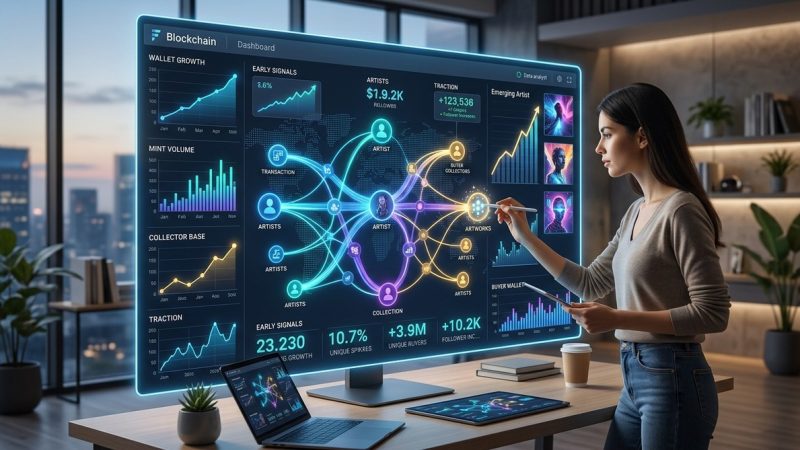
Scan on-chain data for holder health. Look at the number of unique wallets holding the asset and the median holding period. A healthy project will have a growing holder count and an average hold time of more than 30 days. Platforms like Dune Analytics or Nansen can show you these metrics. Avoid collections where a single wallet controls more than 10% of the supply.
-
Evaluate community engagement, not just size. A server with 50,000 members but only 200 active daily conversations is a red flag. Head to Discord or Twitter. Read the tone. Are people asking genuine questions about the project’s future? Are the founders regularly posting updates? Engaged, curious communities tend to attract long-term value. You can also check for 7 red flags every digital collector should watch for before buying to separate heat from substance.
-
Assess future utility beyond the artwork. Does the collection grant access to events, voting rights, or future airdrops? Does it have a roadmap that extends past the initial mint? Undervalued digital collectibles in 2026 often include utility that isn’t fully reflected in the floor price. For example, a project that lets holders influence charitable donations or receive royalties from derivative works can gain attention as the utility goes live.
Red Flags vs. Green Lights: A Comparison
Use this table to quickly evaluate any collection that catches your eye.
| Green Light Signal | Red Flag Signal |
|---|---|
| Holder count growing steadily over weeks | Sudden spike in holders followed by flatline |
| Median hold time above 30 days | Average hold time under 7 days |
| Active, civil community discussions | Spammy chats or heavy bot presence |
| Creator has verifiable prior art or identity | Anonymous creator with no track record |
| Clear royalty structure and smart contract audit | No royalty enforcement or unverified contract |
| Utility already partially live | Promises of utility with no deadlines |
Keep this table bookmarked. It will save you from costly mistakes.
Common Pitfalls to Avoid
Even experienced collectors fall into traps. Here are the ones I see most often when people search for undervalued digital collectibles in 2026.
- Chasing volume spikes. A single wash trade or coordinated pump can create artificial activity. Wait a few days and watch if volume sustains naturally.
- Ignoring gas fees on secondary sales. High transaction costs can eat into profits, especially on Ethereum during congestion. Consider comparing Ethereum, Solana, and Tezos to see which offers the best ROI for collectors.
- Neglecting provenance checks. Verify that the creator’s wallet has a history of honest drops. Some scammers reuse compromised contracts to mint fake editions.
- Overlooking on-chain storage. A collection that stores metadata on IPFS or Arweave is more resilient than one relying on a centralized server. Learn how the role of IPFS in preserving digital art collections forever affects long-term value.
- FOMO buying during a price run. If you didn’t see it before the 50% pump, it’s probably too late to catch the bottom. Wait for a pullback.
Hear From a Collector Who Caught the Wave Early
“I started tracking a small generative art project on Tezos back in January. The artist had a solid following on social media but zero hype on marketplaces. I bought 15 pieces at an average of $12 each. Three months later, after a museum collaboration was announced, the floor hit $800. My edge wasn’t luck. It was noticing that the community was building real tools around the art, like interactive viewing rooms and a DAO for funding education initiatives. That utility was invisible to most traders.”
- Marcus Chen, digital art collector since 2021
Marcus’s story illustrates the core principle: find projects where the fundamentals are strong but the price hasn’t caught up yet. That’s the essence of spotting undervalued digital collectibles in 2026.
Your Next Move: Building a Watchlist
Start small. Pick two or three collections that pass the green light signals from the table above. Set alerts for their floor prices and follow their official social channels. Spend 10 minutes each day scanning on-chain data for holder changes. Over time, you will develop an instinct for what an undervalued opportunity feels like.
Remember that patience beats speed. The best investments in digital collectibles rarely happen overnight. They emerge from consistent research and a willingness to ignore the noise. If you want to go deeper, our guide on how to identify undervalued digital collections before they trend breaks down additional advanced techniques like sentiment analysis and smart contract inspection.
The next big hidden gem is out there right now. Your job is simply to find it before the crowd does.