Emerging Trends in Web3 Art Platforms for 2026
Digital artists, crypto enthusiasts, Web3 developers, and investors are all eyeing the landscape of blockchain-based art in 2026. The space continues to evolve rapidly, driven by technological breakthroughs and shifting cultural attitudes. As the digital art world becomes more integrated with blockchain, understanding emerging trends in Web3 art platforms is essential to stay competitive and innovative. This year promises new ways to create, collect, and engage with digital art that redefines ownership and authenticity.
In 2026, Web3 art platforms are transforming how digital art is created, collected, and valued. Innovations in interoperability, AI integration, and community ownership are leading the charge. Staying informed about these trends helps artists and collectors leverage new opportunities and avoid pitfalls in the evolving blockchain art ecosystem.
The shift toward immersive and interconnected platforms
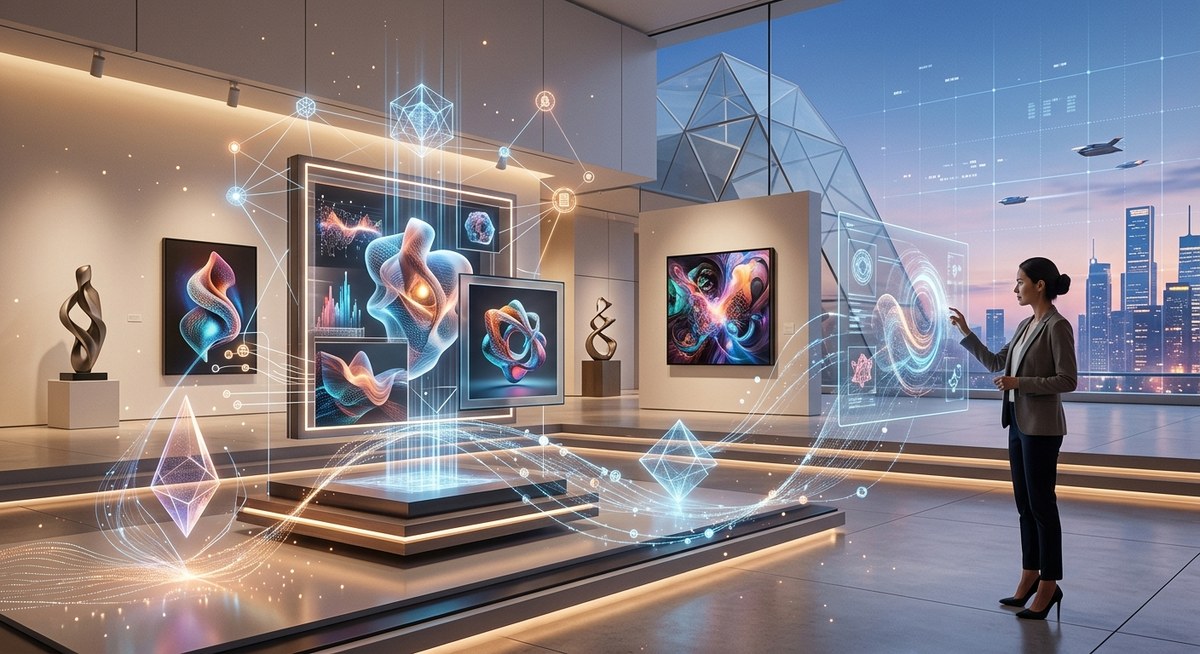
This year, Web3 art platforms are moving beyond simple marketplaces. They are becoming immersive environments that blend virtual reality, augmented reality, and social features. Platforms are increasingly focusing on creating multi-sensory experiences, allowing users to explore art in 3D spaces or in the metaverse. Interoperability between different blockchains and platforms is also gaining prominence, making it easier for collectors to manage assets across ecosystems.
Why interoperability is critical
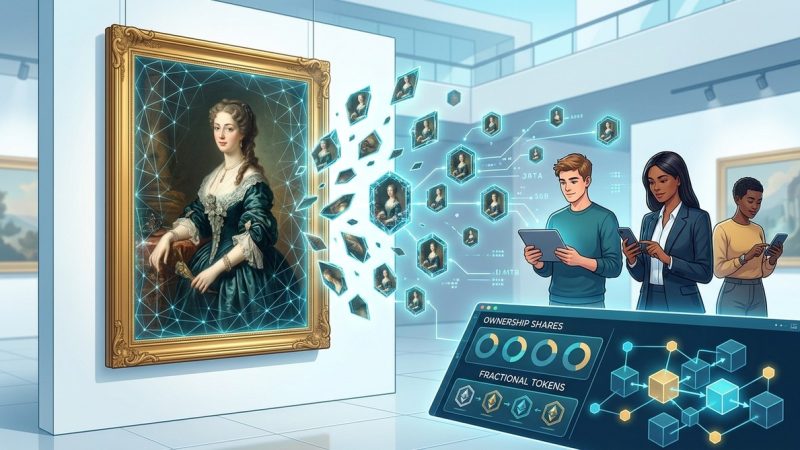
The ability to transfer digital assets seamlessly across platforms reduces friction and enhances liquidity. It also supports fractional ownership and collaborative curation. In 2026, platforms like https://freeport.app/cross-chain-bridges-for-art-nfts-opportunities-and-security-risks-in-2026/ are working to solve these complex issues, enabling a more fluid and accessible digital art market.
Generative art continues to redefine creativity
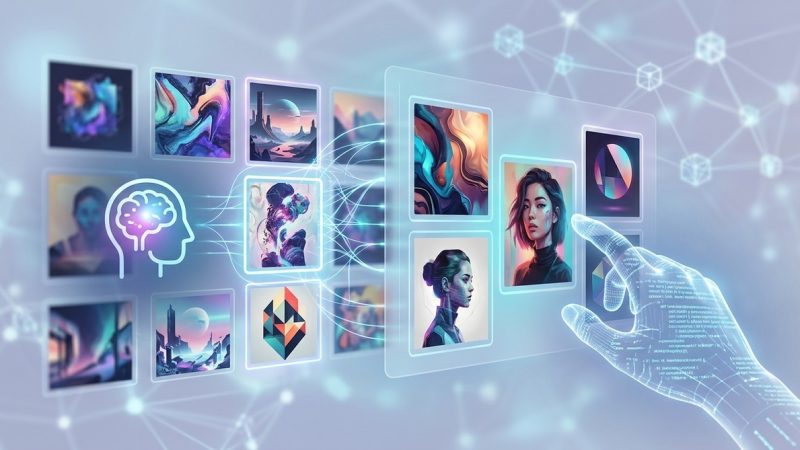
Generative art, where algorithms and code produce unique visual outputs, is reaching new heights. AI-powered tools are giving artists the ability to craft complex, evolving artworks that change over time based on on-chain data. This blend of code and creativity results in pieces that are dynamic and highly personal.
How generative art shapes collections
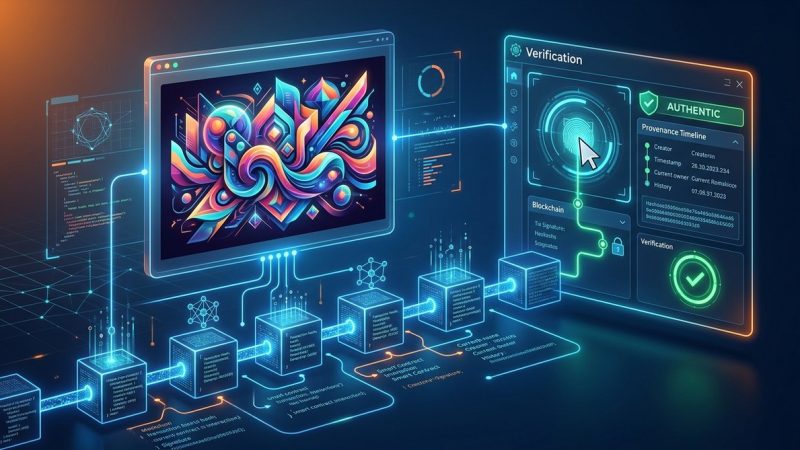
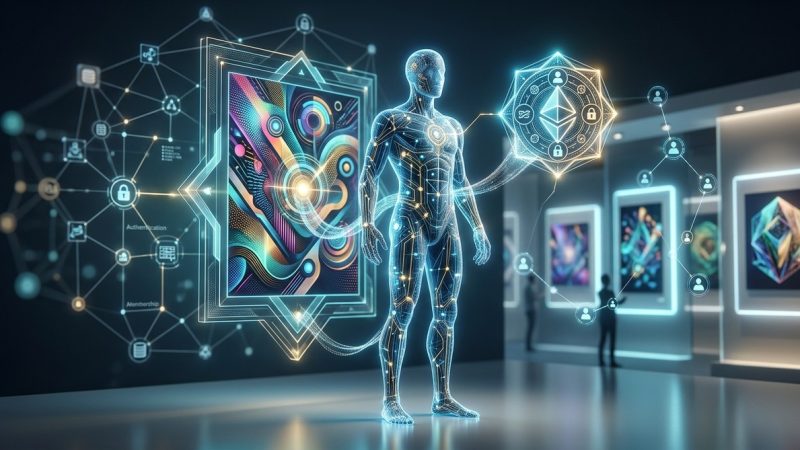
Collectors in 2026 are increasingly valuing these dynamic pieces for their uniqueness and adaptability. Platforms that support generative and AI art are incorporating features that verify authenticity and provenance, addressing common concerns in the digital art community. Techniques like smart contract-based royalties ensure artists are compensated as their generative works evolve.
Embracing decentralization and community ownership
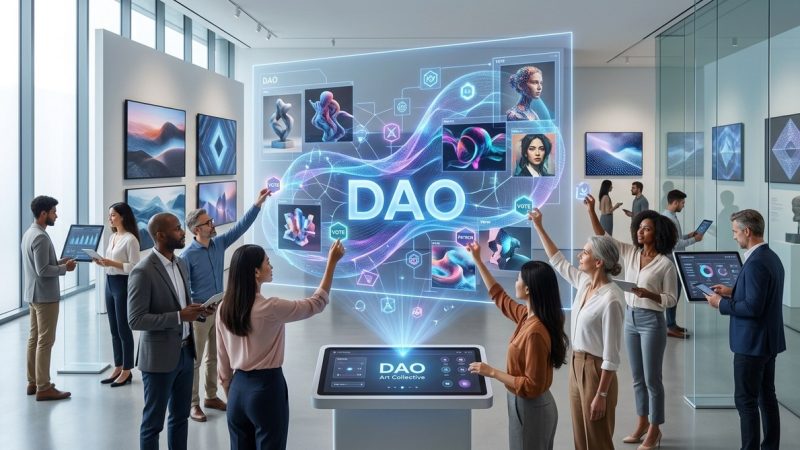
Decentralized autonomous organizations (DAOs) are becoming central to Web3 art platforms. These organizations allow community members to participate in decision-making, curation, and even funding new projects. Community ownership fosters trust and engagement, making platforms more resilient and aligned with artist and collector interests.
Practical steps for participation
- Join an active DAO focused on digital art
- Contribute to governance tokens for voting rights
- Collaborate on curating collections or funding projects
As one industry expert notes, “Decentralization shifts the power dynamics, giving artists and collectors a stake in the platform’s future.”
Technological innovations shaping the art space
Several key developments are fueling growth in Web3 art:
- NFT utility expansion: Art is no longer just about ownership. Platforms are embedding utility — access to exclusive events, physical perks, or membership benefits within NFTs.
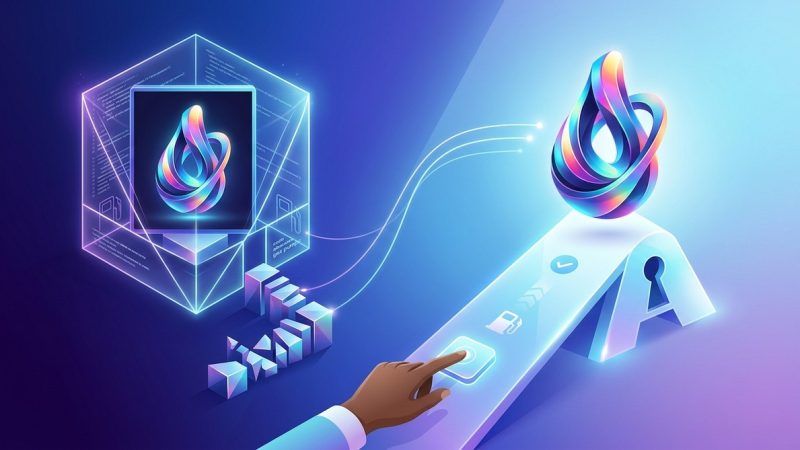
- Layer 2 solutions: To combat high gas fees, platforms are migrating to efficient Layer 2 networks like making transactions faster and cheaper.
- Privacy and security: New privacy-preserving techniques like zero-knowledge proofs are enabling collectors to maintain confidentiality while verifying asset authenticity.
Collection strategies for 2026
Building a valuable digital art collection in 2026 involves more than just buying trending NFTs. It requires a strategic approach:
- Research emerging artists and platforms
- Focus on provenance and authenticity
- Diversify across blockchains and asset types
- Use decentralized storage solutions like https://freeport.app/the-role-of-ipfs-in-preserving-digital-art-collections-forever/ to safeguard your assets
Practical collection steps
- Identify long-term value indicators such as rarity, artist reputation, and community support.
- Engage with platforms that support fractional ownership and liquidity, like
- Stay informed about regulations and platform policies that could impact your holdings.
Techniques and mistakes in Web3 art management
| Techniques | Mistakes |
|---|---|
| Using decentralized storage for permanence | Relying solely on centralized platforms risking loss |
| Participating in DAOs for governance | Ignoring platform security and scam risks |
| Verifying provenance with blockchain records | Overlooking the importance of artist reputation |
| Leveraging Layer 2 networks for transactions | Ignoring gas fees and high transaction costs |
Expert advice on navigating Web3 art
“Always conduct thorough research before investing. Understand the platform’s security measures and the artist’s background. The right approach combines technological awareness with a keen eye for authenticity,” advises blockchain art specialist
The promise of blockchain for future creators and collectors
Innovation in Web3 art platforms in 2026 is opening new avenues for artists and collectors alike. From generative and AI-driven artworks to community governance, the space is becoming more inclusive and dynamic. Platforms are increasingly supporting sustainable practices, reducing environmental impact via proof-of-stake and Layer 2 solutions.
How to stay ahead
- Keep up with platform updates and tech rollouts
- Engage with artist communities on social media and Discord
- Experiment with new tools and formats
- Educate yourself on legal and regulatory shifts that could influence digital ownership
Cultivating your digital art journey
Building a resilient, valuable collection in the Web3 space requires patience and informed decision-making. Focus on understanding the underlying technology and community dynamics. The landscape will continue to shift, but with a clear strategy, you can effectively harness the potential of these emerging platforms.
Final tip
Start small by experimenting with different platforms and assets. Use secure wallets and decentralized storage to protect your investments. As your confidence grows, expand your collection thoughtfully, always verifying authenticity and provenance.
Unlocking the future of digital creativity
The rise of Web3 art platforms in 2026 brings a wave of innovation that democratizes art creation and collection. By understanding trends like interoperability, generative art, and community governance, you can position yourself to thrive in this new digital era. Whether you’re an artist seeking new mediums or a collector aiming for long-term value, embracing these developments will help you navigate the expanding universe of blockchain art confidently.