What Are Fractionalized NFTs and Why Are They Democratizing High-Value Art Investment?
Imagine wanting to invest in a masterpiece by Basquiat or a rare digital artwork by Beeple but finding the price tag to be a million dollars or more. For most people, that dream stays out of reach. The traditional art market has always been a playground for the ultra-wealthy, with entry costs that lock out casual investors and enthusiasts. But what if you could buy just a small piece of that artwork for a few hundred dollars? That is the promise of fractional NFTs. By splitting a single NFT into smaller, tradeable tokens, the world of high-value art is finally opening its doors to everyone.
Fractional NFTs break a high-value digital or physical artwork into many smaller tokens, allowing multiple people to own a share. This process lowers the entry barrier from millions to a few hundred dollars. It uses smart contracts to manage ownership, voting rights, and resale. While it democratizes access, investors must watch for regulatory concerns and liquidity risks.
What Exactly Are Fractional NFTs?
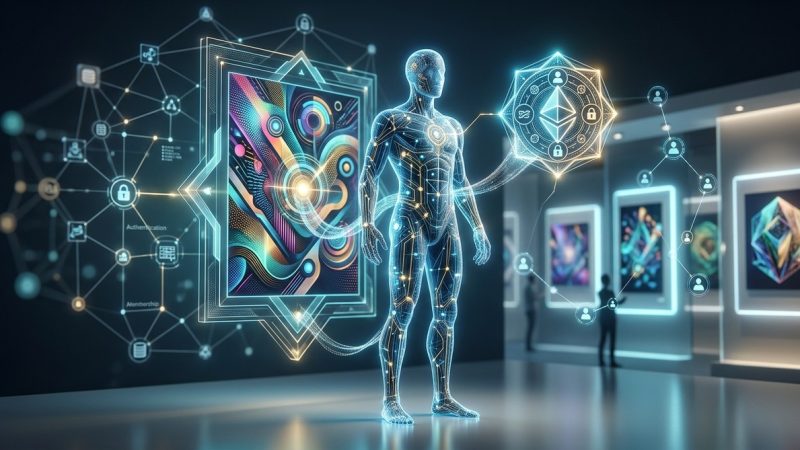
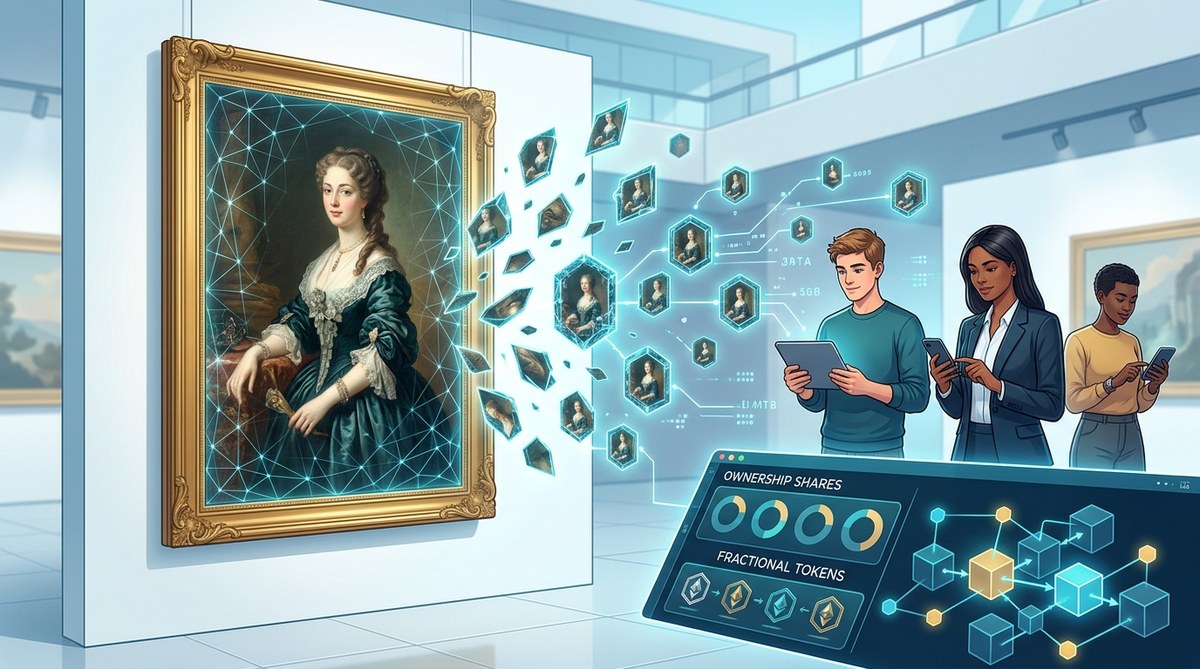
At its core, a fractional NFT is a digital token that represents a partial ownership stake in a larger NFT. Think of it like buying shares in a company. You do not own the whole company, but you own a piece of its value. The original NFT, which might represent a digital painting or a tokenized physical artwork, is locked in a smart contract. That contract then issues a fixed number of new tokens. Each token is a claim on a fraction of the original asset.
This process turns a non-fungible token (unique) into something fungible (interchangeable). If an artwork is split into 10,000 fractions, each fraction is identical in value and rights. You can trade your fraction on secondary markets just like you would trade a stock. This is a huge shift from the traditional model where one person holds the entire deed to a painting.
For a deeper look at the technology behind this, check out our guide on how smart contracts are revolutionizing art ownership and provenance.
How Fractionalization Actually Works
The process is straightforward, but it relies on robust blockchain infrastructure. Here is how a high-value artwork gets turned into hundreds or thousands of investable pieces.
-
Valuation and Acquisition: A platform or a DAO (Decentralized Autonomous Organization) identifies a high-value artwork. They negotiate a price, often verified by third-party appraisers. The group then purchases the artwork using pooled funds from a treasury.
-
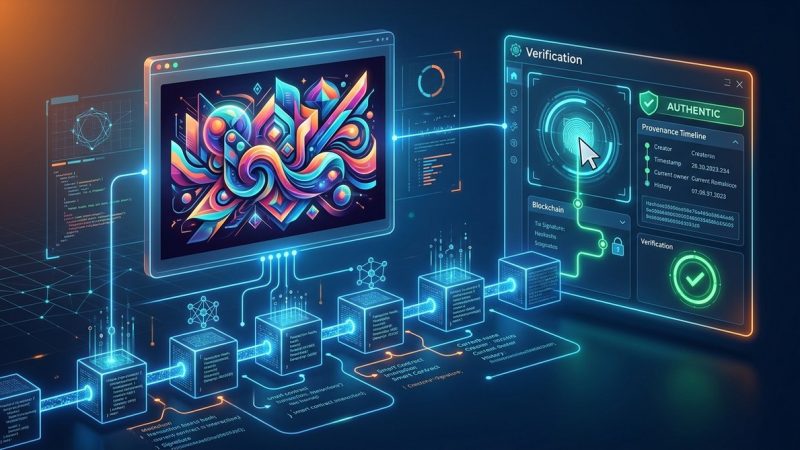
Minting the Master NFT: The artwork, whether digital or physical (with a digital certificate), is minted as a single NFT on a blockchain like Ethereum. This master token contains the metadata, provenance, and proof of ownership.
-
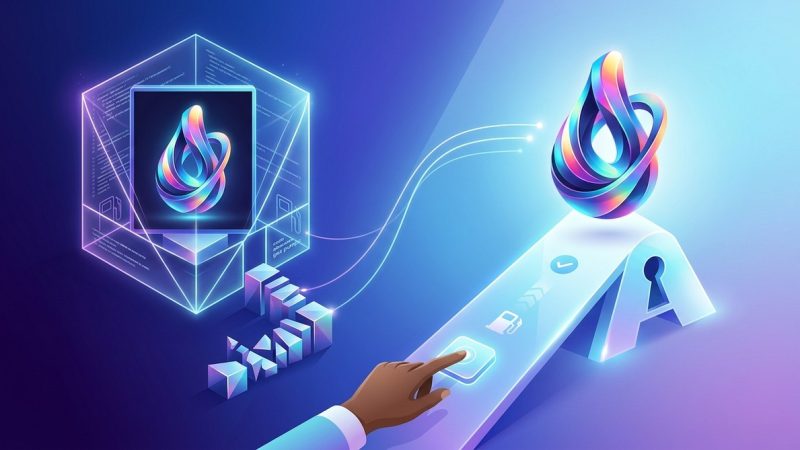
Locking and Splitting: The master NFT is sent to a smart contract specifically designed for fractionalization. This contract locks the NFT so it cannot be moved or sold individually. It then mints a predetermined number of new ERC-20 tokens. Each token represents a share of the locked master NFT.
-
Offering and Trading: These fractional tokens are offered for sale on a marketplace. Investors buy them with cryptocurrency. Once purchased, the tokens can be held, traded on decentralized exchanges, or used in DeFi protocols. The smart contract also handles any future decisions, like if the group wants to sell the original artwork.
Benefits of Owning a Fraction of a Masterpiece
Why would someone choose a fractional NFT over buying a whole piece of art? The reasons are practical and strategic.
- Lower Entry Barrier: You can invest in a $10 million artwork for $100. This opens up an asset class that was previously reserved for billionaires and institutions.
- Portfolio Diversification: Instead of buying one cheap NFT, you can own fractions of ten different blue-chip artworks. This spreads your risk across different artists and styles.
- Increased Liquidity: Selling a whole painting can take months or years. Selling a fraction of an NFT on a decentralized exchange can happen in minutes. This makes art a more liquid asset.
- Shared Custody and Storage: You do not have to worry about storing a physical painting or securing a cold wallet for a single high-value NFT. The platform or DAO handles the security for the master asset.
- Voting Power: Many fractional models give token holders voting rights on key decisions, such as loaning the artwork to a museum or accepting a buyout offer. You get a say in the asset’s future.
The Risks and Challenges You Need to Know
Fractional NFTs are not without their pitfalls. Before you invest, understand the potential downsides.
- Regulatory Uncertainty: In the United States, fractional NFTs that represent shares of an asset can be classified as securities. This means they fall under SEC regulations. Platforms must comply, or investors could face legal complications.
- Reconstitution Problem: What happens if a majority of token holders want to sell the original NFT? Reconstituting the master NFT from its fractions requires a consensus mechanism. If the group cannot agree, your capital could be locked up for a long time.
- Valuation Disputes: The value of the underlying artwork can fluctuate. If the art market dips, your fractions lose value. Unlike stocks, there is no guaranteed market maker for art.
- Smart Contract Risks: Bugs in the smart contract code could lead to lost funds or locked tokens. Always verify that the contract has been audited by a reputable firm.
- Platform Dependency: If the platform that issued the fractions shuts down, what happens to your tokens? You should understand what happens to your blockchain art when the platform shuts down.
Fractional vs. Traditional Ownership: A Side-by-Side Look
This table breaks down the key differences between the old way and the new way of owning art.
| Feature | Traditional Art Ownership | Fractional NFT Ownership |
|---|---|---|
| Entry Cost | Very high (often $100k+) | Low (can be under $100) |
| Liquidity | Low (slow sales process) | High (trade on exchanges) |
| Custody | Personal (vault, insurance) | Shared (platform handles it) |
| Decision Making | Sole owner decides | Token holders vote |
| Regulation | Minimal (private sale) | High (potential SEC rules) |
| Accessibility | Exclusive to wealthy | Open to retail investors |
A Step-by-Step Guide to Your First Fractional NFT Purchase
Ready to try it? Follow these steps to make your first purchase safely.
- Choose a Reputable Platform: Look for platforms that have been around for a while and have a track record of successful fractionalizations. Check if they have undergone third-party audits.
- Do Your Due Diligence: Read the smart contract terms. Understand the voting rights, the fees, and the process for selling the underlying asset. Look for a clear guide to evaluating provenance in NFT art markets.
- Set Up a Web3 Wallet: You will need a wallet like MetaMask or WalletConnect to interact with the platform. Fund it with the necessary cryptocurrency, usually ETH or a stablecoin.
- Purchase and Store: Buy the fraction. Store the token in your wallet. Keep your seed phrase safe. If you lose access, you lose the token.
- Monitor the Community: Join the project’s Discord or governance forum. Stay informed about votes and proposals. Passive ownership can lead to missed opportunities.
Common Mistakes New Fractional NFT Investors Make
Avoid these errors to protect your capital.
- Ignoring the Lockup Period: Some fractions cannot be traded for a set time after purchase. Check the contract to avoid getting stuck.
- Overlooking Fees: Platforms charge fees for buying, selling, and sometimes for voting. These can eat into your returns.
- Chasing Hype: Do not buy fractions of an artwork just because it is popular. Understand the artist’s market and the artwork’s provenance.
- Forgetting About Taxes: The IRS treats NFTs as property. Selling a fraction for a profit is a taxable event. Keep records of every transaction.
“Fractional NFTs are not just a financial instrument; they are a cultural shift. They allow a generation of digital natives to participate in art patronage in a way that was previously impossible. But remember, with shared ownership comes shared responsibility. Always read the fine print.” – A Web3 art advisor.
The Future of Fractionalized Art Investment
We are still in the early days. As we move through 2026, we are seeing more institutional interest. Museums are exploring fractional models to fund acquisitions. Artists are using them to sell shares in future royalty streams. The technology is also becoming more sophisticated, with layer 2 solutions making digital art more accessible and reducing transaction costs.
However, the biggest hurdle remains regulation. The SEC is paying close attention. The platforms that survive will be those that work within the law, offering clear disclosures and investor protections. For the savvy retail investor, this is a moment to learn, participate, and build a position in a market that is still finding its footing.
How to Start Building Your Fractional Collection Today
If you are ready to take the plunge, start small. Pick one artwork from a well-known artist on a platform you trust. Buy a single fraction. Experience the process of holding, voting, and perhaps selling. This small step will teach you more than reading a hundred articles. Use the knowledge you gain to gradually build a diversified collection of fractions. The goal is not to get rich overnight. It is to own a piece of art history and to participate in a movement that is reshaping how we think about value and ownership.