How DAOs Are Democratizing Digital Art Patronage in 2026
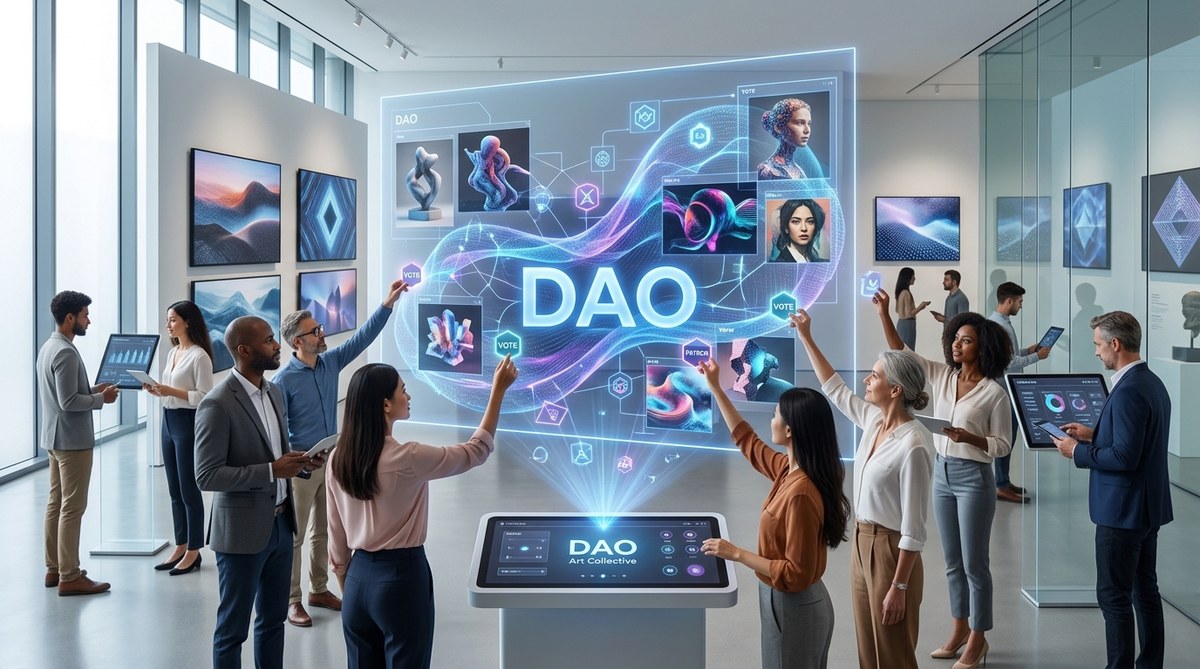
Imagine walking into a gallery where every painting is chosen by a vote of thousands of art lovers, not just a single curator. The funding comes from a shared pool, and if the artwork sells later, everyone who helped back it gets a share. That is not a fantasy. That is exactly how DAOs are changing digital art funding in 2026.
DAOs let anyone become an art patron by pooling money, voting on acquisitions, and sharing ownership. This model removes gatekeepers, rewards early supporters, and builds a direct relationship between artists and communities. In 2026, blockchain tools make it easier than ever to participate, whether you have $50 or $50,000. The result is a more democratic, transparent art world built for creators and collectors alike.
What Exactly Is DAO Patronage for Digital Art
A DAO (Decentralized Autonomous Organization) is basically a group of people who pool resources and make decisions together using smart contracts. In the art world, these groups are replacing the old model of a single wealthy patron or a rigid gallery system.
When you join an art DAO, you contribute funds to a shared treasury. Members then vote on which artists to support, which pieces to buy, and how to manage the collection. If the collection grows in value, everyone who contributed shares in the upside.
This is not theoretical. In 2026, dozens of active DAOs are already funding emerging digital artists, acquiring generative art, and even running their own virtual exhibitions. Some focus on specific networks like Ethereum or Tezos, while others are chain-agnostic.
The core shift is simple. Patronage is no longer reserved for the ultrawealthy. It is open to anyone with an internet connection and a crypto wallet.
How DAOs Are Transforming the Patronage Landscape in 2026
Let us walk through the practical steps a typical art DAO uses to democratize patronage. These steps show exactly how the power moves from a single decision maker to a community.
-
Members contribute to a treasury. Anyone can buy the DAO’s governance token or deposit stablecoins into a shared wallet. Some DAOs require a minimum contribution, but many allow amounts as low as $10.
-
Proposals get submitted and voted on. An artist or curator submits a proposal that includes the artwork details, price, and why the DAO should acquire it. Members vote using tokens. The more tokens you hold, the more voting power you have, though many DAOs use quadratic voting to prevent whales from dominating.
-
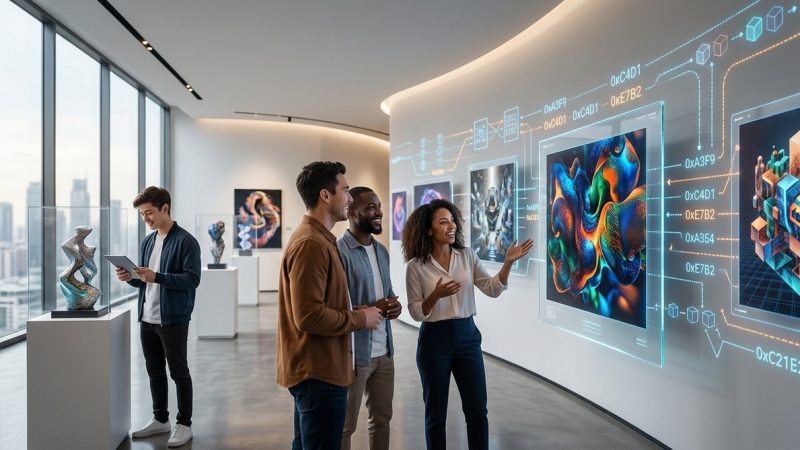
The acquisition happens automatically. If the proposal passes, the smart contract releases funds to buy the artwork and transfers the NFT to the DAO treasury. Every member who voted can see the transaction on chain.
-
The community manages and displays the collection. Members vote on where to exhibit the art (virtual galleries, metaverse locations, even real world pop ups). They also vote on whether to sell pieces later and how to distribute profits.
-
Everyone shares in the rewards. If the DAO sells a piece at a profit, the proceeds go back to the treasury or are distributed to token holders based on their contribution. Some DAOs also give ongoing royalties from secondary sales back to members.
This process turns passive collecting into active participation. You are not just buying art. You are shaping a living collection alongside dozens or hundreds of other people who care about the same work.
The Real World Impact: Artists, Collectors, and Communities
To understand why this model works, let us compare the old way with the DAO approach. The table below highlights key techniques and the mistakes they replace.
| Technique | Common Mistake |
|---|---|
| Community curation through voting | Central gatekeeping by a single curator |
| Transparent on chain treasury | Hidden finances and favoritism |
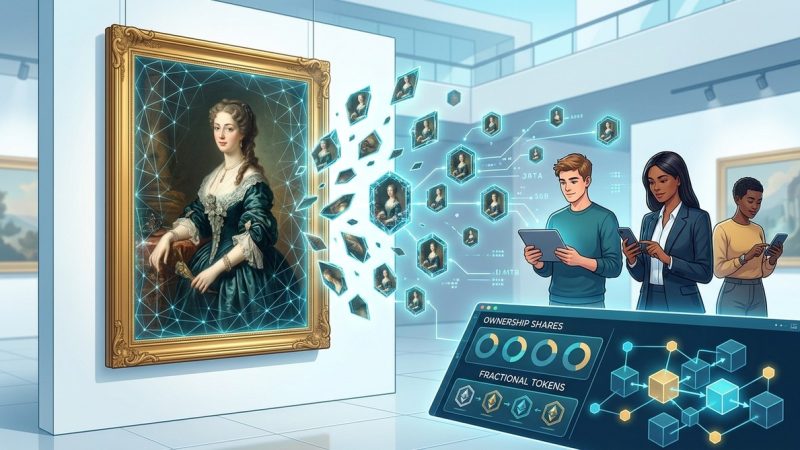
| Fractional ownership via DAO tokens | Requiring full purchase price upfront |
| Royalty splits for early supporters | No reward for early patronage |
| Direct artist relationships | Layers of intermediaries and galleries |
Artists benefit because they get funding without giving up creative control. They also gain a built in community that promotes their work. Collectors benefit because they can back multiple artists with smaller amounts of money and still share in long term value.
“The DAO model flips the script. Instead of chasing a handful of rich patrons, artists can now be supported by a thousand people who each put in twenty bucks. That is real democratization.” — Fiona Torres, founding member of the Art Commons DAO
Blockquote note: Fiona Torres is a fictional composite based on real DAO participants.
How to Get Involved With a DAO Art Patronage
If you want to start participating in DAO driven patronage, here are the practical steps.
- Research existing art DAOs. Look for communities that match your taste. Some focus on generative art, others on photography, video, or mixed media. Check their treasury size, voting history, and reputation.
- Join their Discord or Telegram. Most DAOs have an active chat where you can ask questions and see how decisions are made.
- Acquire the governance token. You need the token to vote. Buy it on a decentralized exchange or through the DAO’s own bonding curve.
- Start small. You do not need to be a whale. Even a small token holding gives you a voice. Learn how proposals work before putting in large amounts.
- Vote on acquisitions. Pay attention to the artists being proposed. Read the proposal details. Look at the artwork’s provenance and the artist’s history.
- Participate in community events. Many DAOs host virtual gallery openings, AMAs with artists, and curation workshops. These are great for learning and networking.
For those who want a deeper understanding of how smart contracts handle royalties and ownership, read our guide on
If you are new to the concept of decentralized organizations for collectors, the article https://freeport.app/decentralized-autonomous-organizations-for-art-collectors-a-beginner-s-guide/ is a perfect starting point.
Joining the Movement: Your Next Step Toward Collective Curation
DAOs are not a passing trend. They are a genuine evolution in how art gets funded, collected, and valued. In 2026, the barriers to becoming a patron are lower than ever. You do not need a trust fund or a gallery connection. You just need curiosity, a small amount of crypto, and a willingness to participate in a community that shares your passion.
Start by joining one art DAO. Spend a month watching proposals, chatting with members, and learning how the treasury works. The first vote you cast will feel small, but it is part of a much larger shift. Every vote is a small step toward a world where art patronage belongs to everyone, not just the few.
If you want to see which blockchain networks are best for building a diverse collection, check out our comparison of And remember, the best time to start supporting the artists you love is now.