The Rise of Generative Art on the Blockchain: How to Identify Algorithmic Masterpieces for Your Collection
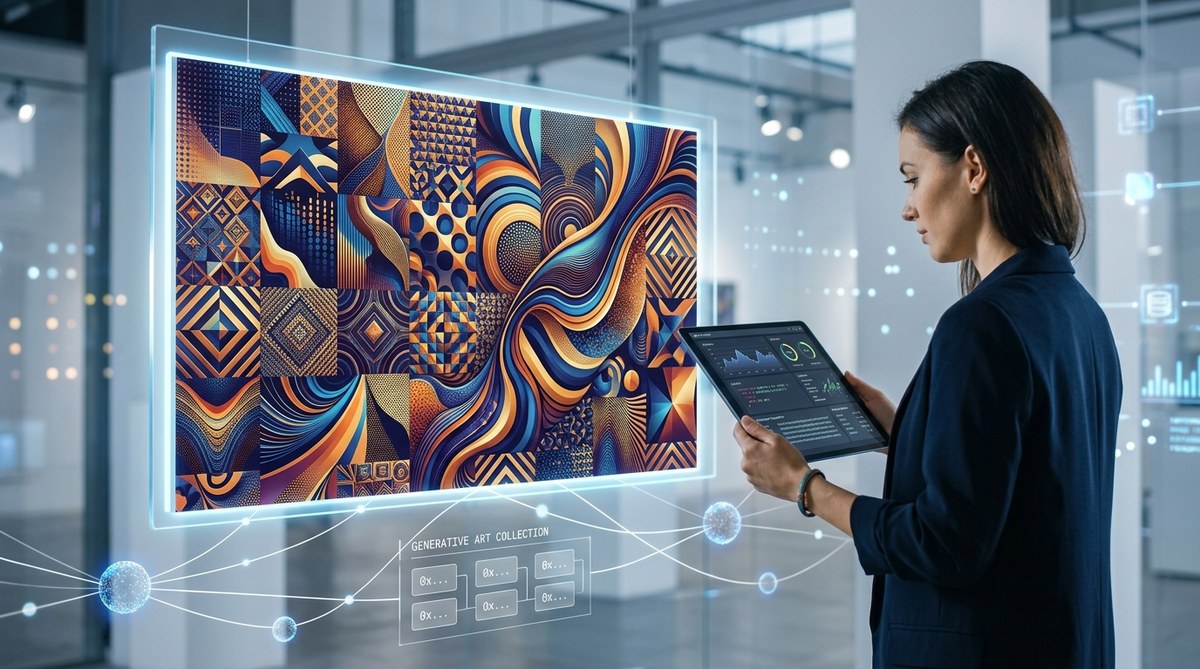
The market for generative art on the blockchain has matured faster than most people predicted. What started as an experimental niche for crypto-native coders has become one of the most respected corners of the digital art world. Museums are acquiring on-chain works. Traditional collectors are adding algorithmically generated pieces to their portfolios. And the artists behind these projects are commanding prices that rival established contemporary names.
But here is the challenge. Not every piece of generative art is worth collecting. The space is flooded with projects that look impressive at first glance but lack the technical rigor, artistic vision, or long-term staying power of true algorithmic masterpieces. If you are a crypto-savvy collector looking to build a meaningful collection, you need a framework for separating the signal from the noise.
Identifying a high-value generative art piece on the blockchain requires looking beyond the visual output. You need to evaluate the artist’s coding philosophy, the originality of the algorithm, the on-chain storage method, the rarity of the traits, and the community’s long-term engagement. This guide gives you a repeatable process for curating algorithmic masterpieces that hold their value over time.
Why Generative Art Belongs in Your Blockchain Collection
Generative art is not a trend. It is a distinct artistic medium where the artist writes code that produces visual outcomes. The artist sets the rules, defines the variables, and then lets the algorithm generate variations within those constraints. The blockchain adds a layer of permanence and provenance that traditional digital art has always lacked.
When you collect generative art on-chain, you are not just buying a static JPEG. You are acquiring the entire generative system. The code lives on the blockchain. Anyone can verify it. Anyone can regenerate the exact artwork from the original algorithm. That is a level of transparency that physical art cannot match.
This is why serious collectors are paying attention. The combination of algorithmic creativity and blockchain verification creates a new category of art that is both technically innovative and culturally significant. If you want to understand why museums are building blockchain art collections, look at the generative art movement. It is the most intellectually rigorous corner of the NFT space.
What Makes an Algorithmic Masterpiece
Not all generative art is created equal. Some projects are simple color palettes with random noise. Others are deeply complex systems that produce infinite variations with genuine aesthetic depth. Here are the qualities that separate a masterpiece from a gimmick.
Artistic intent behind the code. The best generative artists are not just programmers. They are visual artists who happen to code. They think about composition, color theory, and emotional impact. When you look at a piece from a top artist like Tyler Hobbs or Dmitri Cherniak, you can feel the intentionality. The algorithm is not just generating random shapes. It is exploring a specific visual hypothesis.
Technical originality. Does the artist use a novel approach, or are they rehashing existing techniques? The most valuable works introduce new algorithms, new ways of handling randomness, or new on-chain rendering methods. Originality in the code translates to originality in the output.
On-chain completeness. A masterpiece stores its entire rendering logic on the blockchain. If the artwork requires external servers, APIs, or centralized storage to render correctly, it is vulnerable to link rot. The best projects use fully on-chain rendering, meaning the code and all dependencies live permanently on Ethereum or another blockchain. This is a major factor in long-term value.
Output range and rarity. Generative art projects usually produce multiple outputs from the same algorithm. Some traits are rarer than others. A piece with a unique color palette, an unusual composition, or a rarely seen parameter combination will be more valuable than a common variation. Understanding trait rarity is essential for valuation.
How to Evaluate Generative Art Before You Buy
You need a repeatable process. Do not buy on impulse. Do not buy because of hype on social media. Use this numbered checklist every time you consider a purchase.
-
Verify the on-chain storage. Check whether the artwork stores its rendering code on-chain or relies on external IPFS links. Open the transaction history and look for the contract address. If the project uses a platform like Art Blocks, you can verify the generator code directly. If the code is not on-chain, ask yourself what happens if the hosting service disappears.
-
Study the artist’s body of work. Look at their entire portfolio, not just the piece you are considering. Do they have a consistent artistic voice? Have they been active in the generative art community for years? Emerging artists can be great investments, but you want to see a trajectory of growth. Read our guide on 7 Blockchain Artists Redefining Contemporary Digital Art in 2026 for names to watch.
-
Analyze the trait distribution. Use on-chain analytics tools to see how rare the specific traits are in your target piece. A project might have 1,000 total outputs, but only 10 have a specific color combination or structural pattern. Rarity does not guarantee quality, but it is a strong indicator of potential secondary market demand.
-
Check the secondary market history. Look at recent sales on platforms like OpenSea or LooksRare. Is the floor price stable or declining? Are collectors holding onto their pieces or flipping them quickly? Healthy collections show consistent demand and low churn.
-
Assess the community and curator interest. Are established collectors and curators talking about this artist? Has the work been featured in a museum or gallery show? Institutional validation matters, even in the decentralized art world. If major curators are paying attention, the work has cultural weight.
Red Flags Every Collector Should Watch For
The generative art market has matured, but bad actors still exist. Here are the warning signs that a piece is not worth your money.
- The code is not verifiable on-chain.
- The artist has no track record and no community presence.
- The visual output looks like a copy of an existing, more famous project.
- The project promises utility or staking rewards rather than focusing on the art itself.
- The community is mostly bots or accounts with no history.
- The floor price has dropped consistently over the past six months.
If you see any of these red flags, walk away. There are plenty of genuine algorithmic masterpieces to collect. Do not settle for a project that cuts corners.
On-Chain Storage: The Most Important Technical Factor
This cannot be overstated. The way a generative art project stores its code determines whether it will be viewable in 10 years or 50 years. There are three main approaches, and they are not equal.
| Storage Method | How It Works | Risk Level | Collector Verdict |
|---|---|---|---|
| Fully on-chain | Code and dependencies stored directly on the blockchain | Low | Best choice for long-term collecting |
| IPFS with pinning | Code stored on IPFS, pinned by a service | Medium | Good if the pinning service is reputable |
| Centralized server | Code stored on a private server | High | Avoid for serious collections |
The industry standard for high-value generative art is fully on-chain storage. Platforms like Art Blocks have pioneered this approach, and it is now the benchmark for serious projects. If you want to understand the technical details, read our guide on The Role of IPFS in Preserving Digital Art Collections Forever.
Understanding the Artist’s Role in Value
Generative art is unique because the artist’s role continues after the mint. The best artists are active in their communities. They participate in discussions. They release updates to their algorithms. They collaborate with museums and galleries. An artist who disappears after a drop is a risk. An artist who continues to build their practice is a safer bet.
“The most valuable generative artists treat their code as a living practice, not a one-time product. They iterate. They refine. They engage with collectors as partners in the artistic process.” – curator specializing in digital art
This is why you should pay attention to an artist’s long-term trajectory. An artist who has been coding generative systems for five years and shows consistent growth is more likely to produce work that appreciates than someone who drops a single collection and vanishes.
Building a Cohesive Generative Art Collection
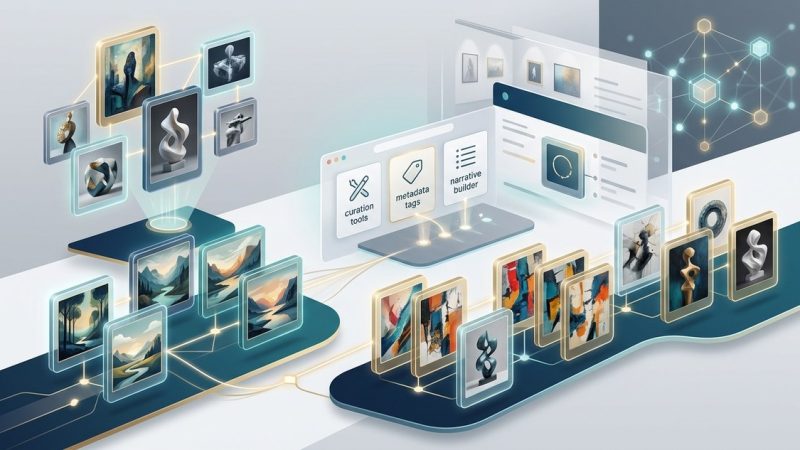
Buying individual pieces is fine, but the most impressive collections tell a story. Think about how your pieces relate to each other. Do you favor a specific color palette? A particular algorithmic technique? A set of artists who influence each other? A thematic collection is more valuable than a random assortment.
Consider curating around a concept. For example, you might collect works that all use Perlin noise as a core structural element. Or pieces that explore the tension between order and chaos. Or works from a specific year when generative art reached a technical milestone.
If you need inspiration, look at how museum curators build exhibitions. They do not just hang random paintings. They create conversations between pieces. Your blockchain collection should do the same.
Practical Tips for Long-Term Storage and Security
Once you own a piece, your responsibility is to preserve it. The blockchain stores the code, but you still need to manage your wallet and access. Here are the basics.
- Use a hardware wallet for high-value pieces. Software wallets are convenient, but they are more vulnerable to attacks.
- Back up your seed phrase in multiple physical locations. Do not store it digitally.
- Keep a record of every piece you own, including the contract address, token ID, and purchase date.
- Consider using a multisig wallet for your entire collection. This adds an extra layer of security.
For a complete breakdown of best practices, read The Complete Guide to Storage and Security for High-Value Digital Assets.
Your First Three Steps as a Generative Art Collector
You have the knowledge. Now it is time to act. Here is a simple roadmap to get started.
-
Spend two weeks just observing. Follow the top generative artists on social media. Join Discord communities. Watch the secondary market for patterns. Do not buy anything yet.
-
Choose one artist whose work resonates with you. Study their entire portfolio. Understand their algorithm. Read their interviews. If possible, talk to other collectors who own their work.
-
Make your first purchase with intention. Buy one piece that represents the best of that artist’s output. Do not try to build a collection overnight. One great piece is better than ten mediocre ones.
The Future of Generative Art on the Blockchain
The generative art market in 2026 is more sophisticated than it was even two years ago. More collectors understand the technical nuances. More artists are pushing the boundaries of what on-chain code can produce. And more institutions are treating these works as legitimate cultural artifacts.
The collectors who succeed in this space are the ones who treat it with the same seriousness they would apply to any other art market. They do their research. They understand the technology. They build relationships with artists and other collectors. And they think in terms of decades, not months.
If you are ready to start building your collection, there has never been a better time. The market is mature enough to have standards and benchmarks, but still young enough that early adopters can discover emerging talent before the mainstream catches on.
Building a Collection That Outlasts Trends
The best generative art collections are not driven by hype. They are driven by genuine appreciation for the craft. When you buy a piece because you truly love the algorithm and the visual output, you are making a decision that will hold up over time. Trends fade. Quality endures.
Focus on the artists who are pushing the medium forward. Focus on the projects that demonstrate technical excellence and artistic vision. Focus on building relationships within the community. That is how you build a collection that matters.
Now go out there and find your first algorithmic masterpiece. The blockchain is waiting.