Why Blockchain Art Is Becoming the Ultimate Hedge Against Inflation in 2026
Inflation is eating away at cash reserves, and traditional hedges like gold and real estate are starting to feel crowded. Meanwhile, a new asset class has quietly matured into something serious: blockchain art. In 2026, it is not just about owning a cool digital file. It is about owning a provably scarce, globally liquid, and historically transparent asset that moves independently of the stock market. Wealthy collectors and crypto-savvy investors are already pivoting their portfolios toward blockchain art as a strategic inflation hedge, and the data backs them up.
Blockchain art works as an inflation hedge in 2026 because it combines provable digital scarcity, global liquidity, and a track record that is immune to forgery. Unlike physical art, you can trade it 24/7 across borders. Unlike crypto tokens, its value is tied to artistic merit and cultural significance. Smart collectors are treating it as a serious portfolio diversifier, not a speculative gamble.
Why Inflation Makes Blockchain Art More Attractive
When the dollar loses purchasing power, investors look for assets that hold or increase in value. Physical art has been a go to for decades, but it comes with friction: high storage costs, slow sales, authentication headaches, and a market that only moves during business hours. Blockchain art solves all of those problems.
Because each piece is tokenized on a public ledger, you can verify its authenticity in seconds. You do not need a third party appraiser to tell you whether a work is real. The blockchain does that work for you. And because the market is global and operates around the clock, you can sell a piece to a buyer in Tokyo while you sleep in New York.
Inflation also pushes investors toward assets with capped supply. Many blockchain art collections have a fixed number of editions, and some are one of a kind. That scarcity is encoded at the protocol level. No one can print more copies. That is a powerful feature when central banks are printing money at record rates.
How Blockchain Art Preserves Value During Inflationary Periods
There are three main mechanisms that make blockchain art a reliable store of value when inflation spikes.
Provable Scarcity and Immutable Provenance
Every transaction in a blockchain art piece is recorded permanently. You can trace the entire ownership history from the artist’s wallet to your own. That transparency eliminates the doubt that plagues the traditional art market. You never have to wonder if a piece is stolen or if the provenance has been faked.
This trust factor is huge. In 2026, collectors are paying premiums for works with clean, on chain provenance. A piece that has been held by respected collectors and displayed in virtual galleries carries a verifiable pedigree that adds to its value.
Global Liquidity Without Middlemen
Physical art can take months to sell. You have to ship it, insure it, and pay auction house commissions that can hit 20% or more. Blockchain art moves differently. You can list a piece on a marketplace and have it sell within minutes. Settlement happens on chain, and you control your own custody.
That liquidity is a lifeline during inflationary periods. If you need to raise cash to cover expenses or rebalance your portfolio, you are not stuck waiting for a gallery to find a buyer. You can exit a position in hours, not months.
Decentralized Storage and Censorship Resistance
Your blockchain art does not sit in a bank vault or a storage unit. It lives on a decentralized network like IPFS or Arweave. No single entity can seize it, freeze it, or lose it. That makes it a true hedge against systemic risk.
If you are worried about currency devaluation or even broader economic instability, holding assets that no government can confiscate is a powerful insurance policy.
A Step by Step Process to Start Using Blockchain Art as an Inflation Hedge
If you are ready to add blockchain art to your portfolio, here is a practical process that works in 2026.
-
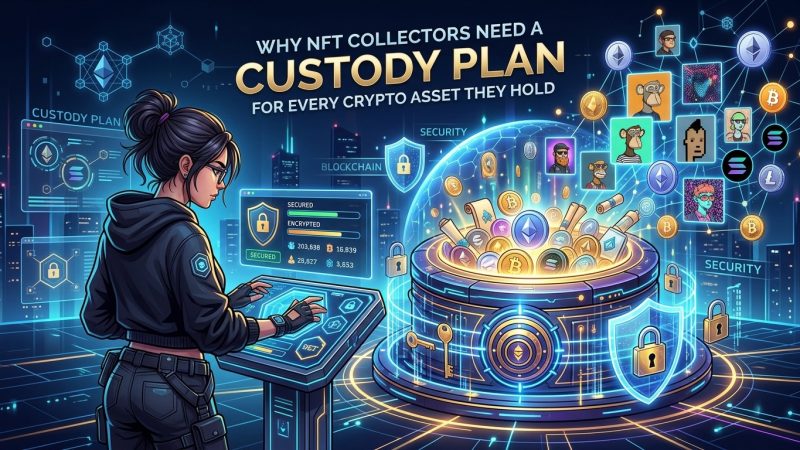
Set up a self custodial wallet. Use a hardware wallet like a Ledger or Trezor for high value pieces. Never leave art on an exchange. You want full control over your private keys.
-
Choose a blockchain with low fees and strong art communities. Ethereum still hosts the most blue chip collections, but layer 2 solutions like Arbitrum and Base are gaining ground. Solana and Tezos also have vibrant art scenes with lower transaction costs.
-
Research collections with proven track records. Look for artists who have been active for at least two years and have secondary market sales that hold value during downturns. Avoid hype driven projects with anonymous teams.
-
Diversify across artists and styles. Do not put all your capital into one collection. Spread your buys across generative art, 1/1 pieces, and curated drops from established platforms.
-
Store your art in decentralized storage. Make sure the metadata and image files are pinned on IPFS or stored on Arweave. Do not rely on a marketplace to host your files. If the marketplace goes down, your art should still be accessible.
-
Track your cost basis and tax obligations. The IRS treats NFTs as property, so every sale is a taxable event. Use a portfolio tracker that integrates with tax software to stay compliant.
Common Mistakes That Undermine the Hedge
Even experienced investors make errors when collecting blockchain art. Here are the most common pitfalls and how to avoid them.
| Mistake | Why It Hurts | How to Avoid It |
|---|---|---|
| Buying only floor price pieces | Floor pieces often lack artistic significance and drop hardest in bear markets | Focus on rare traits and works from established artists |
| Storing art on a marketplace | If the marketplace shuts down, you could lose access | Always withdraw to a self custodial wallet |
| Ignoring gas fees | High minting costs eat into your returns | Use layer 2 networks during off peak hours |
| Chasing hype without research | Pump and dump schemes are common | Verify the team, the contract, and the community |
| Over concentrating in one collection | A single collection can lose 80% of its value | Spread your buys across at least five different artists |
What to Look for in a Blue Chip Blockchain Art Collection
Not all blockchain art is created equal. Some collections hold value across market cycles, while others fade into irrelevance. Here are the qualities that separate lasting assets from speculative bets.
- Active artist engagement. The best artists continue to create and interact with their community. They do not mint one collection and disappear.
- Strong curation. Collections that are curated by respected galleries or collectors tend to perform better. Look for partnerships with established names in the traditional art world.
- On chain provenance that shows institutional buying. If museums and funds are acquiring pieces from a collection, that is a strong signal.
- Low wash trading volume. Use on chain analytics tools to check whether a collection’s volume is organic or manufactured. Collections with high wash trading are risky.
- Clear rights and royalties. Understand what you own. Some collections grant commercial rights. Others do not. Know the difference before you buy.
“The collectors who treat blockchain art like fine art, not like memecoins, are the ones who build lasting value. Do your homework. Buy what you love. Hold through the noise.” — A veteran digital art advisor
The Risks You Cannot Ignore
Blockchain art is not a perfect hedge. It comes with real risks that you need to manage.
Market volatility is extreme. Even blue chip collections can drop 50% in a month. You need a long time horizon and a strong stomach.
Smart contract risk is real. Bugs in the contract code can lock your assets or make them worthless. Only buy from collections that have been audited by reputable firms.
Regulatory uncertainty remains. The IRS and SEC are still defining how to treat NFTs. Tax laws could change in ways that hurt collectors. Stay informed and work with a tax professional.
Storage failure is possible. If you lose your private keys, your art is gone forever. There is no reset button. Use a hardware wallet and keep a secure backup of your seed phrase.
Why 2026 Is the Right Time to Build Your Collection
The market has matured. The speculative frenzy of 2021 is long gone. What remains is a smaller, more serious ecosystem of artists, collectors, and platforms. Prices are more rational. Quality is easier to identify. And the infrastructure is finally reliable enough for institutional capital.
Museums are building blockchain art collections. Hedge funds are allocating small percentages to digital assets. And wealthy families are treating blockchain art as a legitimate alternative asset class. The window for getting in before prices fully reflect this institutional demand is still open.
If you are looking for a hedge that combines cultural significance with technological scarcity, blockchain art deserves a place in your portfolio. Start small. Learn the mechanics. And build a collection that you would be proud to pass down.
Building Your Inflation Proof Portfolio One Piece at a Time
The smartest move you can make in 2026 is to treat blockchain art as a long term store of value, not a get rich scheme. Buy pieces that speak to you. Research the artists. Understand the technology. And hold through the ups and downs.
Inflation is not going away. But with the right strategy, your portfolio can not only survive it, but thrive. Start with a single piece from a respected artist. See how it feels to own a truly scarce digital asset. Then build from there.