Why 2026 Could Be the Year Blockchain Art Outperforms Traditional Blue-Chip Investments
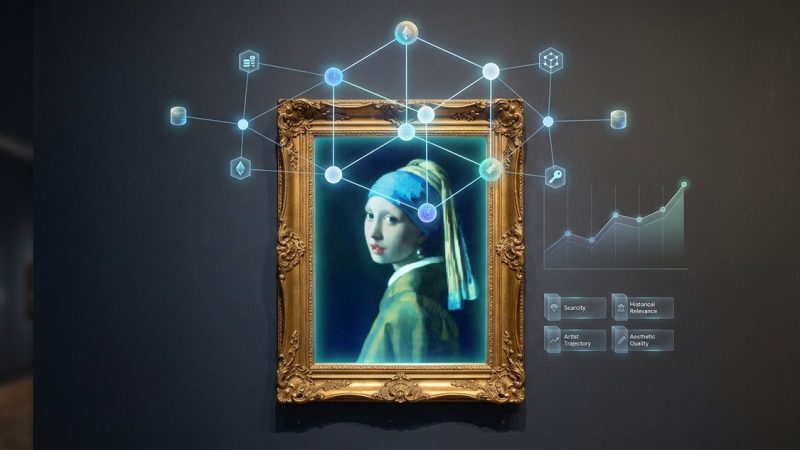
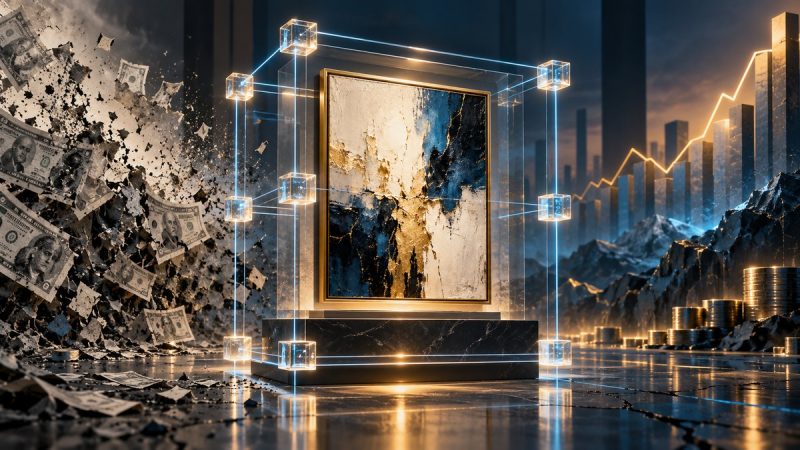
The art market has always rewarded those who see value where others see noise. In 2026, that noise is the sound of blockchain technology rewriting the rules of ownership, provenance, and liquidity. While traditional blue-chip investments like S&P 500 index funds and prime Manhattan real estate continue their steady, predictable climb, a new contender is emerging from the digital frontier. Blockchain art, once dismissed as a speculative fad, is now posting returns that make even seasoned portfolio managers pause. The question is no longer whether digital art has value. The question is whether 2026 will be the year it outperforms the old guard entirely.
Blockchain art investment in 2026 offers a rare combination of transparency, global liquidity, and compounding royalty income that traditional blue-chip assets cannot match. By focusing on verified provenance, artist track records, and smart contract royalties, collectors can build a portfolio with asymmetric upside. The key is treating digital art as a serious asset class, not a gamble.
Why Traditional Blue-Chip Investments Are Losing Their Luster
Blue-chip stocks and bonds are safe. They are also slow. In a year where inflation has pressured fixed-income portfolios and the S&P 500 has returned a modest 6% annualized, many investors are looking for alternatives that offer both growth and control. Real estate, another traditional safe haven, has seen transaction costs eat into margins, with broker fees and closing costs often consuming 8% to 10% of the sale price.
Compare that to blockchain art. A tokenized artwork can be bought, sold, or traded in minutes. The provenance is written into the smart contract, eliminating the need for expensive third-party authentication. And because the market is global, you are not limited to buyers in your zip code. A collector in Tokyo can purchase a piece from a studio in Berlin without a single customs form.
The math is shifting. When you factor in liquidity, transparency, and the ability to earn passive income through on-chain royalties, the gap between these two asset classes narrows fast.
The Three Pillars of Blockchain Art Investment in 2026
To understand why this year is different, you need to look at three structural changes that have matured over the last 24 months.
1. Institutional infrastructure is finally here. Major auction houses like Christie’s and Sotheby’s now have dedicated digital art departments. Banks are offering custody services for NFT collections. The IRS has issued clear guidance on how to treat blockchain art for capital gains purposes. This legitimacy removes the “wild west” stigma that scared away serious money in 2021 and 2022.
2. Smart contracts deliver real passive income. When you buy a blue-chip painting, your return depends entirely on appreciation. You hang it on the wall and wait. With blockchain art, the smart contract can enforce royalty payments on every future sale. If an artist’s work appreciates, you earn a percentage each time it changes hands. This turns a static asset into an income stream.
3. Fractional ownership opens the door. You do not need $10 million to buy a Basquiat. But you can own a fraction of a blue-chip digital artwork for a few hundred dollars. This lowers the barrier to entry while still giving you exposure to high-value collections. For a more detailed breakdown of how this works, check out our guide on fractional ownership is changing digital collecting forever.
How to Evaluate a Blockchain Artwork Before You Buy
Not every NFT is an investment. Many are simply digital trinkets. To separate the signal from the noise, use this framework.
| Criterion | What to Look For | What to Avoid |
|---|---|---|
| Artist track record | Multiple sales over 12+ months | Single drop, no secondary market |
| Smart contract terms | Royalty enforcement on resale | No royalty clause or vague terms |
| Storage method | IPFS or Arweave with redundancy | Centralized server, single point of failure |
| Community engagement | Active Discord, regular drops | Dead social channels, no roadmap |
| Provenance clarity | Full on-chain history from mint | Missing creator wallet or unclear origin |
This table is your cheat sheet. Print it out. Keep it next to your wallet.
A Step-by-Step Strategy for Building a High-Growth Collection
If you are ready to treat blockchain art as a serious allocation in your portfolio, follow this process. It mirrors how institutional investors evaluate emerging asset classes.
-
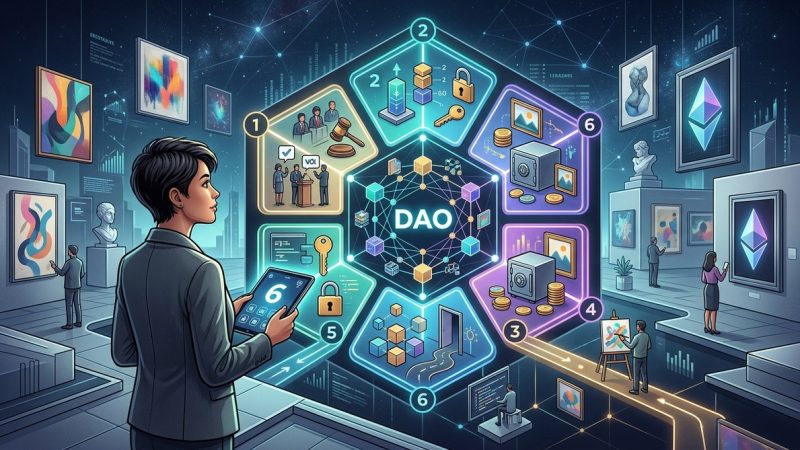
Set your budget and thesis. Decide how much you want to allocate and what kind of art you believe will appreciate. Generative art? Photography? Generative art on the blockchain is a strong category because the code itself becomes part of the provenance. Read more about generative art on the blockchain where code meets canvas to understand why this niche is gaining traction.
-
Research the artist’s history. Look at their first sale date, the number of unique collectors, and the floor price of their work. Use on-chain analytics tools to verify that sales are organic and not wash traded. A deep guide on how to evaluate blockchain art before buying a collectors 2026 checklist can walk you through the specific data points.
-
Verify the smart contract. Read the royalty terms. Does the artist get a cut of secondary sales? Do you, as a collector, get any benefits like whitelist access or governance tokens? If the contract is opaque, walk away.
-
Secure the asset properly. Transfer the NFT to a hardware wallet or a self-custodial solution. Do not leave it on an exchange. The complete guide to storage and security for high value digital assets covers the best practices for keeping your collection safe.
-
Set a hold period. Treat this like a venture investment. Plan to hold for at least 18 to 24 months. The secondary market rewards patience, especially for artists who are building a career rather than chasing a hype cycle.
Common Mistakes That Kill Returns
Even experienced crypto investors make these errors when they move into art.
- Buying based on aesthetics alone. Beauty is subjective. Value is driven by scarcity, artist reputation, and market demand.
- Ignoring gas fees. On Ethereum mainnet, minting and transferring can cost hundreds of dollars. Layer 2 solutions like Polygon and Arbitrum reduce this dramatically. Our piece on layer 2 solutions why ethereum artists are migrating to polygon and arbitrum explains the cost differences.
- Skipping provenance checks. Without on-chain verification, you are trusting a seller’s word. That is not enough.
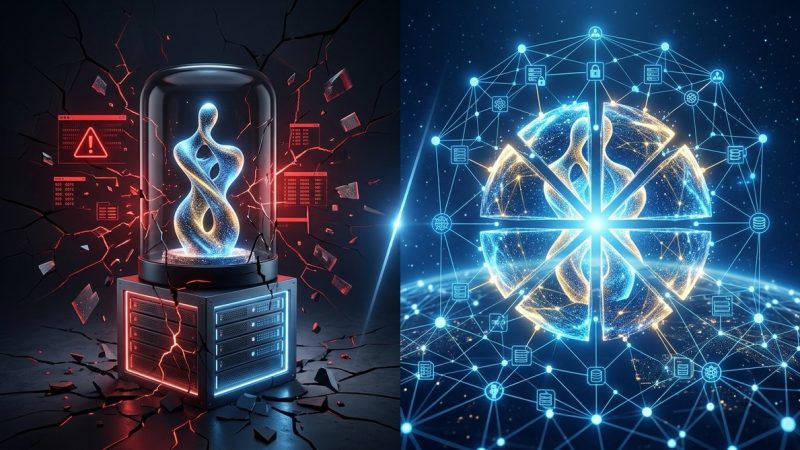
- Overconcentrating on one platform. If the marketplace goes down, your collection should still be accessible. What happens to your blockchain art when the platform shuts down is essential reading for anyone holding more than five figures in digital assets.
“The biggest mistake I see is people treating digital art like a lottery ticket. It is not. It is an early-stage venture allocation. You need to do the same diligence you would for a startup investment.” — Rachel Grace, digital art advisor and founder of Art on Chain Capital
The Liquidity Advantage That Changes Everything
One of the most underappreciated advantages of blockchain art is liquidity. A traditional painting can take months to sell. You need to find a buyer, negotiate a price, arrange shipping, and handle insurance. With tokenized art, you can list it on a secondary marketplace in minutes. If the piece has a strong floor price and an active community, it can sell within hours.
This liquidity creates a compounding effect. When you can exit a position easily, you are more willing to take calculated risks. And taking calculated risks is how you outperform the market.
Why Smart Contracts Create a New Kind of Asset
Traditional art is a one-time transaction. The artist sells the work, and that is the end of their financial relationship with it. Blockchain art changes this. Smart contracts can encode a royalty that triggers on every secondary sale. Some contracts pay the artist 5% to 10% of each resale. Others split that royalty between the original collector and the artist.
This means that if you buy early and the artist blows up, you do not just benefit from appreciation. You also earn a passive income stream. Over a five-year period, those royalties can add up to a significant percentage of your original purchase price. For a complete breakdown of how these contracts work, see our guide on smart contract royalties explained protecting artist revenue in secondary sales.
The Role of Museums and Institutions
When museums start collecting, the market takes notice. In 2026, several major institutions have announced dedicated blockchain art acquisition funds. The Museum of Modern Art now has a curator specifically for digital and tokenized works. The British Museum has tokenized parts of its collection for public fractional ownership.
This institutional validation does two things. First, it signals that these works have cultural staying power. Second, it creates a floor for pricing. If a museum is willing to pay $500,000 for a piece, that sets a benchmark for the entire collection. Our article on why museums are building blockchain art collections covers the specific institutions and their acquisition criteria.
Building Your Personal Strategy for 2026
You do not need to be a whale to participate. You need a plan.
Start with a small allocation. Five percent of your investment portfolio is a reasonable entry point. Use that capital to buy one or two pieces from established generative artists with strong on-chain histories. Hold those pieces for at least a year. Track the secondary market activity. If the artist is consistently selling above floor price, you have a signal.
From there, you can reinvest your royalties into new acquisitions. This creates a flywheel. Your collection starts generating its own capital for expansion.
The Hidden Costs of Digital Collecting Every Portfolio Needs to Budget For
It is easy to focus on the purchase price and forget the ongoing expenses. Storage, transaction fees, and insurance all eat into your net returns. A detailed look at the hidden costs of digital collecting what every portfolio needs to budget for in 2026 will help you avoid surprises. The short version is this: budget 2% to 3% of your collection value annually for storage and security, and factor in a 2.5% marketplace fee on any sale.
The Year of the Inflection Point
2026 feels different. The infrastructure is solid. The regulatory fog is clearing. And the returns are starting to speak for themselves. While blue-chip stocks and bonds will always have a place in a diversified portfolio, the upside in blockchain art is asymmetrical. You are buying into a market that is still early in its adoption curve.
If you wait until everyone agrees it is a safe investment, the best opportunities will be gone. The time to build your collection is now, while the market is still rewarding those who do the work.
Your Next Move
Pick one artist from a reputable generative art platform. Verify their on-chain history. Read their smart contract. Buy one piece. Hold it. Watch the market. Learn the rhythm.
That single step will teach you more than any article can. And when you are ready to go deeper, our complete guide on how to build a valuable digital art collection from scratch in 2026 will take you through the full process.
The art world is changing. The question is whether you will be part of it.