Why Your Blockchain Art Needs a Decentralized Storage Strategy in 2026
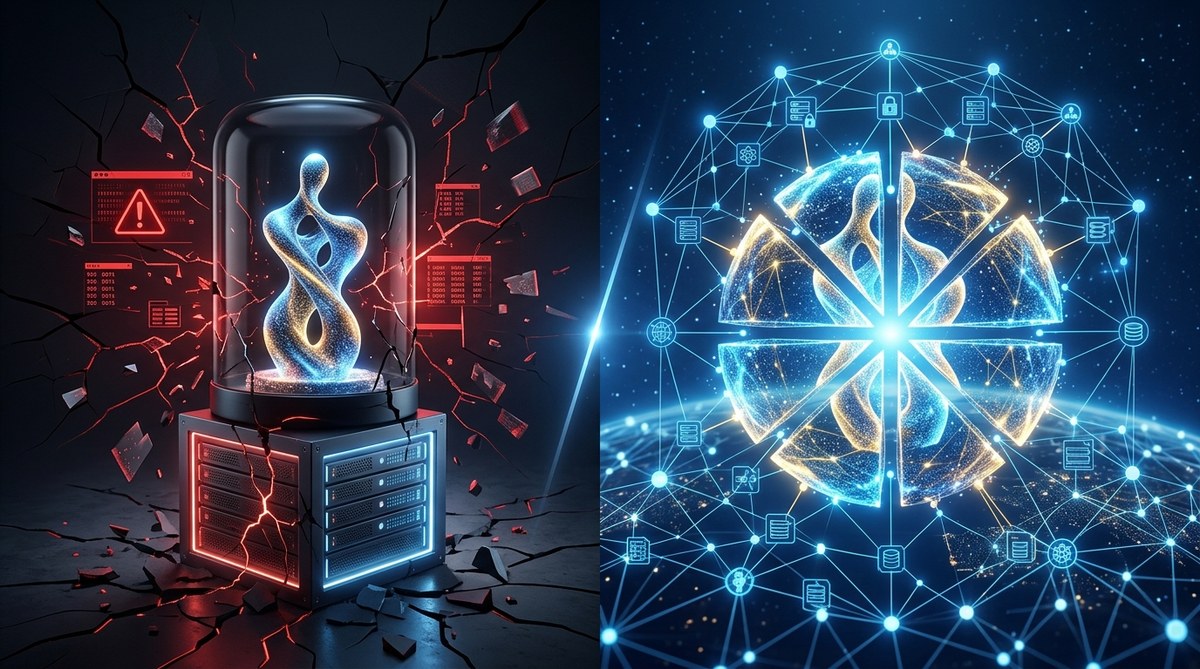
You just spent a small fortune on a piece of digital art. The artist is a legend. The piece is a one of one. You can see it in your wallet, right next to your most valuable tokens. Everything feels solid. Then one day you click the link in the token metadata. Nothing loads. The image is gone. The metadata points to a server that no longer exists. Your valuable token now points to a blank page.
This scenario plays out more often than most collectors realize. The art you own might live on a blockchain, but the actual image file, the metadata, the attributes that make it unique, those usually live somewhere else. If that somewhere else disappears, your token becomes a ghost. This is why a decentralized storage strategy for blockchain art is not optional in 2026. It is the difference between owning a lasting piece of digital culture and holding a receipt to a broken link.
Let’s dig into why this matters so much right now, what can go wrong, and how you can protect your collection with a storage plan that actually honors the principles of Web3.
## The hidden vulnerability in most NFT projects
Most people assume that when they buy an NFT, the artwork is on the blockchain. That is not true. The blockchain stores the token, the metadata, and a pointer to where the actual art lives. That pointer is often a URL to a centralized server.
If that server goes down, your artwork disappears. If the hosting company changes its terms, your token points to nothing. The NFT remains in your wallet, but the art behind it is gone. This is sometimes called the “broken link” problem, and it is more common than most collectors realize.
Centralized storage is a single point of failure. It goes against everything blockchain art is supposed to stand for. If you are building a collection, minting new work, or selling digital art, you need a decentralized storage strategy for blockchain art that ensures the file behind the token stays alive forever.
## Why Centralized Storage Puts Your Art at Risk
Centralized storage means your digital art files live on a server owned by one company or person. That setup creates a single point of failure. If the server goes down, the data goes with it. If the company goes bankrupt or decides to delete inactive accounts, your art vanishes. If the platform censors your content or the government seizes the domain, your NFT becomes a blank page.
This is not a theoretical risk. Many early NFT projects used simple HTTP links to store their metadata and images. When those links died, the NFT remained on the blockchain, but the art it pointed to was gone. Collectors were left with a token pointing to nothing. The lesson is clear: minting on-chain is only half the battle. The other half is making sure the underlying files stay accessible forever.
## Why Centralized Storage Fails Blockchain Art
Centralized storage means your files live on servers owned by one company. That company controls access, availability, and longevity. If the company goes offline, changes its terms, or simply shuts down, your art can disappear overnight.
For blockchain art, this is a serious problem. The entire value proposition of an NFT is its permanence and provenance. If the metadata and media files are stored on a centralized server, the token is only as durable as that server. When that server fails, your token points to nothing. This is sometimes called a “broken link” NFT, and it is more common than most collectors realize.
Centralized services also introduce censorship risk. A platform can remove your content, suspend your account, or restrict access based on terms of service. For art that is meant to be immutable, this creates a fundamental contradiction.
## Why Centralized Storage Fails Digital Art
Centralized storage creates a single point of failure. If a platform goes offline, your art disappears with it. This has happened before. Popular NFT projects have seen their metadata vanish when centralized servers went down, leaving collectors with tokens that point to empty spaces.
Beyond downtime, centralized services can change their terms. They can delete content they find objectionable. They can go out of business. None of this aligns with the promise of blockchain technology, which is permanence and immutability.
For blockchain art, the stakes are higher. Each piece represents creative work, financial value, and provenance. Losing access to the underlying image or video file means the token itself becomes a hollow reference. The art is gone even if the token remains.
## What Is a Decentralized Storage Strategy for Blockchain Art?
A decentralized storage strategy for blockchain art is a plan for keeping your digital artwork safe, accessible, and permanent by distributing its files across a peer to peer network instead of relying on one central server. Think of it as the difference between keeping a physical painting in a single gallery versus storing it in multiple secure vaults across the world. If one vault has a fire, the painting still exists everywhere else.
This approach matters because blockchain art exists in a unique space. The token proves ownership, but the actual image or video file lives somewhere else. If that somewhere is a fragile centralized server, your art can vanish without warning. A decentralized storage strategy for blockchain art protects your work against takedowns, server failures, and broken metadata links.
## Why Centralized Storage Fails Artists
Centralized storage feels easy. You upload a file, get a link, and move on. But this convenience hides a serious weakness. A single server can fail, a company can shut down, or a moderator can remove your content. When that happens, your NFT metadata points to nothing. Your token still exists on the blockchain, but the art it references is gone forever.
This is the broken link problem. It is the silent killer of digital art collections. One day your piece is there, the next day it is a dead URL. Collectors who paid thousands for a token might find themselves holding a reference to an empty folder. That is not permanence. That is a ticking time bomb.
Centralized storage services like standard cloud drives are not built for the permanence that blockchain art requires. They are convenient, but they are also controlled by companies that can change terms, remove content, or go out of business. For artists and collectors, this creates a single point of failure. If the server goes down, the art goes with it.
## Why Centralized Storage Fails Digital Art
Centralized storage feels easy. You upload a file, get a link, and move on. But this approach has hidden risks. The service can revoke your access. The platform can shut down. A server can fail. Your minted art could point to a dead link while the token itself stays on the blockchain, permanently disconnected from its content. This is often called the “broken metadata” problem in the NFT space.
When you mint an NFT, the token lives on the blockchain. But the actual image or video file usually lives elsewhere. If that elsewhere disappears, your token becomes a shell. It still holds a record of ownership, but the art it represents is gone. This is why a decentralized storage strategy for blockchain art is not optional. It is essential.
## The Hidden Risk Behind Most NFT Projects
Most new collectors assume that because an NFT is on the blockchain, the art is too. That is not how it works. In most cases, the metadata and the visual asset are stored off-chain. If the storage provider fails, the token points to nothing.
Centralized storage is a single point of failure. A server goes down. A company changes its terms. A link rots. Your artwork vanishes from the internet. This has happened before, and it will happen again.
## What Is Decentralized Storage, Really?
Decentralized storage spreads your files across a network of independent nodes. No single company controls the data. No single server holds all the copies. This approach is different from a regular cloud drive or a private server.
Instead of trusting one provider, you rely on a distributed network. Files are split into pieces, encrypted, and stored across multiple locations. If one node goes offline, other nodes still hold the data. This is the core idea behind a [decentralized storage strategy for blockchain art](https://freeport.app/why-your-blockchain-art-needs-a-decentralized-storage-strategy-in-2026): resilience through redundancy.
## Why Centralized Storage Fails Artists
Centralized storage feels simple. You upload your art to a server owned by a company. The company handles backups, uptime, and delivery. But this model has a hidden risk: you do not control the server. If the company disappears, changes its terms, or suffers an outage, your art can vanish. This is not a distant worry. It happens more often than you think.
For blockchain art, the stakes are higher. Your NFT might live on the blockchain, but the actual image or video file is usually stored elsewhere. If that elsewhere is a centralized server, your token can point to a broken link. The art becomes inaccessible, and the token loses its value. This is often called the “off-chain storage problem.”
The solution is a decentralized storage strategy for blockchain art. Instead of relying on one server, your files live across a distributed network. No single entity controls it. No single point of failure can erase your work.
## Why Centralized Storage Fails Digital Artists
Centralized storage feels easy. You upload a file to a cloud provider, and it appears on all your devices. But this convenience hides a serious risk for NFT creators and collectors.
When you mint an NFT, the token itself lives on a blockchain. But the actual artwork, the image, video, or audio file, usually lives elsewhere. Many people point their token to a URL on a service like AWS, Google Drive, or a personal website. This creates a dangerous dependency.
If that URL breaks, your NFT points to nothing. The token still exists on the blockchain, but the art it represents is gone. This is sometimes called a broken NFT.
Centralized servers fail. Companies shut down. Links rot. Servers get hacked. A single point of failure can erase your entire collection in an instant.
Beyond the risk of data loss, centralized storage also creates trust issues. You are trusting a third party with your art. That goes against the spirit of Web3, where ownership and control should rest with the creator, not a platform.
## Why Your Blockchain Art Needs a Decentralized Storage Strategy
If you have spent any time in the NFT space, you have seen it happen. A profile picture project that looked great on launch day. A piece of generative art. A one-of-one masterpiece. And then one day the image no longer loads. The token still exists on the blockchain, but the actual art is gone.
This is the dirty secret of many NFT collections. The token points to a URL. That URL points to a server. And that server can die, get sold, or simply stop being paid for. When it does, your art vanishes.
A decentralized storage strategy for blockchain art is not a luxury. It is the difference between owning your art and renting a screenshot.
## Why Centralized Storage Fails Blockchain Art
Centralized storage feels easy. You upload a file to a server, and it lives there. But that server is owned by someone. That owner can delete, censor, or lose your data. If the company goes under, your art goes with it.
For blockchain art, this creates a serious contradiction. The whole point of owning an NFT is permanence and proof of ownership. But if the underlying image or metadata sits on a centralized server, the token is only as durable as that server.
Think about it this way. Your NFT points to a URL. If that URL dies, your token becomes a broken link. The art itself may vanish even though the token stays in your wallet. That is a risk no serious collector should accept.
## What Is Decentralized Storage and Why Does It Matter?
Decentralized storage means keeping files across a distributed network of independent nodes instead of a single company’s server. No single entity controls the data. The network stores multiple copies of your files across many machines. If one node goes offline, other copies remain available.
For blockchain art, this matters because your NFT metadata and image files need to exist somewhere permanent. When you buy an NFT, the token proves ownership. But the actual artwork often lives elsewhere. If that elsewhere disappears, your token points to nothing.
Decentralized storage solves this by spreading files across a peer to peer network. Think of it like a gallery that keeps original prints in hundreds of vaults instead of one frame on one wall. If one vault burns down, the art still exists in the others.
## Why Centralized Storage Fails Blockchain Art
Centralized storage seems easy at first. You upload your art to a server owned by a company. The company handles backups, uptime, and delivery. But there is a catch. That company controls your work. If their server goes down, your art disappears. If they decide to remove your account, your collection vanishes. If they go out of business, your tokens may point to empty links.
This is not a theoretical problem. NFT projects have lost entire collections when centralized services shut down or removed content. Smart contracts often store only a pointer to a URI. If that URI breaks, the token points to nothing. The art is gone even though the token remains.
Centralized storage also creates a single point of failure. A server outage, a hacked account, or a forgotten payment to a hosting provider can take your art offline. For collectors holding assets worth real money, that risk is unacceptable.
## The Core Problem: Why Centralized Storage Fails Blockchain Art
Blockchain technology promises permanence. The ledger is immutable. Transactions cannot be altered. But the art itself? That is a different story. Most NFT projects store their images and metadata on centralized servers. This creates a dangerous mismatch. The token on the blockchain is permanent, but the underlying file can disappear with one server crash, one unpaid bill, or one platform shutdown.
This is often called the “broken link” problem. You own a token that points to a URL. If that URL goes dead, your token is worthless. The art itself vanishes. Your collection becomes a list of metadata and a broken link.
Centralized storage also creates single points of failure. A server goes down, a company goes bankrupt, a government seizes a domain. Any of these events can erase your digital art overnight.
Why Centralized Storage Puts Your Art at Risk
Centralized storage feels convenient. Platforms like Google Drive, Dropbox, or even an NFT marketplace’s servers seem reliable. But they all depend on a single entity. If that entity decides to delete content, raises prices, or goes offline, your art is gone.
Consider the lifecycle of many NFT projects. Creators mint tokens, then host the images on a centralized server. When the server dies, the token remains but the artwork vanishes. This is the “broken link” problem that has plagued the space since its early days. Collectors are left holding metadata that points to nothing.
A decentralized storage strategy for blockchain art is not optional anymore. It is the only way to ensure your work remains accessible, verifiable, and permanent.
## What Is Decentralized Storage?
Decentralized storage spreads your digital files across a network of independent computers, often called nodes. Instead of one central server holding your art, many computers around the world hold pieces of it. This network is typically powered by blockchain technology or peer to peer protocols. The result is that no single entity controls your data, and no single point of failure can take it offline.
For blockchain art, this matters in a big way. Your NFT might live on a smart contract, but the actual image, video, or metadata file usually lives somewhere else. If that somewhere else is a regular web server, your art can vanish when someone stops paying the hosting bill.
Decentralized storage solves this by distributing your files across a network of independent nodes. Think of it as the difference between keeping a single painting in one museum versus storing copies in thousands of galleries around the world. If one gallery closes, the painting is still safe.
## The Real Problem With Centralized Storage for Blockchain Art
Centralized storage is the silent killer of NFT projects. Many collectors and creators do not realize that the token they own is just a pointer to a file stored on a server owned by someone else. When that server goes down, or the company behind it shuts down, the artwork disappears. The token remains in your wallet, but the actual image, video, or music file is gone.
This is what the community calls a “broken NFT.” It looks fine on the surface, but the underlying asset is lost. The metadata that points to the file is still on the chain, but the file itself lives on a server that can fail, get hacked, or simply stop being paid for.
Centralized storage providers have a single point of failure. They also have terms of service. They can decide to delete content. They can go bankrupt. They can be acquired and shut down. None of these outcomes care about your collection.
## Why Centralized Storage Fails Blockchain Art
Most early NFT projects stored their images on centralized servers. It was a practical choice at the time. But it created a serious flaw. When a server goes down, the art goes with it. That is not permanence. That is a rental agreement.
Centralized storage also means you are trusting a single company with your creative legacy. If they change their terms, raise prices, or suffer a breach, your work is at risk. For digital artists, this is a dangerous position. Your entire portfolio could disappear overnight.
Blockchain art is supposed to be permanent. The entire value proposition of non-fungible tokens (NFTs) is that they prove ownership and authenticity of a unique digital item. But if the underlying file is stored on a server that can be wiped, the token is just a link to a memory. The art itself becomes vulnerable.
This is why a decentralized storage strategy for blockchain art is not optional anymore. It is the backbone of true digital ownership.
## The Real Problem With Centralized Storage
Most NFT projects store their files on centralized servers. Amazon Web Services, Google Cloud, or a personal server. This creates a hidden risk. If that server goes down, your art disappears. If the company decides to change terms, your metadata can vanish overnight.
Centralized storage also creates a single point of failure. A server outage, a hack, a forgotten bill, or a natural disaster can wipe out access to your collection. The token might stay on the blockchain, but the image, video, or metadata it points to can become a broken link.
That is why a decentralized storage strategy for blockchain art is not just a technical detail. It is the difference between owning your art and merely holding a pointer to something that may vanish.
## What Does Decentralized Storage Actually Mean?
Decentralized storage means your files live across a network of independent computers, not on one company’s server. Instead of one central authority controlling your data, a peer to peer network stores copies across many nodes. This approach ensures that no single point of failure can take your art offline.
When you mint an NFT, the token on the blockchain points to a metadata file and often an image or video. If that content lives on a centralized server, it can disappear. A server goes down, a domain expires, a company folds. Your NFT becomes a broken link. Decentralized storage fixes this by distributing copies across a network, so your art stays alive even if individual nodes fail.
The current year is 2026, and the conversation around NFTs has shifted. Collectors and creators now care about more than just floor prices. They care about permanence. They care about verifiability. They care about whether their digital art will still exist in ten years.
## Why Centralized Storage Fails Blockchain Art
Centralized storage seems convenient at first. A cloud provider hosts your file, you get a URL, and you move on. But that convenience hides a fragile foundation. If the provider goes down, changes their terms, or simply shuts down, your art can vanish overnight. For a space built on permanence and trust, that is a fatal flaw.
Consider the metadata attached to your NFT. Many early NFTs used centralized URLs that point to a single server. When that server goes away, the art goes with it. The token remains on the blockchain, but the actual image, video, or metadata file becomes a broken link. Collectors are left staring at a blank page while holding a token that claims ownership of nothing viewable. This is known as a dead NFT, and it is far more common than most people realize.
Centralized storage also introduces a single point of failure. A server outage, a data center fire, or a company going out of business can wipe out your entire collection. For artists, that means losing the very work you built your reputation on. For collectors, it means your investment becomes worthless. Decentralized storage solves this by distributing your files across a network of independent nodes, so no single point of failure can take your art offline.
## The Real Problem With Centralized Storage
Most NFT marketplaces and art platforms still rely on centralized servers. They store images and metadata on Amazon S3, Google Cloud, or similar services. That setup works until it does not. A server goes down, a company changes its terms, or a platform shuts down entirely. Your art disappears from the internet, and your token points to nothing.
This is not a theoretical risk. It has happened. Projects have rug-pulled with their metadata still hosted on a single server. Collectors have watched their assets vanish when a platform turned off its backend. The blockchain records ownership, but it does not store the actual art. The token points to a URI. If that URI fails, your token is worthless.
This is why your blockchain art needs a decentralized storage strategy in 2026. Centralized servers are a single point of failure. Decentralized storage removes that risk by distributing your digital art across a peer to peer network.
## What Is Decentralized Storage?
Decentralized storage is a method of storing data across a distributed network of nodes, rather than in one centralized server or data center. Instead of trusting a single company to keep your files safe, the data is split into pieces, encrypted, and spread across multiple independent computers. Each piece is stored on a different node, and the network works together to make sure your files remain available and intact.
For blockchain art, this is a game changer. Your NFT’s metadata, high resolution images, and other digital assets live off-chain. If the platform hosting them disappears, the art can vanish. Decentralized storage solves this by removing the single point of failure.
## Why Centralized Storage Fails Blockchain Art
Centralized storage feels convenient. Your art lives on a server owned by a company. That company controls your files. If their server goes down, your art goes down with it. If the company decides to delete inactive files, you lose your work forever.
Think about the NFT boom. Many early projects pointed to a URL on a regular web server. When those servers stopped being paid for, the art vanished. The token stayed in your wallet, but the actual image or video was gone. This is often called a broken NFT. The non-fungible token remains, but the art it represents is lost.
That is not permanence. That is a rental agreement with a service that can disappear at any time.
## What Is Decentralized Storage for Blockchain Art?
Decentralized storage means your digital art files live on a peer to peer network instead of one central server. Think of it as distributing copies of your work across many independent computers around the world. No single entity controls access, and no single point of failure can take your art offline.
This matters because blockchain art is supposed to be permanent. Your token might live forever on the chain, but if the image, video, or metadata is stored on a fragile server, the token is worth nothing when that server dies. The blockchain secures ownership, not the file itself. A decentralized storage strategy for blockchain art closes that gap.
## Why Centralized Storage Is a Risk for NFT Art
Centralized storage feels easy. You upload a file to a cloud service, get a link, and move on. But that convenience hides serious risks for blockchain art.
Centralized providers control your files. They can remove content, throttle access, or go offline. If a company decides your art violates its terms, your NFT could point to nothing. The metadata that makes your token unique can vanish. Your token remains on the blockchain, but the actual art becomes a broken link.
This is not a rare edge case. Thousands of NFT collections have already fallen victim to what the community calls “link rot.” Projects that stored assets on centralized servers lost their art when those servers went down. Collectors were left holding tokens that pointed to empty URLs. The value of the art did not disappear, but the art itself did. That is a catastrophic outcome for any collector or creator.
## The Core Problem: Centralized Storage Is a Single Point of Failure
Centralized storage means your files live on one server or one company’s infrastructure. If that server fails, gets hacked, or the company shuts down, your digital art can vanish overnight. For blockchain art, this is a hidden time bomb. Many marketplaces and artists still rely on centralized services to host their NFT images and metadata. When those services go away, so does the art.
This is often called the “broken token” problem. You own a token that points to a URL that no longer works. The token stays in your wallet, but the art it represents is gone forever. That is not true ownership. A decentralized storage strategy for blockchain art fixes this by storing the actual asset on a network that no single entity controls.
## Why Centralized Storage Is a Risk for NFT Art
Centralized storage feels convenient. Your files live on someone else’s server, and you trust them to keep it safe. But that trust is fragile. A server outage, a forgotten payment, a company shutdown, or a corrupted database can erase your entire collection in seconds. For digital artists and collectors, this is a nightmare scenario.
When you buy an NFT, you are not always buying the file itself. Many NFTs point to metadata or images hosted on centralized servers. If that server goes down, your token points to nothing. The art disappears even though the token remains. This is the “broken link” problem, and it is far more common than most people think.
Centralized storage also creates a single point of failure. A platform can censor content, a hosting bill can go unpaid, or a company can simply vanish. For artists and collectors who care about permanence, this is a serious risk.
## What Is a Decentralized Storage Strategy for Blockchain Art?
A decentralized storage strategy for blockchain art is a plan for keeping your digital assets safe, permanent, and accessible without relying on one central server. Instead of storing your art on a single platform’s database, you distribute the data across a peer to peer network of independent nodes. This approach protects against censorship, data loss, and server outages.
When you mint an NFT, the token itself lives on the blockchain. But the actual image, video, or metadata file usually lives elsewhere. If that “elsewhere” is a centralized server, your artwork is at risk. A decentralized storage strategy fixes that by pinning your files to a distributed network where no single party controls the data.
## Why Centralized Storage Fails Blockchain Art
Centralized storage is a single point of failure. If the server goes down, your art goes down with it. If the company hosting your files goes bankrupt or decides to change its terms, your NFT could lose its visual component entirely.
This is not a hypothetical concern. Many early NFT projects stored their images on centralized servers. When those servers stopped working, the tokens remained on the blockchain, but the actual art they represented vanished. The token was just a pointer. The art was gone.
Centralized storage also creates a trust problem. You are trusting a third party to keep your files safe and available. That trust can be broken by technical failures, business decisions, or regulatory pressure.
For blockchain art, this is a critical flaw. The entire value proposition of an NFT is that it is verifiably scarce and permanently owned. If the underlying media can disappear, the token loses its meaning.
## Why Centralized Storage Fails for Blockchain Art
Centralized storage works well for many everyday tasks. But for blockchain art, it creates risks that contradict the whole point of owning digital assets.
**Single point of failure.** A centralized server is a single point of failure. If the hosting provider goes down, your art goes down with it. If the company goes bankrupt, your files can vanish. If a government seizes the server, your collection is gone.
**Censorship risk.** A platform can remove content for any reason. Your art could disappear from a marketplace if someone files a copyright complaint, even if you own the token. That is a real problem for artists who depend on their work being available.
**Broken links and lost metadata.** NFTs point to metadata. If that metadata lives on a central server that goes offline, the token points to nothing. The art itself can become a broken link.
## The Core Problem: Why Centralized Storage Fails Web3
Centralized storage is the elephant in the room for many blockchain art projects. When you mint an NFT, the token itself lives on a blockchain. But the actual image, video, or music file often lives on a regular server. That server is controlled by someone else. If that company goes bankrupt, deletes files, or suffers a breach, your art can vanish overnight. This is the classic “rug pull” that nobody talks about, and it is far more common than most collectors realize.
The core issue is simple. Most people focus on the token, not the underlying data. They assume that because something is on the blockchain, it is permanent. That is a dangerous assumption. The blockchain records ownership and transaction history. It does not store large media files. The art itself lives elsewhere, often on a centralized server controlled by a single company. If that company disappears, so does the art.
## Decentralized Storage Strategy for Blockchain Art
Artists, collectors, and platforms need a decentralized storage strategy for blockchain art. This is not optional anymore. The NFT boom created millions of tokens pointing to images that are gone, hosted on dead links, or served from a single server that can fail at any time.
Centralized storage is a single point of failure. If a server goes down, your art goes with it. If a platform changes its terms, your metadata could vanish overnight. The art world has seen high profile cases where NFT projects lost their images because they relied on centralized hosting. The token remained, but the art was gone. That is a permanent problem for a permanent ledger.
## Why Centralized Storage Fails Blockchain Art
Centralized storage creates a dangerous mismatch. Blockchain art is meant to be permanent and immutable, but centralized servers are neither. A single company can delete files, a server can fail, or a domain can expire. Any of these events can make your NFT point to a broken link. The art you bought or minted would still exist on the ledger, but the actual image or video would be gone.
This is called the metadata problem. The token on the blockchain is just a pointer. The actual content, the visual you collect, lives elsewhere. If that elsewhere is a centralized server, you are trusting one company with your entire collection. That trust is fragile.
Think about it this way: you would not hang a one of a kind painting on a wall inside a house that could burn down. You would protect it. Yet many collectors store their digital art on centralized servers that can fail, get hacked, or simply disappear.
## The Hidden Risk Behind Most NFT Collections
Most people do not realize that many NFTs do not store the actual artwork on the blockchain. The token contains a pointer, usually a URL, that directs a marketplace or wallet to an off-chain location. If that location goes down, the art goes with it. This is sometimes called the “broken metadata” problem.
A decentralized storage strategy for blockchain art is not just a technical detail. It is the difference between owning a lasting digital asset and holding a receipt to a dead link.
## Why Centralized Storage Fails Blockchain Art
Centralized storage feels simple. You upload a file, and a company like Amazon Web Services or Google Cloud stores it. But that convenience comes with serious risks for NFT and digital art projects.
### The Single Point of Failure Problem
Centralized servers fail. It is not a matter of if, but when. A server outage, a platform shutdown, or a forgotten payment can wipe out your entire collection. If the hosting provider goes out of business or decides to purge inactive files, your tokenized art can vanish overnight. The metadata, the image, and the provenance data all disappear with it.
### The Censorship and Control Issue
Centralized platforms can remove content at will. A marketplace can delist your work. A hosting service can suspend your account. Even a government can force a company to take down certain content. For blockchain art, which is supposed to be permissionless and censorship resistant, this is a direct contradiction. If your art lives on a centralized server, you do not truly own it.
### The True Cost of “Free” Storage
Free or cheap storage tiers often come with hidden tradeoffs. They may limit file size, restrict bandwidth, or disappear entirely when a startup runs out of funding. Your NFT metadata, high-resolution images, and video files are at risk. A decentralized storage strategy for blockchain art is not optional. It is the only way to guarantee that what you minted stays alive.
## What Is Decentralized Storage?
Decentralized storage uses a peer to peer network to store and retrieve data. Instead of a single company hosting your files on one server, your data is split into pieces, encrypted, and distributed across many independent nodes around the world. Each piece is stored redundantly, so even if several nodes go offline, your files remain accessible. This is the core idea behind systems like IPFS, Arweave, and Filecoin.
The key difference from cloud storage is control. With centralized providers, you trust a single company to keep your files safe. If they go down, or decide to change their terms, your art can vanish. Decentralized networks remove that single point of failure. Your work lives on a peer to peer network, not a company server.
## The Hidden Risk in Most NFT Projects
Many NFT creators assume that minting a token on a blockchain is enough. The token is secure, but the art itself often lives somewhere fragile. A large share of NFT projects store metadata and images on centralized servers or plain HTTP links. If that server goes down, the NFT becomes a broken link with a pretty token ID.
This is the dirty secret of the NFT space. Most people do not realize that owning the token does not mean owning the underlying file. The token is just a pointer. If the pointer breaks, the art is gone.
## Why Centralized Storage Fails for Blockchain Art
Centralized storage providers have a single point of failure. A server outage, a platform shutdown, or a forgotten bill payment can erase years of digital art in an instant. For collectors and creators who built their reputation onchain, this is an existential risk.
Centralized platforms also have terms of service. They can decide to remove content. They can go out of business. They can be hacked. Your NFT metadata, images, and video files can disappear without warning.
Blockchain art deserves better.
## What Is a Decentralized Storage Strategy for Blockchain Art?
A decentralized storage strategy for blockchain art means your files live on a peer-to-peer network instead of a single server. Your art is split into pieces, encrypted, and distributed across many independent nodes. No single entity controls it. No single point of failure can erase your work.
This approach aligns perfectly with the ethos of Web3. Your art is tokenized on the blockchain, but the actual image or video file needs a home. That home should be as censorship resistant and durable as the token itself.
## Why Centralized Storage Fails Digital Art
Centralized storage feels easy. You upload to a server, get a URL, and move on. But this creates a single point of failure. If the server goes down, your art disappears. If the company behind it changes terms or shuts down, your collection can vanish overnight.
Think about the many NFT projects that have lost their metadata because they relied on a simple web address. When that address breaks, the art is gone. The token remains, but the image is a blank square. This is called a broken link, and it is a growing problem in the Web3 space.
Centralized storage also creates trust issues. You are trusting a single company with your creative legacy. They could delete your files, raise prices, or go out of business. For artists and collectors who value permanence, that is a risk no one should accept.
## Why Your Blockchain Art Needs a Decentralized Storage Strategy in 2026
The digital art world runs on a paradox. Your NFT proves ownership on a blockchain, but the actual image or video usually lives somewhere else. That somewhere is often a centralized server you do not control. If that server goes down, your art can vanish. This is why a decentralized storage strategy for blockchain art is not optional anymore.
## The Hidden Risk Behind Tokenized Art
Most people assume that minting an NFT makes the artwork permanent. It does not. The token on chain is just a record. The actual image, video, or metadata file is stored somewhere else. If that location fails, your token points to nothing.
Centralized storage providers have been the default for years. They are easy to use and familiar. But they create a single point of failure. A server outage, a forgotten payment, or a company sunsetting a service can erase your collection overnight. This is not a hypothetical scenario. It happens more often than most collectors realize.
## What Is a Decentralized Storage Strategy for Blockchain Art?
A decentralized storage strategy for blockchain art means your digital files live on a peer to peer network instead of one company’s server. Your art is split into encrypted pieces and distributed across many independent nodes. No single entity controls it. No single point of failure can wipe it out.
This approach matters because most NFT projects only store the token’s metadata on the blockchain. The actual image, video, or audio file usually lives somewhere else. If that somewhere else disappears, your token points to nothing.
The phrase decentralized storage strategy for blockchain art describes the full set of decisions you make about where and how your art files are stored. It covers the protocol you choose, the pinning service you use, the redundancy level you want, and how you handle metadata. A good strategy ensures your art survives beyond any single platform or server.
## Why Centralized Storage Fails Artists
Centralized storage feels simple. You upload your work to a server owned by a company. The company promises to keep it safe. But this model has cracks.
Servers go down. Companies change terms. Projects get abandoned. When that happens, your art can vanish overnight. The NFT might stay on the blockchain, but the actual image, video, or metadata could point to a dead link.
Centralized storage also creates a single point of failure. A server outage, a hacked account, or a company shutting down can erase years of creative work. For digital artists, that is not a small problem. That is everything.
## The Real Problem: Your NFT Is Not On-Chain
Here is a common misconception: many people think owning an NFT means their artwork lives on the blockchain. It does not. Most NFTs only store a reference to the artwork, not the artwork itself. That reference often points to a URL hosted on a centralized server. If that server goes down, your token points to nothing.
This is why a decentralized storage strategy for blockchain art is so important. Without one, your entire collection can vanish overnight. The blockchain may be immutable, but the files it points to are often fragile.
## What Is Decentralized Storage?
Decentralized storage distributes files across a network of independent nodes instead of keeping them on a single company’s server. Think of it as a peer to peer network for data. Your art is broken into pieces, encrypted, and spread across many computers around the world. No single entity controls it. No single point of failure can take it offline.
This approach is the backbone of the decentralized web. It gives your work a permanent home that does not depend on one company’s goodwill or a single server’s uptime.
## Why Centralized Storage Fails Blockchain Art
Centralized storage feels easy. You upload your art to a cloud service, and it lives there. But that convenience hides real risks.
Centralized servers can go down. Companies can change their terms of service. A platform can shut down without warning. If your NFT points to a file on a centralized server, that file can disappear. Your token might remain on the blockchain, but the art it represents could be gone forever.
This is the “broken link” problem. Many early NFTs suffered from it because creators used simple HTTP URLs that pointed to centralized servers. When those servers went offline or the hosting bills stopped being paid, the art vanished. The token stayed, but the image it pointed to was gone. For collectors, that is a devastating loss.
## The Centralized Storage Trap
Centralized storage feels convenient. Services like standard cloud providers are easy to use, and they handle backups and scaling for you. But they introduce a single point of failure. If the provider goes offline, loses data, or changes its terms, your art disappears. For something as permanent as a blockchain record, this is a risky mismatch.
Centralized storage also creates a trust problem. You must trust the provider to keep your files intact. You must trust them not to censor or remove your work. You must trust that their servers will not fail. That is a lot of trust for something that should be immutable.
## The Real Problem With Centralized Storage
When you mint an NFT, the token itself lives on the blockchain. But the actual image, video, or 3D model usually lives somewhere else. Many people store files on centralized servers run by a single company or individual. If that server goes down, your art vanishes. If the company shuts down, your token becomes a broken link.
This is the dirty secret of the NFT world. Most people focus on the token contract, but the art itself is often fragile. Centralized storage creates a single point of failure. That works against everything blockchain art stands for.
## What Is a Decentralized Storage Strategy for Blockchain Art?
A decentralized storage strategy for blockchain art means storing your digital files across a distributed network of independent nodes. No single entity controls the data. Your art is broken into encrypted pieces, spread across many computers, and pinned or hosted by multiple participants. This approach protects your work from server failures, censorship, and link rot.
The most common protocol for this is the InterPlanetary File System (IPFS). It uses content addressing instead of location addressing. When you mint an NFT, the token points to a content identifier (CID) that represents your artwork. The file itself lives on a peer to peer network rather than on one central server.
But IPFS alone is not enough. Files can disappear if no one pins them. That is why a real decentralized storage strategy for blockchain art combines IPFS with permanent storage protocols like Arweave or Pinata. This creates true redundancy and long term access.
## Why Centralized Storage Fails Your Art
Centralized storage is a single point of failure. If a server goes down, your art goes with it. If a platform changes its terms, your metadata can vanish overnight. If a company files for bankruptcy, your NFT could point to a dead URL. This is not a hypothetical risk. It happens all the time.
Think about the famous NFT projects that promised permanence and then let their images disappear. The token itself remains on the blockchain, but the art it points to lives on someone’s server. When that server goes away, so does the art. Collectors are left with a token that points to nothing. That is a real problem.
Centralized storage is a single point of failure. It goes against the entire ethos of Web3. If you mint an NFT and store the metadata on a centralized server, you are trusting that server to stay online forever. That trust is fragile.
## Why Centralized Storage Fails Blockchain Art
Centralized storage feels easy. You upload a file, you get a URL, you move on. But that ease hides serious risks. A centralized server can go down. A company can go out of business. A government can censor content. Your blockchain art could disappear overnight.
For digital artists, this is a career risk. Your NFT might point to a URL that no longer works. Collectors might open a link to find a blank page. The art itself, the thing someone paid for, becomes a broken promise.
Decentralized storage solves this by spreading files across a network of independent nodes. Instead of relying on one server or company, your art lives on many computers at once. If one node fails, others still hold the data. This approach matches the ethos of Web3: no single point of failure, no central authority, no one to delete your work.
## The Problem with Centralized Storage for Digital Art
Most NFT projects still rely on centralized servers. This creates a hidden fragility. When you mint an NFT, the token points to a metadata file and an image. If that image lives on a centralized server, the entire piece depends on that server staying online.
Centralized storage is a single point of failure. A server goes down, a domain expires, a company goes bankrupt, and your art vanishes. This has happened before. Popular NFT projects have lost their artwork when the underlying hosting service failed or the owner stopped paying the bill.
The blockchain does not store image files. It stores a pointer to where the image lives. If that pointer leads to a dead link, the NFT becomes a placeholder with no art. This is often called a “broken NFT.”
## The Core Problem: Why Centralized Storage Fails Web3
Centralized storage feels easy. You upload files to a server owned by a company, and they handle the rest. But that convenience comes with hidden risks that directly threaten the value of your blockchain art.
**Single point of failure.** A centralized server can go down. It can be hacked. It can be shut down by a government. If the company running it goes bankrupt, your files can vanish overnight. For digital art that is supposed to be permanent, this is a critical flaw.
**Censorship and control.** A centralized provider can remove content for any reason. This undermines the entire point of owning art on a blockchain. If your storage provider decides your content violates their terms, your NFT could point to nothing.
**The broken link problem.** Most NFT projects store metadata and images on centralized servers. When those servers fail, the NFT becomes a broken link. The token still exists on chain, but the actual art it represents is gone. This is a well documented problem in the NFT space, and it is not rare. Some studies have found that a large share of NFTs on marketplaces are at risk of going dark.
**Data permanence matters.** Your collection is your legacy. A decentralized storage strategy for blockchain art protects your work from disappearing when a server goes down or a company changes its terms of service. It is not just a technical detail. It is the difference between owning your art and renting a view of it.
## Why Centralized Storage Fails Blockchain Art
Centralized storage creates a hidden trap for NFT creators and collectors. When you mint an NFT, the token itself lives on the blockchain. But the actual image, video, or metadata file often lives on a regular web server. If that server goes down, your token points to nothing. The art is gone, even though the token still exists.
This is what the community calls a broken link NFT. It is a real problem. One study from the University of Amsterdam found that roughly 50% of NFTs on OpenSea had no functioning on-chain storage. Some of those tokens pointed to IPFS gateways, but many pointed to plain old HTTP links. When a hosting service shuts down or a domain expires, the artwork vanishes.
Centralized storage also creates a single point of failure. A server outage, a hacked account, or a company going bankrupt can erase your digital art forever. For collectors and creators who treat their work as long term assets, that risk is unacceptable.
## Why Centralized Storage Fails Blockchain Art
Centralized storage means your art lives on a server owned by one company. That company controls access. They control uptime. They control whether your piece stays online. If they decide to change terms, remove content, or shut down, your asset can disappear overnight.
NFTs on marketplaces often point to off-chain metadata stored on Amazon S3 or similar services. When that link breaks, your token points to nothing. The blockchain might say you own it, but the actual art is gone. This is called a dead link problem, and it affects far more projects than most collectors realize.
Decentralized storage fixes this by distributing your files across a network of independent nodes. No single entity holds the keys to your art. No central server can disappear and take your collection with it. The content becomes addressable by its content, not its location. That distinction matters more than most people think.
## What Is Decentralized Storage?
Decentralized storage is a method of storing data across a distributed network of computers rather than on a single centralized server. Instead of relying on one company or data center, your files live on many nodes at once. This approach uses encryption, content addressing, and redundant copies to keep your art safe.
For blockchain art, this means your NFT’s metadata and actual image or video files are stored on a peer to peer network. The InterPlanetary File System (IPFS) is the most common example. It uses content identifiers (CIDs) to locate files. When you pin a file, you ask the network to keep it available. When you mint an NFT, the token points to that content, not to a fragile URL that can break.
Decentralized storage is not a luxury. It is the backbone of true digital ownership. If your art lives on a regular web server, it can disappear when that server goes down or the company stops paying the bill. A decentralized approach keeps your work alive through a distributed network of nodes, so no single point of failure can erase your collection.
## Why Centralized Storage Fails Web3
Centralized storage feels easy. You upload your file to a server owned by someone else. It is fast, familiar, and often free. But it has a fatal flaw for blockchain art: a single point of failure. If that server goes down, gets hacked, or the company shuts its doors, your art vanishes. Your NFT might point to a broken link. That is not permanence. That is a rental agreement with no guarantee.
Centralized services also create a trust problem. You must believe that the provider will keep your file intact, stay in business, and not alter or remove your work. For artists who care about provenance and immutability, that is a risky foundation. Your art should live on its own terms, not on a server owned by someone else.
## Why Centralized Storage Fails Blockchain Art
Centralized storage is the weak link in the NFT ecosystem. When you mint a token, you are not storing the actual artwork on the blockchain. The token points to a location where the metadata and media live. If that location is a centralized server, you are trusting a single entity with your art. If that server goes down, gets hacked, or simply changes its terms, your NFT becomes a broken link.
This is a known problem. A 2021 study by the NFT data platform [TokenSnax](https://tokensnax.com/) found that over 70% of NFT metadata was vulnerable to data loss. That number is unacceptable for a space built on permanence. Centralized storage creates a single point of failure, which is exactly what Web3 promises to avoid.
## The core problem: why centralized storage fails Web3
Centralized storage puts your art on someone else’s server. That server can go down. The company can change its pricing. The platform can shut its doors. None of these outcomes depend on you. For a digital artist, that is a dangerous position.
Consider the lifecycle of a typical NFT. You mint a token, and the metadata points to a URI. If that URI leads to a centralized server that dies, your token becomes a broken link. The art is gone, even though the token remains on chain. This is called data loss through link rot, and it is a real problem in the NFT world.
The core issue is that most marketplaces and platforms store media on centralized servers. Those servers can fail, get censored, or simply stop being paid for. When that happens, the art attached to your token disappears. The token still exists, but the actual artwork is gone. That is not true ownership.
## The Real Problem: Centralized Storage Fails Web3
Centralized storage has served the internet well for decades. But it was never designed for the permanence that blockchain art requires. A server farm in one location creates a single point of failure. If that facility suffers an outage, a natural disaster, or a business decision to shut down, your digital art can vanish overnight.
Think about what happens when an NFT marketplace goes offline. Projects like the infamous “rug pulls” in DeFi are obvious, but a quiet data loss is worse. The token in your wallet might still point to a metadata address that no longer resolves. Your art becomes a broken link. The NFT still exists, but the actual image file, the thing that makes it valuable, is gone forever.
That is the hidden risk behind tokenized assets. A decentralized storage strategy for blockchain art is not a luxury. It is a core requirement.
## Why Centralized Storage Fails Blockchain Art
Centralized storage providers keep your files on their servers. They promise uptime and durability. But they also introduce a single point of failure. A server outage, a policy change, or a company going out of business can erase your art from the internet. For collectors who spend real money on digital pieces, that is a dangerous bet.
Centralized platforms also create a trust problem. When you store your NFT metadata or artwork on a company’s server, you are trusting that company to keep it online. That trust is fragile. Services change terms, close accounts, or simply shut down. Your art should not depend on the goodwill of a third party.
Decentralized storage solves this. It spreads your files across a network of independent nodes. No single entity controls your data. Your art stays accessible as long as the network exists. For blockchain art, this is not a luxury. It is a necessity.
## The Hidden Risk Behind Most Blockchain Art
Minting an NFT does not store the artwork on the blockchain. This is the most misunderstood part of the entire ecosystem. The token itself is just a record on a ledger. It points to where the actual art lives. If that location is a centralized server, your NFT points to a fragile promise.
Centralized storage providers can delete files. They can go bankrupt. They can suffer outages. They can censor content. If the server goes down or the company disappears, the metadata that links your token to the image can break. Your NFT remains on the blockchain, but the art it represents may be gone forever. This is sometimes called the “broken NFT” problem.
A decentralized storage strategy for blockchain art is not a luxury. It is a necessity. This guide explains why your art needs a decentralized storage strategy in 2026 and how to build one that lasts.
## Why Centralized Storage Fails Blockchain Art
Centralized storage feels easy. You upload a file to a server owned by a company. The company promises to keep it safe. But that promise depends on a single point of control. A server outage, a forgotten payment, a shutdown, or a policy change can erase your art from the internet.
For NFT creators and collectors, this is a serious risk. Your token might live forever on the blockchain, but if the image or metadata is stored on a centralized server, the token is just a link. When that link breaks, your art is gone. The blockchain cannot help you if the file it points to disappears.
Centralized storage also creates trust issues. Who says the server operator will keep your file intact? What if they change their terms of service? What if the company goes bankrupt? Your entire collection could vanish overnight. This is why a decentralized storage strategy for blockchain art is not just a technical preference. It is a necessity.
## The Core Problem: Centralized Storage Fails Web3
Most NFT projects store their media on centralized servers. That works until it doesn’t. A server goes down. A company shuts its doors. A database gets corrupted. Suddenly, the token you own points to nothing. The artwork is gone, and all that remains is a smart contract pointing at an empty address.
Centralized storage creates a single point of failure. If the hosting provider has an outage, your art disappears. If the provider decides to remove your content, you have no recourse. This is the opposite of what Web3 promises.
Decentralized storage fixes this by spreading your files across many independent nodes. No single server holds the key to your art’s existence. If one node goes offline, others serve the content. This is not just a nice feature. It is the difference between owning your art and renting a link to it.
## The Real Risk of Centralized Storage
Most NFT marketplaces host images and metadata on centralized servers. This works until it doesn’t. Servers crash. Companies get acquired and shut down. Links rot. When that happens, your token points to an empty address.
The famous “rug pull” in storage is less dramatic but just as real. You buy a piece of digital art, but the actual file lives on someone else’s computer. If that computer disappears, your token is worth nothing. The blockchain records ownership, but it does not store large files. That is a critical gap.
Centralized storage also creates a single point of failure. A server outage, a data center fire, or a platform policy change can erase your art from existence. For collectors spending serious money on digital art, that risk is unacceptable.
## The Problem With Centralized Storage
Centralized storage means your art lives on servers owned by one company. That company controls access, availability, and the long-term survival of your files. If they shut down, lose data, or decide to restrict access, your collection could vanish overnight.
This is not a theoretical problem. NFT projects have already lost artwork due to broken metadata links and dead storage gateways. The art world calls this “link rot” and it is a growing concern for collectors who want their assets to hold value.
When you buy blockchain art, you are not just buying a JPEG. You are buying a record of ownership that points to a file. If that file disappears, the token becomes a shell. The art is gone, even if the token remains.
## Why Centralized Storage Fails for Blockchain Art
Centralized storage feels easy. Services like Google Drive, Dropbox, or AWS host files on servers owned by a single company. That model works for documents and vacation photos. It fails for blockchain art because the entire value proposition of this art form is permanence.
Centralized providers can remove content. Terms of service change. Servers get taken down. Accounts get suspended. A single point of failure can erase years of creative work in seconds. Even worse, a centralized provider can censor your art or lose it entirely in a data center failure. For collectors who paid real money for digital art, this risk is unacceptable.
Blockchain art is supposed to be permanent. The entire point of minting an NFT is to create verifiable scarcity and ownership on a public ledger. But if the artwork itself lives on a centralized server, the token is only as durable as that server. When the server goes down, the token points to nothing.
## What Is a Decentralized Storage Strategy for Blockchain Art?
A decentralized storage strategy for blockchain art means moving the actual art files, metadata, and other assets off centralized servers and onto distributed networks. Instead of one company hosting your JPEG, PNG, or MP4, the file is split into encrypted pieces and stored across a peer to peer network. Think of it as the difference between keeping a physical painting in a single private vault versus distributing copies across multiple secure galleries around the world. If one gallery closes, the others still hold your work.
For NFT creators and collectors, this is not just a technical detail. It is the difference between owning something permanent and renting a temporary illusion. Many marketplaces host files on their own servers. If that marketplace shuts down or removes the metadata, your token can point to nothing. The art still exists in the wallet, but the actual image or video becomes a dead link.
A decentralized storage strategy for blockchain art solves that problem by storing your files on peer to peer networks like IPFS or Arweave. These systems spread data across many nodes, so no single server holds the fate of your work. If one node goes offline, others keep the data alive. That is the core of a decentralized storage strategy for blockchain art: resilience through distribution.
## Why Centralized Storage Puts Your Art at Risk
Centralized storage means your files live on servers owned by one company. That company controls your access. If the server goes down, or the company changes its terms, your art can vanish. This is not a rare edge case. It happens all the time in the NFT space.
Think about it. You buy a digital artwork, and the token points to a URL that dies. The artwork is gone. The token remains, but it points to nothing. This is often called the “broken metadata” problem. It is one of the most common ways NFT projects fail silently.
Centralized storage also creates a single point of failure. A server outage, a hacked account, or a company shutting down can erase years of creative work. For digital artists and collectors, this is an unacceptable risk.
Decentralized storage solves this by distributing your files across a peer to peer network. No single entity controls the data. No single server can take it offline. Your art stays alive because the network is always on.
## The Real Problem With Centralized Storage
Most people do not realize that most NFTs do not store the actual artwork on the blockchain. The token points to a metadata file, and that metadata file points to an image or video stored somewhere else. When that “somewhere” is a centralized server, the art is at risk.
Centralized storage creates a single point of failure. If the host goes down, your art goes with it. If the company behind it shuts down, your token becomes a reference to nothing. This is the broken link problem that collectors and creators fear most.
Decentralized storage fixes this by distributing files across a peer to peer network. Your art exists on multiple nodes, not one server. Even if a few nodes fail, your asset remains accessible. This is why a decentralized storage strategy for blockchain art is no longer optional. It is the difference between owning your art and merely renting a link.
## Why Centralized Storage Fails Blockchain Art
Centralized storage fee