How to Research Emerging Digital Artists Worth Collecting

The digital art market moves faster than traditional galleries ever could. An artist minting their first work today might command five figures next month or disappear entirely. Collectors who know how to spot talent early build portfolios that appreciate while others chase trends that have already peaked.
Finding emerging digital artists worth collecting requires systematic research across [blockchain platforms](https://en.wikipedia.org/wiki/Blockchain), social channels, and community spaces. Track artist engagement patterns, technical skill progression, and collector behavior rather than follower counts. Build relationships with artists before hype cycles begin, verify authenticity through on-chain data, and focus on creators with consistent output and evolving aesthetics. The best discoveries happen when you combine platform analytics with genuine artistic appreciation.
Start with blockchain platforms, not social media
Most collectors make the mistake of starting their search on Instagram or Twitter. Those platforms show you what’s already popular.
Blockchain marketplaces reveal what’s actually selling.
Foundation, SuperRare, and Art Blocks publish real-time transaction data. You can see which artists are generating repeat collectors, not just likes. A creator with 500 followers but three collectors who’ve each bought multiple pieces signals something different than someone with 50,000 followers and sporadic sales.
Filter by recent mints rather than all-time volume. Set your view to the past 30 or 60 days. This surfaces artists who are actively creating and finding their audience right now.
Pay attention to floor prices that are rising gradually rather than spiking. Sudden jumps often indicate manipulation or temporary hype. Steady climbs suggest genuine demand building over time.
Check the collector profiles of people buying the work. If the same wallet is buying everything, that’s a red flag. If you see diverse collectors with established histories, the artist is building real support.
Track artist development over months, not days
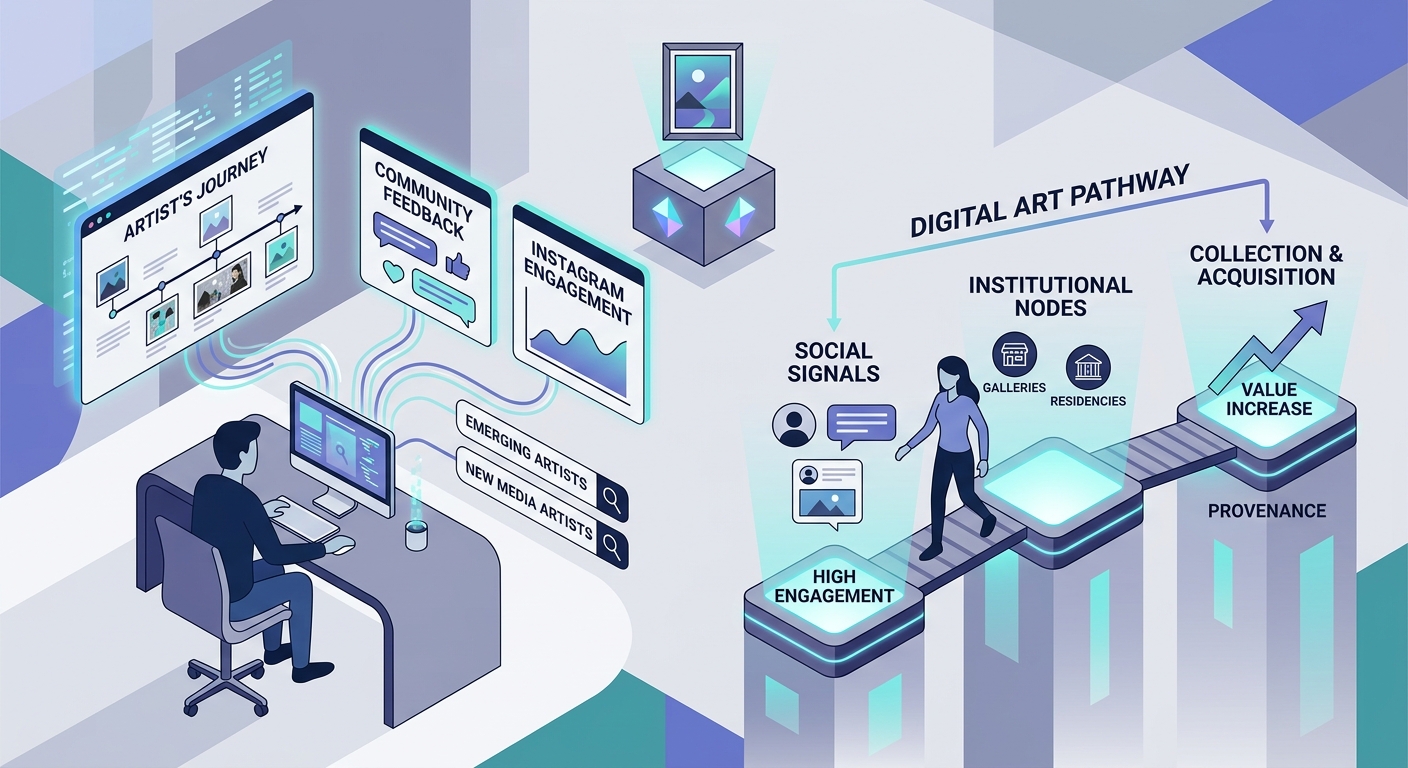
Emerging artists improve visibly when you watch their progression. Their early work might show promise but lack refinement. Six months later, you’ll see technical growth, clearer artistic voice, and more confident execution.
Follow artists before you buy. Watch how they respond to feedback, whether they experiment with new techniques, and if they maintain consistent output without flooding the market.
Create a private watchlist using a simple spreadsheet:
- Add the artist’s wallet address and primary platform
- Note the date you discovered them and current floor price
- Record how many pieces they’ve minted and sold
- Track their engagement with collectors and other artists
- Set monthly reminders to review their recent work
- Document any exhibitions, collaborations, or press mentions
This system helps you identify patterns that predict long-term success. Artists who engage thoughtfully with collectors, collaborate with peers, and steadily improve their craft tend to build sustainable careers.
The ones who disappear for months, then drop a rushed collection hoping to capitalize on a trend, rarely maintain value.
Look for technical innovation, not just aesthetic appeal
Beautiful work is everywhere. Technical innovation is rare.
Generative art on the blockchain: where code meets canvas demonstrates how artists push creative boundaries using algorithms and smart contracts. Collectors who recognized early generative artists built portfolios that appreciated significantly.
Ask yourself what the artist is doing that couldn’t exist in traditional media. If their work could be a painting or photograph, it might be good art, but it’s not necessarily valuable digital art.
Look for creators experimenting with:
- On-chain storage rather than centralized hosting
- Interactive elements that respond to blockchain data
- Layered metadata that adds utility beyond visual appeal
- Novel smart contract mechanics that create unique collector experiences
- Cross-platform compatibility that ensures longevity
Technical sophistication doesn’t mean complexity for its own sake. The best digital artists use technology to enhance their artistic vision, not replace it.
Community engagement reveals more than follower counts
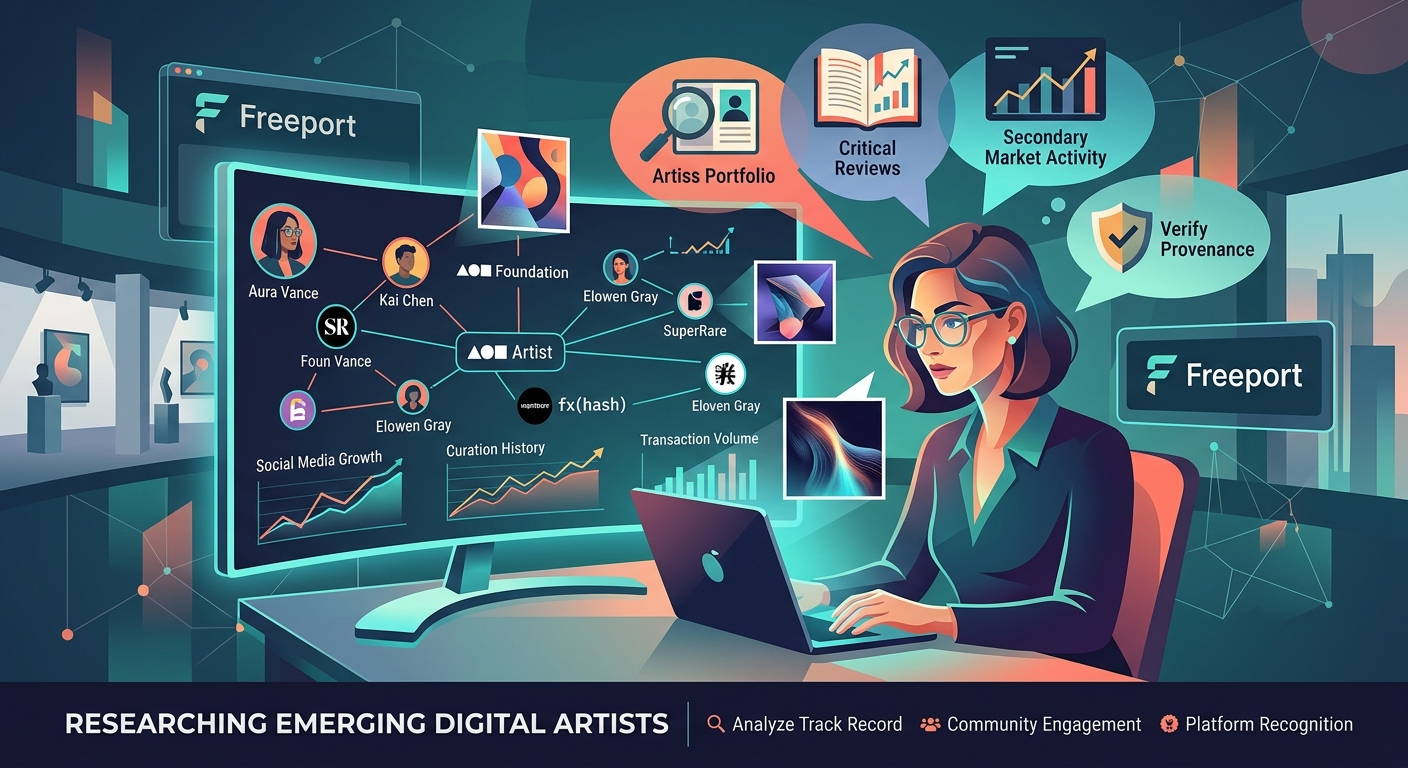
An artist with 2,000 engaged followers beats one with 20,000 passive observers every time.
Read the comments on their posts. Are collectors asking thoughtful questions? Are other artists showing genuine interest? Does the creator respond with substance rather than generic thanks?
Join Discord servers and Telegram groups where digital artists gather. Lurk for a while before participating. You’ll notice which artists contribute to conversations, share knowledge, and support peers rather than just promoting themselves.
The artists who build communities rather than audiences create lasting value. Their collectors become advocates who introduce new buyers, defend the work during market downturns, and provide feedback that helps the artist grow.
“The collectors I value most are the ones who reached out before my work had any secondary market value. They bought because they connected with what I was creating, not because they saw an investment opportunity. Those relationships shaped my entire career.” – Anonymous blockchain artist with 6-figure sales
Research beyond the primary marketplace
Most emerging artists start on one platform but maintain presence across several channels. Cross-reference what you find.
Check their personal website or portfolio if they have one. This shows whether they think beyond individual drops and consider their body of work as a whole.
Look at their GitHub if they code their own generative work. Active repositories with clear documentation indicate technical competence and commitment to craft.
Review any traditional art background. Artists who’ve shown in physical galleries, studied formally, or worked in related creative fields bring different perspectives than purely digital-native creators.
Search their name with terms like “interview,” “feature,” or “spotlight.” Early press coverage in niche publications often precedes mainstream attention by months.
| Research Method | What It Reveals | Red Flags to Watch |
|---|---|---|
| On-chain sales history | Real collector demand vs. hype | Same wallet buying everything |
| Platform activity timeline | Consistency and work ethic | Long gaps followed by rushed drops |
| Collector wallet analysis | Quality of buyer base | Only new wallets with no history |
| Community engagement | Relationship building skills | Self-promotion without interaction |
| Technical documentation | Innovation and transparency | Vague descriptions of process |
| Cross-platform presence | Professional approach | Inconsistent quality across channels |
Attend virtual exhibitions and gallery events
From physical to digital: top galleries bridging traditional and blockchain art are curating online exhibitions that introduce emerging talent. These galleries have reputations to protect, so their selections carry weight.
Virtual gallery openings let you interact with artists in real time. Ask about their process, influences, and future direction. The conversations reveal far more than static marketplace listings.
Many platforms host artist talks, AMAs (ask me anything sessions), and panel discussions. Artists who articulate their vision clearly and discuss their work with depth tend to build stronger collector bases.
Bookmark exhibition schedules for galleries that focus on emerging digital artists. Set calendar reminders for opening nights. Showing up consistently helps you spot rising talent before wider audiences discover them.
Analyze secondary market behavior patterns
Primary sales tell one story. Secondary markets tell another.
When an artist’s work starts appearing on OpenSea or other secondary platforms, watch the trading patterns. Healthy secondary activity shows collectors holding pieces long-term with occasional sales at increasing prices.
Unhealthy patterns include immediate flips after mint, declining prices with each sale, or complete absence of secondary trading (suggesting collectors are stuck with unsellable work).
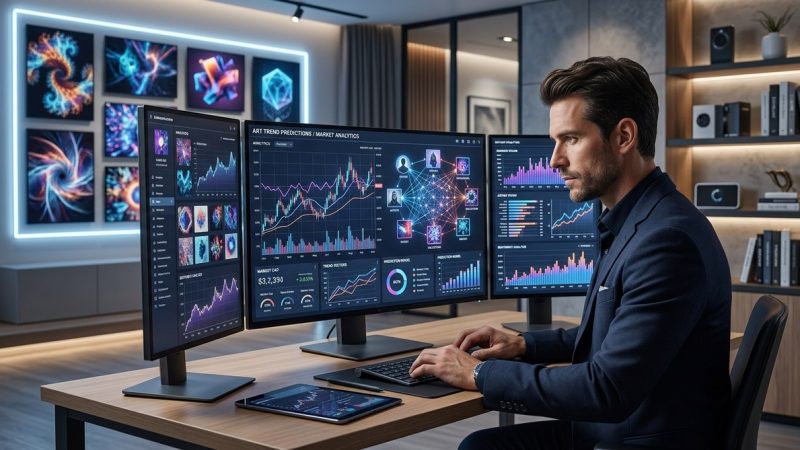
Use analytics tools to track:
- Average hold time before first resale
- Price trends over sequential sales
- Number of unique collectors vs. total pieces sold
- Ratio of listed pieces to total supply
Artists whose work maintains or increases value in secondary markets demonstrate real collecting interest. What makes a digital artwork valuable in the long term? explores the factors that drive sustained appreciation.
Build relationships before making offers
The best collecting opportunities come from genuine relationships with artists.
Follow their work for at least a month before reaching out. When you do contact them, reference specific pieces and explain what resonates with you. Generic compliments get ignored.
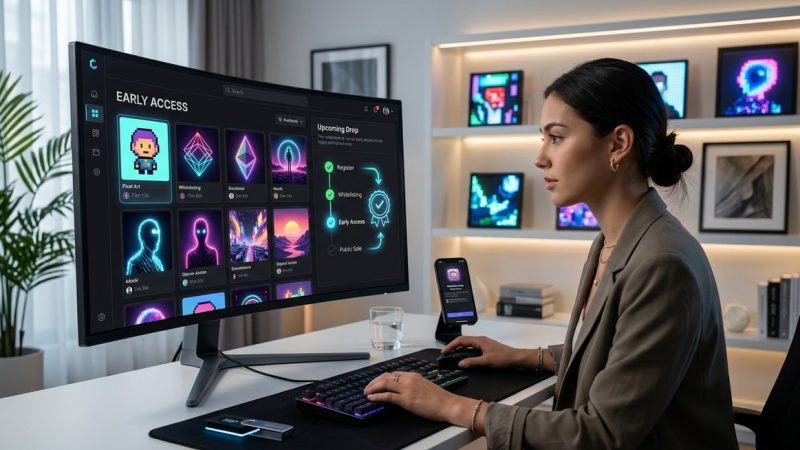
Many emerging artists offer early access or special pricing to engaged community members. They remember collectors who supported them before success arrived.
Don’t lead with investment talk. Artists can tell the difference between someone who appreciates their work and someone treating them as a speculative asset.
If you’re genuinely interested in an artist’s development, consider:
- Asking thoughtful questions about their process
- Sharing their work with your network (without expecting anything in return)
- Providing constructive feedback when they request it
- Attending their events and participating in discussions
- Collecting smaller, more affordable pieces before pursuing major works
Verify authenticity and avoid common scams
The digital art space attracts scammers who impersonate successful artists or steal work from traditional artists to mint as their own.
Before collecting any piece, verify:
- The artist’s verified accounts across platforms match
- Their wallet address is consistent and publicly confirmed
- The artwork appears in their official portfolio
- No reverse image search results suggest stolen content
- The smart contract matches the platform’s standard
How to authenticate digital art before adding it to your collection provides detailed verification steps that protect you from costly mistakes.
New collectors often skip this research when they’re excited about a discovery. That’s exactly when scammers succeed.
Understand the technology behind the art
You don’t need to code, but you should understand basic blockchain concepts that affect the art you’re collecting.
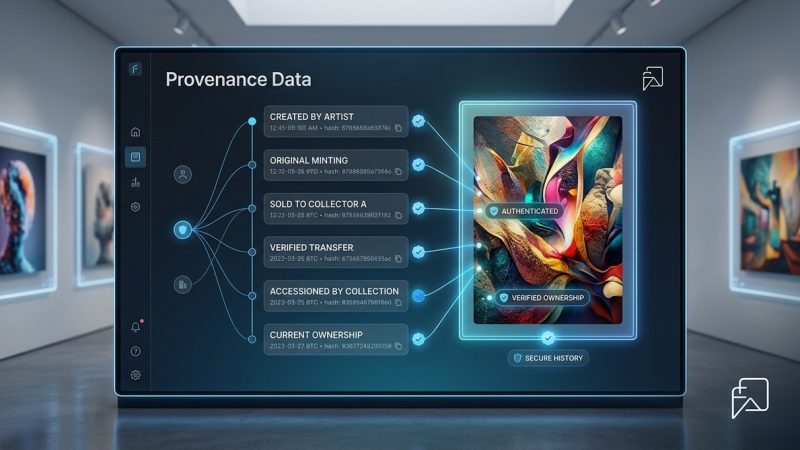
How smart contracts are revolutionizing art ownership and provenance explains the technology that makes digital art collecting possible. Artists who understand these systems create work with better long-term viability.
Ask artists about their technical choices:
- Which blockchain are they using and why?
- Where is the artwork stored (on-chain, IPFS, centralized server)?
- What happens to the art if the platform closes?
- Do they include resale royalties in the smart contract?
- Can the work be displayed across different platforms?
Artists who answer these questions clearly and thoughtfully tend to create more durable work. Those who can’t explain their technical choices might not understand the implications for collectors.
Consider the artist’s long-term vision
One-off projects rarely build lasting value. Look for artists with clear creative direction and multi-year plans.
Do they talk about bodies of work rather than individual pieces? Have they outlined series or themes they want to develop? Are they building skills that will let them execute more ambitious projects?
Artists who view their career as a marathon rather than a sprint make better long-term collecting opportunities. They’re less likely to chase trends or abandon their practice when initial hype fades.
7 blockchain artists redefining contemporary digital art in 2026 profiles creators who’ve maintained consistent vision while evolving their practice. Study their career trajectories for patterns you can apply to your own research.
Balance intuition with data-driven research
The best collecting decisions combine analytical research with genuine aesthetic appreciation.
Data tells you which artists are gaining traction, maintaining collector interest, and building sustainable practices. But data can’t tell you which work will resonate with you personally or which artists are creating culturally significant work that transcends market metrics.
Trust your taste, but verify it with research. If you love an artist’s work but all the data suggests problems, dig deeper before collecting. Maybe you’re seeing something others missed, or maybe you’re letting emotion override judgment.
Similarly, if an artist checks every analytical box but their work leaves you cold, that’s valuable information too. The pieces you’ll treasure long-term are the ones that combine intellectual appreciation with emotional connection.
Building your first NFT art portfolio: a step-by-step strategy helps you develop a framework that balances both approaches.
Watch for institutional validation signals
Museums, established galleries, and respected curators are entering the digital art space carefully. When they select emerging artists for exhibitions or acquisitions, pay attention.
Why museums are building blockchain art collections explains how institutional interest affects artist careers and market value. These organizations move slowly and research thoroughly, so their choices carry weight.
Early institutional recognition often precedes broader market appreciation by months or years. Artists who receive grants, residencies, or exhibition opportunities from respected institutions gain credibility that attracts serious collectors.
Don’t wait for museum acquisitions to start collecting. By then, prices have usually adjusted. Instead, track which emerging artists are being invited to institutional conversations, panels, and smaller group shows.
Avoid these common research mistakes
New collectors often fall into predictable traps that waste time and money.
Don’t collect based solely on:
- Social media follower counts (easily manipulated)
- Celebrity endorsements (temporary hype that fades)
- Platform featuring (often paid placement)
- Discord server size (bots inflate numbers)
- Promises of future utility (rarely delivered)
- Comparison to established artists (usually misleading)
7 red flags every digital collector should watch for before buying details warning signs that help you avoid costly mistakes.
The artists worth collecting focus on their work rather than marketing gimmicks. They build slowly, improve consistently, and develop genuine collector relationships.
Finding tomorrow’s important artists today
The artists creating significant work right now aren’t waiting for permission or validation. They’re minting pieces, building communities, and pushing technical boundaries while most collectors focus on established names.
Your research process should become a habit, not a one-time effort. Spend an hour each week reviewing new work, tracking artists on your watchlist, and participating in community discussions. The patterns you notice over months reveal opportunities that data snapshots miss.
The best part about collecting emerging digital artists is the relationship you build with their practice. You’re not just acquiring assets. You’re supporting creative development and participating in an artistic movement that’s still defining itself.
Start small, research thoroughly, and trust the process. The collection you build by finding artists early will be more meaningful and potentially more valuable than anything you could assemble by chasing established names.