Unlocking the Future of Digital Art Investment with Blockchain Innovations in 2026
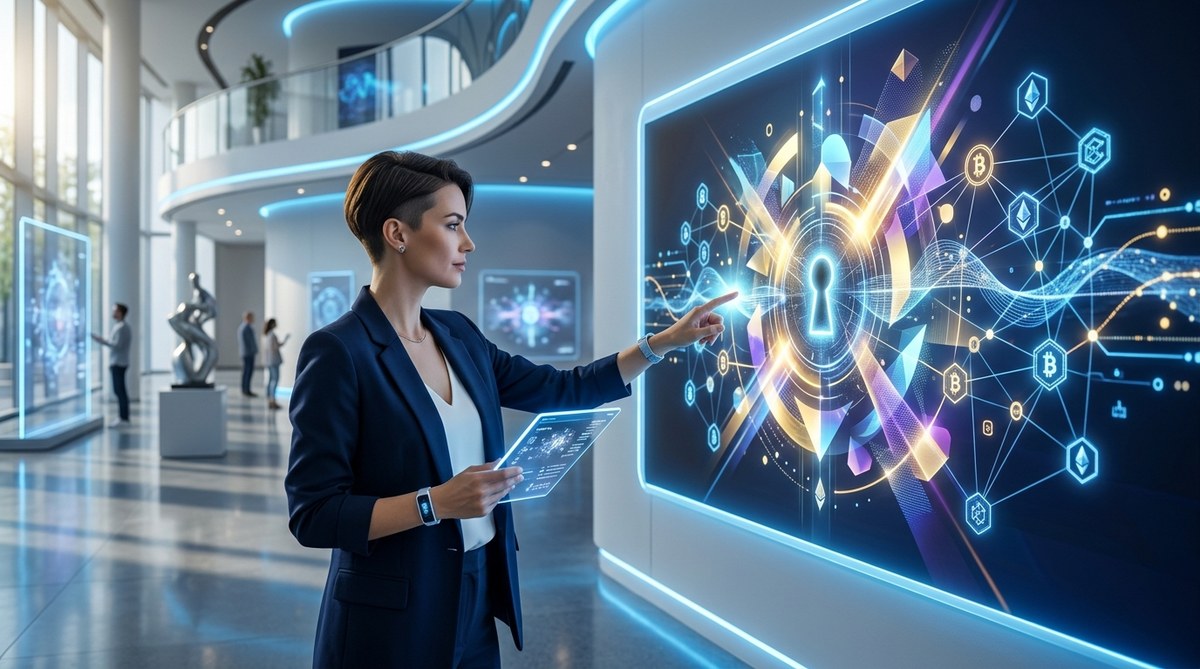
Digital art investment on the blockchain has reached a new height in 2026. More collectors and investors are turning to digital assets for their portfolios. Blockchain technology continues to revolutionize how art is created, bought, and sold. This year marks a pivotal moment for anyone interested in digital art blockchain investments. Understanding emerging trends and innovations can help you make smarter decisions and grow your collection confidently.
Why 2026 Is a Breakthrough Year for Blockchain-Based Art
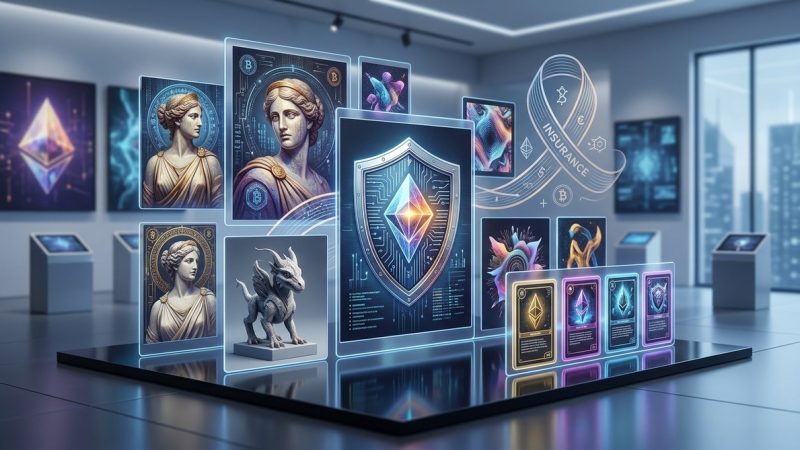
The landscape of digital art has shifted dramatically over the past few years. In 2026, blockchain technology is now deeply embedded in the art world. It is no longer just about trading pixels or images. Instead, blockchain underpins rights management, provenance, and fractional ownership. Major institutions like museums and galleries are launching blockchain collections, bringing legitimacy and stability to the market.
This year also sees a surge in new platforms supporting digital art investments. These platforms leverage advanced security, scalability, and interoperability features. They aim to make digital art more accessible, transparent, and sustainable. The industry is moving beyond hype into a mature ecosystem that prioritizes long-term value.
Key Trends Driving Digital Art Blockchain Investments in 2026
1. Mainstream Adoption by Institutions and Galleries
More museums and galleries are acquiring blockchain-based artworks. They recognize the benefits of provenance tracking and secure ownership records. These institutions are also experimenting with virtual exhibitions and metaverse displays, increasing exposure for digital art.
2. Advanced Tokenization and Fractional Ownership
Tokenization continues to grow in popularity. It allows high-value artworks to be divided into smaller, tradable fractions. Investors can now own a piece of a masterpiece without needing to buy the whole thing. This process broadens access and liquidity.
3. Integration of AI and Generative Art
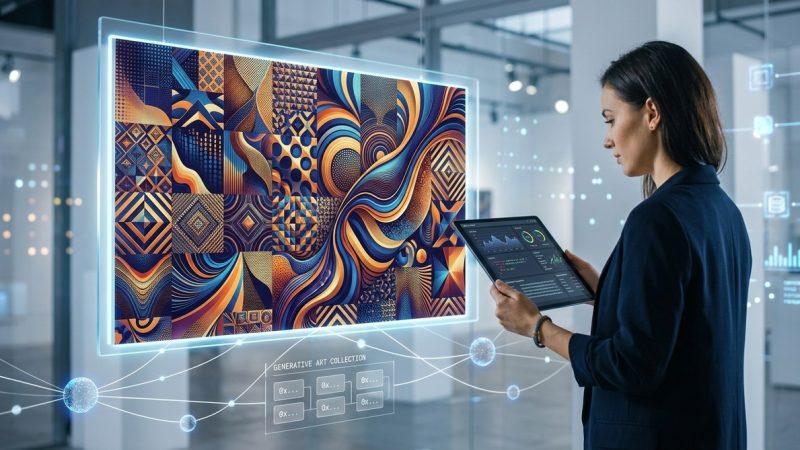
AI-generated art is now a staple in digital collections. Artists are using generative models to create unique, on-demand works. Blockchain platforms are supporting these projects through specialized smart contracts. This fusion of art and technology adds new layers of value and authenticity.
4. Utility and Interactive NFTs
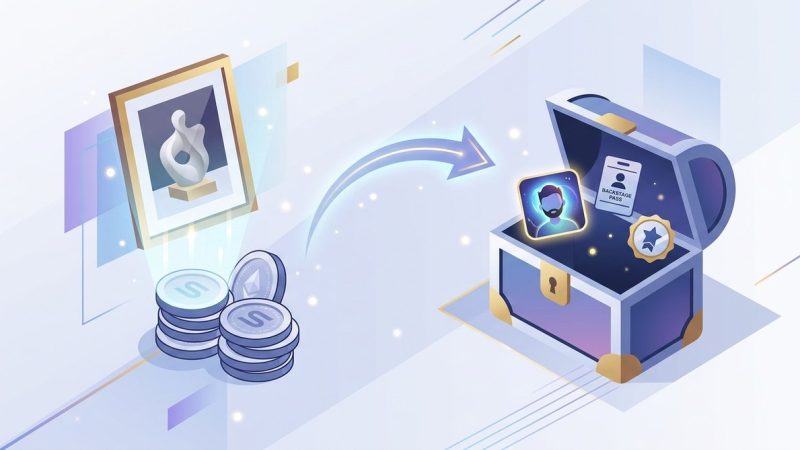
NFTs are shifting from static images to functional assets. Utility NFTs grant access to exclusive content, events, or experiences. Interactive artworks respond to viewer input or on-chain data, creating evolving pieces. These innovations boost the desirability and utility of digital assets.
5. Enhanced Security and Storage Solutions
Security remains a top priority. Decentralized storage options like IPFS and Arweave are popular for long-term preservation. Layer 2 solutions on Ethereum provide cheaper transaction fees and faster settlement times. These improvements reduce risks and costs for investors.
How To Build a Strong Digital Art Blockchain Collection
Getting started in 2026 involves a clear, step-by-step process. Here are the essential actions to take:
-
Research the Artist or Platform’s Track Record
Focus on creators with a proven history of quality work and consistent engagement. Look into their previous sales, community presence, and collaborations. -
Understand the Smart Contract Mechanics
Know how royalties are assigned and enforced. Verify whether the contract allows creators to receive secondary sales commissions. -
Verify Authenticity and Provenance
Use blockchain explorers and provenance tools to confirm ownership history. Authentic digital art should have a transparent, traceable record. -
Join Community and Marketplaces
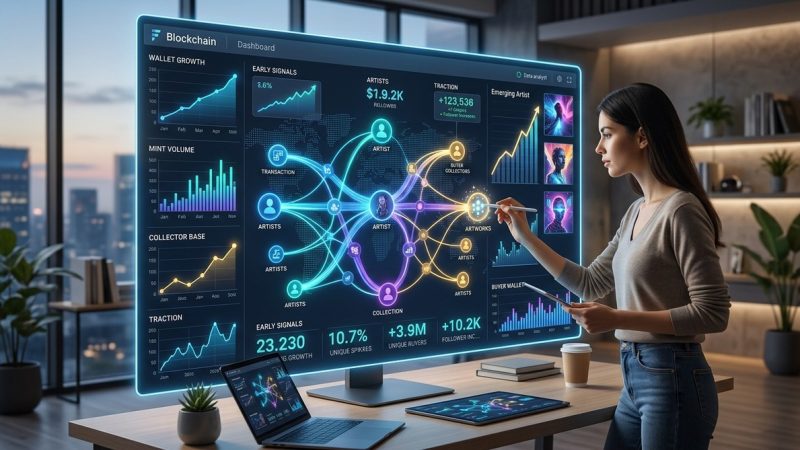
Engage with online forums, Discord groups, and social media channels dedicated to blockchain art. Participating in communities helps you spot emerging trends and trustworthy sources. -
Start Small and Diversify
Avoid putting all your funds into one piece or artist. Spread investments across various platforms, styles, and creators to manage risk effectively.
“Long-term digital art value is rooted in authenticity, utility, and community support. Investing wisely means understanding both the technology and the cultural context,” advises digital art strategist Laura Jensen.
Practical Techniques for Successful Digital Art Investing
- Focus on artworks with strong provenance records.
- Prioritize works from verified artists or reputable platforms.
- Use secure wallets and storage methods to protect your assets.
- Keep an eye on platform stability and future interoperability options.
- Monitor market trends and adjust your holdings accordingly.
Common Mistakes to Avoid
| Mistake | Why it’s harmful | How to prevent it |
|---|---|---|
| Ignoring provenance | Can lead to counterfeit or stolen art | Always verify ownership history |
| Overtrading | Can diminish returns due to fees | Invest with patience and strategy |
| Falling for scams | Risk of losing assets | Use trusted platforms and wallets |
| Not understanding smart contracts | Missed rights or royalties | Read contract details before purchasing |
| Neglecting storage security | Susceptible to hacks | Use hardware wallets or decentralized storage |
The Technology Powering Digital Art in 2026
Blockchain platforms like Ethereum, Tezos, and Solana dominate the space. Each offers different features, fees, and community support. Ethereum remains the most popular but faces scaling challenges. Layer 2 solutions like Polygon are increasing in usage to reduce costs.
Smart contracts automate royalties, enforce ownership rights, and facilitate fractional investments. Decentralized storage ensures artworks remain accessible regardless of platform changes. These innovations are making digital art more resilient and trustworthy.
Building Your Collection Strategy for Long-Term Success
Developing a thoughtful approach is key. Here are some tips:
- Focus on quality and rarity: Limited editions or one-of-a-kind pieces tend to hold value better.
- Prioritize transparency: Provenance and authenticity are critical.
- Consider utility and community: Artworks that provide ongoing benefits or connect to active groups are more likely to appreciate.
- Stay informed about platform updates: New features and interoperability options can enhance your holdings.
- Practice patience: Digital art markets can be volatile. Long-term holding often pays off.
Final Thoughts on Navigating Digital Art Investments in 2026
Investing in digital art on the blockchain this year offers unprecedented opportunities. By understanding key trends like platform stability, innovative utility, and community engagement, you can position yourself as a savvy collector. Remember to verify authenticity, diversify your holdings, and stay up to date with technological developments.
Building a meaningful digital art collection is about more than just buying assets. It involves cultivating knowledge, engaging with communities, and understanding the evolving landscape. With deliberate steps, you can make the most of the exciting opportunities in blockchain-based art.
Stepping Into the Future of Digital Art Collecting
The market in 2026 is vibrant and full of potential. Embrace the innovations and strategies that resonate with your interests and goals. Whether you’re an enthusiast, collector, or investor, thoughtful participation will help you navigate this dynamic space confidently. Start small, learn continuously, and enjoy the journey of creating a digital art collection that holds lasting value.