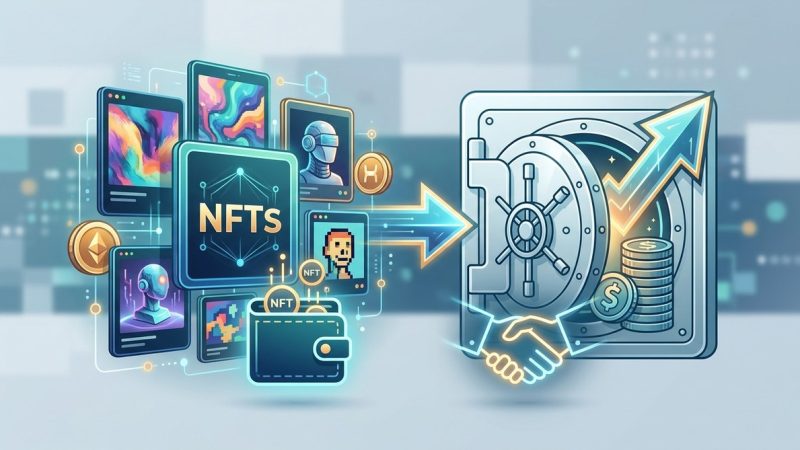
The Psychology Behind Digital Scarcity: What Drives Value in Limited Edition Drops

Digital scarcity has become a powerful force shaping consumer behavior in the digital age. As more brands and creators harness the allure of limited editions, understanding the underlying psychology behind scarcity can unlock new opportunities for product launches, marketing strategies, and community building. When consumers perceive a product as rare or exclusive, their desire to acquire it often intensifies, leading to heightened demand and brand loyalty. This article explores the psychology of digital scarcity, highlighting why it works and how to leverage it effectively.
The Mind’s Response to Scarcity
The human brain is wired to assign value to things that are limited or hard to obtain. This response isn’t new; it has roots in our evolutionary past. Scarcity triggers a set of psychological reactions that make us want something more than if it were abundant. In the digital realm, where products are often infinitely replicable, scarcity creates a sense of urgency and exclusivity that can significantly influence consumer decisions.
When people see a limited number of digital collectibles, artworks, or NFTs, they often experience a fear of missing out, commonly called FOMO. This emotional trigger pushes consumers to act quickly to avoid losing the opportunity. The desire to own something rare is reinforced by the perception that scarcity equates to higher value. As a result, digital drops with limited editions tend to sell out fast, generating buzz and long-term loyalty.
Why Scarcity Sells: Psychological Drivers
Several core psychological factors explain why digital scarcity is so effective:
-
Perceived value increases with scarcity: When a product is rare, consumers believe it is more valuable. This perception is amplified when the scarcity is authentic and well communicated.
-
FOMO fuels urgency: The fear of missing out compels buyers to act fast. Limited time offers or small supply counts heighten this feeling.
-
Social proof and exclusivity: Owning a limited edition can signal status, making it desirable within communities. Seeing others acquire scarce items adds social proof that the product is worth having.
-
Control and mastery: Limited drops often feel like an achievement, giving buyers a sense of control over their collection or status.
-
Emotional attachment: Scarcity can foster emotional bonds. Consumers may feel like they are part of an exclusive group, strengthening loyalty.
Techniques to Create Digital Scarcity
To tap into the psychology of digital scarcity effectively, consider these strategies:
- Limit availability: Set a fixed number of editions or NFTs. Clearly communicate the scarcity to create urgency.
- Time-limited offers: Introduce deadlines for purchases or access windows for special releases.
- Exclusive access: Offer certain digital assets only to select groups, such as early supporters or community members.
- Unique serial numbers or provenance: Assign individual identifiers to each piece, emphasizing its uniqueness.
- Create narrative and context: Frame the drop as a historic or special event to increase perceived importance.
Practical process for leveraging digital scarcity
- Define your exclusivity: Decide on the number of editions or time frame for the drop.
- Communicate clearly: Use storytelling to highlight the rarity and significance of the release.
- Build anticipation: Use teasers, countdowns, and community engagement to generate buzz.
- Limit access: Deploy queue systems or gated access to ensure fairness and authenticity.
- Follow up: Reinforce scarcity after the drop with updates on remaining stock or future limited releases.
Common Mistakes in Applying Digital Scarcity
| Technique | Mistake | Explanation |
|---|---|---|
| Limited availability | Overpromising | Promising scarcity that cannot be fulfilled damages trust. |
| Time-limited offers | Poor timing | Launches that do not align with audience behavior can backfire. |
| Exclusive access | Lack of transparency | Hidden or unclear restrictions breed suspicion. |
| Narrative framing | Overhyping | Creating false scarcity diminishes credibility. |
“Authenticity is key in scarcity marketing. Consumers can tell when scarcity is genuine versus when it’s a gimmick. Building trust ensures long-term loyalty.” — marketing strategist
Balancing Scarcity and Trust
While scarcity can drive demand, overdoing it may harm brand perception. Consumers value transparency and fairness. If they feel manipulated or misled, trust erodes quickly. To maintain a healthy balance, always communicate honestly about the limits and reasons behind scarcity. Regularly delivering on promises and offering genuine exclusives will foster a loyal community.
Cultural and Ethical Considerations
Scarcity can also raise ethical questions. Artificial scarcity, where products are intentionally limited without real reasons, can be seen as manipulative. In digital spaces, transparency is especially important. Authentic scarcity builds genuine excitement and loyalty, whereas fake scarcity risks damaging reputation. Respecting consumer intelligence and maintaining integrity is vital.
Digital Scarcity as a Storytelling Tool
Digital scarcity isn’t just a sales tactic. When woven into your brand story, it can create an emotional connection. Narratives around limited editions—like celebrating a milestone or honoring a special event—resonate deeply. Storytelling amplifies the sense of occasion, making the drop memorable and meaningful.
The Future of Scarcity in Digital Markets
As technology advances, the psychology of digital scarcity will continue to evolve. Blockchain solutions like https://freeport.app/how-smart-contracts-are-revolutionizing-art-ownership-and-provenance/ enable truly verifiable scarcity. Smart contracts can ensure that editions are genuinely limited and traceable, reinforcing authenticity. Additionally, dynamic scarcity models, where editions can become more or less available based on community engagement, may become more common.
Practical Takeaways for Your Digital Strategy
- Use scarcity to create excitement but avoid overpromising.
- Communicate openly about the limits and significance of each drop.
- Combine scarcity with storytelling to deepen emotional bonds.
- Leverage blockchain technology for transparent and provable scarcity.
- Monitor community feedback to adjust your approach and build trust.
Final Thoughts
The psychology of digital scarcity taps into fundamental human instincts—our desire for uniqueness, status, and control. When used thoughtfully, scarcity can elevate your digital offerings beyond mere products, transforming them into coveted experiences. Remember to prioritize authenticity, communicate clearly, and respect your community’s intelligence. Applying these principles will help you craft launches that resonate and foster long-lasting loyalty.
Harnessing scarcity for meaningful digital connections
By understanding and respecting the psychological drivers behind scarcity, you can create digital experiences that truly engage your audience. When scarcity is genuine and well communicated, it becomes a powerful tool for building anticipation, trust, and community. Start small, test your approach, and listen to your community. With patience and authenticity, scarcity can become a cornerstone of your digital strategy and a catalyst for lasting relationships.