Why Serious Art Collectors Are Moving to Self-Custodial Solutions
Serious art collectors know that safeguarding priceless pieces goes beyond traditional gallery storage or third-party services. As the digital age transforms how we view ownership, a new custodial approach emerges—self-custodial solutions for art. These methods empower collectors to take full control of their collections, ensuring security, transparency, and long-term value. With market trends leaning toward decentralization and blockchain technology, understanding how to implement self-custodial strategies is vital for anyone serious about their art.
Self-custodial solutions for art offer serious collectors enhanced security, control, and transparency by leveraging blockchain and decentralized storage. Moving away from reliance on third parties allows for long-term preservation and value retention in a rapidly evolving digital landscape.
Why more art collectors are choosing self-custodial options
Traditional art storage involves galleries, museums, or third-party custodians. While these options seem reliable, they come with risks like loss, damage, or even restrictions on access. Recent market developments and technological advances make self-custodial solutions more attractive. Collectors gain full ownership rights, increased privacy, and the ability to leverage innovative tools like blockchain to verify provenance and authenticity.
Self-custody means taking responsibility for the storage and management of your collection. This approach aligns with the broader shift toward decentralized systems in Web3, where ownership is clear, and control is in the hands of the individual. For art collectors, this shift offers new opportunities to safeguard pieces securely and maintain long-term value.
How self-custodial solutions work for art collectors
Implementing a self-custodial approach involves a few practical steps. Here’s a straightforward process to start:
-
Assess your collection and storage needs
Understand the types of art you hold, whether physical or digital. Digital art, especially blockchain-based pieces, can be stored with private wallets and decentralized platforms. Physical art requires secure safes or vaults with climate control. -
Select appropriate custody tools
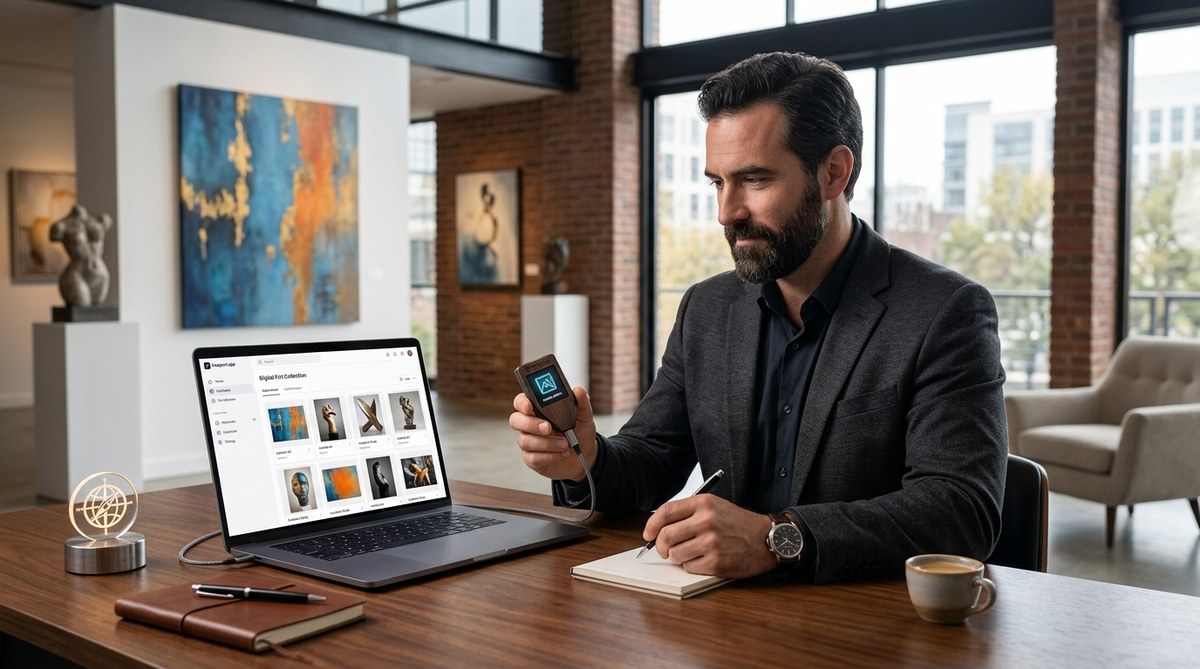
For digital assets, use hardware wallets or secure digital wallets that support blockchain-based ownership records. For physical art, invest in high-quality safes, climate-controlled storage facilities, or private vaults. -
Utilize blockchain and decentralized storage
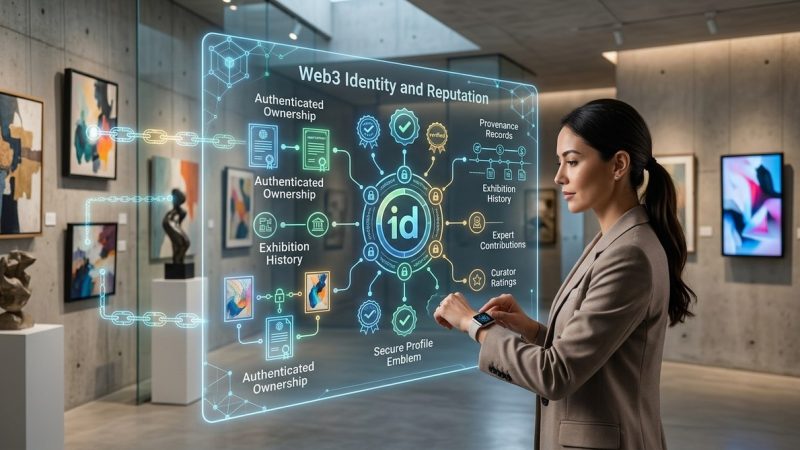
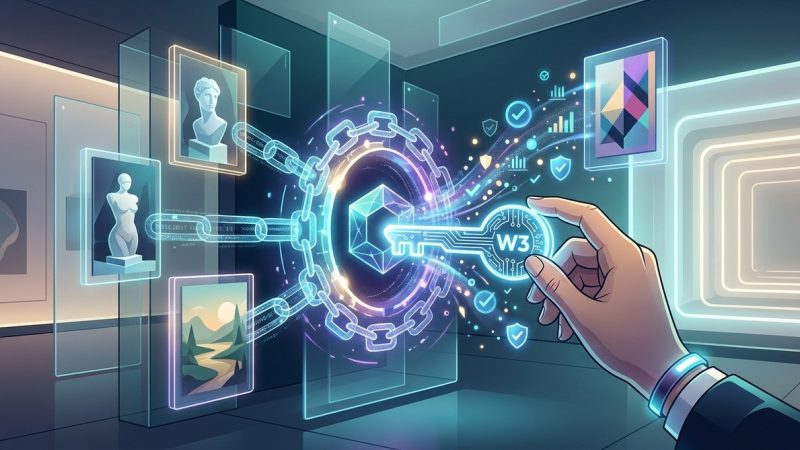
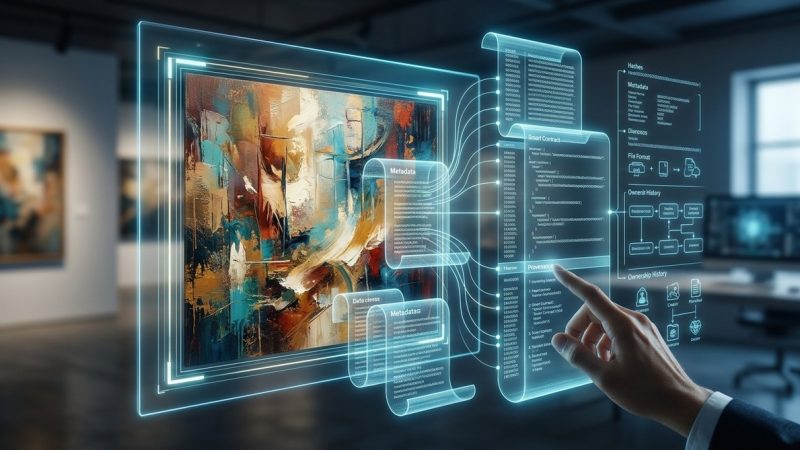
Blockchain provides an immutable record of ownership, provenance, and transfer history. Platforms like https://freeport.app/how-smart-contracts-are-revolutionizing-art-ownership-and-provenance/ help verify authenticity. Decentralized storage solutions like IPFS or Arweave safeguard digital files over the long term. -
Implement security best practices
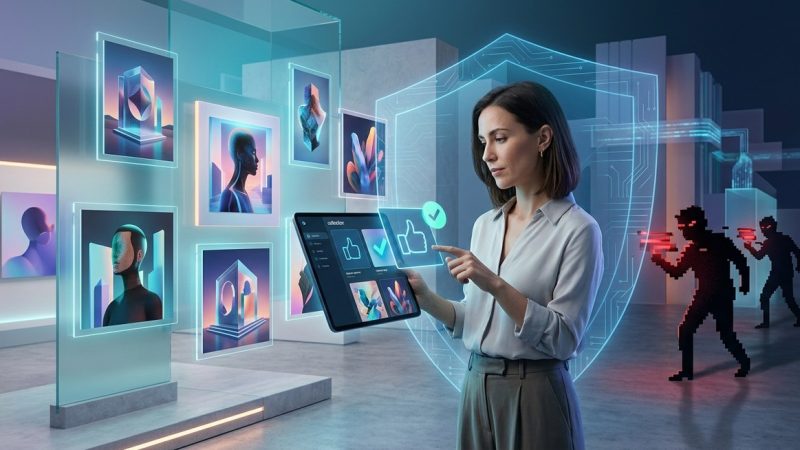
Keep private keys offline, avoid sharing access, and consider multi-signature wallets for added security. Regularly update security measures to stay ahead of evolving cyber threats. -
Maintain documentation and provenance
Keep detailed records of storage, authentication, and transfer processes. Using blockchain-based certificates or NFTs can serve as tamper-proof proof of ownership.
Techniques and common mistakes
| Techniques | Mistakes to avoid |
|---|---|
| Using hardware wallets for digital assets | Storing private keys on internet-connected devices |
| Decentralized storage for long-term preservation | Relying solely on third-party custodians |
| Multi-signature wallets for enhanced security | Sharing private keys or access credentials |
| Blockchain verification of provenance | Failing to document and record ownership properly |
Advantages of self-custodial solutions in art collecting
- Enhanced security: You control your private keys, reducing risks of theft or loss.
- Full ownership and control: No middlemen or third-party restrictions.
- Transparency and provenance: Blockchain provides clear, tamper-proof records.
- Long-term preservation: Decentralized storage options ensure art remains accessible over decades.
- Market flexibility: Easier to transfer, sell, or showcase your collection on your terms.
“Taking custody of your collection means embracing the technological tools that make ownership more transparent and secure,” advises blockchain art expert Jane Doe. “It puts power back in the hands of collectors, especially as digital assets become more prevalent.”
Practical tips for transitioning to self-custodial solutions
- Start small: Move a few digital assets or a single physical piece first.
- Educate yourself: Understand blockchain, private keys, and decentralized storage options.
- Partner with trusted providers: Use reputable hardware wallet brands and decentralized storage platforms.
- Regularly review security measures: Update passwords, backups, and authentication methods.
- Keep backups offline: Store seed phrases and keys in secure, offline locations.
Common pitfalls and how to avoid them
| Technique | Mistake |
|---|---|
| Using weak or easily guessable passwords | Falling victim to hacking or unauthorized access |
| Relying solely on digital storage without backups | Losing access due to hardware failure or cyber attacks |
| Sharing private keys with unverified parties | Compromising your collection’s security |
| Ignoring updates or security patches | Leaving vulnerabilities open for attack |
Moving toward a future of digital and physical autonomy
The trend toward self-custodial solutions reflects a broader desire for independence and security in art collecting. Whether managing blockchain-based assets or safeguarding physical works, taking control ensures your collection’s integrity and value are preserved. As blockchain technology advances, tools like https://freeport.app/royalties-and-rights-understanding-artist-compensation-in-blockchain-art/ and https://freeport.app/how-smart-contracts-are-revolutionizing-art-ownership-and-provenance/ make it easier than ever to verify authenticity and provenance without third-party involvement.
In the digital realm, decentralized storage and blockchain verification become essential. For physical assets, secure vaults and high-tech safes provide peace of mind. Combining these methods creates a resilient custodial strategy that adapts to the evolving art landscape.
Practical steps for adopting self-custodial solutions today
- Review your collection and determine what assets are digital versus physical.
- Invest in trusted security tools like hardware wallets for digital items.
- Use decentralized platforms for long-term digital storage.
- Implement multi-layered security measures—secure backups, encryption, and access controls.
- Document your processes and keep records on a tamper-proof ledger or NFT.
A personalized approach: tailored custodial strategies for your collection
Every collection is unique. Some collectors prefer a fully digital approach, leveraging blockchain and decentralized storage. Others focus on physical security, with high-end safes or private vaults. Combining both ensures your entire collection benefits from maximum control and security.
For digital art, consider NFTs stored with hardware wallets and verified on blockchain. For physical pieces, a dedicated climate-controlled vault with regular audits adds peace of mind. Using a mix of techniques tailored to your needs guarantees your collection remains protected and accessible.
Building your own custodial plan
- Evaluate your assets’ nature and value.
- Choose appropriate storage options.
- Implement blockchain verification for digital items.
- Secure physical works with high-quality safes.
- Regularly review and update your security protocols.
Looking ahead: the new era of art custody
The shift to self-custodial solutions is more than a trend—it’s a fundamental change in how collectors manage and protect their assets. By embracing blockchain-based verification and decentralized storage, you gain transparency and control that traditional methods cannot offer.
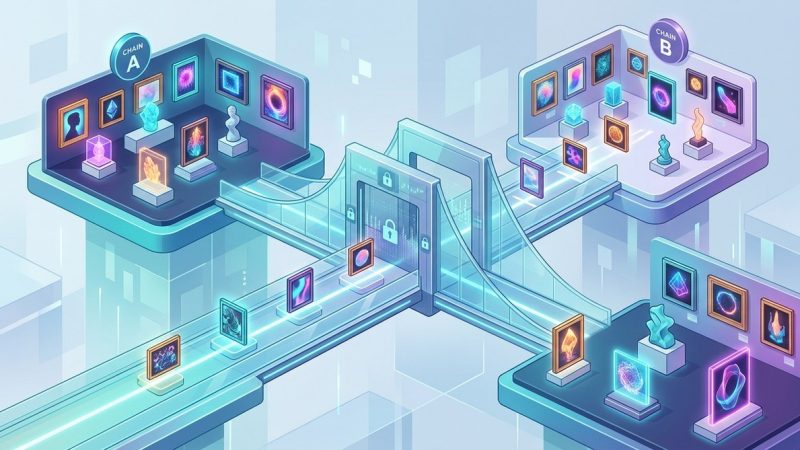
As market innovations continue, the ability to securely store and manage your collection independently will become a key advantage. Stay informed about emerging technologies like layer 2 solutions, cross-chain compatibility, and advanced cryptographic techniques. These tools will make self-custody more accessible and secure than ever before.
Empowering your collection with confidence and control
Taking charge of your art collection by adopting self-custodial solutions means investing in peace of mind. It involves understanding new technologies, making informed choices, and implementing best practices. Whether you possess physical masterpieces or digital assets, this approach grants you the freedom to manage your collection on your own terms.
Remember, safeguarding your art is a continuous process. Regularly update security measures, stay informed about technological developments, and document every step. This proactive stance ensures your collection remains protected for generations to come.
Start small, learn as you go, and gradually build a custodial system that fits your collection’s unique needs. Your art deserves nothing less than the highest level of control and security.