Cross-Chain Bridges for Art NFTs: Opportunities and Security Risks in 2026
NFTs have revolutionized how we perceive and own digital art. But the true potential of blockchain art extends beyond a single platform. Cross-chain bridges are emerging as vital tools for artists, collectors, and developers seeking seamless movement of NFTs across different blockchains in 2024. These bridges unlock new opportunities for increased liquidity, broader audiences, and diversified collections. Yet, they also introduce unique security challenges that cannot be ignored. Understanding both sides is key to thriving in the evolving landscape of blockchain art.
[Cross-chain bridges for art NFTs in 2024](https://en.wikipedia.org/wiki/Cross-chain_technology) offer exciting opportunities for liquidity and interoperability but come with security risks. Proper strategies are essential for safe transfers and collection growth.
The Rise of Cross-Chain Interoperability in Digital Art
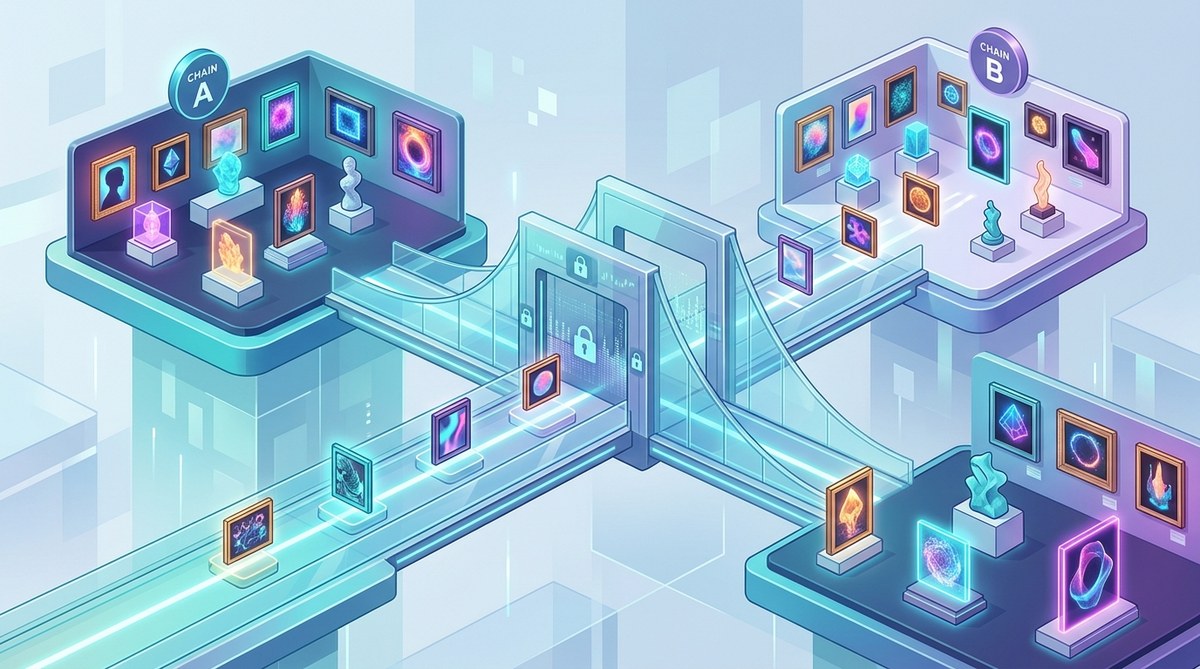
In recent years, blockchain technology has seen a shift toward multi-chain ecosystems. Artists and collectors are no longer confined to one blockchain but seek to leverage multiple platforms like Ethereum, Solana, Tezos, and others. Cross-chain bridges facilitate this movement, enabling NFTs to be transferred, traded, and displayed across various blockchains without losing authenticity or provenance.
For digital art collectors, this means more options to diversify holdings and access different marketplaces. Developers see opportunities to build multi-chain platforms, expanding the reach of their art projects. Security researchers, meanwhile, analyze vulnerabilities intrinsic to these bridges, aiming to create safer solutions.
The trend toward cross-chain interoperability in 2024 is driven by the desire for broader access, increased liquidity, and resilience against platform-specific risks. But with these benefits come new challenges that require careful navigation.
How Cross-Chain Bridges Function in the NFT Ecosystem
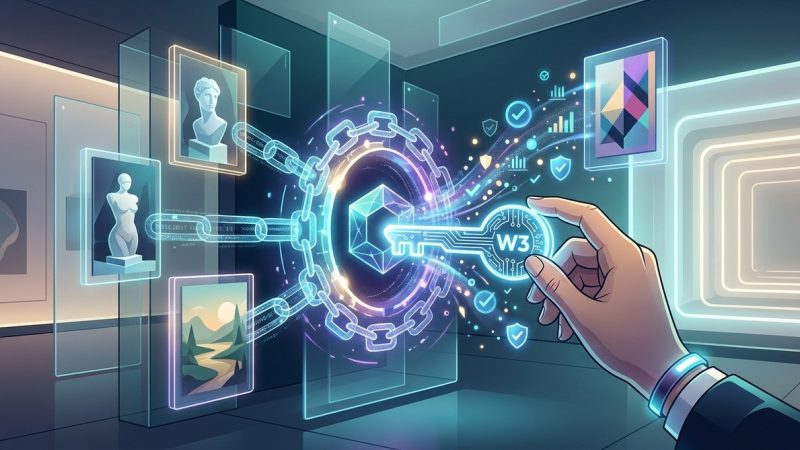
Cross-chain bridges act as connectors between disparate blockchain networks. They typically operate through a series of smart contracts, validators, or relayers that verify and transfer NFT data securely. The process involves three main steps:
- Locking or Burning the Original NFT: On the source chain, the NFT is either locked within a smart contract or burned, indicating it is being moved.
- Verification and Validation: The bridge verifies the action through validators or relayers, ensuring the NFT’s authenticity and preventing double-spending.
- Minting or Unlocking the NFT on the Destination Chain: A corresponding NFT is minted or unlocked on the target blockchain, representing the original asset.
Practically, moving an art NFT across chains involves:
- Selecting a trusted bridge platform, such as Wormhole or LayerZero.
- Connecting your wallet to initiate transfer.
- Confirming the transaction and paying any associated fees.
- Waiting for validation, after which your NFT appears on the new chain.
This process can be summarized as:
- Choose a reputable bridge.
- Initiate transfer with clear destination.
- Confirm and pay fees.
- Wait for validation and completion.
Opportunities Created by Cross-Chain Art Transfers in 2024
The adoption of cross-chain bridges paves the way for numerous benefits:
- Enhanced Liquidity: Art NFTs can be listed on multiple marketplaces across different chains, increasing their chances of sale.
- Broader Audience Reach: Artists can showcase their work on platforms favored by specific communities, such as Solana-based marketplaces or Tezos galleries.
- Portfolio Diversification: Collectors can build multi-chain collections, reducing dependency on a single ecosystem.
- Resilience Against Platform Risks: Moving assets between chains mitigates risks associated with platform shutdowns or vulnerabilities.
- New Collaborative Opportunities: Cross-chain capabilities enable artists to collaborate across different ecosystems, expanding creative possibilities.
These benefits make cross-chain bridges essential infrastructure for the future of digital art.
Security Risks and Challenges in Cross-Chain NFT Transfers
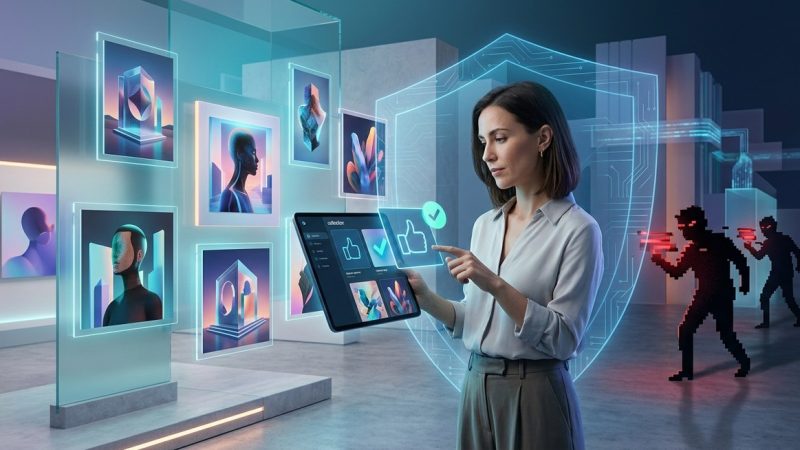
Despite advantages, the security landscape for cross-chain bridges is complex. Several vulnerabilities have historically led to hefty losses and compromised assets.
Common Security Risks in Cross-Chain Bridges
| Technique | Mistake or Risk | Explanation |
|---|---|---|
| Smart contract vulnerabilities | Unverified or poorly audited code | Exploits can drain assets or disable transfers |
| Private key mismanagement | Private keys stored insecurely | Attackers can hijack bridge validators or relayers |
| Validator set attacks | Malicious or compromised validators | Fake validations or double-spending can occur |
| No active transaction monitoring | Lack of real-time oversight | Delayed detection of breaches increases damage |
| Rate limit failures | Excessive transfer requests | Overloading or exploiting the system for attacks |
“Security in cross-chain bridges depends heavily on rigorous audits, secure key management, and active monitoring. Neglecting these can lead to catastrophic breaches.” — Security researcher
Notable security incidents include the Poly Network hack and Wormhole exploit, both highlighting the importance of robust security measures. As the complexity of bridges increases, so does the attack surface.
Practical advice for users and developers:
- Always verify the audit status of the bridge.
- Use hardware wallets for key management.
- Enable multi-factor authentication where possible.
- Monitor transactions actively.
- Limit transfer rates and set thresholds.
How to Reduce Risks When Using Cross-Chain Bridges
- Select well-audited platforms with proven security track records.
- Keep your private keys secure using hardware wallets.
- Regularly update smart contracts and bridge software.
- Use transaction monitoring tools to track transfers.
- Avoid transferring large amounts until the system proves stability.
Technical Strategies for Secure Cross-Chain Transfers
| Technique | Benefit | Mistake to Avoid |
|---|---|---|
| Multi-signature wallets | Increased security | Relying on single keys |
| Decentralized validators | Reduces single point of failure | Using unverified validator sets |
| Zero-knowledge proofs | Ensures privacy and authenticity | Overcomplicating implementation |
| Active transaction monitoring | Early breach detection | Ignoring audit reports |
| Rate limiting | Prevents overload attacks | Ignoring transfer volume patterns |
Implementing these measures requires a thorough understanding of blockchain security principles. Collaborate with security experts and stay updated on emerging threats.
Best Practices for Collectors and Developers
- Always verify the legitimacy of the bridge before initiating transfers.
- Keep a record of transaction IDs and verification receipts.
- Use reputable wallets and avoid sharing private keys.
- For developers, prioritize comprehensive smart contract audits.
- Engage with community security forums for updates and alerts.
The Intersection of Art, Tech, and Security in 2024
Cross-chain bridges are transforming the way digital art is owned and transferred. They enable a more connected and resilient ecosystem. However, their success hinges on security awareness and best practices. By understanding how these systems operate and recognizing their vulnerabilities, collectors and developers can navigate this landscape confidently.
For further insights into how smart contracts are revolutionizing art ownership, check out the guide on how smart contracts are revolutionizing art ownership and provenance. Staying informed about security developments and technological advancements ensures your digital collection remains safe and valuable.
Building a Future of Secure, Cross-Chain Art Collecting
The journey into cross-chain art NFTs in 2024 is promising. It offers expanded possibilities for creativity and investment, provided you approach it with caution and knowledge. Secure your assets, choose reputable platforms, and stay updated on security practices. With the right strategies, you can enjoy the full spectrum of opportunities that a multi-chain environment provides.
Remember, in the fast-moving world of blockchain art, continuous learning and vigilant security are your best allies. Embrace the technology thoughtfully and build your collection with confidence.