Building Your First Web3 Art Collection Without Getting Scammed
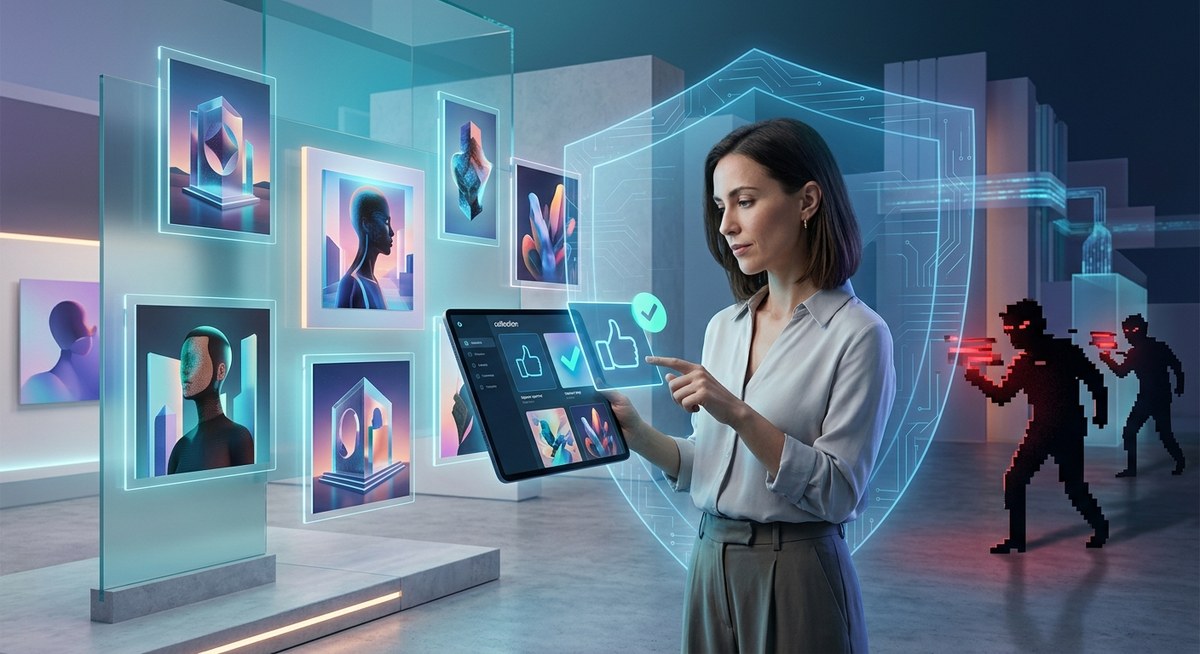
Building your first web3 art collection can feel like stepping into a new universe. The promise of owning unique digital artworks on the blockchain is thrilling. Yet, the space is riddled with scams and pitfalls that can turn excitement into frustration. Knowing how to navigate this environment confidently is essential. This guide walks you through practical steps and key strategies to help you start collecting digital art securely and build a valuable collection that lasts.
Starting your web3 art collection requires understanding the platforms, verifying authenticity, and safeguarding your assets. Follow these steps to avoid scams and make confident purchases that appreciate over time.
Understanding The Web3 Art Ecosystem
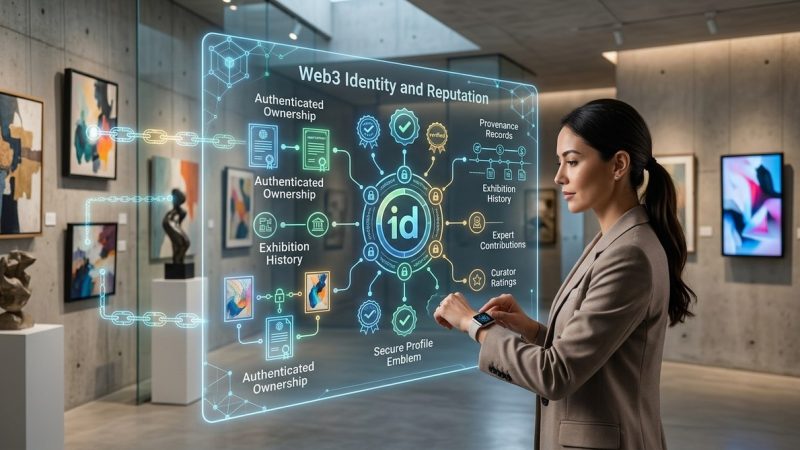
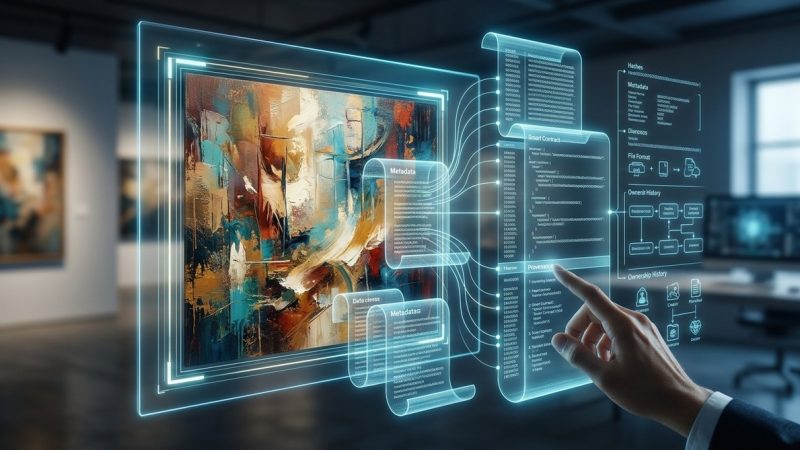
Before diving into collecting, get familiar with how blockchain-based art works. Unlike traditional art, each digital piece is stored as a non-fungible token or NFT. These tokens are secured by smart contracts that verify ownership, provenance, and royalties. Platforms like OpenSea, Rarible, and Zora serve as marketplaces where artists list their work. But not all platforms are created equal. Some are more secure and reputable than others.
Knowing how these platforms operate helps you avoid shady schemes. For example, always check if a marketplace uses proven security measures and has a good community reputation. Remember that the blockchain ledger records every transaction, making provenance and authenticity transparent. This transparency is a huge advantage but only if you buy from trusted sources.
How To Safely Build Your Web3 Art Collection
Building a collection without falling for scams involves a clear process. Here are the essential steps:
1. Educate Yourself on Digital Art and Platform Security
Start by learning about how blockchain art is created and verified. Understand the difference between authentic artworks and counterfeit copies. Read up on the platforms’ security features. For example, ) explains how smart contracts secure digital ownership.
Knowing the common scams helps you spot red flags early. Be wary of offers that seem too good to be true or platforms that lack transparency. Follow trusted sources like educational blogs and community forums to stay updated on emerging scams and best practices.
2. Choose Reputable Marketplaces and Verify Artist Authenticity
Select platforms with a solid reputation. OpenSea, for instance, is one of the largest and most trusted marketplaces. Check if the artist has a verified account or a history of authentic work. Many platforms display badges or verification marks. Do your own research on the artist by reviewing their portfolio, social media presence, and previous sales.
Never buy from unknown or suspicious sources. Use tools like https://freeport.app/how-to-authenticate-digital-art-before-adding-it-to-your-collection/ to verify the legitimacy of digital artworks. Confirm that the NFT is linked to the original creator and not a copy or scam.
3. Use Secure Wallets and Keep Your Private Keys Safe
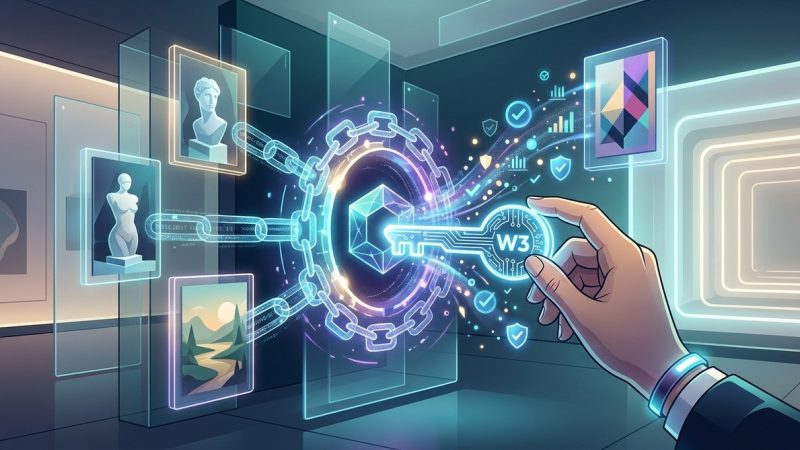
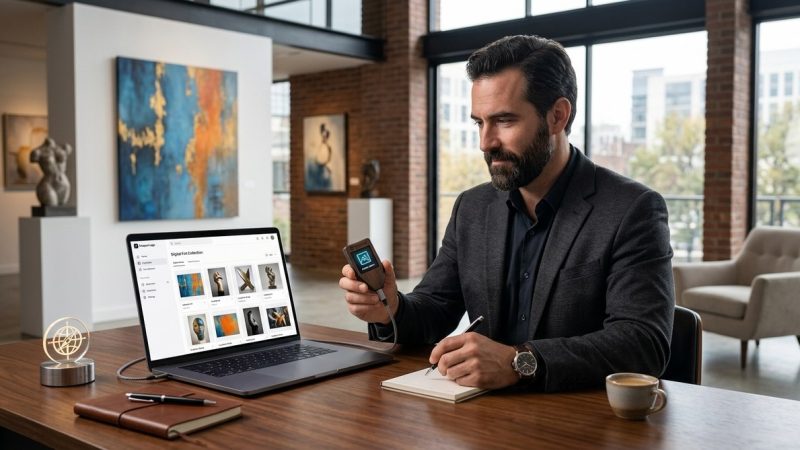
Your digital wallet is your collection’s vault. Use wallets from reputable providers that support multi-factor authentication. Never share your private keys or seed phrases. Store them offline in a secure location. Consider hardware wallets for high-value assets.
Be cautious about phishing attempts. Always verify URLs before connecting your wallet. Remember that scammers often create fake websites or impersonate trusted platforms. If in doubt, consult trusted community resources or
Common Techniques and Mistakes to Avoid
| Technique | Mistake to Avoid |
|---|---|
| Verifying artist credentials | Relying solely on platform badges |
| Using official marketplace links | Clicking on suspicious or viral links |
| Storing assets securely offline | Leaving private keys on a connected device |
| Checking transaction history | Ignoring provenance details |
| Doing your own research | Purchasing during hype without due diligence |
Expert Advice
“Always cross-reference information about an artist and their work. Rely on multiple sources, and never rush your decision. It’s better to wait for a verified, authentic piece than lose money on a scam.” — Blockchain Art Expert
Recognizing and Avoiding Common Scams
Scammers use various tactics to trick collectors. Here are some warning signs:
- Fake artist profiles or impersonators
- Phishing emails requesting wallet information
- Fake marketplaces mimicking real platforms
- Overhyped drops promising quick riches
- Fake or duplicated NFTs claiming authenticity
To avoid falling for these traps, always verify the creator’s identity, use official links, and stick to well-known marketplaces. If a deal feels too aggressive or the price is suspiciously low, it’s a sign to step back.
Techniques to Protect Your Digital Assets
Building a secure collection isn’t just about avoiding scams. It’s also about safeguarding your assets over time. Here are some techniques:
- Regularly update your wallet software
- Enable two-factor authentication
- Use hardware wallets for high-value items
- Keep backup copies of your seed phrases offline
- Stay informed about the latest security threats
Mistake to Watch Out For
| Mistake | Consequence |
|---|---|
| Sharing private keys | Loss of assets and potential theft |
| Not updating wallet software | Vulnerability to known security flaws |
| Storing assets on a connected device | Increased risk of hacking or malware attacks |
How To Build Long-Term Value In Your Collection
Focusing on quality and provenance increases your collection’s worth over time. Here are strategies:
- Invest in works by emerging artists with growth potential
- Focus on pieces with clear provenance and verification
- Diversify your collection across different artists and platforms
- Keep track of market trends and adjust your holdings accordingly
- Engage with the community for insights and opportunities
Final Tips for Confident Collecting
Remember that patience and due diligence are your best tools. Check reviews and community feedback before buying. Use trusted platforms and wallets. Never rush into a purchase without verifying the details. Moving slowly and carefully helps you avoid costly mistakes.
Making Your First Moves with Confidence
Starting your digital art collection on the blockchain is exciting. By understanding the ecosystem, verifying authenticity, and securing your assets, you set yourself up for success. Keep learning, stay cautious, and follow the proven steps to avoid scams. Your collection will grow stronger and more valuable with each careful addition.
A New Chapter in Digital Collecting
Building your first web3 art collection without getting scammed is entirely possible with the right knowledge and habits. Think of it as starting a garden — patience, care, and understanding are key. Take these practical steps to ensure your collection is genuine and secure. Over time, your efforts will turn into a meaningful, valuable digital portfolio.
Happy collecting!