10 Red Flags That Signal a Digital Art Collection Isn’t Worth Your Investment
Digital art has transformed from a niche hobby to a thriving market. Blockchain technology and NFTs have made collecting digital art more accessible than ever. But alongside the opportunities come risks. Knowing what warning signs to watch for can save you from costly mistakes. This guide highlights common red flags in digital art collections, helping you evaluate investments confidently and avoid scams.
Understanding red flags in digital art collections is essential for safe investing. Recognize warning signs like poor provenance, dubious authenticity, and platform risks to protect your assets and make smarter choices in this fast-changing market.
Spotting The Warning Signs: Essential Red Flags In Digital Art Collections
Investing in digital art requires more than just liking a piece or trusting a popular artist. The market is still maturing, and scammers find new ways to exploit unsuspecting collectors. Let’s walk through some of the most common red flags that signal a collection may not be worth your investment.
1. Lack of Provenance and Unclear Ownership History
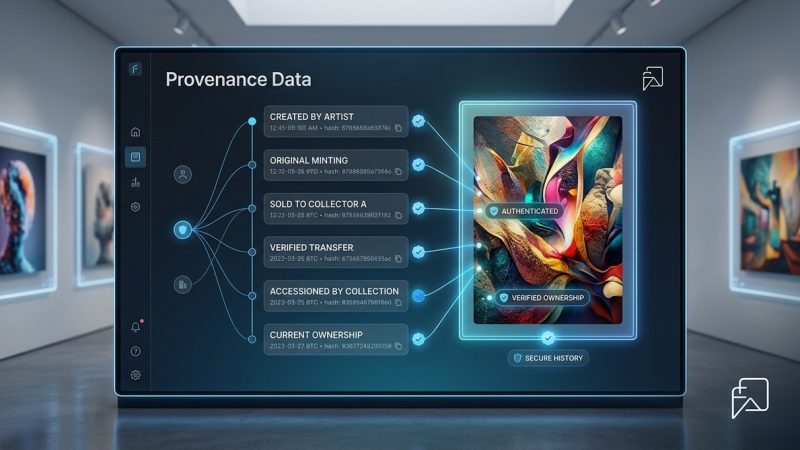
Provenance — or the history of ownership — is a cornerstone of art authentication. In the digital realm, provenance is tracked through blockchain records, making transparency easier to verify. If a collection lacks clear provenance or the records seem inconsistent, it’s a major warning sign.
- Missing transaction history
- No verifiable artist or platform info
- Vague or false ownership claims
Authentic collections should offer transparent details about the origin of each piece. Without it, you risk buying stolen or counterfeit assets. Always check the provenance before committing funds.
2. Dubious or Non-Existent Authentication
Since digital art is easy to copy, verifying authenticity is vital. If an NFT or digital piece lacks proper certification or the platform doesn’t provide clear verification methods, it could be a scam.
- No certification or certificates of authenticity
- No verification process for the artist or platform
- Use of generic or suspicious metadata
Trusted marketplaces often include authentication badges or detailed verification steps. If these are absent or questionable, it’s a red flag.
3. Poor Visual Representation and Fake Listings
Many scams rely on fake listings that mimic real artists or popular collections. These often feature low-quality images, inconsistent branding, or duplicate listings.
- Low-resolution or stock images
- Listings duplicated across multiple sites
- Unprofessional or inconsistent branding
Always view the artwork directly on the platform and verify the artist’s official presence. Use reverse image searches if necessary to confirm originality.
4. Limited or No Community Engagement
A healthy digital art collection often has a vibrant community, active social media presence, and support from the artist or platform. Red flags include:
- No social media links or activity
- Lack of comments or engagement
- No interactions from the artist or curators
Engaged communities often help verify legitimacy and provide additional security.
5. Overhyped Pricing and Unrealistic Valuations
If an asset’s price seems disproportionately high compared to its apparent value, it’s worth scrutinizing. Hype-driven valuations can inflate prices artificially.
- Sudden price spikes without market support
- Lack of comparable sales
- Excessive hype on social media
Always research recent sales and market trends before investing.
6. No Clear Platform or Marketplace Details
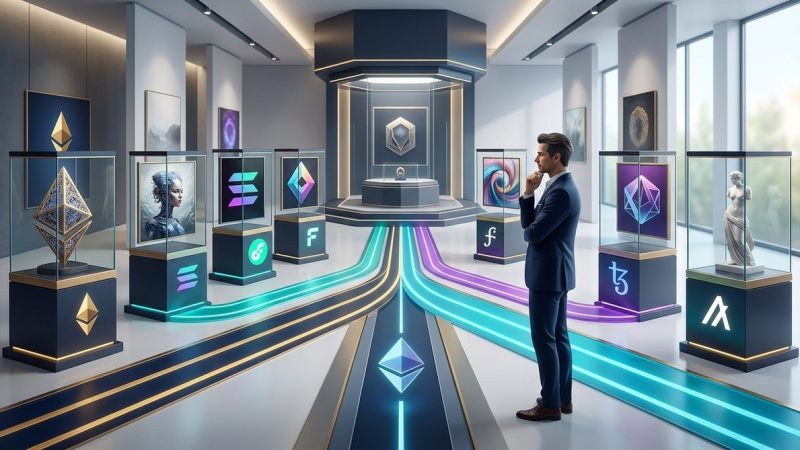
Beware of collections that don’t specify where the assets are stored or sold. Platforms should provide information about the blockchain used, storage solutions, and the platform’s reputation.
| Technique | Mistake |
|---|---|
| Verifying blockchain info | Buying from unknown or unverified platforms |
| Checking storage methods | Ignoring storage security and decentralization risks |
Use trusted marketplaces with transparent processes. Avoid collections that operate in secrecy or on unverified platforms.
7. No Artist or Creator Info
A legitimate digital art collection should include detailed artist bios, CVs, and links to their work. Suspicious collections often lack this information.
“Always research the artist’s background. If it’s absent or vague, the collection could be a scam or poorly curated,” advises blockchain art expert Jane Doe.
- Missing artist bio
- No links to previous work
- No social media presence
8. Fake or Falsified Royalties and Resale Rights
Smart contracts enable royalties on secondary sales, ensuring artists benefit when their work appreciates. If a collection claims royalties but the smart contract details seem suspicious or hidden, proceed with caution.
- No transparent royalty structure
- Hidden or overly complex contract terms
- Absence of blockchain code verification
Use platforms that openly display contract details and provide independent verification.
9. Unprofessional or Vague Platform Information
A trustworthy collection will have well-documented information about the platform and security measures. Vague descriptions and poor website quality are red flags.
- No contact info or customer support
- Poor website design
- No security or privacy policies
Check for reviews and community feedback before making a purchase.
10. Excessive Hype and Pressure Tactics
Scammers often use urgency to rush decisions. Be cautious if you encounter:
- Limited-time offers with no real basis
- High-pressure sales tactics
- Promises of guaranteed returns
Take your time to research and verify before investing.
How To Safeguard Your Digital Art Investments
While recognizing red flags is crucial, taking proactive steps can significantly reduce your risk.
-
Research the Artist and Platform: Confirm the artist’s authenticity and the platform’s reputation. Use https://freeport.app/how-smart-contracts-are-revolutionizing-art-ownership-and-provenance/ to understand the importance of smart contracts in verifying ownership.
-
Verify Provenance and Ownership History: Always check the blockchain records for a transparent history. Avoid collections with missing or inconsistent data.
-
Review the Smart Contract Details: Ensure royalties and rights are clearly defined and verifiable through the blockchain. Use tools to inspect the contract code if possible.
-
Use Reputable Marketplaces: Stick to well-known platforms with established security measures. Avoid unknown sites or direct sales without escrow.
-
Stay Informed and Skeptical: Follow community discussions and stay updated on common scams. Use resources like https://freeport.app/7-blockchain-artists-redefining-contemporary-digital-art-in-2026/ to learn about emerging artists and trends.
Techniques and Common Mistakes in Digital Art Collecting
| Technique | Mistake |
|---|---|
| Checking blockchain records for provenance | Ignoring blockchain transparency and verification |
| Confirming artist credentials | Assuming authenticity without verification |
| Using trusted marketplaces | Buying directly from unverified sources |
| Reviewing smart contract details | Overlooking contract clarity and transparency |
Common Expert Advice on Avoiding Red Flags
“Always prioritize transparency and verified ownership. If anything seems suspicious or incomplete, trust your instincts and investigate further,” recommends collector Alex Smith.
Stepping Into a Safer Digital Art Market
Understanding red flags in digital art collections equips you with the tools to make smarter choices. This knowledge helps you avoid scams and invest confidently in assets with long-term value. Remember to verify provenance, examine the platform, and research the artist thoroughly. As the market continues to evolve, staying vigilant is your best defense against potential pitfalls.
Keep Your Digital Collection Secure and Valuable
Building a digital art collection can be rewarding, but it requires careful evaluation. Use the principles outlined here to identify warning signs early. This approach will help you preserve your assets and grow your collection wisely. Approach each investment with curiosity and skepticism, and always double-check the details before committing your hard-earned money.