The Hidden Costs of Storing Art on the Blockchain Every Collector Should Know
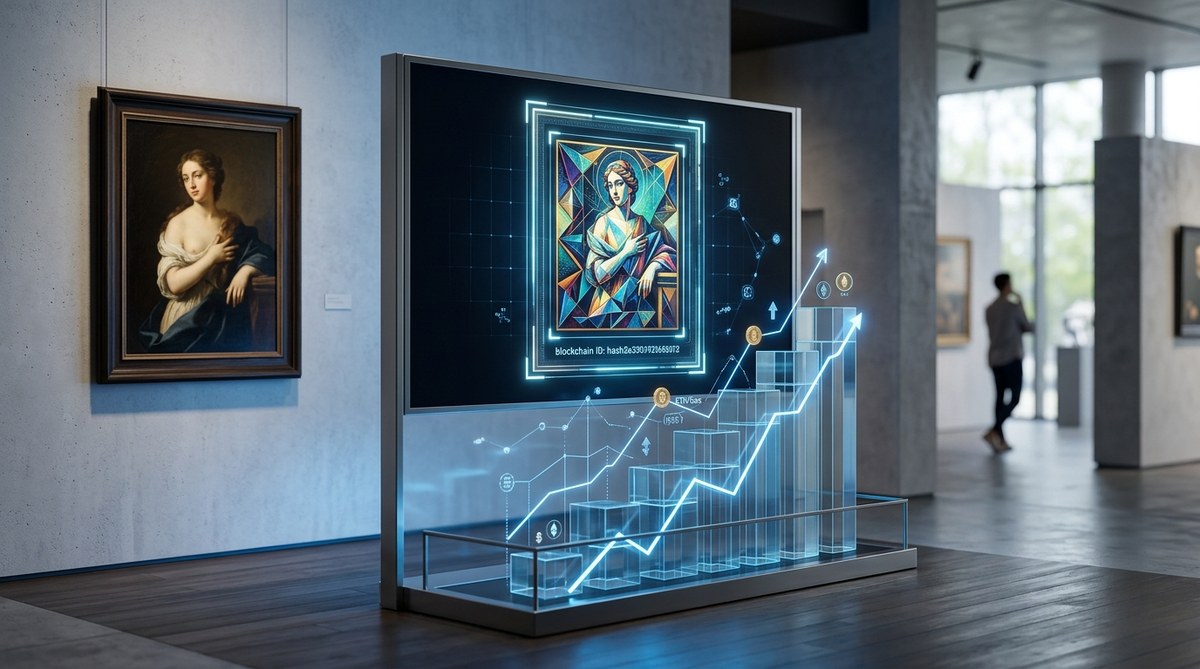
Art collecting has entered a new era with blockchain technology. Digital art, NFTs, and tokenized assets offer exciting opportunities for ownership and provenance. Yet, beneath the surface, there are hidden costs that can impact your wallet and the environment. Understanding these expenses is crucial for building a sustainable, profitable collection. Let’s explore the often overlooked financial and environmental implications of storing art on blockchain.
Storing art on blockchain involves hidden costs like high transaction fees, environmental impact from energy use, and long-term data storage expenses. Being aware helps collectors avoid surprises and make smarter choices in digital collecting.
The financial toll of blockchain storage
While the allure of owning a digital masterpiece is clear, the costs associated with embedding art on blockchain can catch collectors off guard. These expenses go beyond the initial purchase price and can accumulate over time, affecting your overall investment.
1. Gas fees and transaction costs
Every time you mint, transfer, or sell an NFT, blockchain networks charge a fee known as gas. These fees fluctuate based on network congestion and can be surprisingly high. For example, during periods of heavy activity on Ethereum, gas fees can reach hundreds of dollars for a single transaction. This means that a simple transfer could cost more than the artwork itself in some cases.
The impact of gas fees isn’t limited to buying or selling. Minting new art, updating metadata, or changing ownership can also incur costs. For collectors planning to build large or dynamic portfolios, these expenses can add up quickly.
2. Platform fees and royalties
Most marketplaces take a commission on sales, typically ranging from 2.5 to 15 percent. Artists often set royalties to earn a percentage of secondary sales, which are automatically enforced via smart contracts. While these royalties support creators, they can also lead to higher costs for collectors when reselling art.
3. Data storage expenses
Storing large digital files directly on the blockchain is impractical and costly. Instead, images and videos are often stored off-chain, with only a reference or hash stored on-chain. If collectors choose to store high-resolution files on decentralized storage networks like Arweave or IPFS, there are recurring costs involved. These can range from a few dollars to hundreds annually, especially for high-value collections.
4. Auditing and authentication
Verifying the authenticity of blockchain art requires ongoing monitoring. Some collectors invest in third-party services for provenance tracking, which can involve subscription fees. These expenses, while smaller, are part of the hidden costs that ensure your collection remains secure and credible.
The environmental costs of blockchain storage
Beyond financial expenses, storing art on blockchain significantly impacts the environment. The energy consumption associated with certain networks is a critical consideration for eco-conscious collectors.
1. Energy-intensive networks
Proof-of-work blockchains like Ethereum (prior to its move to proof-of-stake) require enormous computational power. This process consumes vast amounts of electricity, often comparable to small countries. For example, some estimates suggest that a single Ethereum transaction can use as much energy as a household in a week.
2. Carbon footprint
The carbon footprint of blockchain transactions varies depending on the energy sources powering the network. If the electricity comes from fossil fuels, the environmental impact increases dramatically. This raises ethical questions about the sustainability of storing art on such networks.
3. Transitioning to greener networks
While proof-of-stake chains like Solana, Tezos, and newer Ethereum versions aim to reduce energy use, transitioning the entire ecosystem takes time. Collectors must weigh the environmental costs of existing networks versus the potential benefits of greener alternatives.
4. Long-term data storage and environmental impact
Storing digital art for decades involves perpetually engaging with the network, which continues to consume energy. High-profile collections, especially those stored on energy-heavy blockchains, contribute to ongoing environmental costs that collectors should consider.
Practical processes for managing hidden costs
Being proactive can help you reduce unexpected expenses. Here are steps collectors can take:
- Research transaction fees before minting or transferring art. Use tools like gas fee calculators to find optimal timing.
- Prefer eco-friendly blockchains for storage and transactions. Networks like Tezos or Polygon often offer lower fees and greener options.
- Opt for off-chain storage solutions that balance cost and security. Services like Arweave provide affordable, long-term storage.
- Set a budget for ongoing expenses like storage and authentication services. This helps avoid surprises later on.
- Regularly audit your collection’s provenance and storage setup to ensure ongoing security and cost-efficiency.
Techniques and pitfalls in blockchain art storage
| Technique | Benefit | Mistake to Avoid |
|---|---|---|
| Storing only hashes on-chain | Low cost, secure reference | Forgetting to back up off-chain files |
| Using decentralized storage | Long-term, censorship-resistant | Overlooking recurring storage fees |
| Choosing energy-efficient networks | Reduces carbon footprint | Ignoring the energy impact of networks |
| Minting during low network congestion | Lower gas fees | Minting during peak times, increasing costs |
“Many collectors underestimate the long-term costs of maintaining and storing blockchain art. Planning ahead and choosing sustainable options can save money and reduce environmental impact,” advises digital art expert Laura Sanchez.
Mistakes that can inflate your costs
- Ignoring transaction fee fluctuations leading to expensive transfers during network congestion.
- Storing high-resolution files directly on-chain which can quickly become prohibitively costly.
- Choosing networks with high energy consumption without considering their environmental impact.
- Failing to update storage and provenance data regularly, risking loss or devaluation of assets.
- Overlooking recurring costs, such as storage fees or authentication services, that creep into your budget over time.
Long-term implications for collectors
Understanding the hidden costs of blockchain storage helps you make smarter choices. While blockchain offers transparency and proof of ownership, it also demands ongoing financial and environmental investments. For sustainable collecting, explore greener networks, optimize transaction timing, and consider off-chain solutions that balance cost with security.
Staying ahead in the digital art world
Building a digital collection is exciting but requires careful planning. Keep a close eye on transaction fees, environmental impact, and storage expenses. By doing so, you can grow your collection responsibly and sustainably. Think of it as maintaining a garden — regular upkeep ensures your assets thrive without unexpected costs choking growth.
Start small, research your options, and choose platforms and networks that align with your values and budget. Technology will continue to evolve, making storage more affordable and eco-friendly. Staying informed is your best tool for long-term success.
Remember: informed collecting isn’t just about acquiring art. It’s about managing costs wisely and supporting a greener future for digital art ownership.