The Rise of Decentralized Art Platforms: Redefining Accessibility and Trust in Blockchain Art Markets
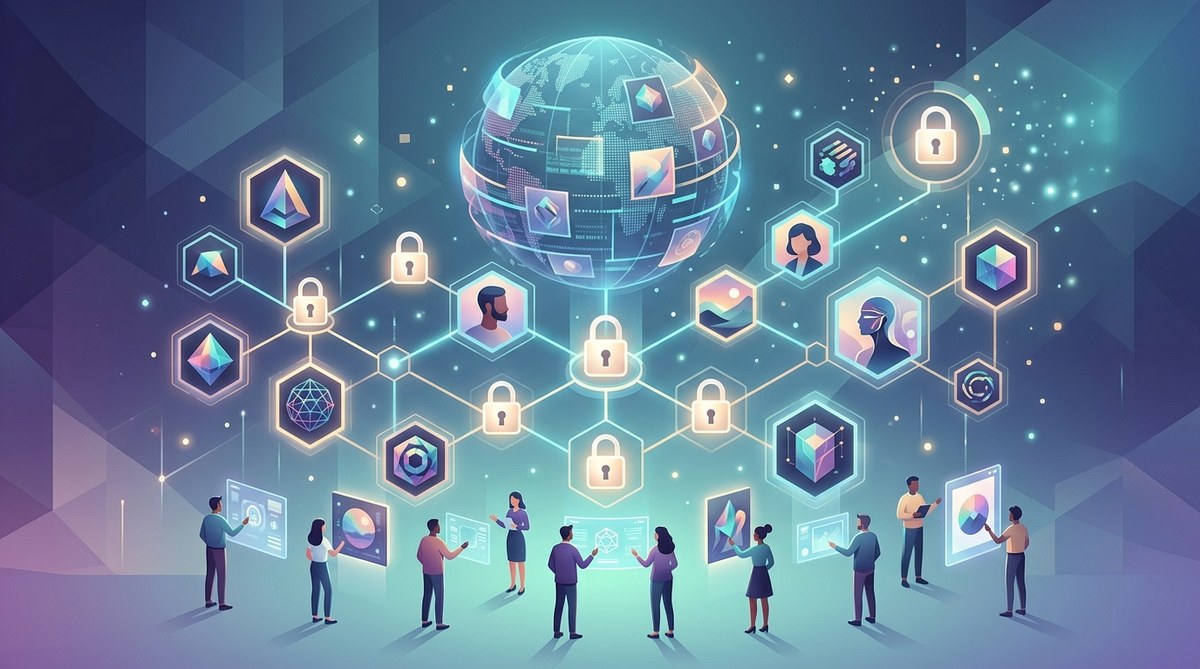
Decentralized art platforms built on blockchain technology are reshaping how art is created, bought, and owned. They open new doors for artists and collectors by offering transparency, security, and accessibility that traditional systems often lack. These platforms are not just about selling digital art; they are about transforming the entire ecosystem into a more democratic and trustworthy space. As blockchain continues to evolve, understanding these decentralized platforms becomes essential for anyone interested in the future of art collecting and investing.
What Are Decentralized Art Platforms and Why They Matter
Decentralized art platforms are online spaces where the control of digital assets and transactions is distributed across a network rather than centralized entities. Unlike traditional galleries or auction houses, these platforms operate on blockchain protocols, making them transparent and resistant to censorship or manipulation.
For art enthusiasts, collectors, and investors, these platforms introduce new levels of trust. Ownership, provenance, and transaction history are recorded immutably on the blockchain, reducing the risks of forgery and fraud. Artists benefit from direct engagement with their audiences while retaining more control over their work and earnings.
Decentralized systems also foster a more inclusive environment. Anyone with internet access can participate, regardless of geographic or social barriers. This democratization of access helps diversify collections and supports emerging artists who may have struggled within conventional art markets.
How Decentralized Art Platforms Use Blockchain to Build Trust
Blockchain technology underpins these platforms, providing a secure ledger that documents every transaction and change in ownership. This transparency means that collectors can verify the authenticity and provenance of digital artworks with confidence.
Smart contracts are a key innovation. They automatically enforce agreements, such as royalty payments for artists on secondary sales. This ensures artists continue to benefit from the appreciation of their work without relying on intermediaries.
Another trust mechanism involves decentralized storage solutions. Rather than relying on a single server, artworks and their metadata are stored across multiple nodes. This redundancy protects against data loss and platform shutdowns, ensuring long-term access.
“Blockchain’s core strength lies in its ability to create an unchangeable record of ownership and provenance, making art transactions more transparent and trustworthy.” — Digital art expert Jane Doe
Practical Steps to Engage with Decentralized Art Platforms
Getting involved with decentralized art platforms involves a few straightforward steps:
-
Set up a Web3 wallet.
Choose a reputable wallet like MetaMask or Coinbase Wallet to manage your digital assets securely. -
Research the platform’s reputation and security features.
Look into how the platform verifies artworks, manages royalties, and protects user data. -
Learn how to mint and purchase art.
Use guides such as the complete guide to minting your first fine art NFT to understand the process. -
Verify authenticity and provenance.
Use the platform’s tools or third-party services to confirm the history and legitimacy of artworks before buying. -
Secure your assets.
Store your digital collections in a hardware wallet or a secure, encrypted digital environment.
Common Techniques and Pitfalls in Decentralized Art Markets
| Technique | Potential Mistake |
|---|---|
| Smart contract automation | Overlooking contract terms leading to unexpected costs or restrictions |
| Decentralized storage | Relying solely on one provider risking data loss if the platform fails |
| Cross-chain compatibility | Moving assets without understanding security risks or technical requirements |
| Provenance tracking | Ignoring verification processes which can result in counterfeit holdings |
- Use trusted platforms with transparent histories
- Avoid platforms without clear authentication methods
- Be cautious when transferring assets across different blockchains
- Regularly update your security measures
Expert Advice on Trust and Security in Blockchain Art
“The strength of decentralized platforms is their transparency. However, collectors should always do their due diligence, especially when it comes to verifying provenance and understanding the underlying technology.” — Blockchain art consultant Alex Smith
The Future of Art Ownership and Access
As decentralized art platforms become more sophisticated, they will continue to democratize access to art and build more resilient ownership models. Innovations like fractional ownership enable collectors to invest in high-value works with smaller budgets, broadening participation.
Emerging platforms also integrate generative and interactive art, pushing the boundaries of what blockchain can support. These advancements promise a more vibrant, accessible, and trustworthy art ecosystem that aligns with the values of transparency and creator empowerment.
How To Build a Lasting Digital Art Collection
-
Research emerging platforms and artists.
Follow trends and verify authenticity carefully. -
Diversify across blockchains.
Protect your investments by spreading assets over multiple networks. -
Stay informed about platform stability.
Keep track of platform updates and legal developments. -
Leverage community insights.
Engage with online forums and social media groups focused on blockchain art. -
Prioritize security.
Use hardware wallets and enable two-factor authentication.
Decentralized Art Platforms and Their Impact on the Art World
Decentralized art platforms challenge traditional gatekeepers by giving artists more control and collectors more confidence. Museums and galleries are increasingly experimenting with blockchain to authenticate and showcase digital collections. This integration helps bridge the gap between physical and digital realms.
Furthermore, the transparency of blockchain reduces the prevalence of art forgery. Provenance becomes a matter of public record, which enhances trust and valuation.
Why Collectors Should Pay Attention to Decentralized Platforms
For collectors, these platforms present opportunities to access a global pool of artists and artworks. They also offer mechanisms for more equitable profit sharing through royalties. Understanding how to navigate blockchain-based systems ensures you can avoid scams and make informed investments.
Additionally, the ability to fractionalize assets opens doors for smaller investors to participate in high-value art markets. This democratization reshapes how wealth and art are linked.
Final Thoughts on Embracing the Decentralized Art Movement
Decentralized art platforms are more than a trend. They are a fundamental shift toward a more transparent, accessible, and fair art ecosystem. Whether you are an artist wanting to retain control or a collector seeking trustworthy assets, understanding the mechanics of blockchain-based platforms is key.
Take the time to learn the technical aspects, verify authenticity diligently, and embrace the community-driven spirit that these platforms foster. As the landscape continues to evolve, your informed participation can help shape the future of art ownership.
Join the decentralized art revolution and start building your digital collection today
By actively engaging with these platforms, you contribute to a more open and trustworthy art market. Use the steps and insights shared here to navigate the exciting world of blockchain art, and enjoy the benefits of greater access and control. The future of art is decentralizing, and your participation makes it all the more vibrant.