Harnessing Blockchain Scalability to Enhance Digital Art Accessibility in 2026
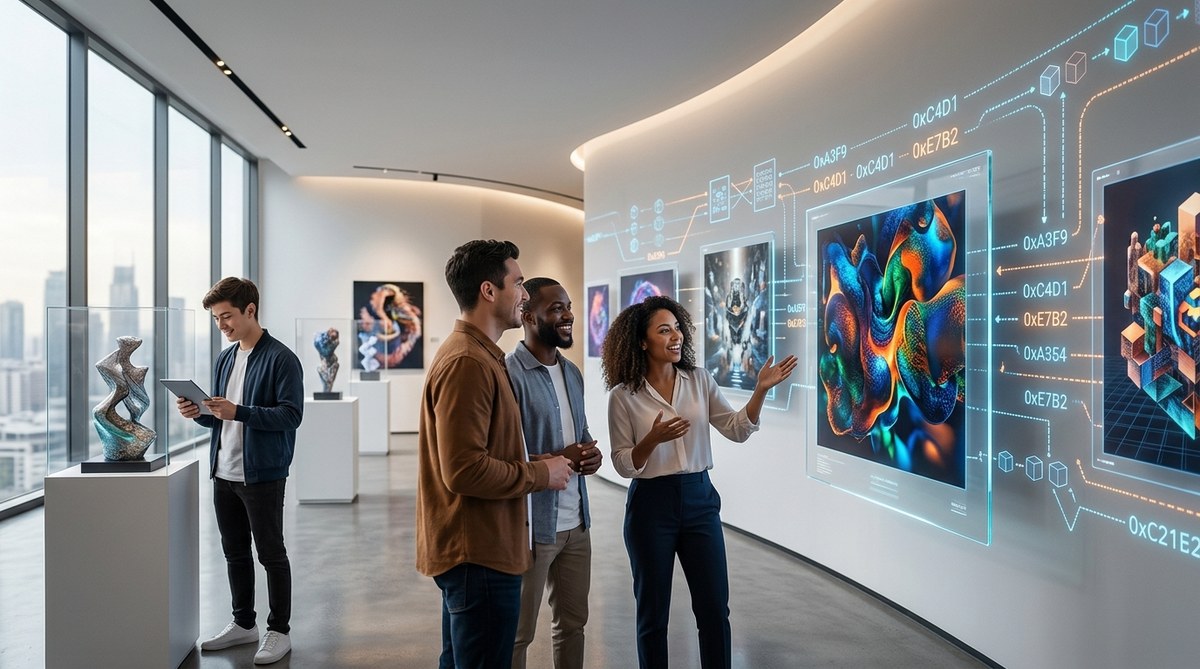
Digital art continues its rapid expansion in 2026, driven by breakthroughs in blockchain technology. As the digital art market grows, scalability remains a critical challenge. Without efficient blockchain networks, high transaction fees and slow confirmation times threaten to restrict access and hinder innovation. However, recent advancements in blockchain scalability are transforming how digital art is created, bought, and sold. These developments are making digital art more accessible, cost-effective, and trustworthy for everyone involved.
How blockchain scalability is shaping digital art in 2026
Blockchain scalability refers to a network’s ability to handle increasing transaction volumes efficiently. For digital art, this means enabling rapid, low-cost transactions while maintaining security and decentralization. In 2026, scalable blockchain solutions have become essential for supporting the vibrant digital art ecosystem. Artists can mint and sell NFTs faster, collectors can trade assets seamlessly, and platforms can host larger, more diverse collections without bottlenecks.
Key to this progress are layer 2 solutions, interoperability protocols, and innovative consensus mechanisms. These technologies reduce network congestion and gas fees, making blockchain-based art accessible to a broader audience. As a result, digital artists no longer face prohibitive costs or delays, opening the door for more experimental, interactive, and participatory artworks.
Major technological advancements in blockchain scalability
Layer 2 solutions unlock faster transactions
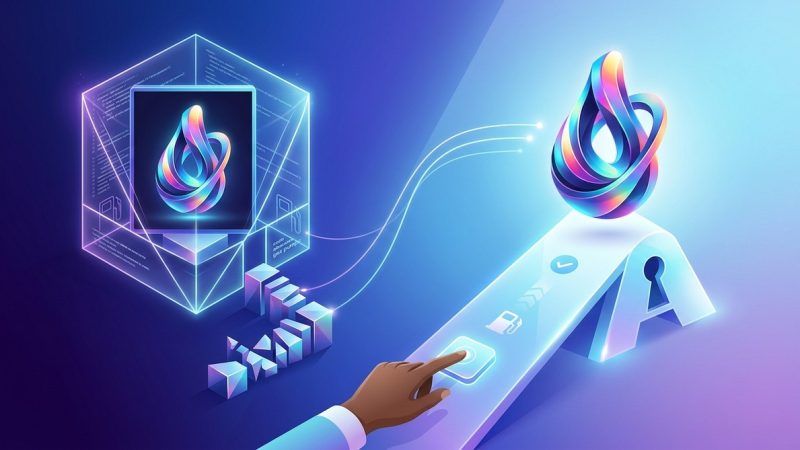
Layer 2 solutions like Polygon, Arbitrum, and Optimism operate on top of main blockchains such as Ethereum. They process transactions off-chain or in side-chains, then settle the final state on the main chain. This approach significantly reduces transaction costs and confirmation times. For digital art, this means artists can mint NFTs instantly and collectors can transfer assets without hefty fees.
Cross-chain interoperability broadens access
Interoperability protocols like Wormhole and Cosmos allow digital assets to move smoothly between different blockchain networks. This flexibility increases liquidity and participation. Collectors can diversify their holdings across multiple platforms, and artists can reach audiences on various blockchains without technical barriers.
Consensus mechanisms improve efficiency
New consensus methods such as proof of stake and proof of authority enhance network throughput. These mechanisms require less energy and enable faster block creation. As a result, blockchain platforms support higher transaction volumes, crucial for large-scale digital art marketplaces.
Decentralized storage and compression techniques
Innovations in storage, such as IPFS and Arweave, combined with data compression algorithms, lower costs for storing high-resolution images and generative art. Artists can upload detailed works without worrying about prohibitive on-chain storage fees, ensuring long-term access and authenticity.
Practical steps to leverage blockchain scalability in digital art
-
Choose the right blockchain platform: Opt for networks with proven layer 2 solutions like Polygon or Arbitrum to enjoy lower fees and faster transactions. Research which platforms support the types of digital art you create or collect.
-
Utilize interoperability protocols: To reach diverse audiences and marketplaces, consider deploying your digital art across multiple chains. Cross-chain bridges facilitate this movement, expanding your reach.
-
Adopt scalable storage methods: Store your digital artworks off-chain using decentralized storage solutions. Embed cryptographic proofs or hashes on-chain to verify authenticity without incurring high costs.
Practical process for artists and collectors:
- Select a platform that offers scalable blockchain infrastructure.
- Mint NFTs on a layer 2 network or a protocol supporting high throughput.
- Use interoperability tools to list or transfer art across different blockchain ecosystems.
- Store high-fidelity files securely with decentralized storage options.
- Keep provenance records and smart contracts updated to reflect scalable network features.
Common pitfalls and how to avoid them
| Mistake | Why it matters | How to prevent it |
|---|---|---|
| Overlooking scalability solutions | High gas fees and slow transactions can reduce accessibility | Use layer 2 options and check network status before minting or transferring |
| Relying solely on one blockchain | Limits audience reach and creates dependency | Explore multiple chains and interoperability protocols |
| Neglecting storage security | Artworks stored improperly risk loss or tampering | Choose reputable decentralized storage and verify hashes regularly |
| Ignoring network updates | Missing out on performance improvements | Stay informed about blockchain upgrades and scalability enhancements |
“The key to successful blockchain-based digital art in 2026 is understanding the technological landscape. Leveraging layer 2 solutions and cross-chain interoperability ensures your art remains accessible, affordable, and secure.” — Blockchain expert Jane Doe
How scalability fosters a more inclusive digital art world
The shift toward scalable blockchain networks dramatically reduces barriers for new artists and collectors. Lower transaction fees enable micro-investments and fractional ownership, opening the market to a wider audience. Artists can experiment with interactive and dynamic works without fear of prohibitive costs.
Furthermore, scalability enhances marketplace efficiency. Larger platforms can handle increased traffic, which leads to more vibrant trading environments. This growth encourages innovation, such as live auctions, virtual galleries, and real-time collaborations.
Building a resilient digital art collection in 2026
In a landscape where blockchain networks continuously evolve, staying adaptable is vital. Here are three key strategies:
-
Diversify blockchain holdings: Use multiple compatible blockchains to avoid over-reliance on a single network. This approach spreads risk and exposes your collection to varied markets.
-
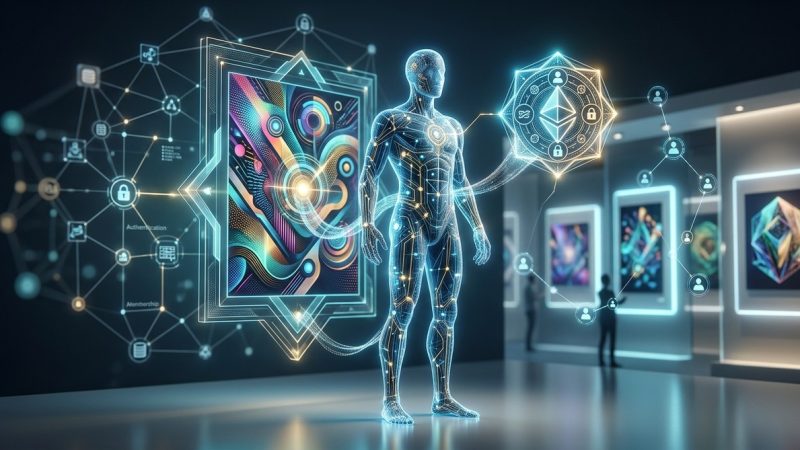
Regularly update provenance records: Use scalable smart contracts and decentralized storage to maintain transparent ownership histories.
-
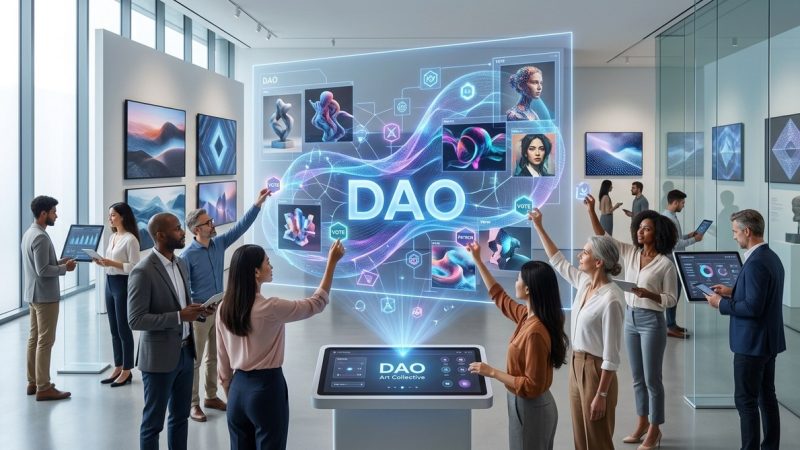
Engage with community-driven platforms: Join decentralized marketplaces and social networks that prioritize scalability and user control.
Moving forward with blockchain scalability and digital art
As blockchain technology advances, so will the possibilities for digital art. Implementing scalable solutions today prepares artists, collectors, and platforms for a future where digital ownership is seamless, secure, and accessible. Embrace these innovations to grow your creative and collection strategies.
In 2026, understanding and leveraging blockchain scalability is no longer optional. It is the foundation for a more inclusive, efficient, and dynamic digital art world. Start integrating these technologies now, and your digital art journey will be well-positioned for the years ahead.
Rethinking digital art in a scalable future
The ongoing improvements in blockchain scalability are transforming how digital art is created, traded, and experienced. By adopting layer 2 solutions, interoperability protocols, and innovative storage methods, the community is breaking down previous barriers. This progress empowers artists to push boundaries and collectors to access new opportunities.
Take these practical steps to harness scalability in your digital art endeavors:
- Select platforms with proven scalability features.
- Use cross-chain tools to expand your reach.
- Invest in decentralized storage for high-quality artworks.
Avoid common pitfalls like ignoring network upgrades or over-relying on a single blockchain. Stay informed about evolving technology and participate in community discussions. Your digital art collection will thrive in this more accessible, cost-effective environment.
Remember, the future belongs to those who understand the significance of scalable blockchain networks. By being proactive now, you can ensure your digital art investments and creations remain resilient and relevant in 2026 and beyond.